Rumelifeneri Castle: A Military Fortress at the Northern Bosphorus


Site at a Glance
- Rating
- 4.4
- Popularity
- Medium
- Country
- Turkey
- Primary era
- Early Modern
- External website
- Open
- Eras represented
- Early Modern
- Civilizations
- Ottoman
- Site type
- Military
- Remains
- Castle
On this page8 sections
History
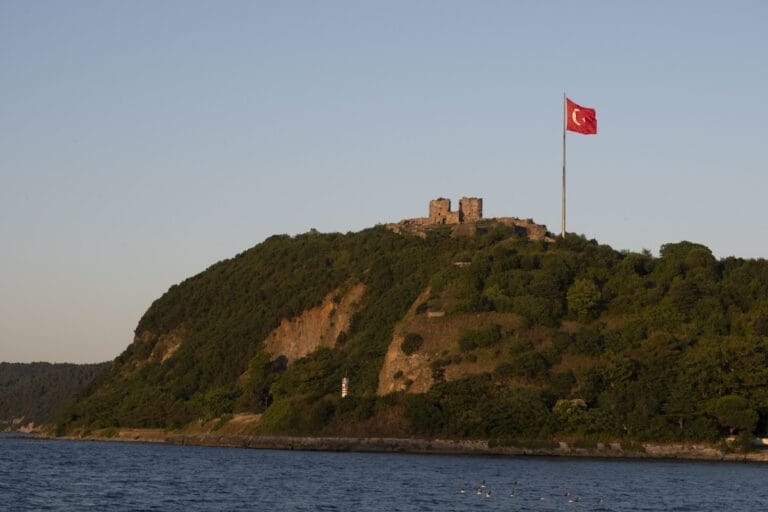
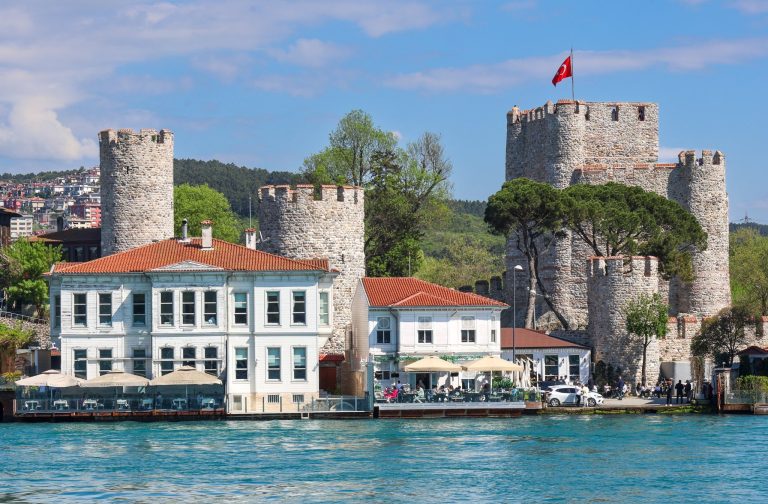
Rumelifeneri Castle is a ruined military fortress in Türkiye, at the European end of the Bosphorus where the strait meets the Black Sea. Also known as Artillery Castle, it stands on the hills of Rumeli Feneri beside the lighthouse that gave the village its name. The castle’s builder and original construction date remain uncertain. It has been attributed to Genoese builders in the fifteenth century, possibly on an earlier Byzantine foundation, while another tradition places its construction under the Ottoman Empire around 1769 by an unidentified Greek engineer.
Origins and Ottoman Repairs
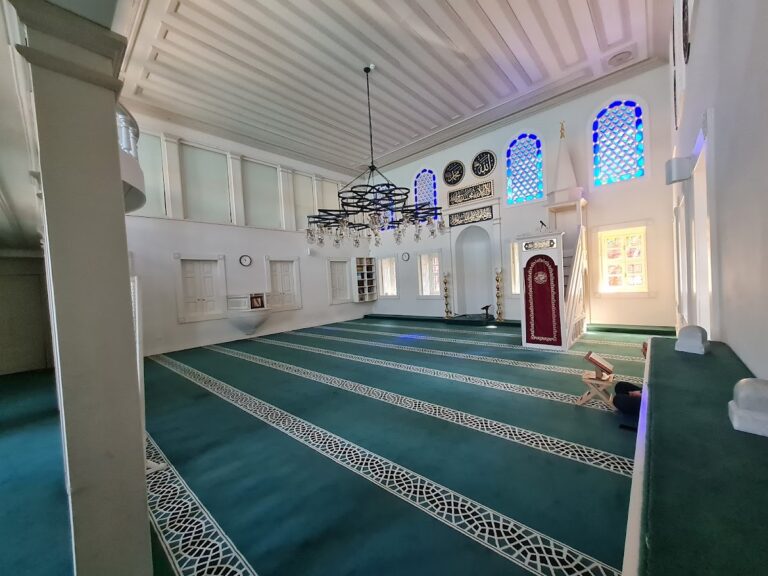
The earliest recorded reference to Rumelifeneri Castle is a document dated 1769 preserved in the Ottoman State Archives. The fortress had already undergone repairs by 1624, when damage to its walls led Sultan Murad IV to order restoration. Murad IV ruled the Ottoman Empire from 1623 to 1640. At that time, the castle contained 60 soldiers’ houses, 100 cannon, an arsenal, grain stores, and a mosque. Approximately 300 soldiers were stationed there.
Redesign and Later Use
The fortress was redesigned in stages by the French engineers Toussaint in 1783, Latife-Clavé in 1785, and Monnier in 1794. These successive interventions formed part of the castle’s later Ottoman military development.
During the Republican period, the era following the establishment of the Republic of Türkiye in 1923, Rumelifeneri Castle continued to serve as a military outpost. It is now within a first-degree natural protected area designated by a regional conservation-board decision of 12 March 2008, and restoration work is under way.
Remains
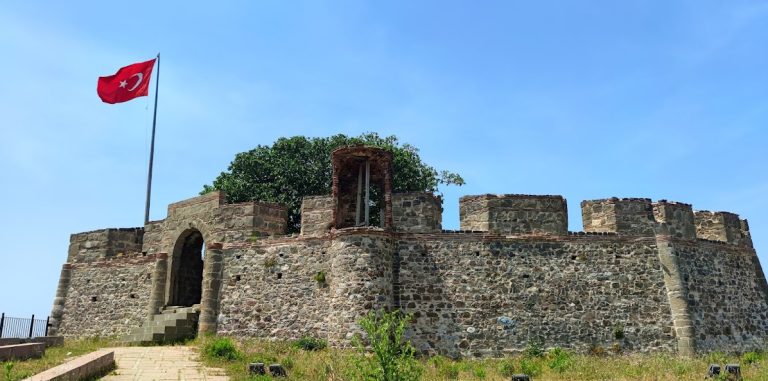
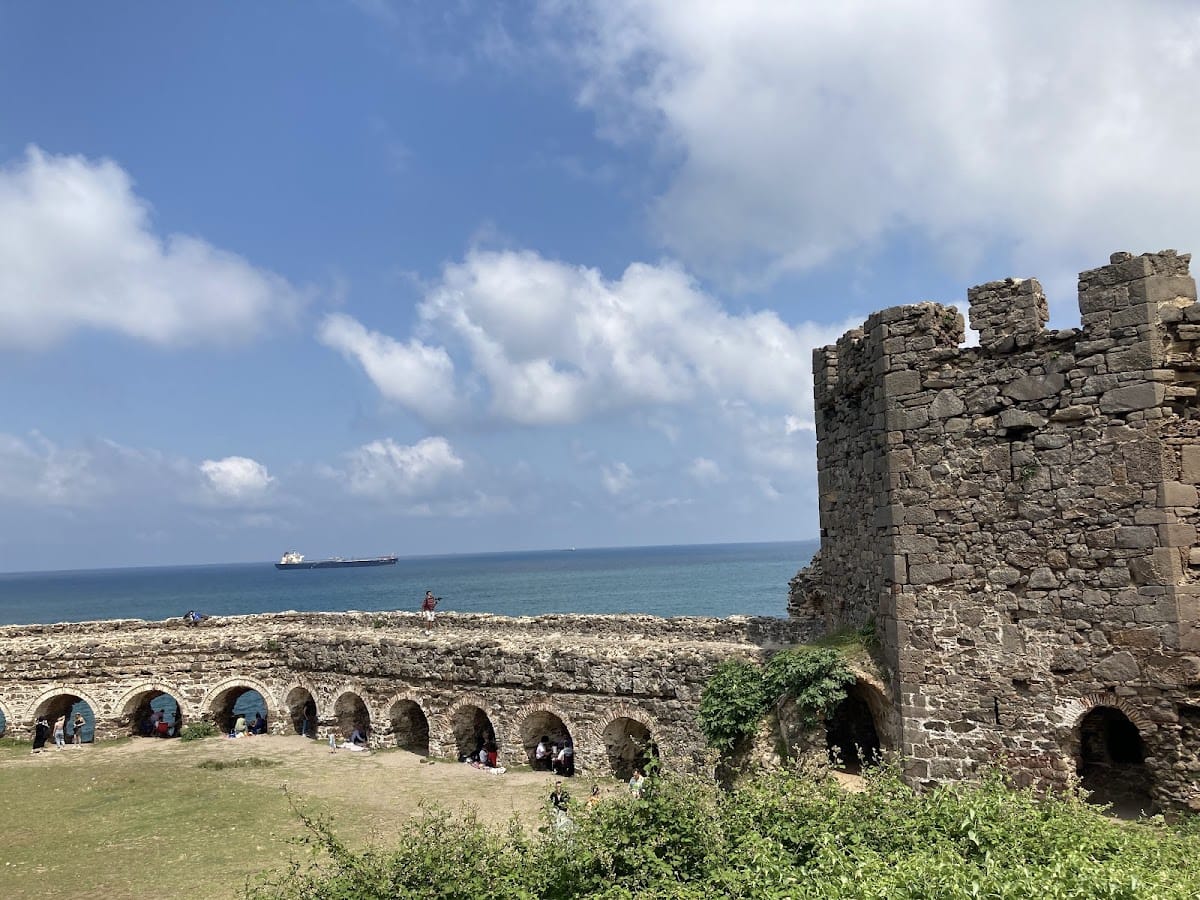
Rumelifeneri Castle occupies the hills at the Bosphorus and Black Sea confluence, approximately opposite Yoros Castle, the historic fortress on the Asian side of the northern Bosphorus. The ruined fortification has a rectangular plan with its northeast and northwest corners cut off at an angle. It measures approximately 70 metres in length and 55 metres in width, while its stated ground area is 46,185 square metres.
Fortress Structure
Walls and Entrance
The walls combine roughly dressed stone, rubble masonry, and brick. Roughly dressed stone appears at the corners, while the wall faces use both roughly dressed stone and rubble. The identified stone types are sandstone and basalt. An arched main entrance is set into the southwest wall, and the surviving structure is classified as a castle ruin.
Towers and Plan
Octagonal towers, each planned with eight sides, are incorporated into the southeast and northwest walls. Together with the angled corners and arched entrance, they form the principal surviving elements of the fortress’s defensive design.
Rumeli Feneri Lighthouse
The adjacent lighthouse is 58 metres above sea level and 30 metres long. Its light was first produced with kerosene and later with acetylene, and it could be seen from approximately 18 nautical miles away. The lighthouse remains closely associated with the castle’s name and with the name of the surrounding village.