Anadoluhisarı: An Ottoman Fortress on the Bosporus
Site at a Glance
- Rating
- 4.6
- Popularity
- Medium
- Country
- Turkey
- Primary era
- Medieval
- External website
- Open
- Eras represented
- Medieval
- Civilizations
- Ottoman
- Site type
- Military
- Remains
- Fort
On this page7 sections
History
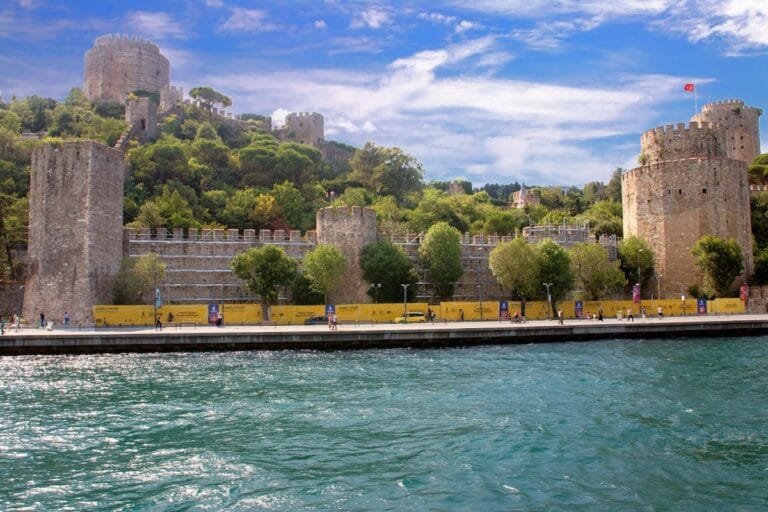
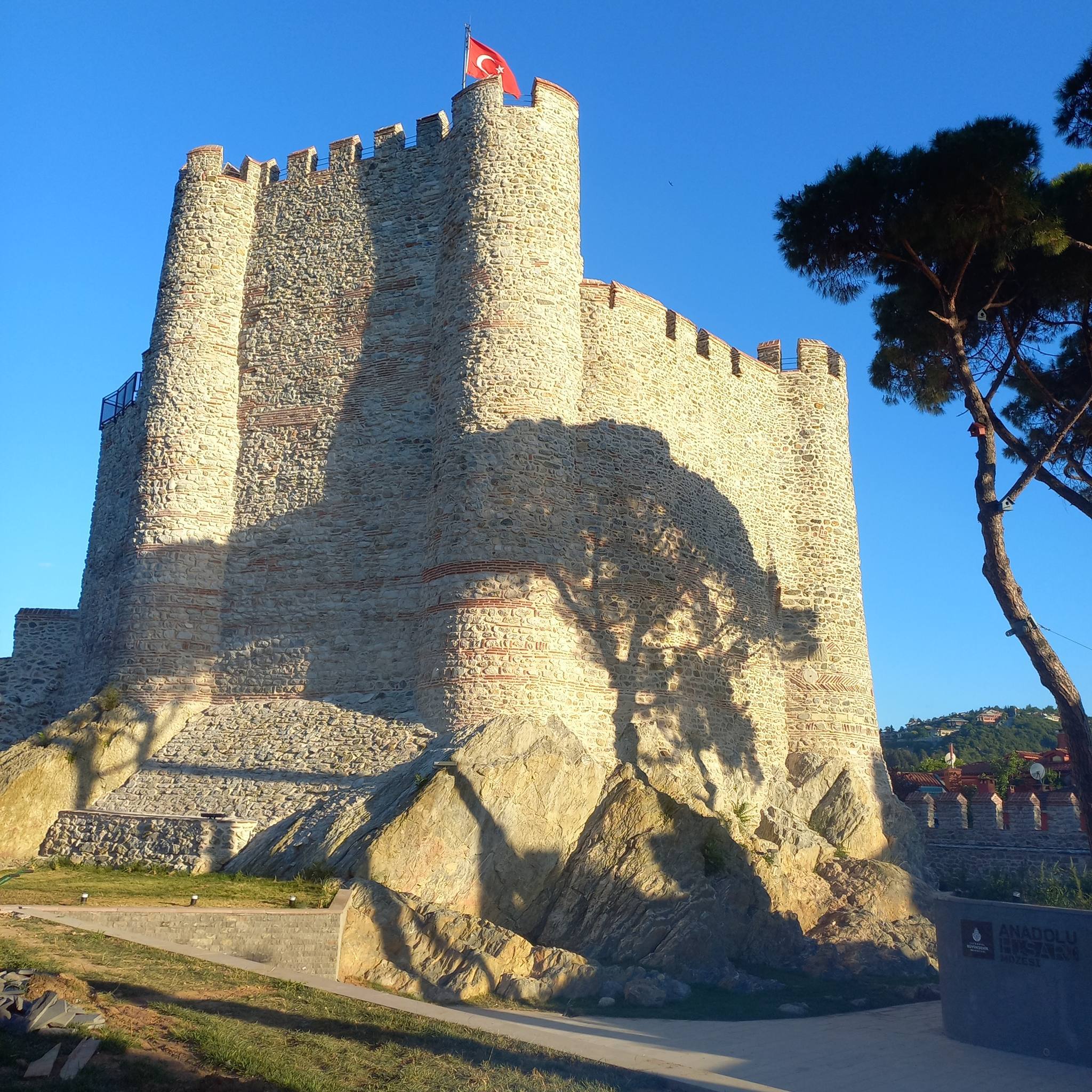
Anadoluhisarı is a medieval Ottoman fortress in Istanbul, Turkey, built between 1393 and 1394 by order of Sultan Bayezid I as part of preparations for a siege of Byzantine Constantinople. Historically called Güzelce Hisar, meaning “the Beauteous Fortress,” it occupied a strategic position on the Anatolian side of the Bosporus. The complex is regarded as the oldest surviving Turkish architectural structure in Istanbul.
Bayezid I and the campaign against Constantinople
Bayezid I commissioned Anadoluhisarı during his campaign against Constantinople. His plans were interrupted by the Crusade of Nicopolis, a military expedition against the Ottoman state, and the campaign ultimately ended after his defeat at the Battle of Ankara. An 11-year civil war followed within the Ottoman realm before Bayezid’s son, Mehmed I, reunited the empire and took the throne.
Expansion under Mehmed II
Mehmed I’s grandson, Sultan Mehmed II, later strengthened the fortress in preparation for a renewed Ottoman campaign against Constantinople. He added a surrounding wall approximately two metres thick, three watchtowers, a warehouse, and living quarters. Mehmed II also ordered the construction of Rumelihisarı on the European side of the Bosporus, opposite Anadoluhisarı.
In 1453, the two fortresses worked together to control maritime traffic through the strait and support the Ottoman conquest of Constantinople. The city then became the new capital of the Ottoman Empire and was later renamed Istanbul. Anadoluhisarı continued to serve practical military and administrative purposes after the conquest, including use as a customs house, where vessels and goods were inspected and duties collected, and as a military prison.
Later history and conservation
After several centuries, the fortress fell into disrepair. Following the establishment of the Republic of Turkey in 1923, the Turkish Ministry of Culture carried out conservation and restoration work between 1991 and 1993. Istanbul Metropolitan Municipality began a further restoration project in 2021. The fortress also gave its name to the surrounding neighborhood in Istanbul’s Beykoz district.
Remains
Fortress setting and defenses
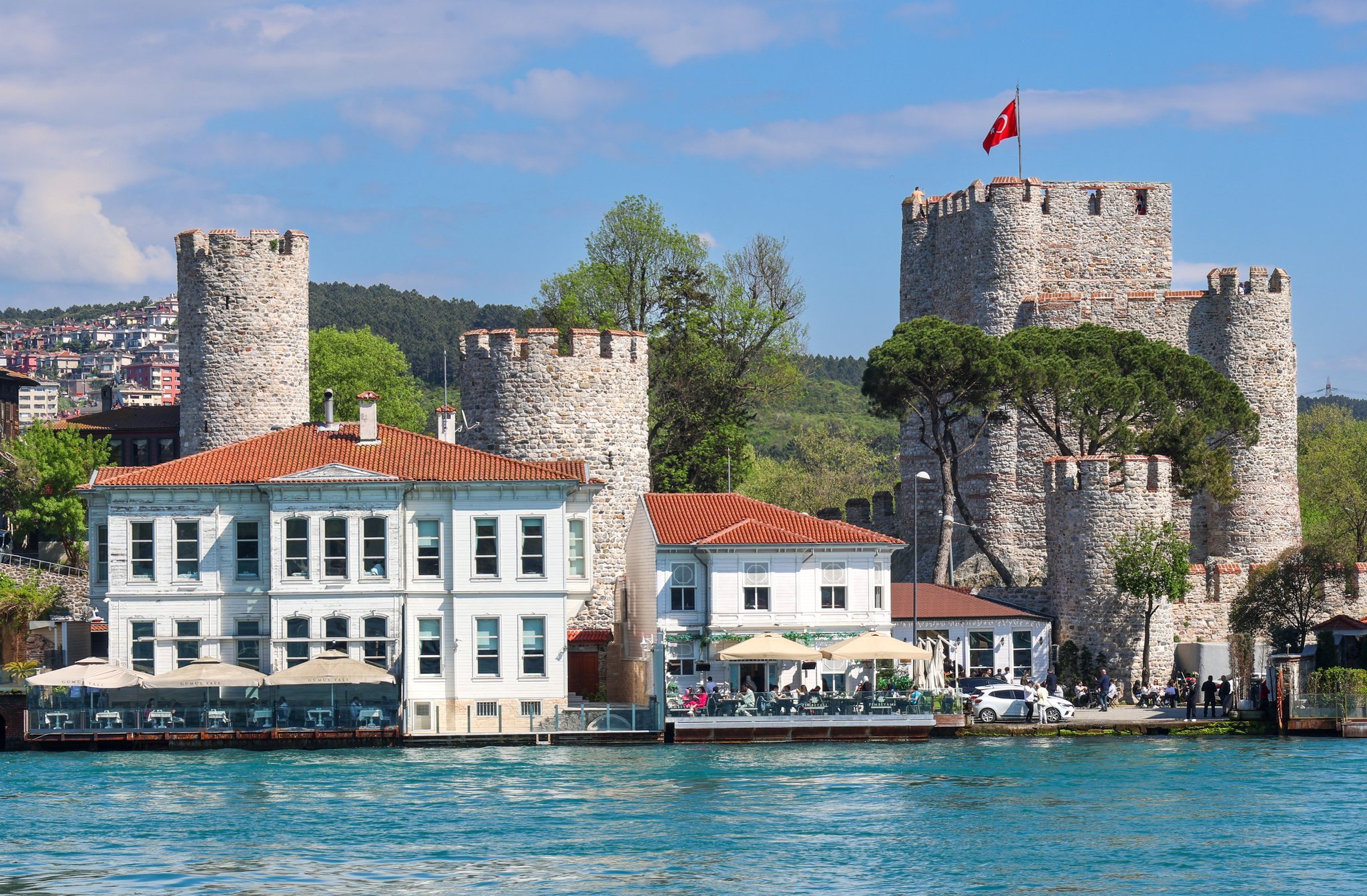
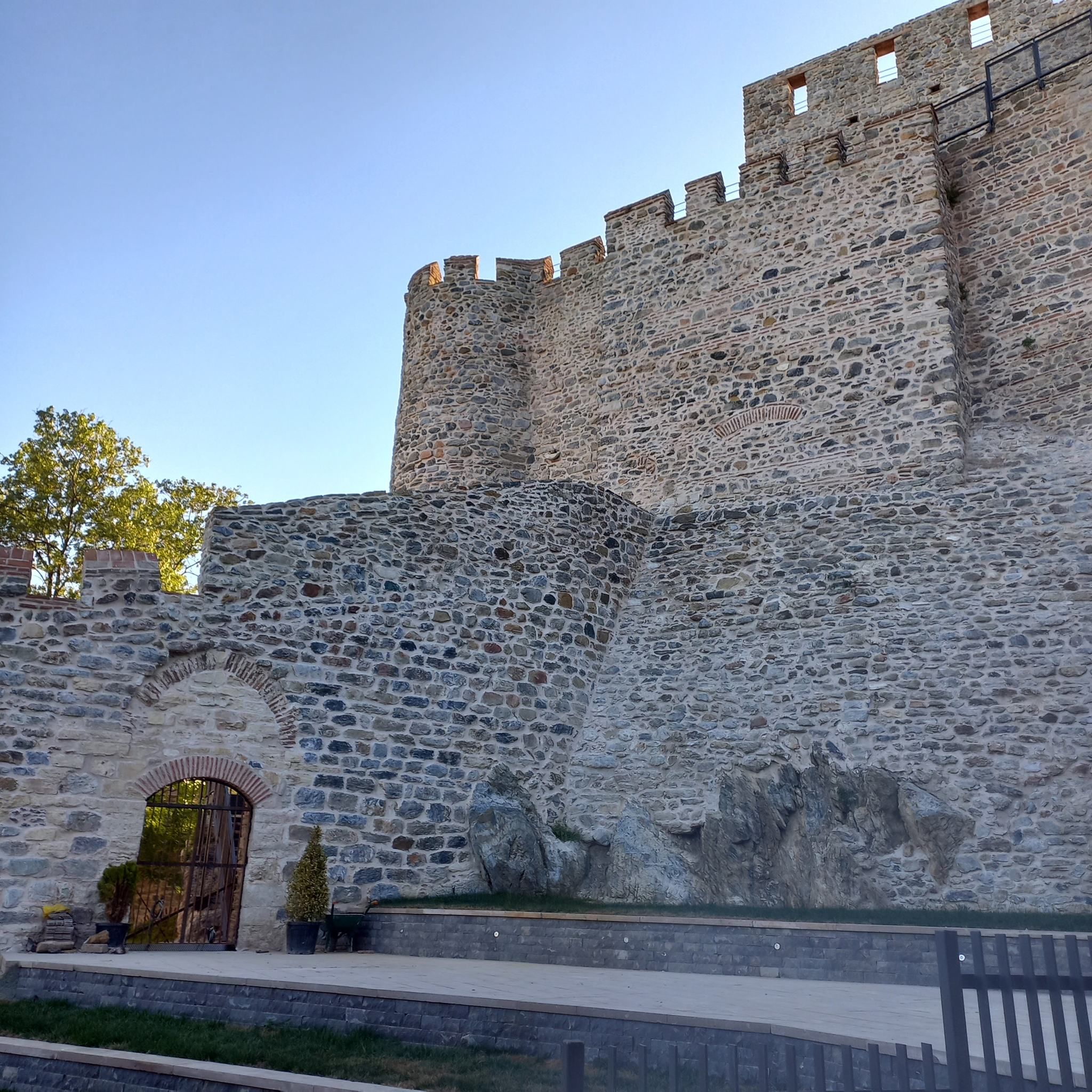
Anadoluhisarı stands on the Anatolian, or Asian, shore of the Bosporus at the strait’s narrowest point, where the waterway is approximately 660 metres wide. The site covers about 7,000 square metres and is bounded to the south by the Göksu creek, known in antiquity as Aretos. Its position reflects the fortress’s original purpose as a watch fortress, a fortified structure intended to observe and control a strategic route.
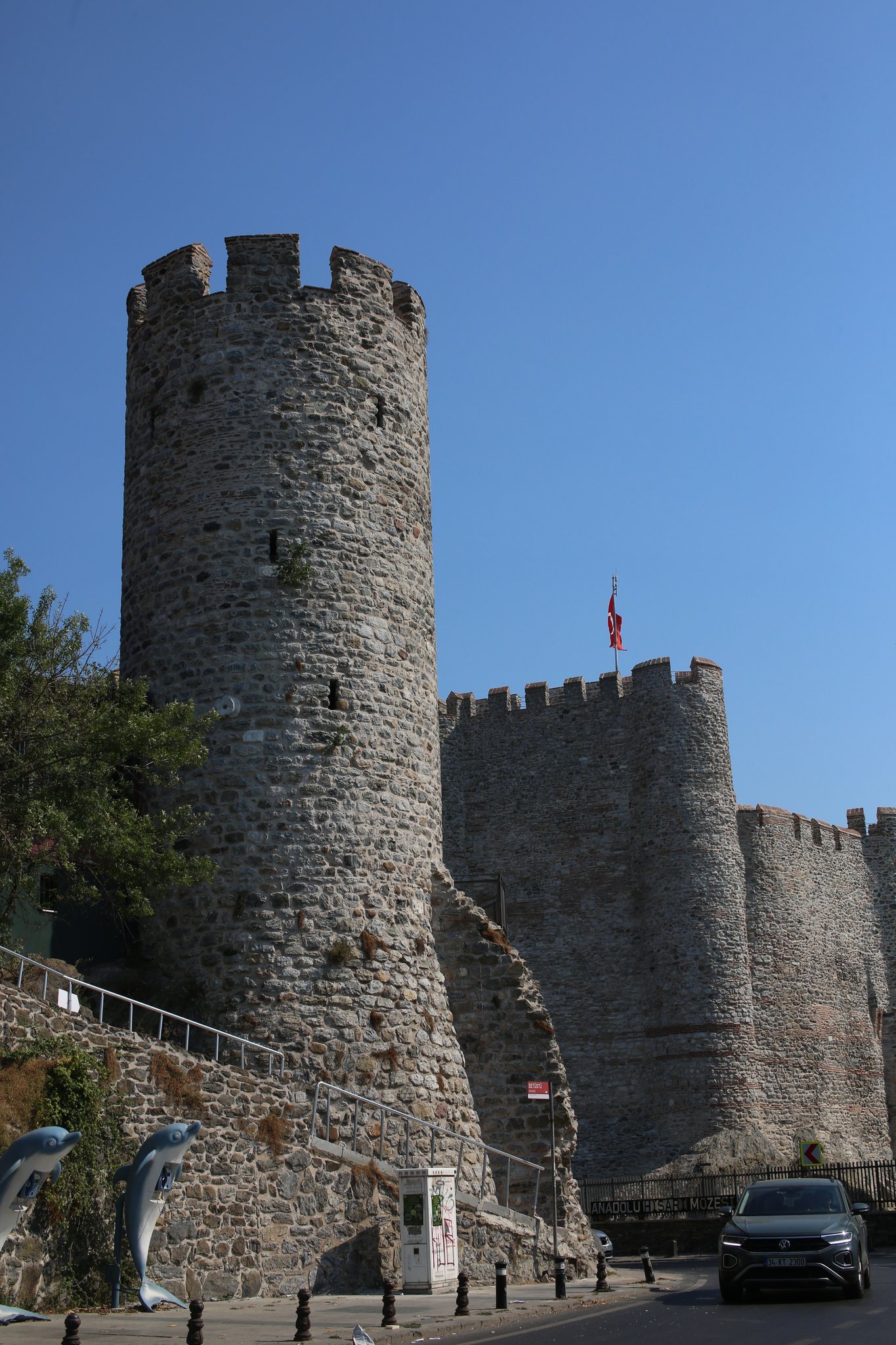
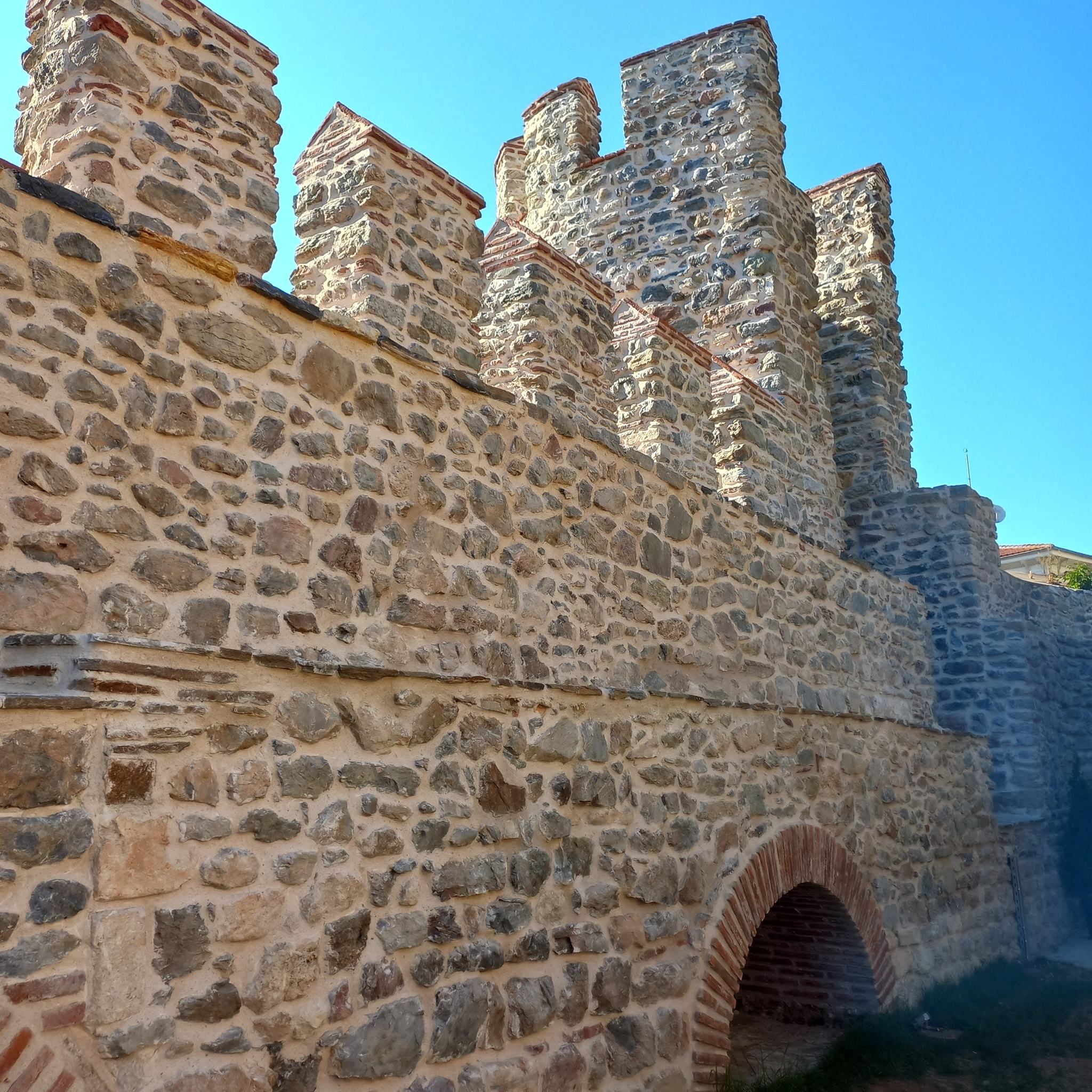
The citadel rises approximately 25 metres. Its principal tower is square and stands within an irregular pentagonal enclosure, whose five corners are occupied by watchtowers. Mehmed II’s additions included three further watchtowers and the thick surrounding wall. Later alterations have changed the complex so that it no longer preserves its original form.
Buildings and historic waterfront landscape
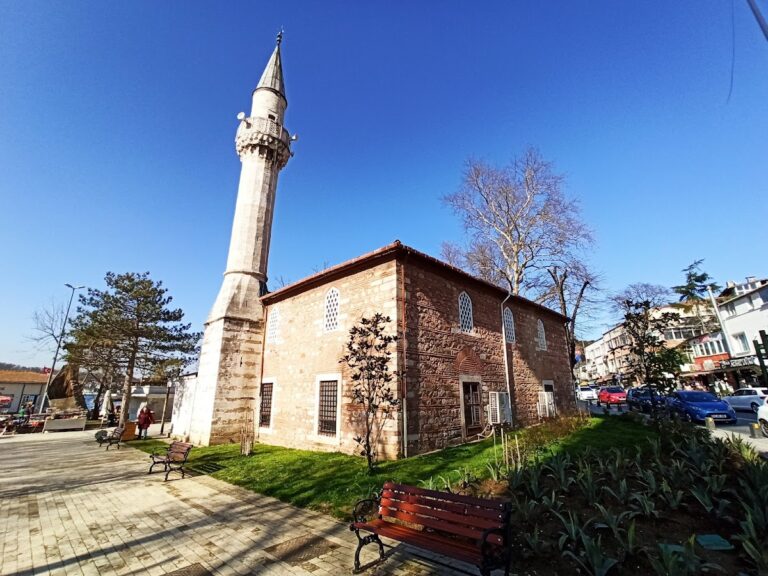
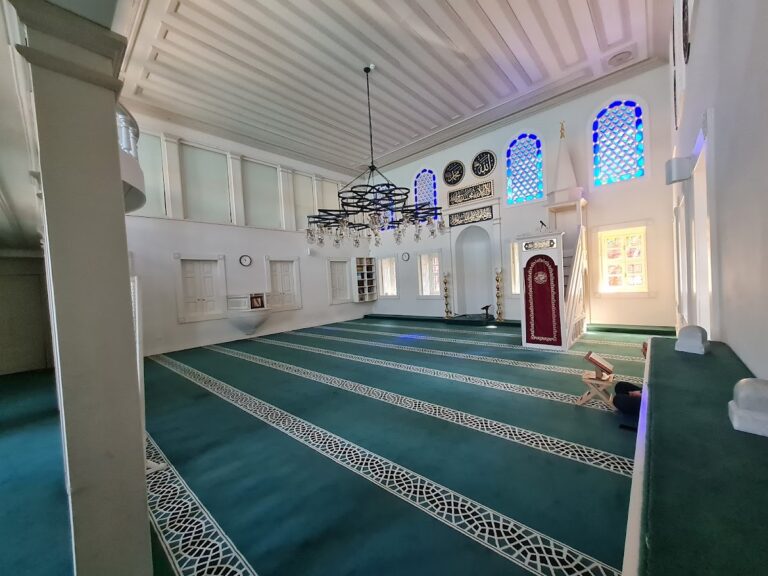
The complex contains a mosque, a warehouse, and living quarters alongside its defensive structures. These buildings reflect the fortress’s development beyond a purely observational role after its enlargement. The site occupies ground where a Roman temple dedicated to Uranus once stood, adding an earlier layer to the history of the location.
Anadoluhisarı forms part of the historic built landscape beside the Bosporus, standing near traditional timber waterfront residences known as yalı. These residences are houses built along the water, and their presence places the fortress within a wider shoreline environment shaped by both Ottoman defensive architecture and Bosporus domestic building traditions.