Castle of Sirok: A Hungarian Frontier Fortress in the Mátra
Site at a Glance
- Rating
- 4.7
- Popularity
- Medium
- Country
- Hungary
- Primary era
- Early Modern
- External website
- Open
- Eras represented
- Medieval, Early Modern, Modern
- Civilizations
- Hungarian, Ottoman
- Site type
- Military
- Remains
- Castle
On this page18 sections
History
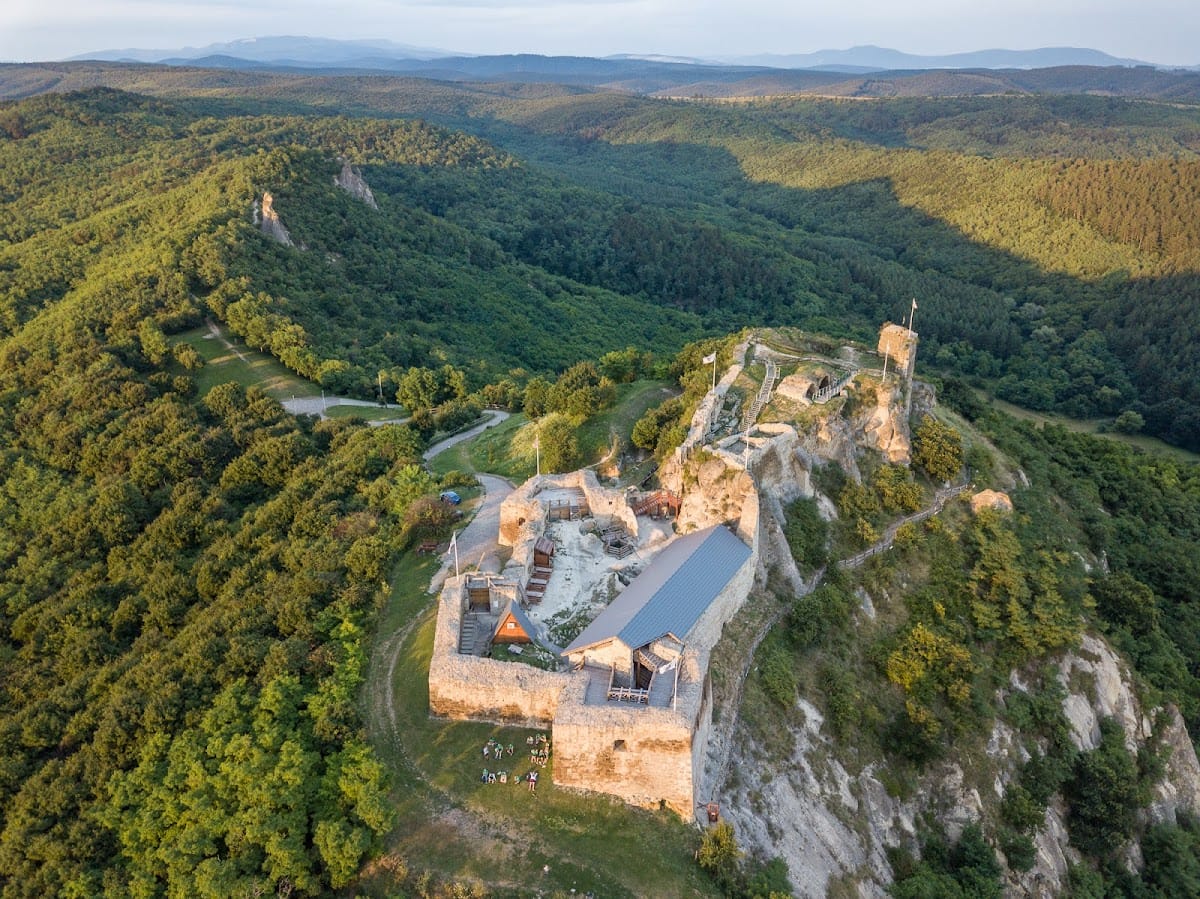
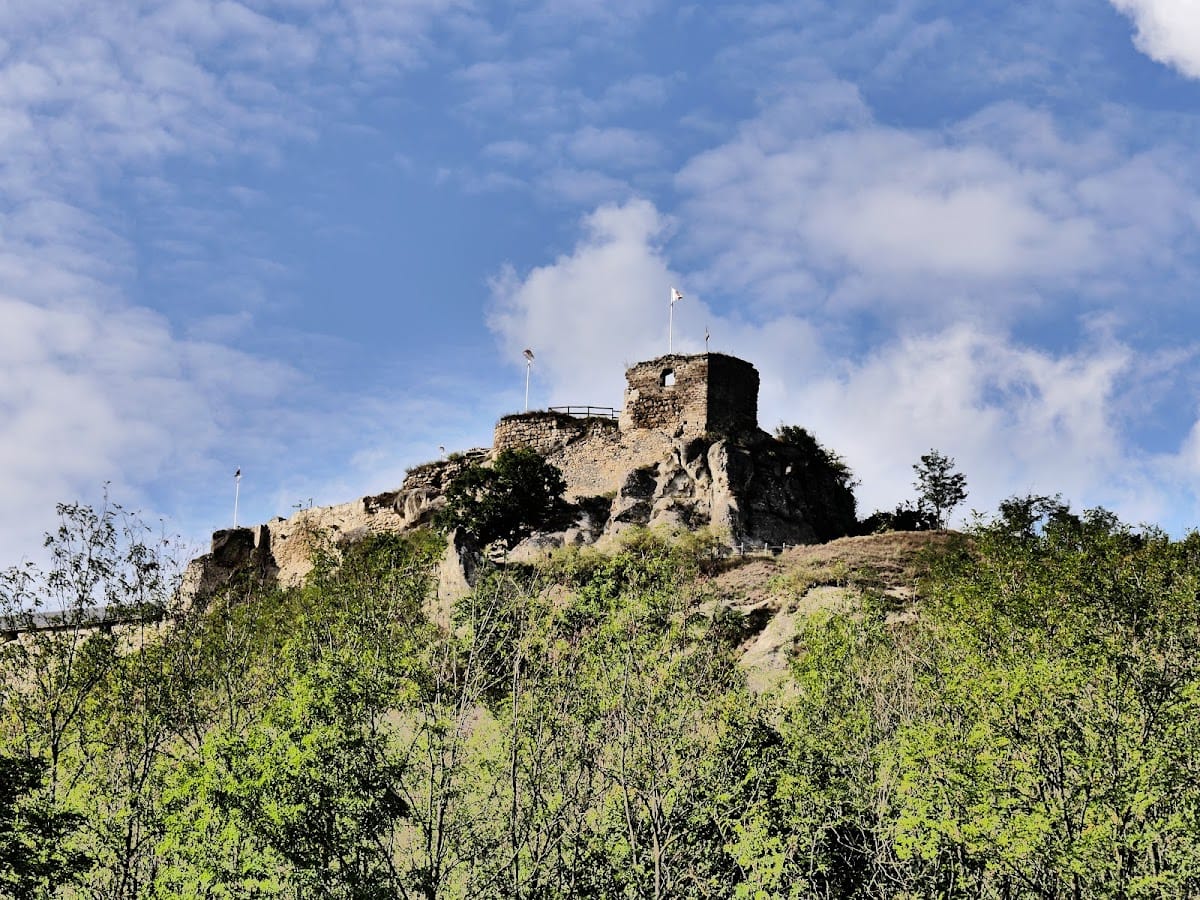
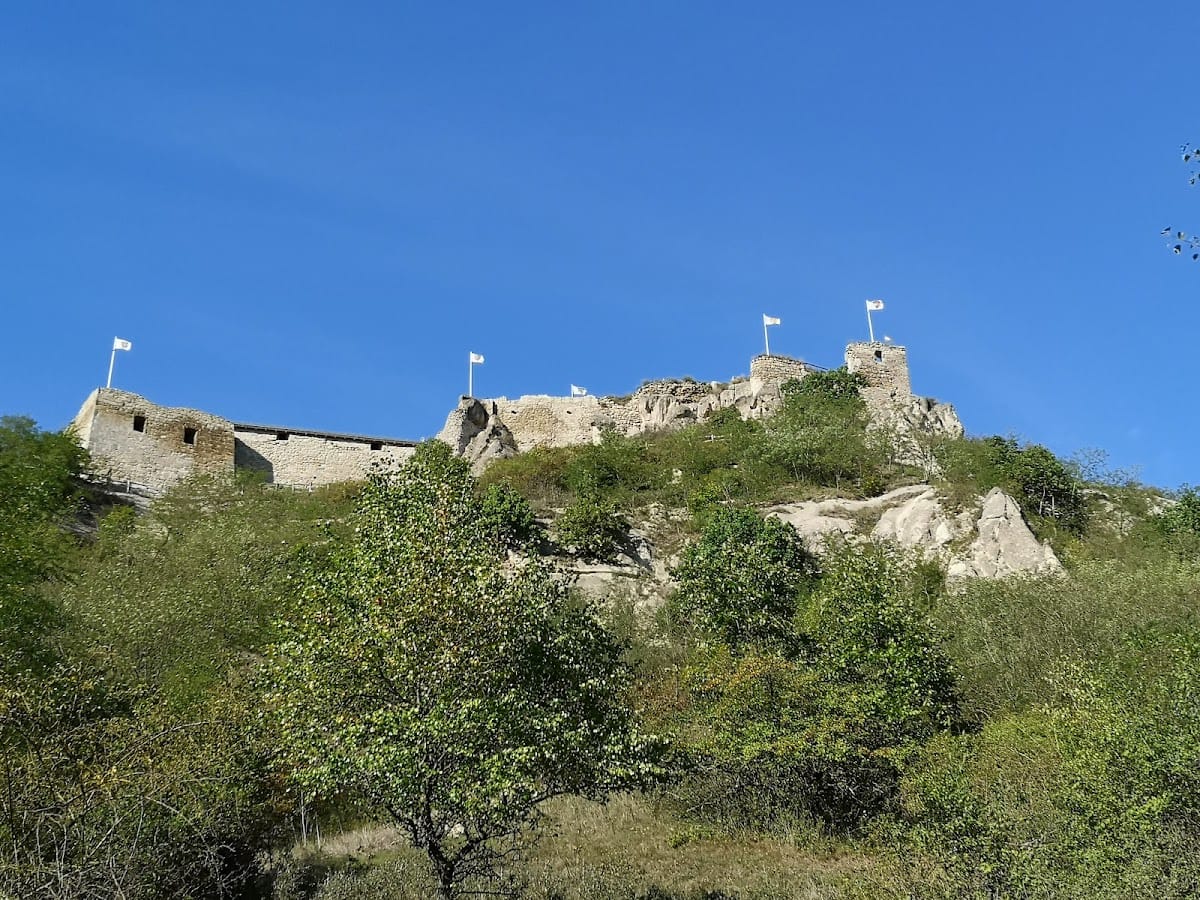
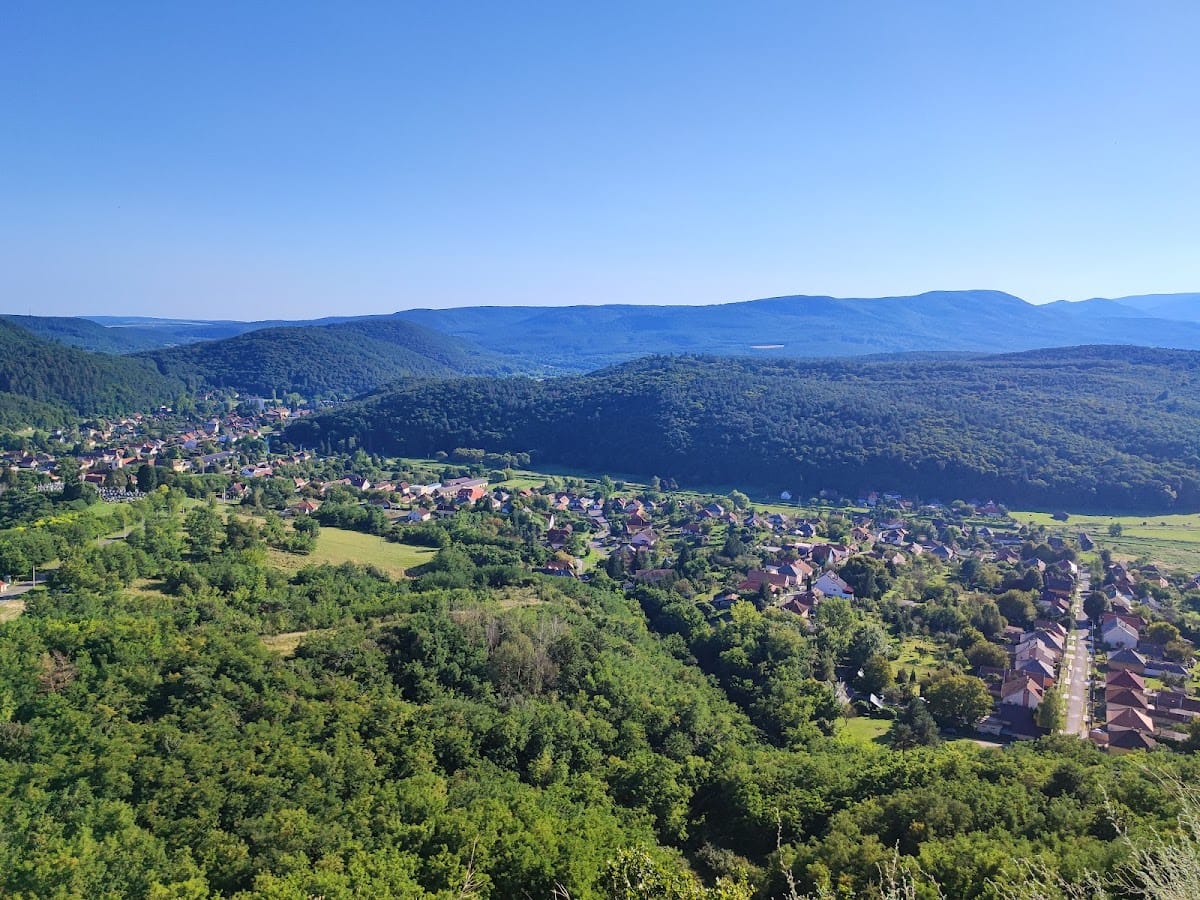
Castle of Sirok is a stone-built stronghold in Sirok, Hungary, developed through Avar, Slavic, medieval Hungarian, and Ottoman phases on the 296-metre Várhegy in the northeastern Mátra. Its irregular fortifications occupy an isolated volcanic peak and are divided into a lower castle and an upper castle. The site became a medieval aristocratic possession, a royal fortress, and later one of the forward strongholds protecting Eger within Hungary’s frontier-fortress system.
Early Fortification and the Medieval Castle
The earliest phase may reach back to the Avar period. The Avars were a steppe-origin polity that ruled much of the Carpathian Basin from the sixth to the early ninth century. Some interpretations hold that they fortified Várhegy and maintained a permanent station there. Slavic groups occupied and rebuilt the stronghold in the eighth century after Avar rule.
Following the Hungarian conquest, Sirok and the surrounding lands became possessions of the Birh-Bodon branch of the Aba kindred. The Aba kindred was a powerful Hungarian aristocratic lineage whose branches controlled extensive estates and held political offices. This family substantially altered the earlier fortification and created a stronger castle in the area of the present upper castle. Excavations have produced probable evidence of this medieval rebuilding phase.
Sirok entered written history in a charter of 1320, when royal forces captured it by siege from Demeter, a descendant of Birh-Bodon. Demeter had joined the private domain established by Matthew Csák, a powerful magnate whose territories challenged royal authority. Charles I of Hungary ordered the campaign as he consolidated royal control, and Dózsa, the senior royal military governor in Transylvania, led it with Philip Drugeth, the Crown’s chief administrative and judicial official in Szepes County.
In 1324, Emeric Kompolthy, a member of another Aba branch, became castellan, the official responsible for administering and defending a castle. He still held the office in 1339. Charles I granted Sirok in 1331 to Chenyk, a Czech warrior, but the castle returned to royal possession in 1337.
Royal Repairs and Noble Ownership
Royal administration continued to shape the castle during the fourteenth century. In 1372, Nicholas Domoszlai, the royal castellan, repaired damage at a cost of 2,000 gold forints. Louis I of Hungary then pledged the estate to him. In 1388, László Tari paid Domoszlai the pledge sum, and a charter dated 16 April 1390 transferred ownership to the Vác chapter through a new grant.
Inheritance disputes within the Tari family later altered control of Sirok. In 1465, Michael Guthi Országh and Nicholas Kompolti became its lords. Matthias Corvinus, king of Hungary from 1458 to 1490, confirmed their possession in 1475.
The Sixteenth-Century Frontier Fortress
The castle reached its peak during the ownership of Christopher Országh. In 1561, he modernized the upper castle and built the lower castle with three Italian-style bastions, projecting angular gun emplacements designed for artillery-era defense. The work followed an order issued by the partial diet held at Gönc. Országh also increased the garrison by 100 well-equipped cavalrymen.
These changes made Sirok one of Eger’s strongest forward fortresses within the frontier-fortress system, a network of fortified strongholds defending the border against the Ottoman Empire. Cserép and Szarvaskő formed part of the same defensive setting. Christopher Országh died without a male heir in 1567, after which his sister Barbara Országh and her husband, Ferenc Török of Enying, inherited the castle. Their daughter Zsuzsanna and her husband, Pál Nyáry, later became its proprietors.
By 1588, Sirok had again fallen into poor condition. News of Eger’s fall in 1596 led the castellans Benedek Kótaji and János Helmeczy to abandon the castle with its small and poorly equipped garrison. Ottoman troops commanded by Ali Pasha and Ahmed Pasha occupied Sirok later that year without a battle or siege.
Ottoman Occupation and Habsburg Control
Under Ottoman rule, Sirok served as a base for taxing the surrounding population and for raids behind Hungarian frontier fortresses. The occupants also maintained the defenses. They thickened the outer walls with stone taken from a demolished church and erected numerous wooden structures against the walls.
In 1687, John Doria besieged Eger, and the garrison of Sirok left to assist its defenders. With the castle unprotected, Hungarian forces captured it without a siege, taking its equipment and part of its food supplies.
Sirok then lost its military importance and deteriorated progressively. In 1694, it became the property of the Marquess of Bagni, who repaired it at considerable expense and installed an imperial garrison. During the uprising led by Francis II Rákóczi from 1703 to 1711, the castle played no military role. Imperial forces nevertheless damaged it in 1713, as they did other castles considered potentially dangerous, to prevent their use in similar rebellions. The authorities then left Sirok as a ruin and showed no interest in financing its repair.
Later Ownership and Archaeological Work
After 1713, ownership passed successively to Baroness Orczy, the Novotny family, and the Vécsey family. The property later returned to the Nyáry family, from whom Count György Károlyi purchased it in 1842. The uninhabitable castle remained with the Károlyi family until 1945, when it became state property.
Archaeological excavations directed by Béla Kovács took place from 1965 to 1972. They fully exposed the lower castle, began investigating the northeastern rock passage, and cleared much of the debris from the underground corridors and chambers of the upper castle. Sirok became part of Hungary’s national heritage in 1994. Initial stabilization followed in 1996, protecting the tops of standing walls, covering the well-cistern, making the approach through the rock passage safer, and injecting cracks in the rock surface.
Under a state castle program, the approach road and utility lines were installed in 2002 with archaeological supervision. Trial excavations in the upper castle followed in 2003, and systematic investigation began in 2011, advancing from the western end toward the center. Restoration of the lower castle began at the end of 2010 and was formally completed on 30 September 2012. Since then, the lower castle has housed a museum, while the enclosed complex has presented explanatory displays and an exhibition about life in a medieval castle courtyard, including demonstrations of historical crafts and activities.
Remains
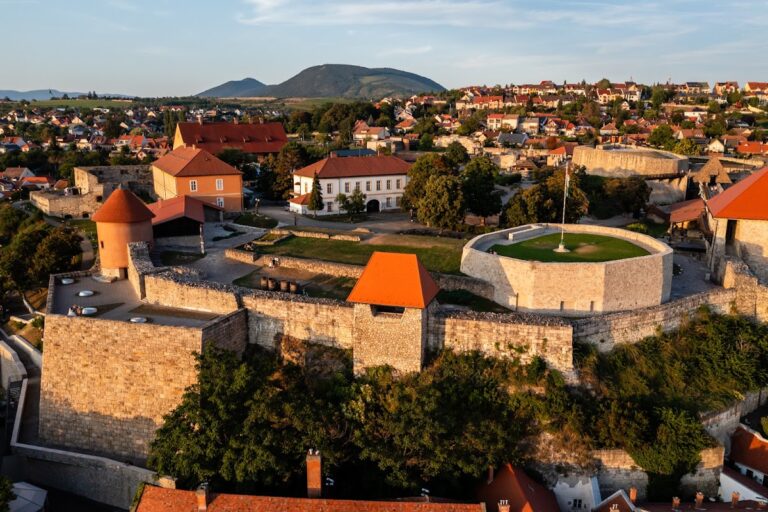
Castle of Sirok forms an irregular stone stronghold built on rhyolite-dacite tuff rock. Its defenses occupy the summit and slopes of Várhegy, with a lower castle and an upper castle connected by a steep rock-cut passage. Bastions, thick walls, underground corridors, storage features, and rock-cut defenses reflect successive changes from medieval fortification to artillery-era frontier stronghold.
Lower Castle Defenses
Bastions and Gate
The lower castle is the oldest part of the surviving complex and underwent many transformations. Italian-style bastions occupy its southwestern and northeastern corners, while gun loopholes pierce the enclosing walls. The walls beside the southern bastion measure approximately 2.20 to 2.50 metres thick. Those beside the northern bastion are approximately 3.30 to 3.50 metres thick. The main entrance was set within the protection of a projection of the northern wall.
A double wolf pit, a defensive pit placed before a fortification entrance, was found in front of the gate. Its arrangement allows the original counterweighted drawbridge to be reconstructed, and the bridge has been rebuilt in working form. An inscription once stood above the gate. Flóris Rómer recorded it before it was lost, and its text commemorated Christopher Országh’s building work at the castle.
Stable and Timber Buildings
Part of a stable survives inside the lower castle. The building was cut partly into the rock and partly made of masonry. The northern area also contained, or may have contained, timber-frame buildings. The positions of their supporting posts remain visible, preserving evidence of structures that once stood against or near the stone defenses.
Storage and Water Supply
Immediately behind the entrance lies a grain-storage pit. Its upper opening was used to pour in grain, while a side door provided access, and both openings remain recognizable. A drinking-water well or cistern, a structure for collecting or storing water, is also visible. Excavation has not reached its bottom, so the source of its water remains unknown.
A local legend says that a passage once led from the wall to an escape route outside the castle. The proposed route has not been verified.
Passage to the Upper Castle
Rock-Cut Approach
A steep foot passage cut into the rock rises from the lower castle to the upper castle, approximately 12 to 13 metres higher. It is about 10 metres long and 2 metres wide. A large cavity beneath the steps was probably made for keeping animals.
Cellar Tunnel
Near the upper end, the approach divides into three branches. The central branch leads directly into the western part of the upper castle, while the two outer branches form a tunnel beneath it. This tunnel probably functioned as a wine cellar. Barrels and other stored produce could be moved through a vertical shaft.
An unexplored sloping passage at the eastern end of the cellar descends into the rock foundation. Popular belief connects it with Eger Castle, but that connection has not been established. The eastern approach to the cellar ends at the building known as the Pleasure Palace.
Upper Castle Fortifications
Bastions and Pleasure Palace
The upper castle occupies a rectangular area whose corners were protected by bastions measuring 18 by 18 metres. The bastions probably rose several storeys and contained gun loopholes. The Pleasure Palace stands on the southeastern side of the upper castle and forms the endpoint of the eastern cellar approach.
The upper-castle walls average approximately 1.5 metres in thickness. On the southern side facing the village, a steep rock face 25 to 30 metres high provided additional protection. The northeastern side was defended by an outer earthwork and a rock-cut ditch approximately 4 metres deep and 4 to 5 metres wide, together with a passage lined by a wall.
Casemate Tunnels
A complex of casemate tunnels lies beneath the northern walls. Casemates are fortified passages or chambers used for movement, storage, accommodation, or defense. At Sirok, the passages run irregularly through the northern rock face and contain windows, chimney shafts, and sockets for doors and partition walls. A drawing of an armoured warrior is visible on the wall at the foot of the descent.
Landscape Features
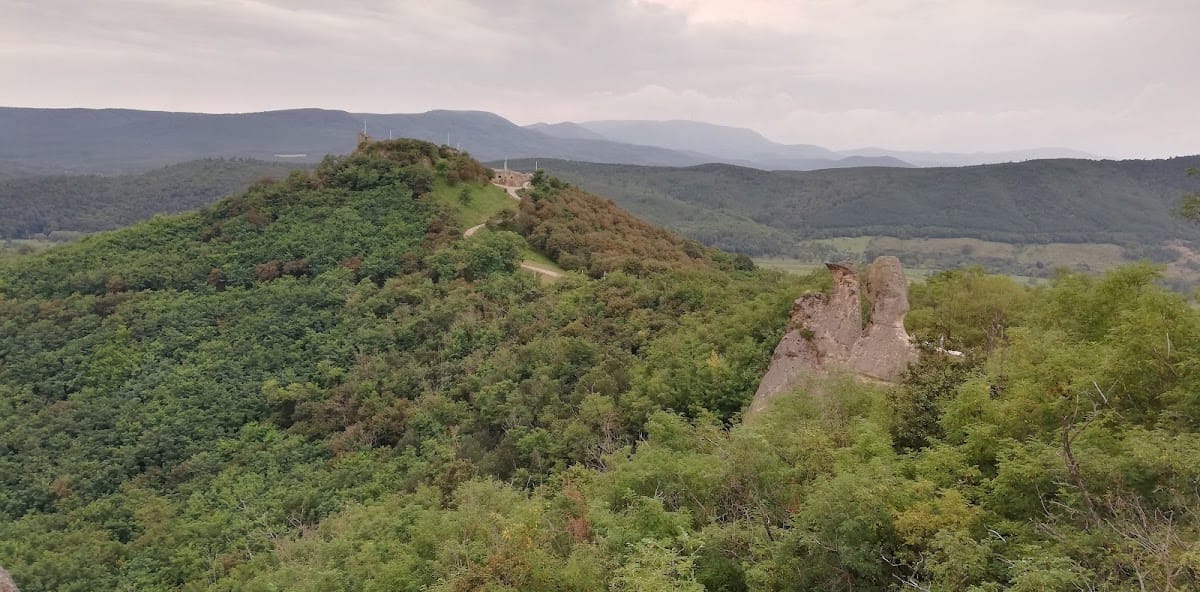
Two unusual rock formations known as the Friar and the Nun lie approximately 400 metres from the entrance. They are associated natural features of the castle landscape and form part of the rocky setting surrounding the fortified peak.