Ankara Castle: A Late-Antique and Medieval Fortress in Turkey
Site at a Glance
- Rating
- 4.4
- Popularity
- Very High
- Country
- Turkey
- Primary era
- Medieval
- Eras represented
- Medieval, Modern
- Civilizations
- Byzantine, Ilkhanate, Ottoman, Seljuk
- Site type
- Military
- Remains
- Citadel
On this page15 sections
History
Ankara Castle is a late-antique and early-medieval fortress in Turkey, occupying the historic Kale district of Ankara. Its earliest defenses are uncertain, with possible Hittite origins and a traditional Phrygian foundation dating to the eighth century BC. The present citadel belongs principally to the seventh century, when Byzantine authorities rebuilt the fortress after the Persian capture and destruction of Ankara, probably around AD 622.
Early Fortifications and Roman Ankara
The region was occupied by the Hittites during the second millennium BC, and the earliest fortifications at Ankara have sometimes been associated with them, although no surviving Hittite defensive remains are identified. A Phrygian foundation is traditionally placed in the eighth century BC. In antiquity, Ankara possessed a Galatian fortress. The Galatians were Celtic groups who settled in central Anatolia and established a polity centered on Ankara. They rebuilt or re-established the fortress in 278 BC, and by the early second century BC the settlement had spread beyond its original defensive area.
Roman authorities later rebuilt or repaired the fortress. Emperor Caracalla ordered repairs to its walls in AD 217. After the Roman defeat by Persian forces under Emperor Alexander Severus, in an episode dated between AD 222 and 260, the fortress was severely damaged or almost destroyed.
Byzantine Reconstruction and Conflict
The principal surviving defensive systems were constructed during the seventh century, although their exact dates remain uncertain. They probably followed the Persian capture and destruction of Ankara around AD 622. The Byzantine Empire, the eastern Roman Empire, repaired and enlarged the defenses during the later seventh and eighth centuries. The inner walls may belong to the reign of Emperor Constans II, around AD 668. Emperor Leo III repaired the walls in AD 740 and strengthened the inner castle, while Emperor Nikephoros I undertook repairs in AD 805 and Emperor Basil I carried out further work in AD 869.
Arab forces captured Ankara and its citadel repeatedly during the seventh century and afterward. One such conquest was led by Harun al-Rashid, an Abbasid caliph, in 797. Despite these attacks, the fortress remained under Byzantine control for much of the period and served as an important transport junction and administrative center. Paulician forces, followers of a Christian movement regarded as heretical by Byzantine authorities, held Ankara briefly in 871.
Seljuk and Ottoman Rule
The Seljuk dynasty, a Turkish ruling house that controlled much of central Anatolia before the Ottoman rise, captured Ankara Castle in 1073. Crusaders led by Raymond of Toulouse expelled the Seljuks in 1101, but the city returned to Seljuk control several years after the Crusaders departed. Byzantium briefly recovered Ankara in 1118, though later defeats brought a final Byzantine withdrawal.
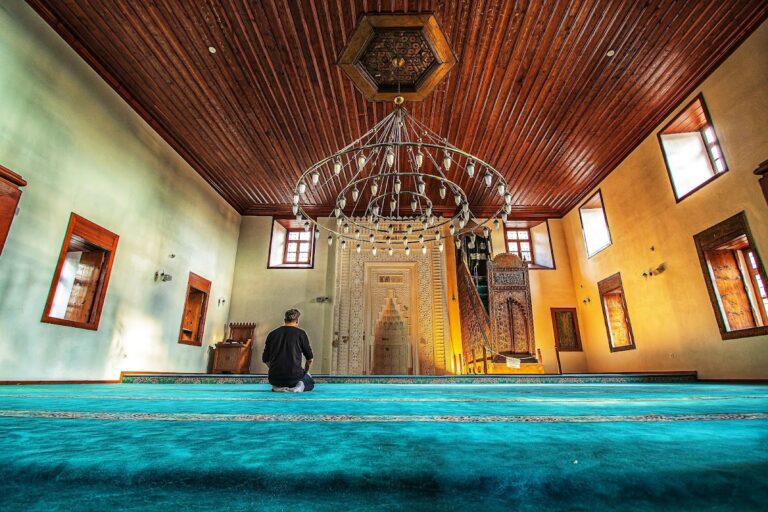
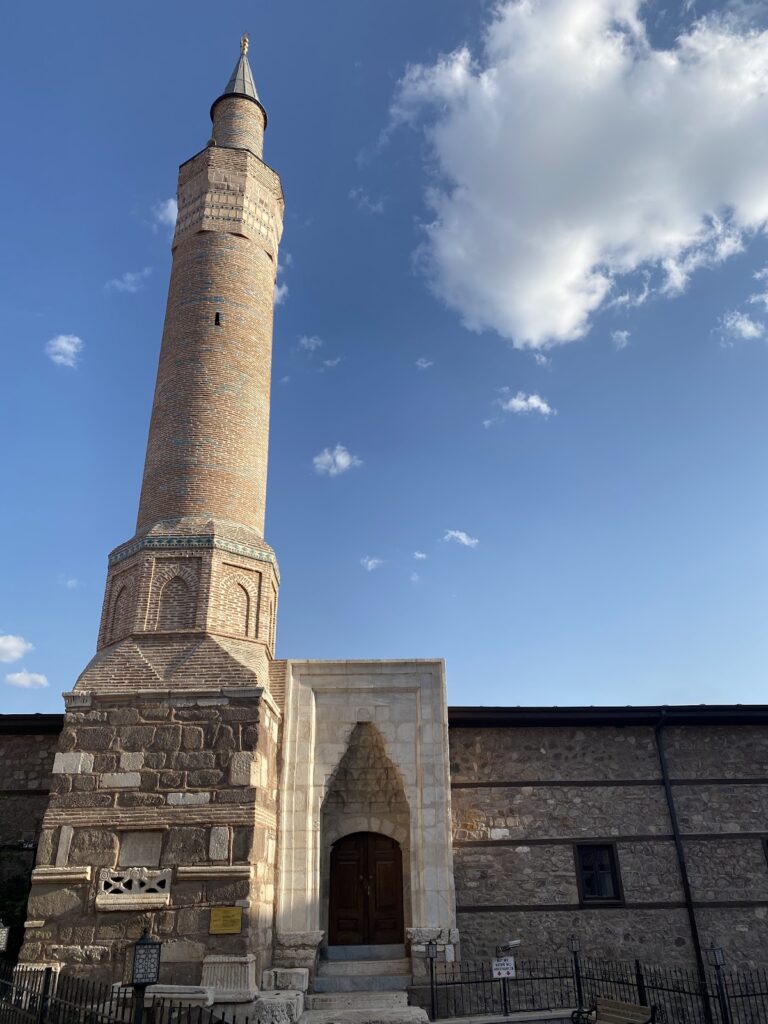
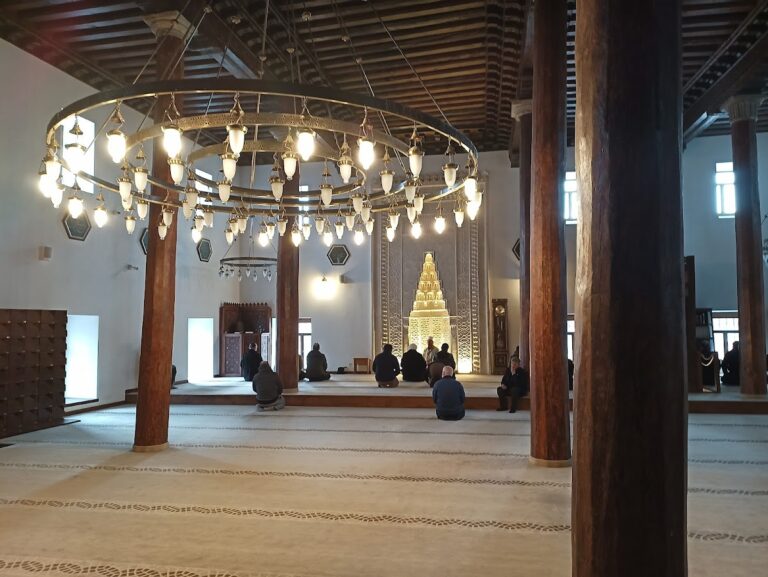
During the Seljuk transformation of a previously predominantly Orthodox Christian city into an Islamic urban center, Sultan Alaeddin built a mosque at the entrance to the inner citadel in 1197. The Seljuks regained the fortress in 1227. Alaeddin Keykubad then repaired it, and Izzeddin Keykavus II added new elements in 1249.
The Ottoman Empire took Ankara from the Seljuks in 1356. Timur, the Central Asian conqueror and founder of the Timurid Empire, captured the city in 1402, but Ottoman control was restored the following year. An earthquake damaged Ankara and the citadel in 1688. In 1832, Kavalalı Ibrahim Pasha, an Egyptian-Ottoman military and political leader, directed repairs that expanded the outer walls.
From the Republic to the Present
Allied forces occupied Ankara in 1919 after the First World War. The newly established Turkish Republic replaced them in 1920. With support from Kemal Atatürk, founder and first president of the Republic of Turkey, the Eti Museum was established in 1921 and operated in the castle’s highest tower until 1948. It is described as Turkey’s first museum. The citadel is now used as a tourist attraction and a venue for festivals, while repeated repairs and restorations reflect its long Roman, Byzantine, Seljuk, and Ottoman history.
Remains
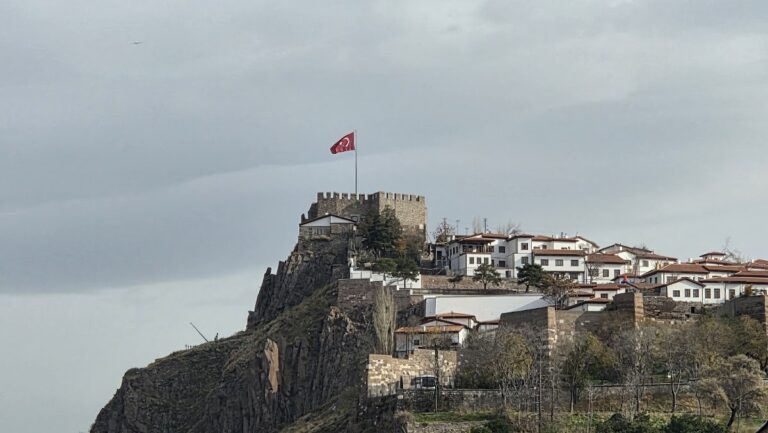
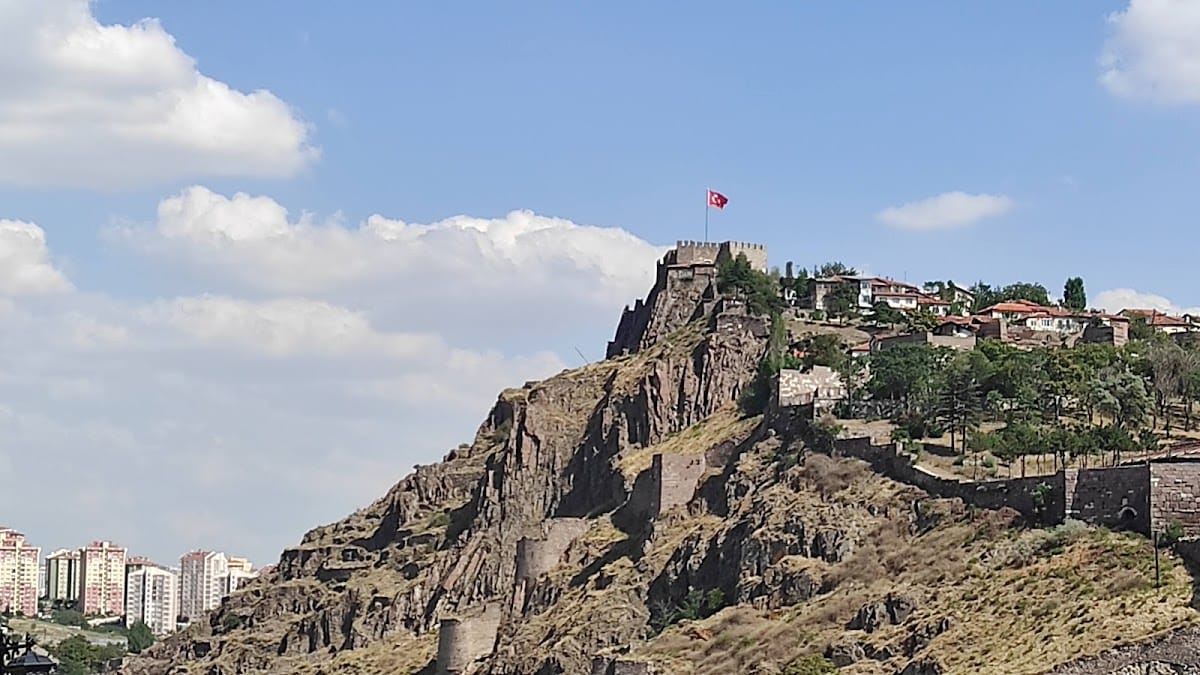
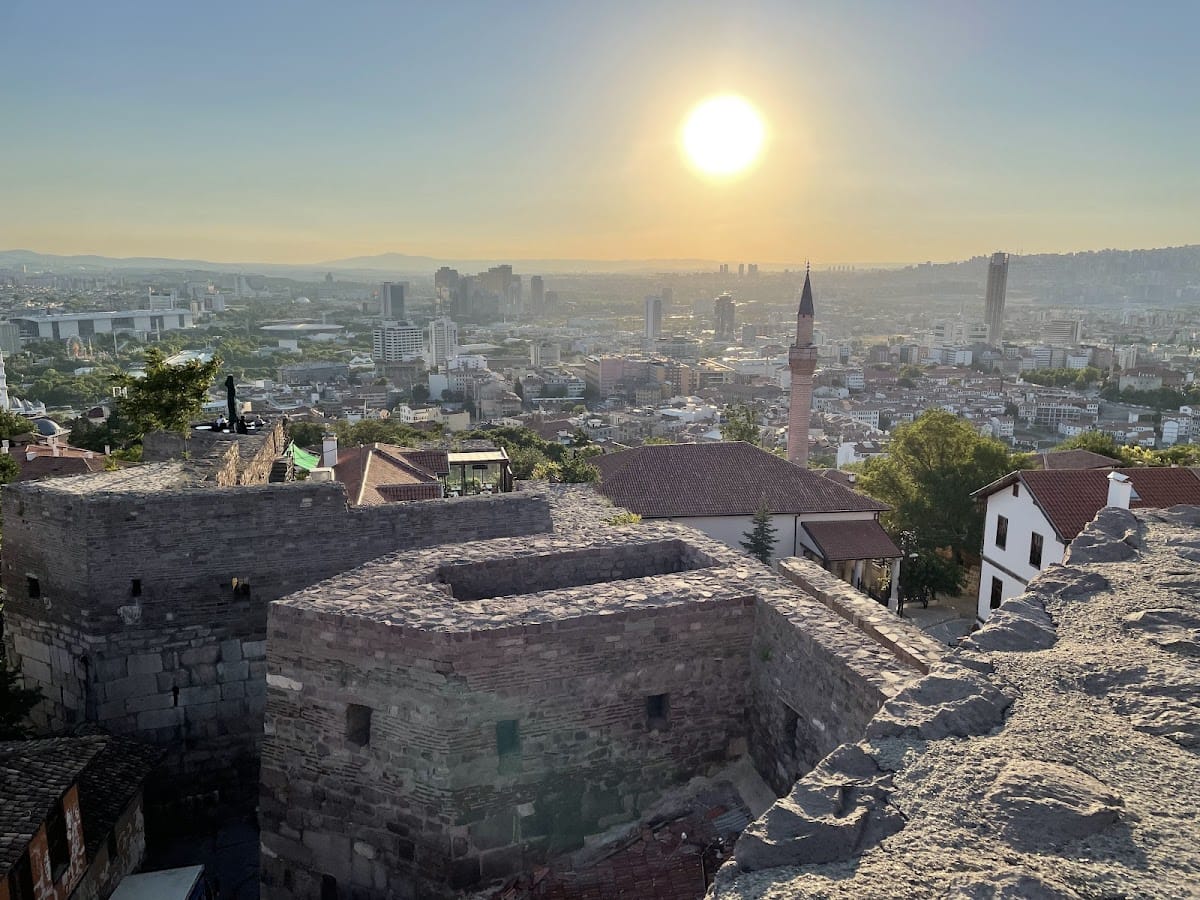
Ankara Castle consists of two principal defensive lines on a hill, with an inner citadel surrounded by closely spaced towers and an outer line that enclosed the old city. The inner and outer castles meet in the eastern sector known as Doğukalesi and on the western slope overlooking the Hatip stream. The fortress rises approximately 100 to 110 meters above its base, and its walls incorporate large quantities of reused stone and architectural material.
Outer and Inner Defenses
Outer Castle
The outer walls extend approximately 350 meters from north to south and 180 meters from east to west. Their towers stand about 40 meters apart, and the outer defenses contain approximately 20 towers. This line enclosed the old city of Ankara, joining the inner fortress at the eastern and western sectors of the hill.
Inner Castle Walls
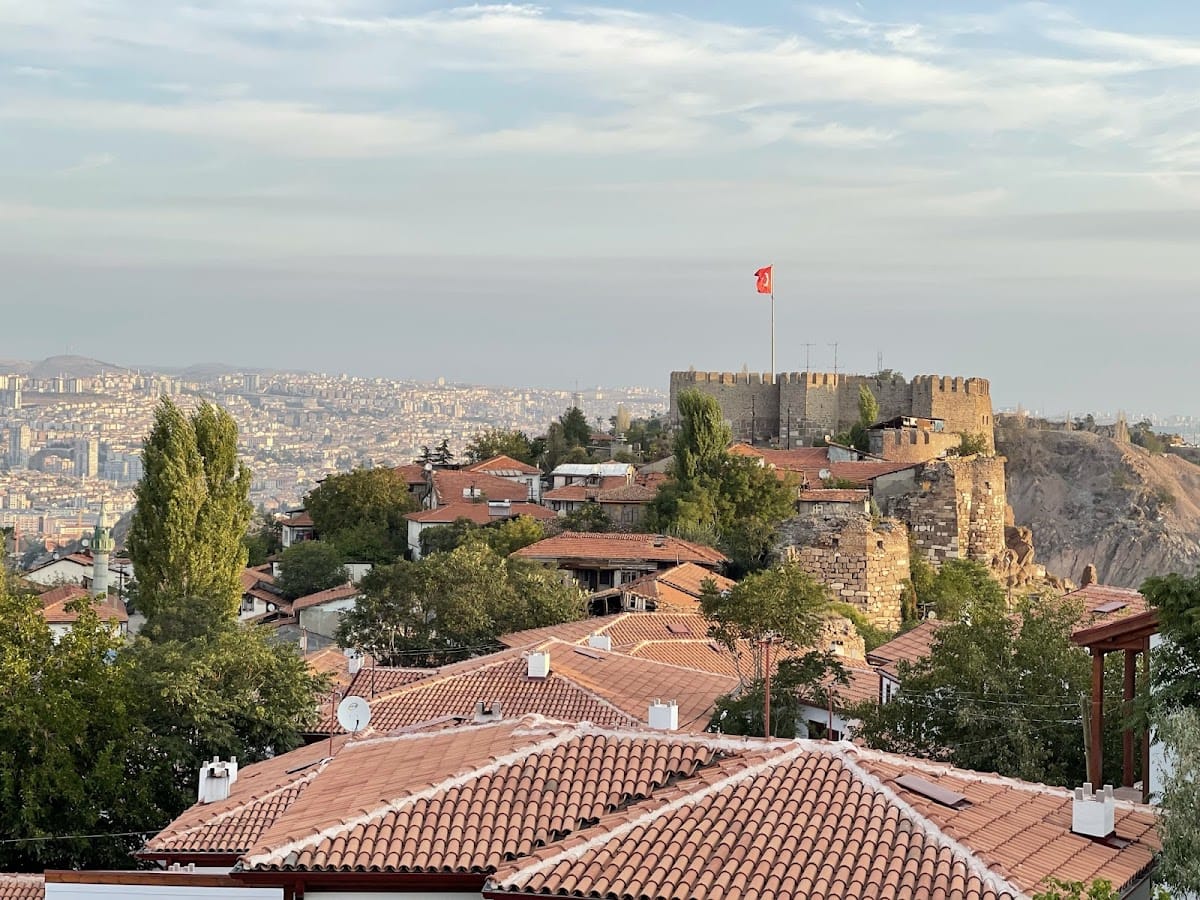
The inner castle surrounds an area of approximately 350 by 150 meters and covers about 43,000 square meters. It contains 42 towers, including five corner towers. Most are pentagonal, and 42 pentagonal towers are positioned at intervals of roughly 15 to 20 meters along the eastern, western, and southern walls. The southern and western walls meet at a right angle, while the eastern wall follows the irregular contours of the hill. Walls on the northern slope were built using different techniques.
The defenses preserve evidence of repeated rebuilding. Marble blocks from ruined Roman monuments, column capitals, and marble channels from watercourses were incorporated into the walls, particularly during the eighth and ninth centuries, when invasions required rapid repairs. Sculptures, sarcophagi, and additional column capitals found in the castle indicate that building material was gathered or reused from the surrounding area.
Inner Citadel
Akkale and the Citadel Structure
Akkale, also called Alitaşı, occupies the southeastern corner of the inner castle and forms its highest point. The inner castle is a four-storey structure built from Ankara stone together with collected and reused stones. Its lower wall sections contain marble and basalt, while higher sections use brick between stone blocks. Much of the upper brickwork has been damaged, although the inner castle survives substantially intact.
Gates and Inscriptions
The inner castle has two large entrances, an outer gate and a citadel gate. One gate carries an inscription associated with the Ilkhanate, a Mongol-ruled state that governed parts of the Middle East and Anatolia during the medieval period. Another inscription in the northwestern section records Seljuk construction or intervention.
Streets, Houses, and Museum Tower
Residential Area and Bazaars
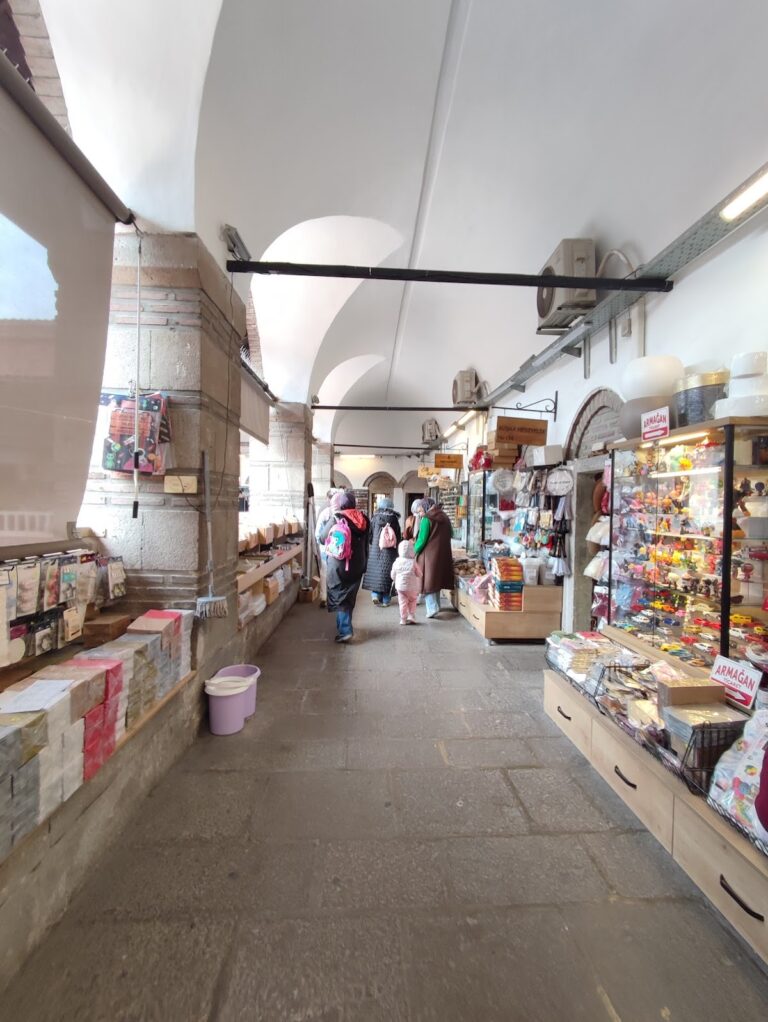
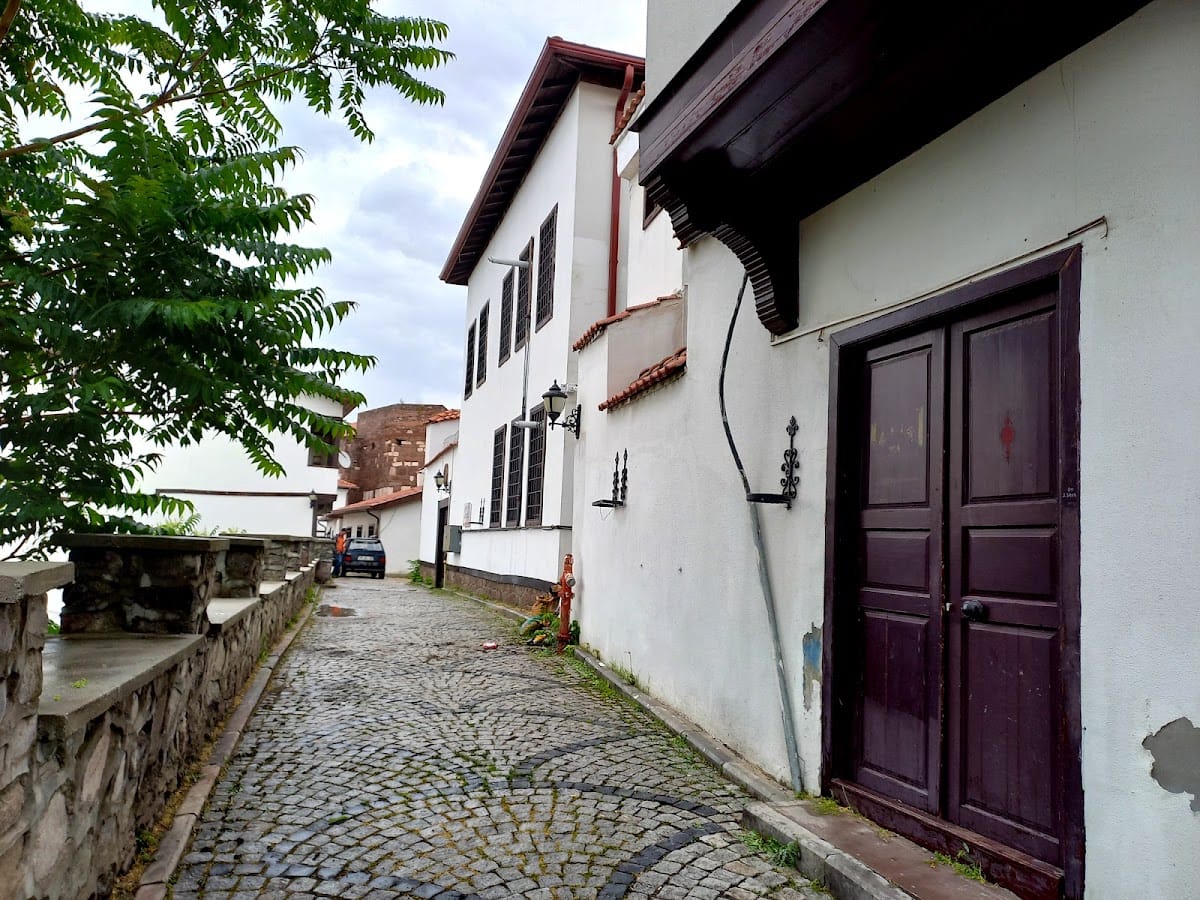
Within the inner castle are quiet streets, approximately 600 residences, and small market squares or bazaars. These include Atpazarı, Samanpazarı, and Koyunpazarı. The houses are generally two or three storeys high and are built from wood, mudbrick, and brick, forming a settled urban area within the defensive walls.
Highest Tower
The castle’s highest tower housed the Eti Museum from 1921 to 1948. Its use as a museum connected the fortress’s historic fabric with the early cultural institutions of the Turkish Republic.