Church of St. Mary Magdalene, Hucknall: A Church of England Parish Church
Site at a Glance
- Rating
- 4.5
- Popularity
- Medium
- Country
- United Kingdom
- Primary era
- Medieval
- Eras represented
- Medieval, Modern
- Civilizations
- British, English
- Site type
- Religious
- Remains
- Church
On this page12 sections
History
The Church of St. Mary Magdalene, Hucknall, is a Church of England parish church in Hucknall, United Kingdom. Dedicated to Mary Magdalene, a New Testament figure associated with Jesus, it follows a Broad Church tradition that allows a wide range of Anglican theological views. The church belongs to the Diocese of Southwell and Nottingham, a regional church administration, within the Province of York, a larger ecclesiastical division. It is part of a group of parishes that also includes St John the Evangelist at Butler’s Hill and St Peter and St Paul at Westville.
Medieval church and Victorian enlargement
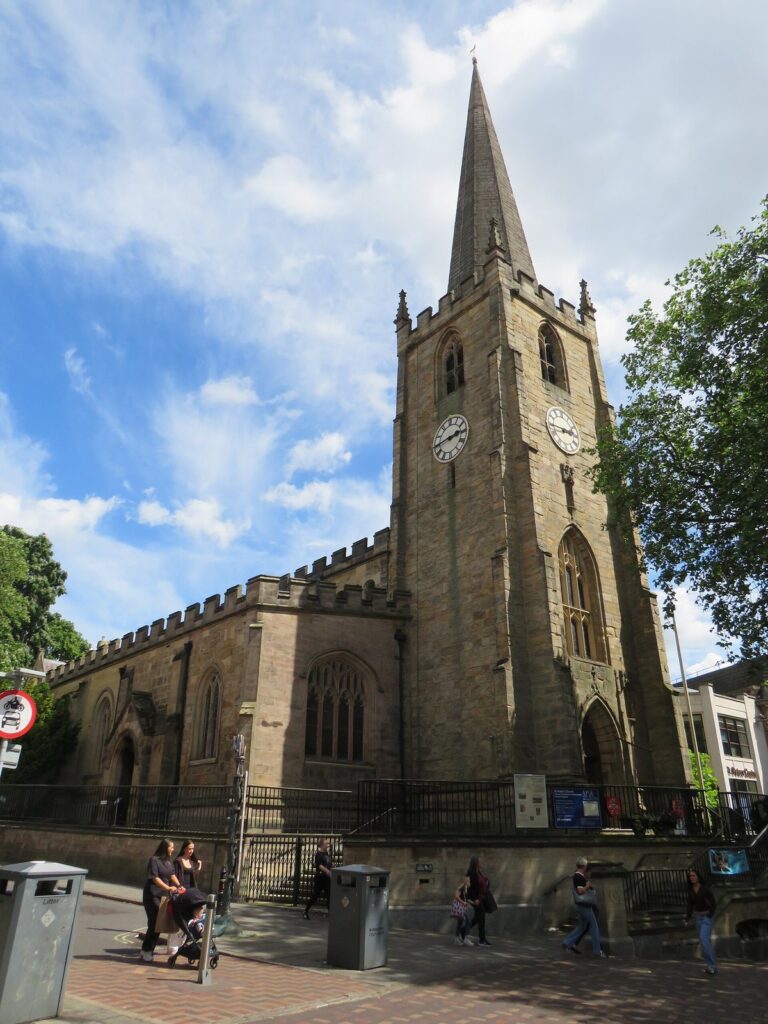
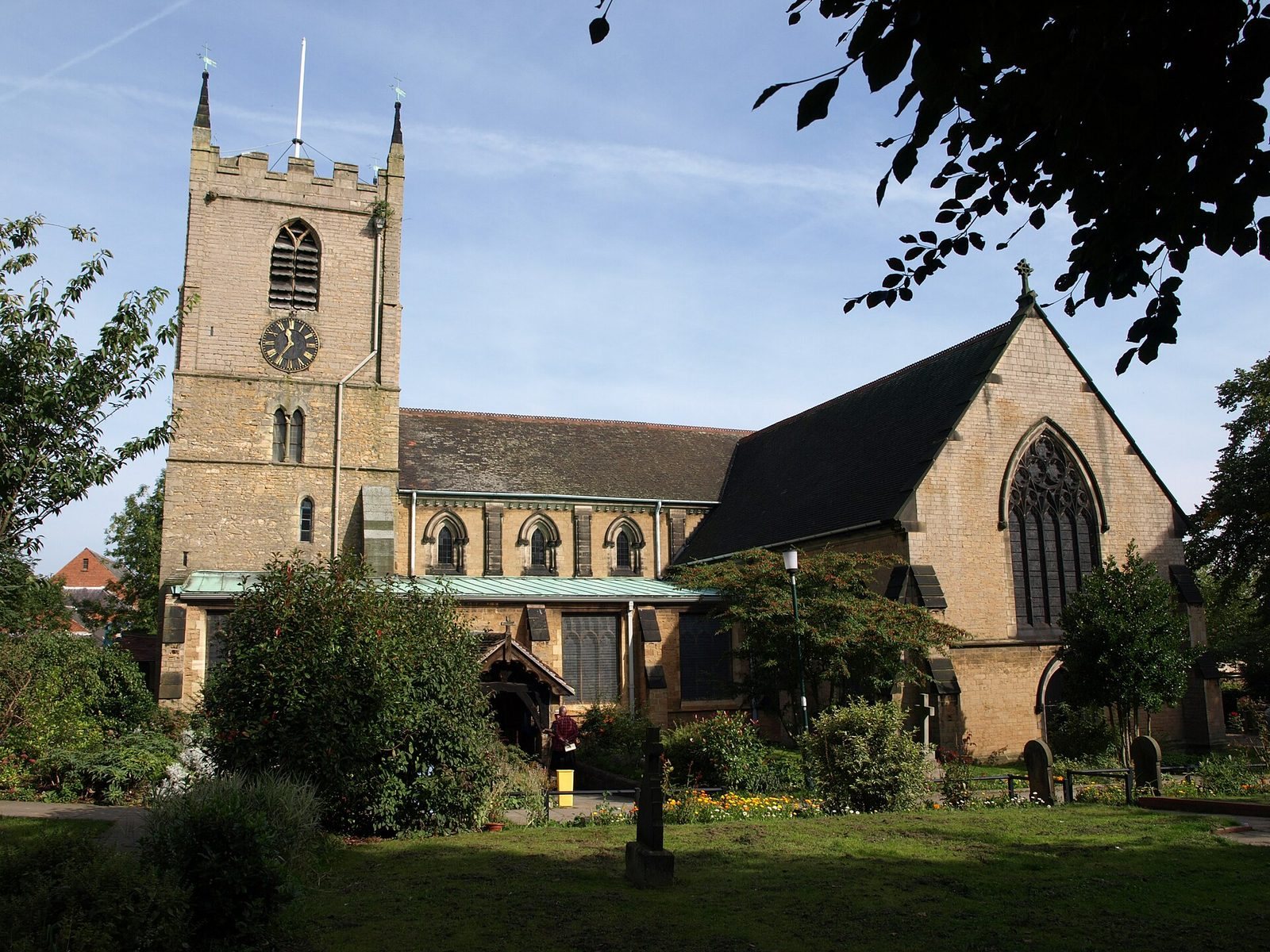
The church stands on the site of an earlier Saxon church, from England’s early medieval period before the Norman Conquest of 1066. Its tower was built in stages between the 12th and 14th centuries. The medieval church was substantially enlarged during the Victorian period, the reign of Queen Victoria from 1837 to 1901. Restoration began in 1872, and a south aisle was added between 1872 and 1874. Transepts followed in 1887 and 1888, and the Lady Chapel was rebuilt in 1888.
The church is listed Grade II*, an English category for buildings of more than special interest.
Burials and later changes
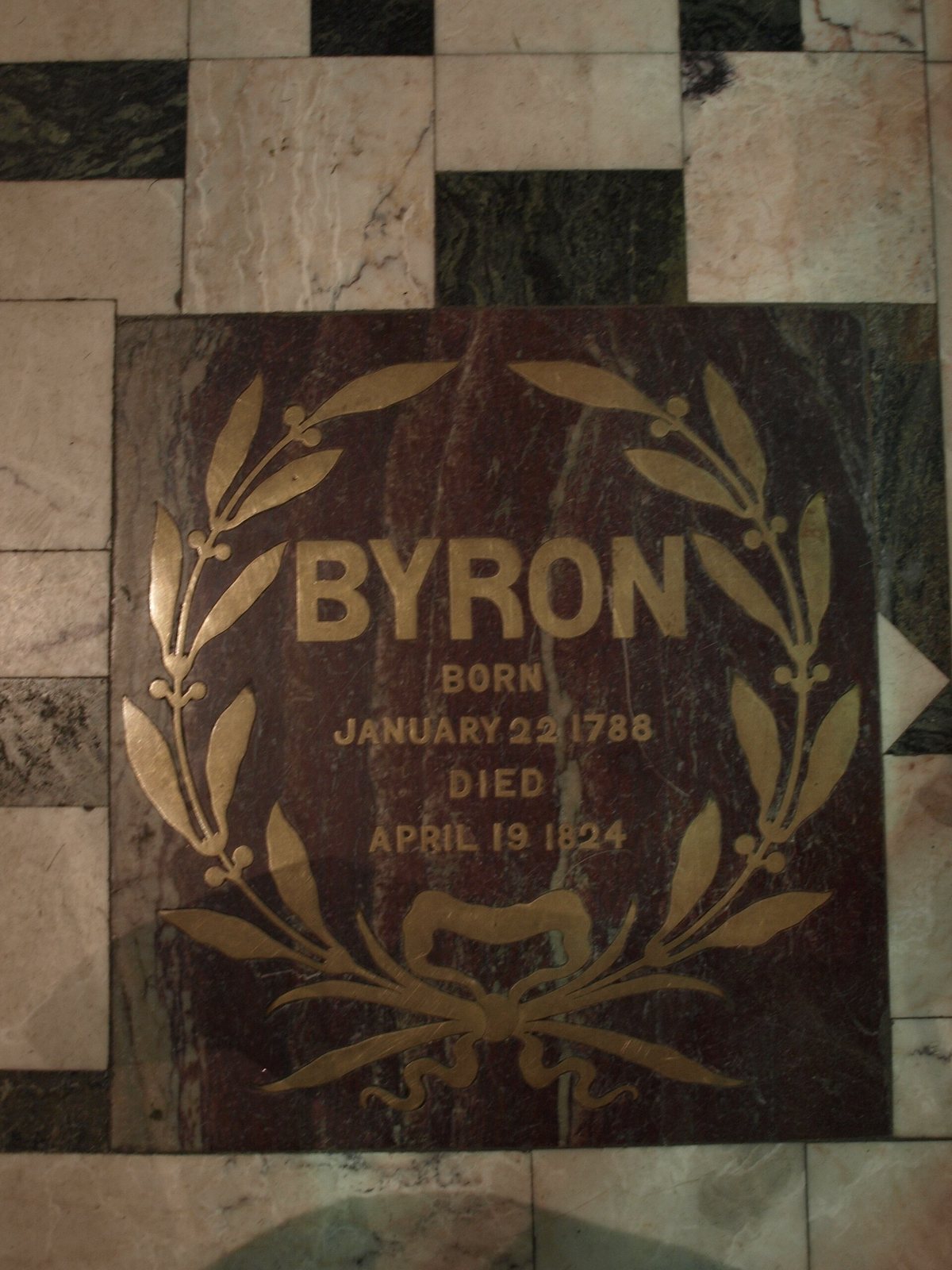
Hucknall church became the traditional burial place of the Byron family, which maintained a family vault there. Most of the Lords Byron are buried at the church, including the Romantic-era poet Lord Byron. His daughter Ada, Countess of Lovelace, a 19th-century mathematician associated with early ideas about computing, is also buried there. Other notable burials in or near the church include boxer Ben Caunt (1815–1861) and philanthropist Zechariah Green (1817–1897).
A pipe organ installed in 1976 was later sold to Sedbergh School for its chapel. An electronic organ took its place in 1992.
Remains
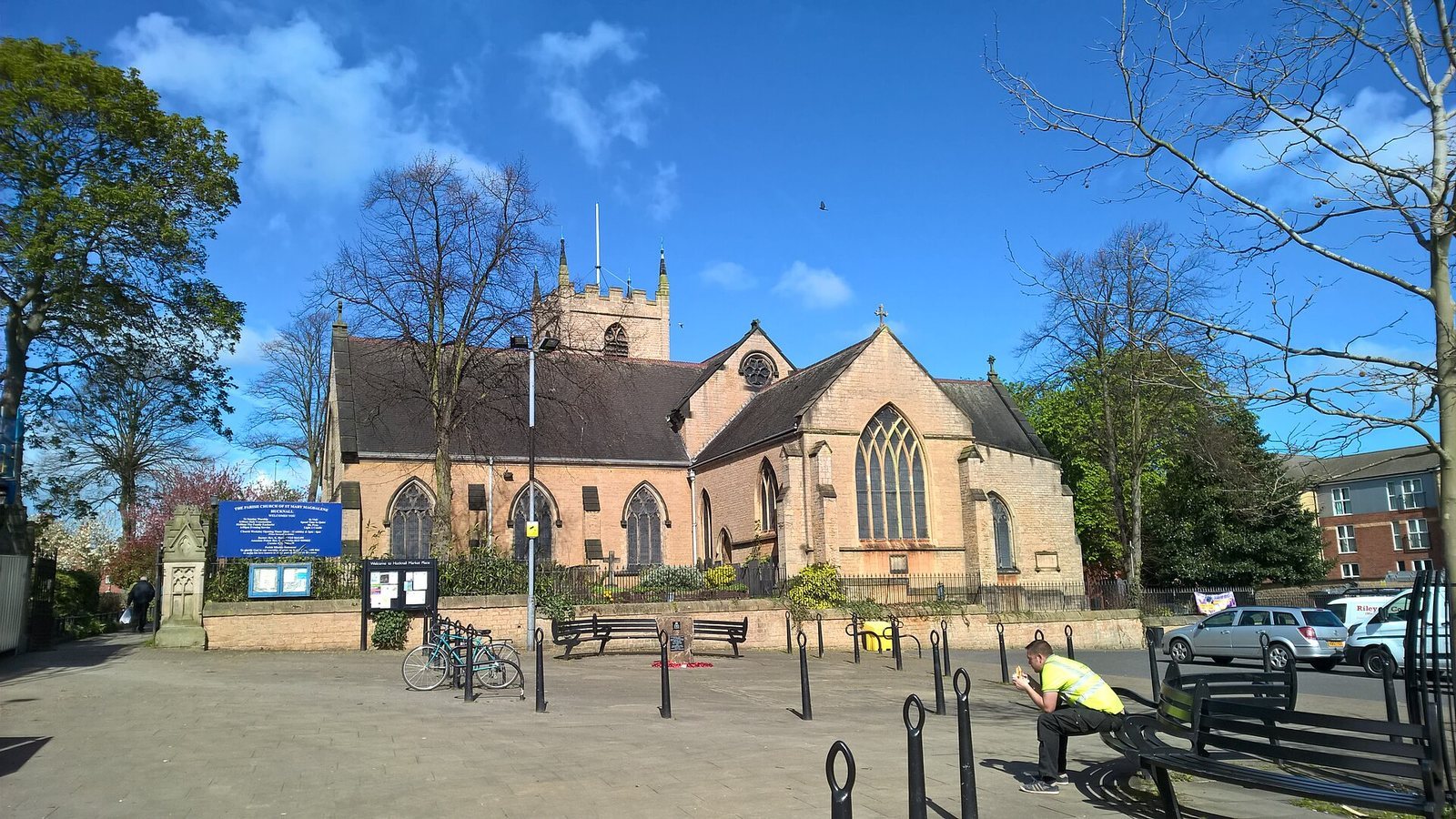
The church stands in a churchyard overlooking Hucknall’s marketplace, with its tower rising above the town. Its present form combines a medieval core with later additions, and its layout preserves the successive expansion of the building.
Church plan and additions
The medieval church comprised a chancel, the area around the altar, a nave, the main body of the church, a north aisle, a side passage alongside the nave, and the tower. Later additions include a south aisle, transepts, which form crosswise sections, and the Lady Chapel, dedicated to the Virgin Mary. The south porch dates to 1320, while the tower’s upper stage belongs to the 14th century.
Tower, clock and bells
Tower clock
A clock was installed in 1685 by Richard Roe. A later clock, made by G. & F. Cope of Nottingham and presented by William Cavendish-Bentinck, 6th Duke of Portland, began operating on 4 March 1884. It is mechanically driven and has a face on each of the tower’s four sides. Three weights operate its timekeeping, chimes and faces, and the mechanism needs winding weekly. Its chimes sound the fifth, sixth and seventh bells.
Bells
A ring of eight bells, weighing 12 hundredweight, was installed in 1958. The tower also holds a 14th-century Angelus bell, associated with a Christian prayer traditionally marked by ringing. The poet Lord Byron gave the bell to the church. Its weight is unknown, and ringers fear it could break if moved.
Interior features and memorials
Stained glass and painting
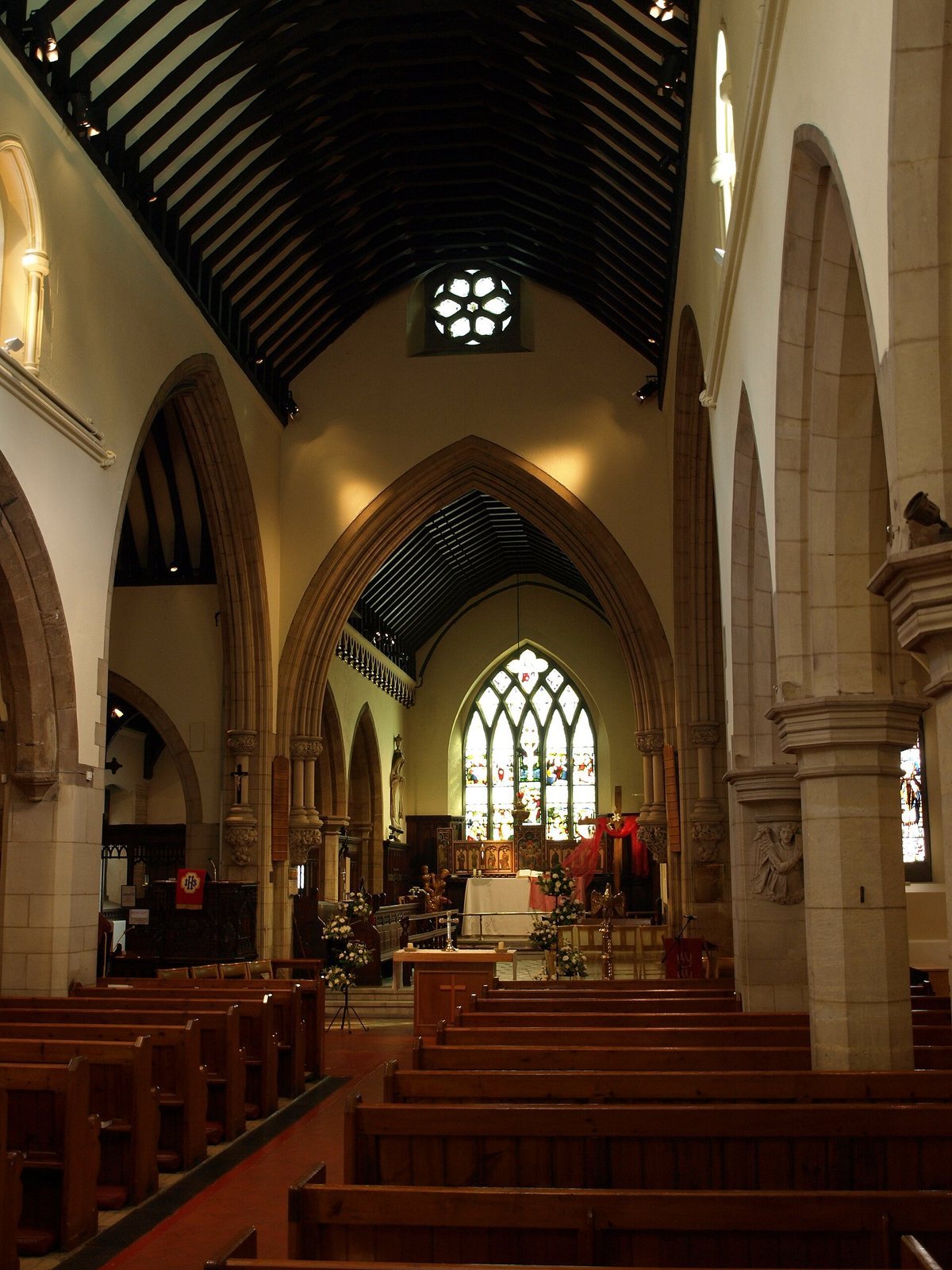
The church has 25 stained-glass windows by English designer Charles Eamer Kempe, most added during the 1880s. The collection is among the largest of Kempe’s stained-glass work. A painting by Irish-born artist Daniel Maclise, depicting Christ and the Woman Taken in Adultery, dates to 1869.
Baptistery and decorative work
The Victorian baptistery, a space associated with baptism, once housed a 14th-century font, a basin used for baptism. It has since been adapted as a room with display boards and wall panels about the church. Carvings and wall mosaics also feature in the building.
Memorials and carved cross-stone
The church contains the Byron family vault and a modest memorial to Lord Byron. In 2004 it received a carved Armenian cross-stone, or khachkar, a stone bearing a cross and decorative carving. The gift commemorated the rector’s work for Armenia and expressed gratitude for British contributions that enabled the rebuilding of Lord Byron School in Gyumri, destroyed in an earthquake in 1988. The stone had previously been at Holgate School. The original stone may have been damaged by football supporters who confused Armenia with Albania.