Felley Priory: An Augustinian House Dedicated to Saint Mary
Site at a Glance
- Popularity
- Medium
- Country
- United Kingdom
- Primary era
- Early Modern
- Eras represented
- Medieval, Early Modern
- Civilizations
- English
- Site type
- Domestic
- Remains
- Elite Residence
On this page9 sections
History
Foundation and independence
Felley Priory was an Augustinian house dedicated to Saint Mary, located in an unidentified part of the United Kingdom. Ralph Brito of Annesley founded it in 1156 on the site of a chapel served by a hermit, Brother Robert. The canons were members of a religious community following the Rule of Saint Augustine. A related hermitage dedicated to Saint Helen had been endowed by Brito in 1151 and placed under Worksop Priory.
Worksop Priory, the religious house overseeing Felley, retained control of the community from its foundation until 1260. Pope Alexander III confirmed the arrangement in a formal document in 1161. Felley became independent in 1260.
Endowments and dissolution
Ralph Brito and his son gave Felley the church there, while Ralph de Annesley contributed the church at Annesley. Other gifts included a mill at Bradley and land in Nottinghamshire from Serlo de Pleasley, lord of the manor of Ashover. Ivo de Heriz gave land at Ogston and Brackenfield; John and Sarah de Heriz gave land at Tibshelf; and Geoffrey de Langley gave land at Ashover. Further donations comprised Derbyshire land from Sir Geoffrey de Dethick, land at Whiteborough from Geoffrey Barry, and land and rents at Chesterfield from William Britton. The priory also acquired land at Newark, Colwick and Southwell. Popes Celestine III and Gregory IX issued later formal documents confirming its holdings.
The small community probably supported only five or six canons. Its annual income in 1534 was £61 4s. 8d.; two commissioners later assessed it at about £40, with debts nearly as large. Henry VIII dissolved the priory in 1536 as part of the closure of monasteries in England. The last prior, Christopher Bolton, received an annual pension of £6, which was cancelled after he became rector of Attenborough.
From priory estate to Millington family seat
In 1539 the former priory lands were granted to William Bolles. Mary I later sold them to Sir Anthony Strelley, whose family held Strelley near Nottingham. The property subsequently returned to the Crown, and James I leased it to Anthony Millington, who made it his family seat.
Anthony’s eldest son, Gilbert Millington, was probably born in the house on the former priory site. He sat in the Long Parliament, which met during the Civil War, and served as a Deputy Lieutenant, a senior county official who assisted the lord lieutenant. Royalists seized his estates during the conflict. Millington signed the warrant for Charles I’s execution in 1649. After the monarchy was restored, he was condemned to death with others involved in the king’s execution, but was spared. He remained captive on Jersey until his death, dated either 1666 or 1676.
Remains
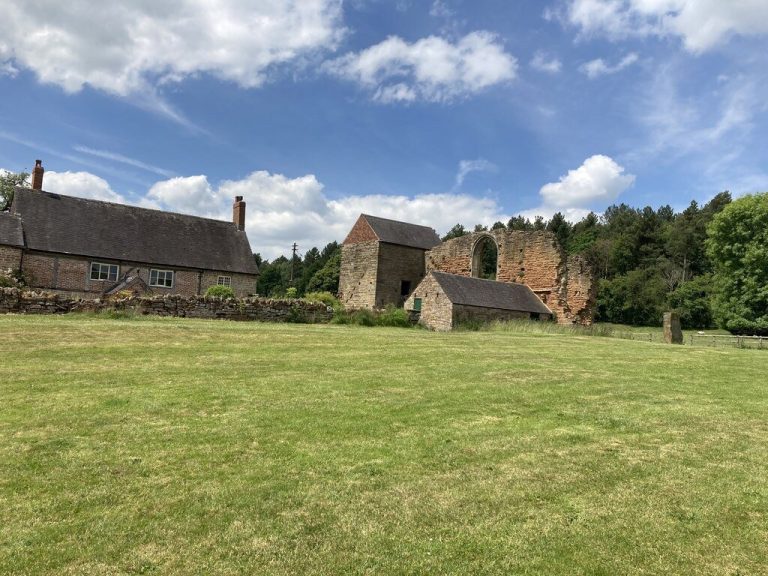
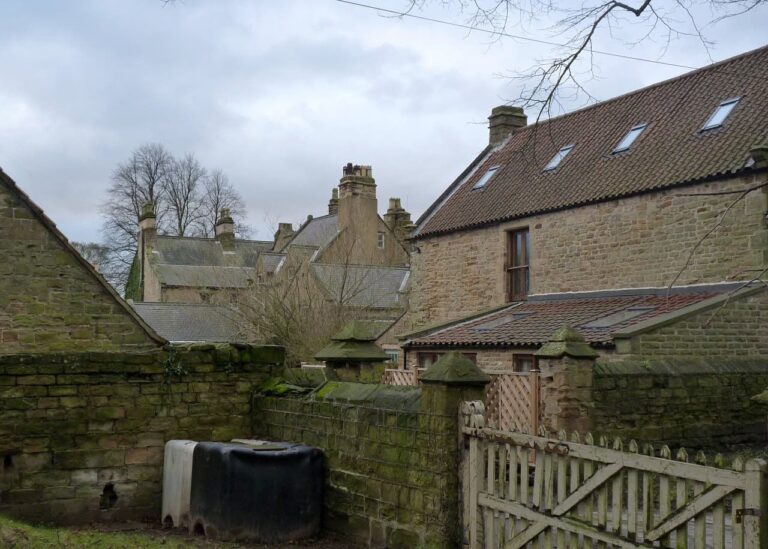
The surviving features include a later house on the former priory grounds, four reused columns, the precinct wall and fishponds. The priory church is thought to have been a simple building with a nave and chancel.
Buildings and reused masonry
The post-dissolution house
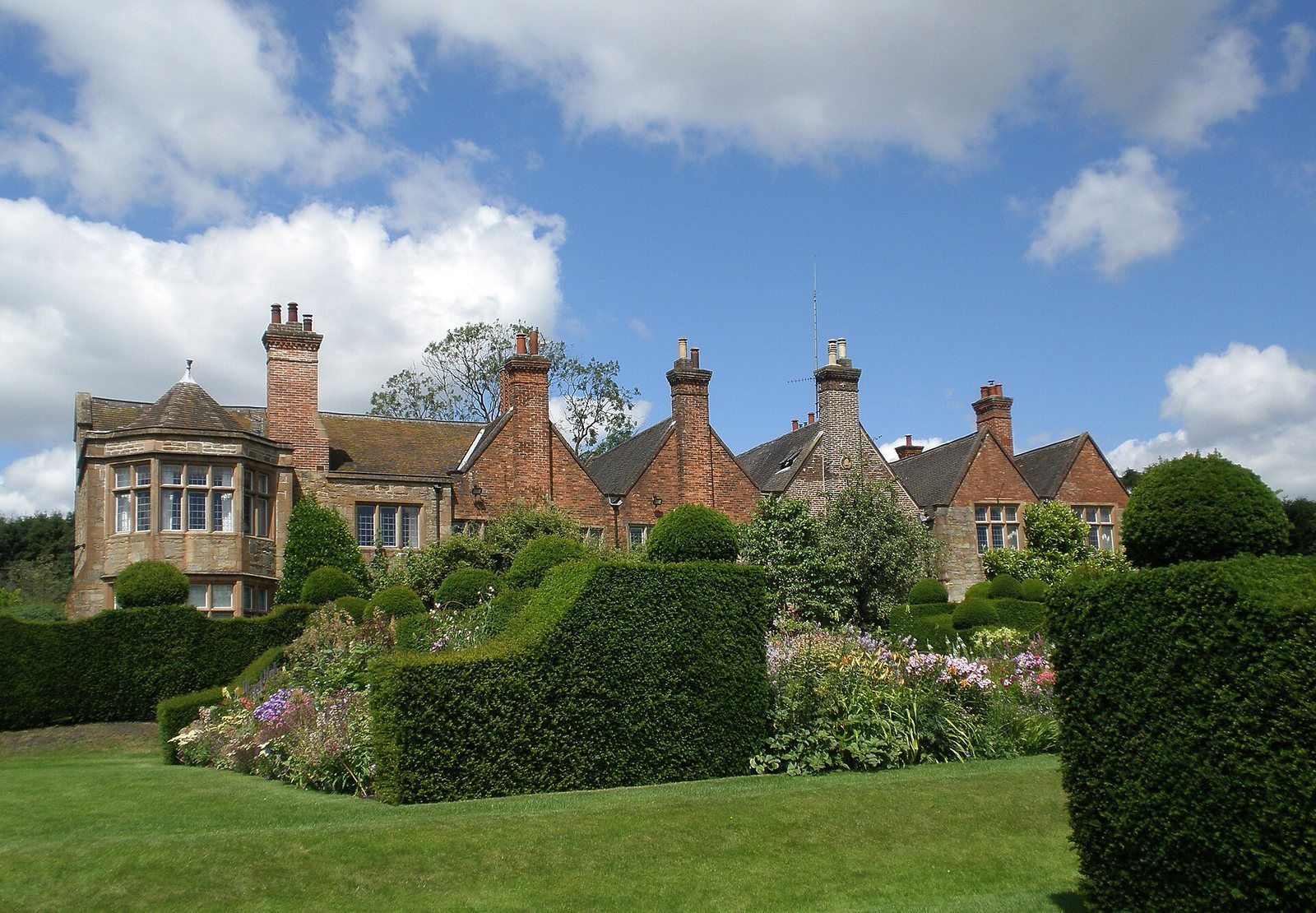
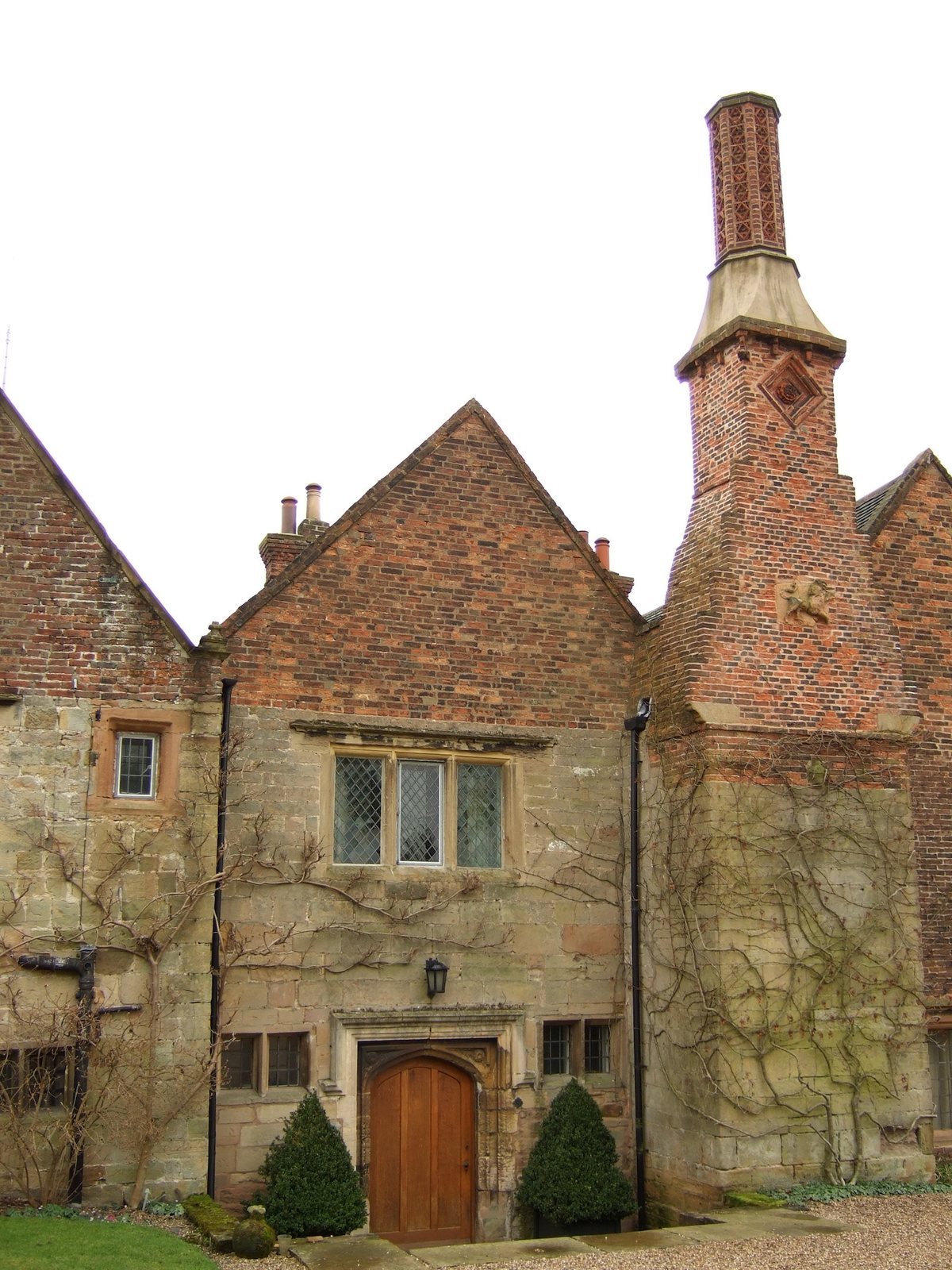
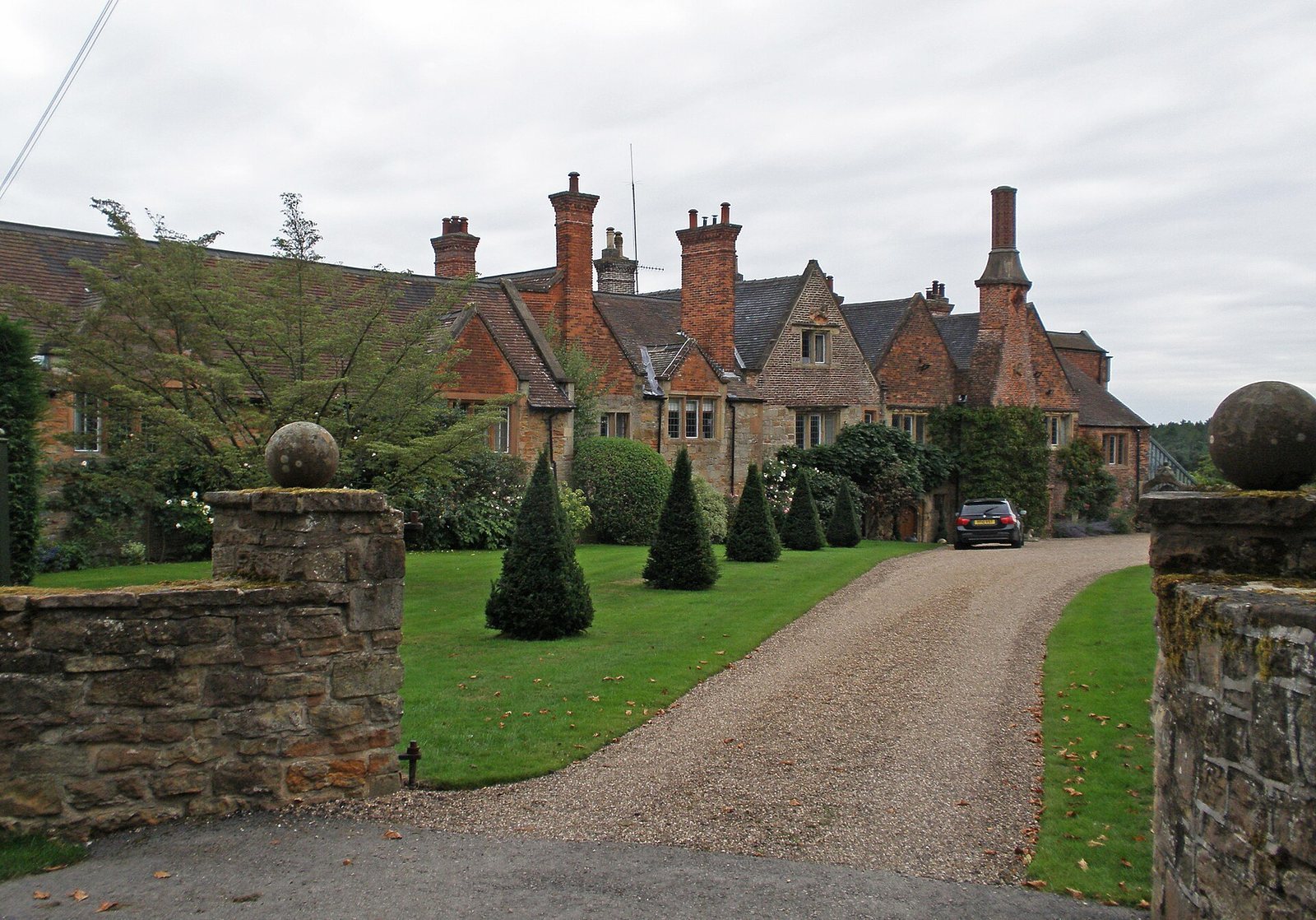
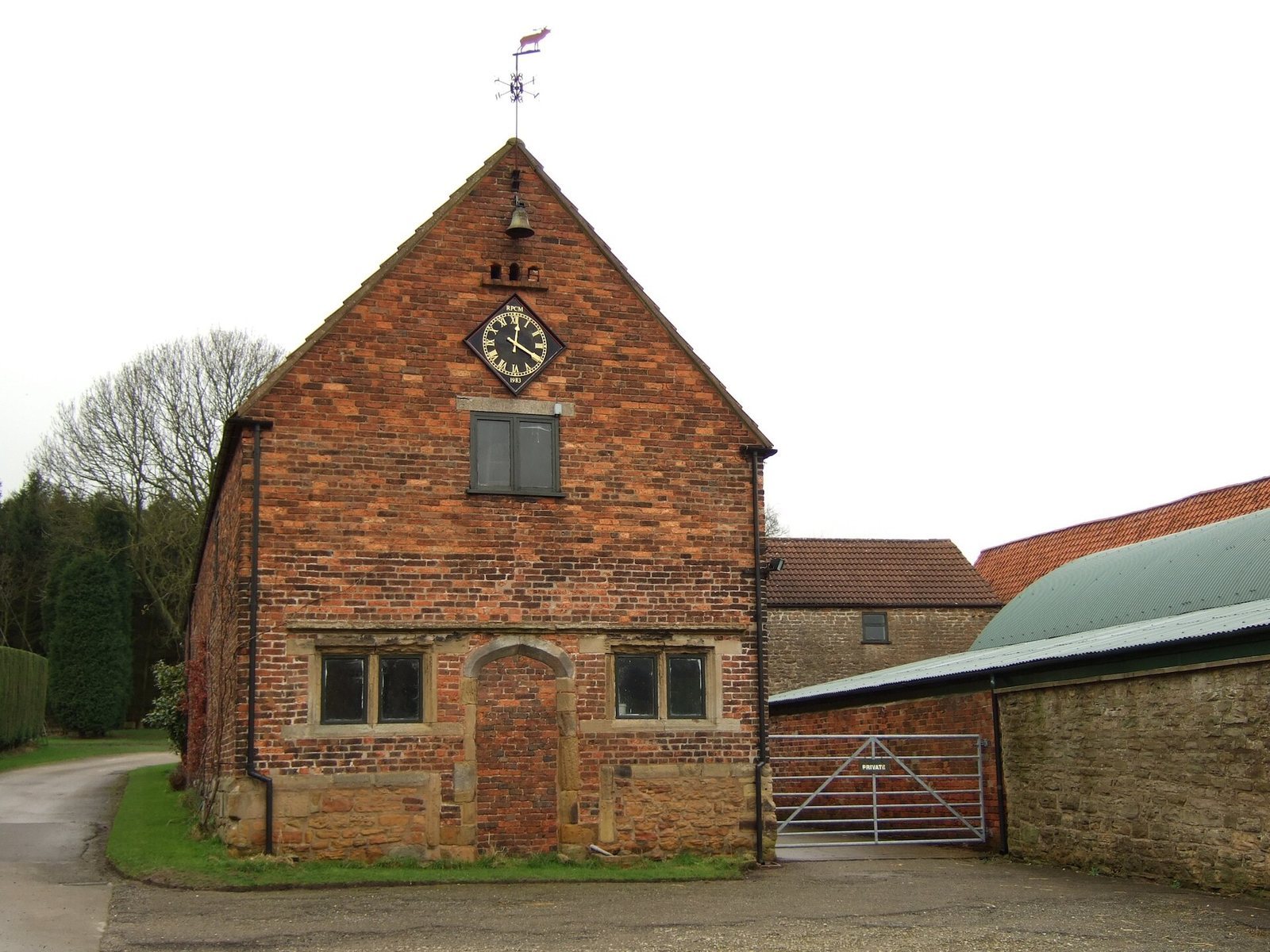
A house was built after the priory’s dissolution on the site of the western arm of the cloister. Described as a 16th-century house, its core is dated to the 15th and 16th centuries and is thought to include masonry from the priory. The building has been extended and remodelled since the 17th century.
Reused church columns
Four semicircular columns thought to have come from the priory church have been reused as gateposts for the house.
Precinct wall and fishponds
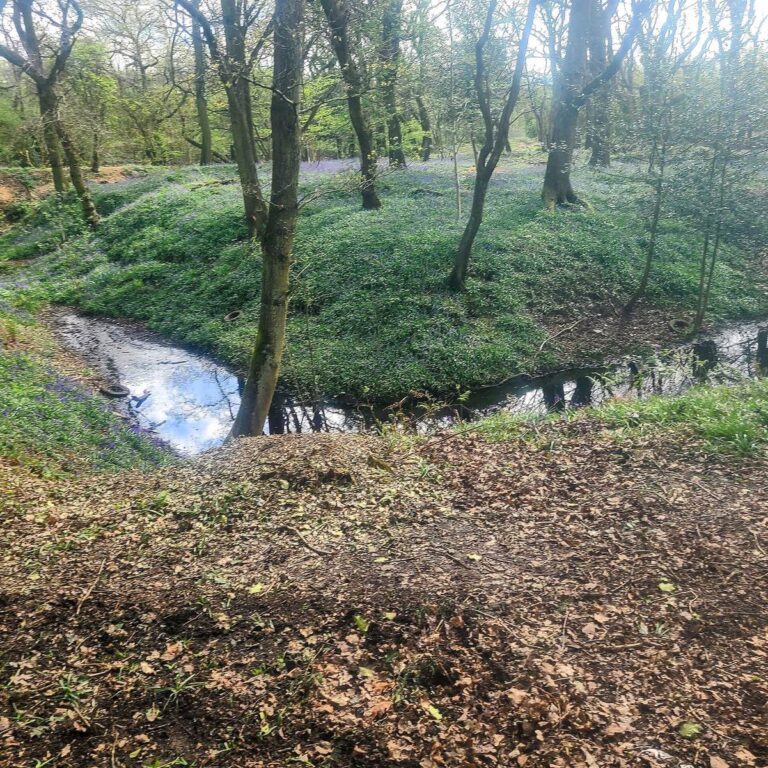
The priory precinct wall and fishponds also survive.