Church of St John the Baptist, Burford: A Medieval Parish Church
Site at a Glance
- Rating
- 4.7
- Popularity
- Medium
- Country
- United Kingdom
- Primary era
- Medieval
- Eras represented
- Medieval, Early Modern, Modern
- Civilizations
- British, English
- Site type
- Religious
- Remains
- Church
On this page8 sections
History
Medieval development
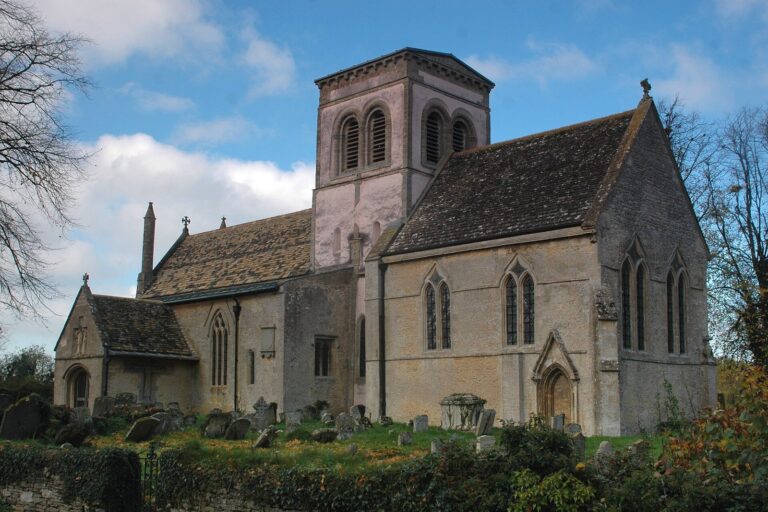
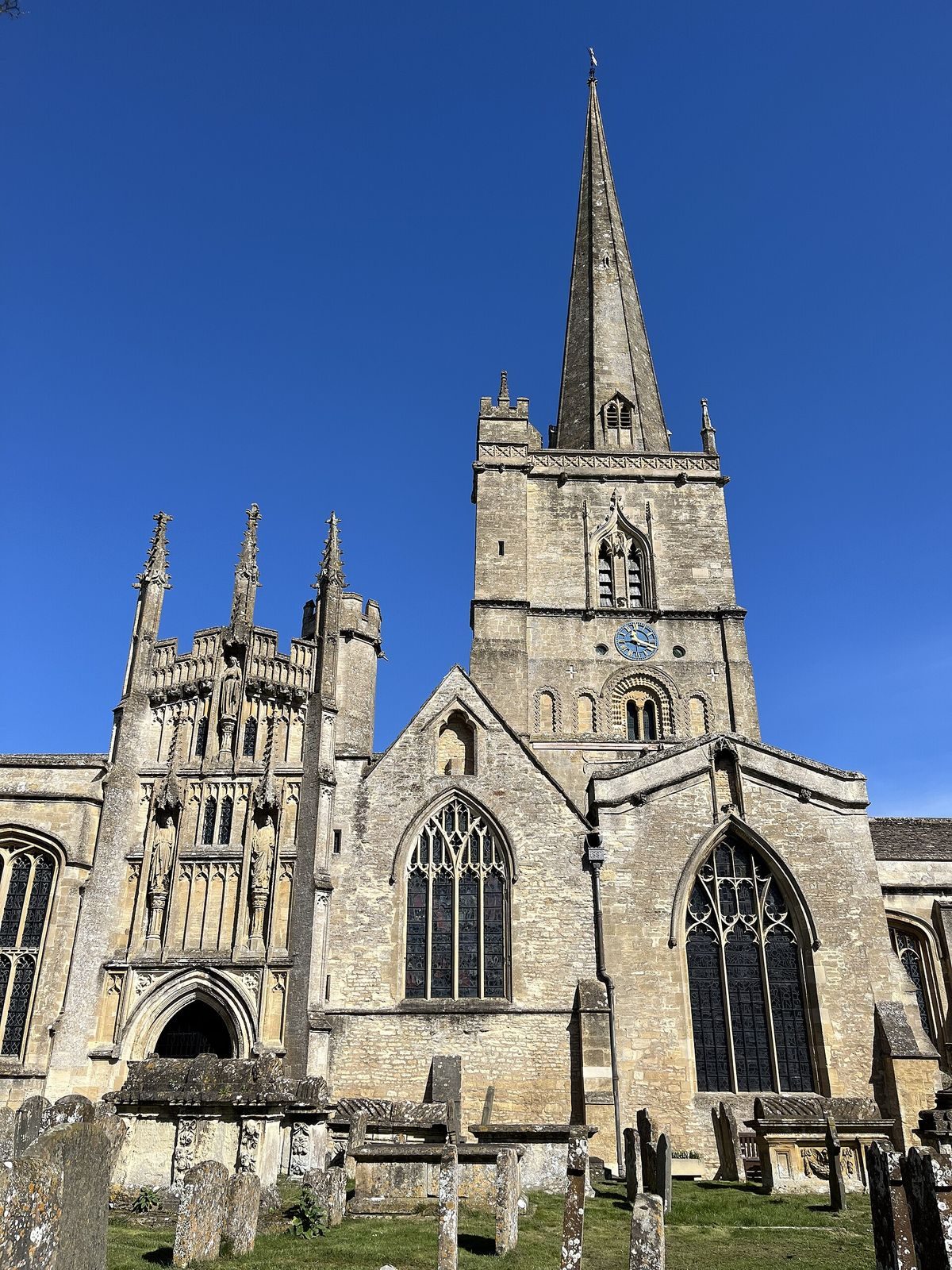
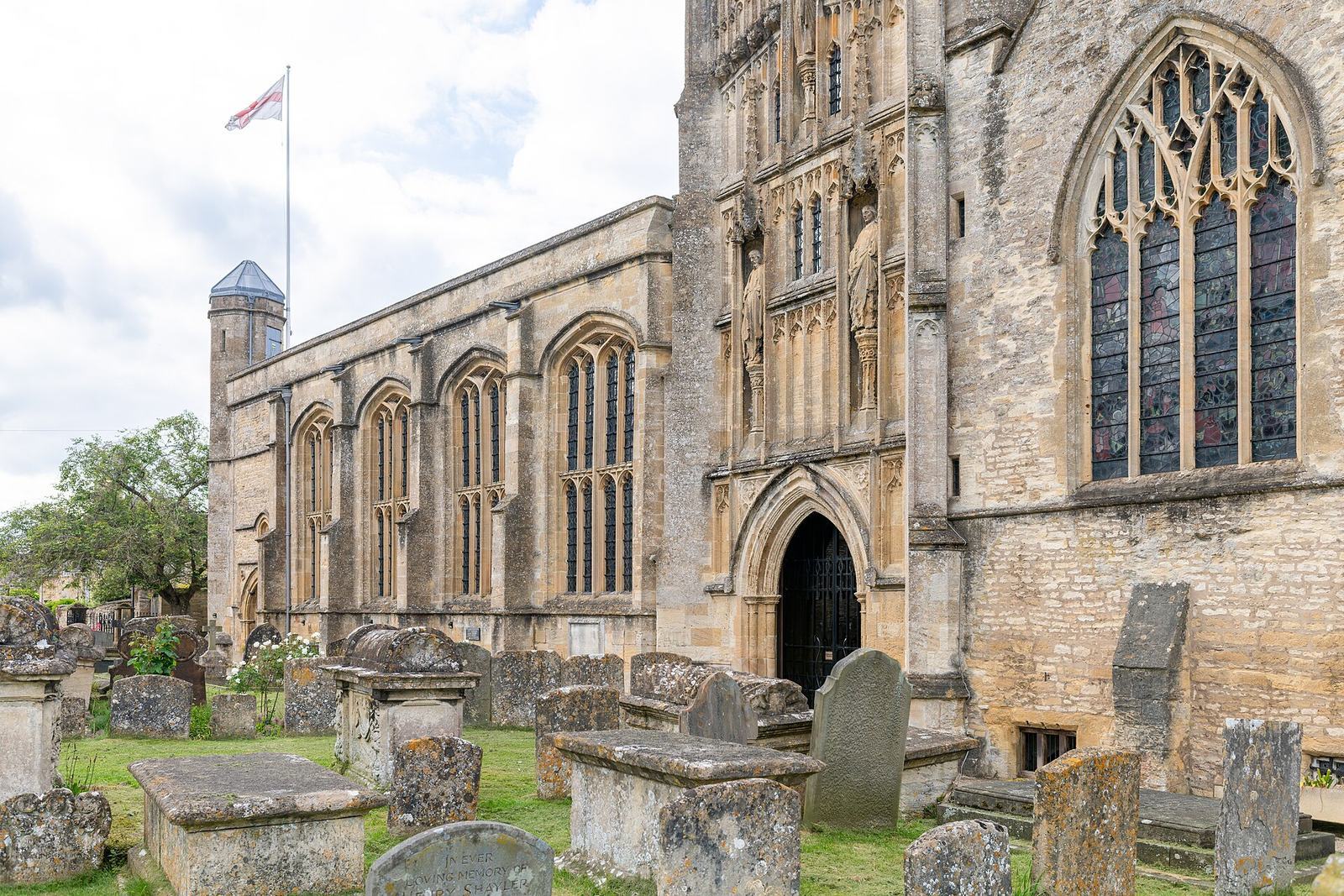
The Church of St John the Baptist, Burford, is a stone parish church in Oxfordshire, United Kingdom, dedicated to the New Testament figure who baptized Jesus. Its foundation is dated to 1150, and work on the present building began in the 12th century. The church reached its completed configuration by the 15th century as a wool church, whose growth was associated with wealth from the wool trade.
Civil War and later history
In 1649, during the English Civil War, fought between Royalist and Parliamentary forces from 1642 to 1651, a group of Levellers among the New Model Army’s Banbury mutineers were reportedly held in the church and shot in its churchyard. The Levellers were a radical political movement, and the New Model Army was Parliament’s principal force in the conflict. The shootings followed Parliament’s introduction of a new Treason Act.
Architect George Edmund Street carried out extensive restoration in the 1870s. His work was among the cases that prompted William Morris, a designer and advocate for historic-building preservation, to establish the Society for the Protection of Ancient Buildings. The church became a Grade I listed building in 1955. Formerly Roman Catholic, it now serves as an active Church of England parish church within the Diocese of Oxford, a regional church jurisdiction.
Remains
Plan and central structure
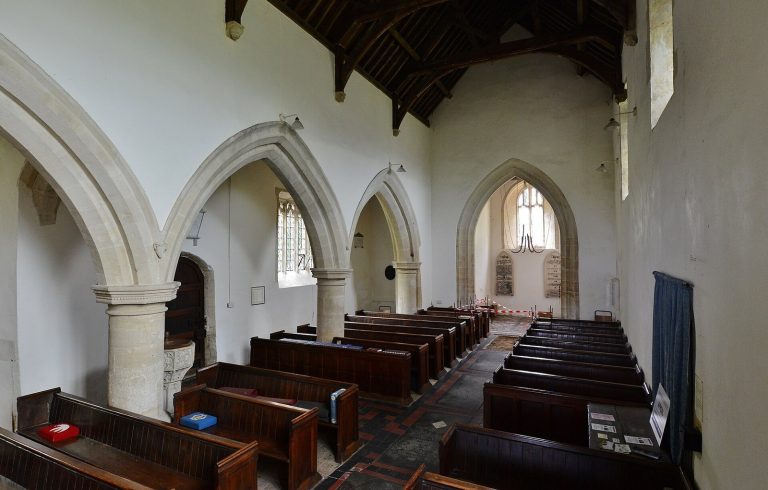
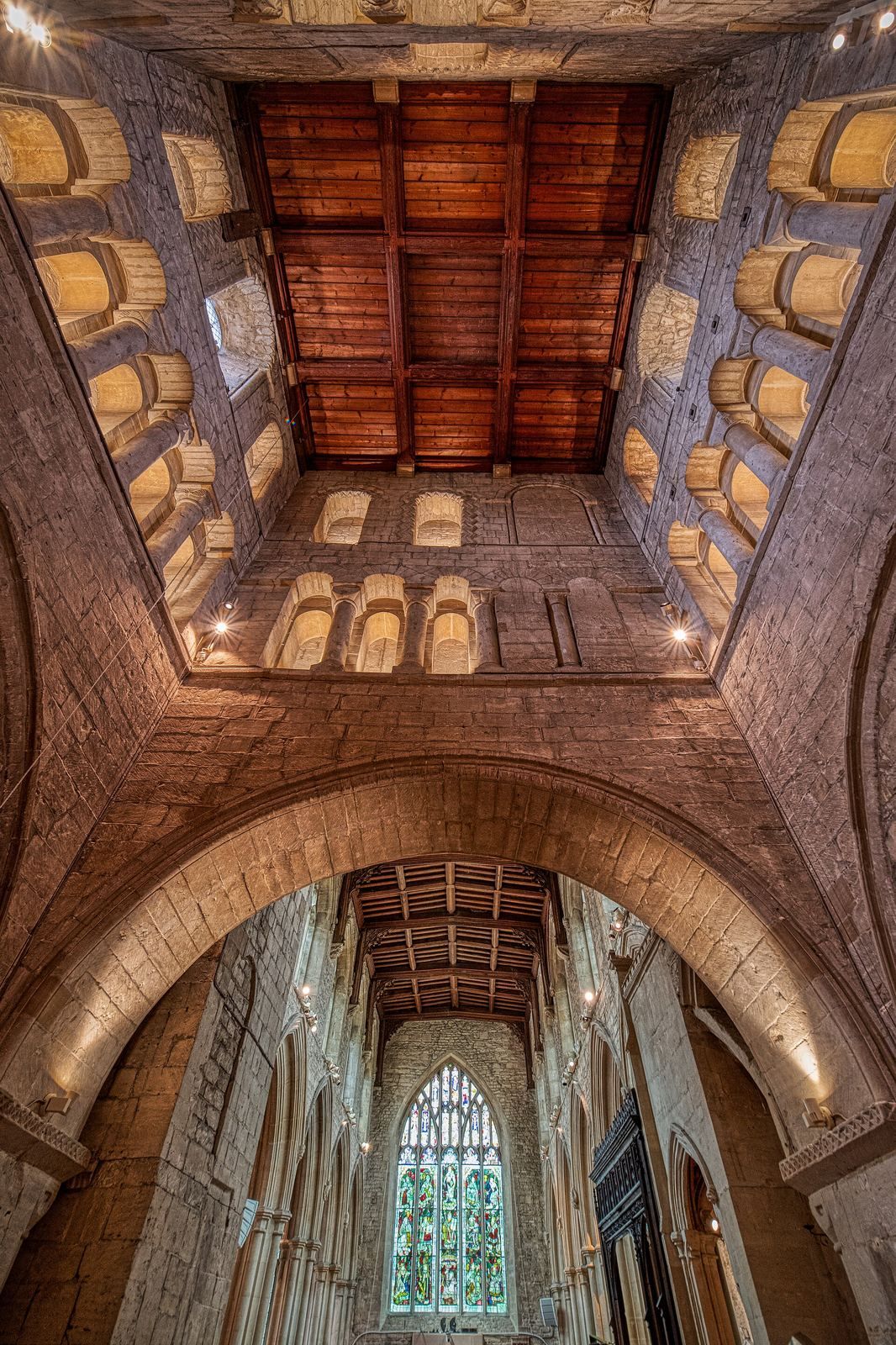
Built of stone, the church has a cruciform plan, meaning its layout forms a cross. The five-bay nave is flanked by chapels on both its north and south sides. A tower and spire rise at the centre of the building, where its main arms meet.
Interior and memorials
Floor, pulpit, and stained glass
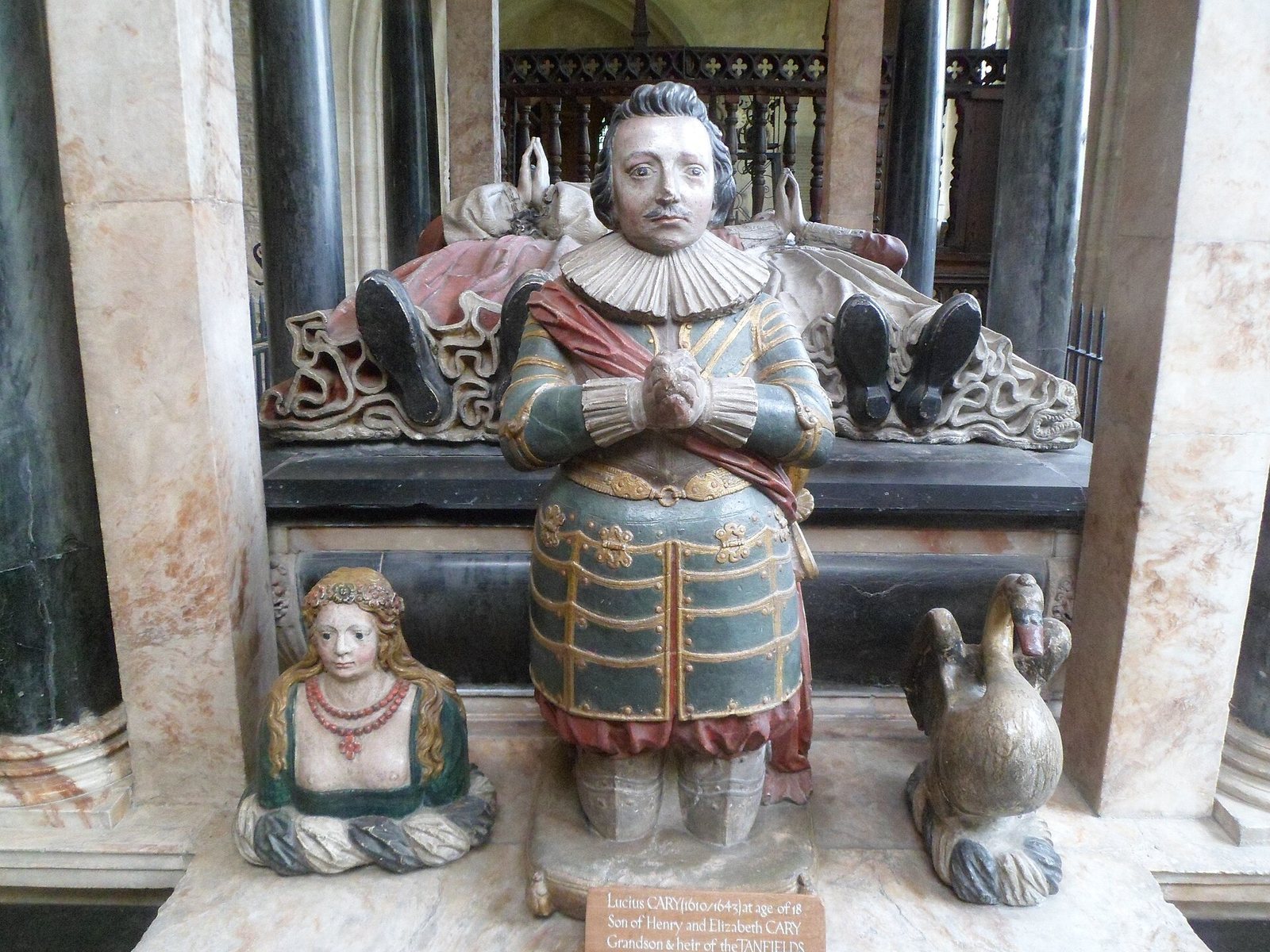
The interior has a tiled floor added during the Victorian restoration, and a pulpit restored in 1870. Much of the stained glass is the work of English artist Charles Eamer Kempe. The church also contains tomb chests, raised chest-shaped monuments over burials, and other memorials.
Commemorative monuments and guild chapel
A memorial dated to about 1569 commemorates Edmund Harman, a barber-surgeon to Henry VIII, who ruled England from 1509 to 1547. Its relief carvings depict Indigenous people of South America. Another memorial honours Christopher Kempster, who died in 1715. It identifies him as a local quarryman favoured by the architect Sir Christopher Wren, who employed him at St Paul’s Cathedral. The guild chapel, associated with an organization of merchants or craftspeople, contains tombs of the Sylvester family.