Wittichen Abbey: A Medieval Convent in Germany
Site at a Glance
- Rating
- 4.5
- Popularity
- Medium
- Country
- Germany
- Primary era
- Early Modern
- Eras represented
- Medieval, Early Modern
- Civilizations
- Holy Roman Empire
- Site type
- Religious
- Remains
- Monastery
On this page9 sections
History
Wittichen Abbey is a former women’s monastery near Schenkenzell in Germany’s Black Forest, founded in 1324 by Blessed Luitgard of Wittichen. She came from Kaltbrunn-Vortal with 33 fellow sisters to establish a religious community in the valley. Tradition relates that she received a divine instruction there to build a house of worship.
Foundation and growth
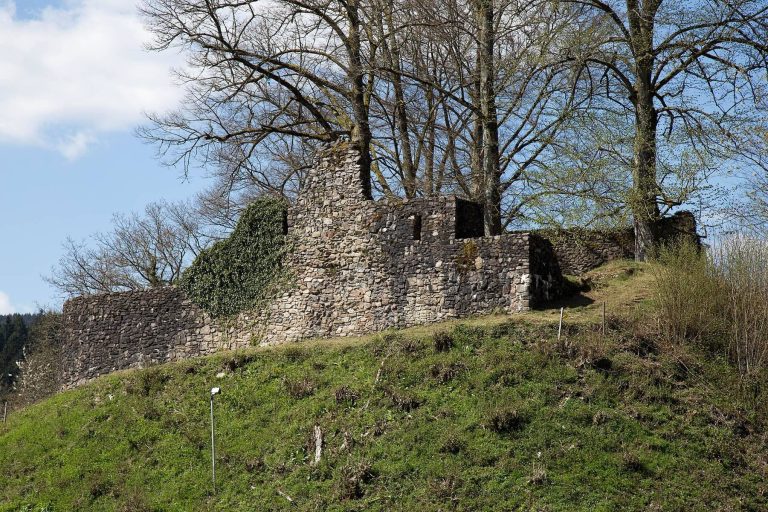
The abbey stood on land belonging to the counts of Geroldseck, a German noble family, below Wittichenstein Castle, and was under their legal protection. It also received support from the dukes of Teck and Queen Agnes of Hungary. Through Agnes’s intervention, Pope John XXII recognized the sisters’ hermitage as an abbey. A fire damaged the monastery in 1327, and the abbey church was consecrated three years later.
The community’s holdings eventually extended through Wittichen and Kaltbrunn and across areas along the Upper Rhine and Neckar. Offices in Gengenbach, Horb, Lahr, Rottweil, Strasbourg, and Villingen managed these properties. In 1376, the sisters adopted the Rule of the Poor Clares, a women’s religious order in the Franciscan tradition.
Religious life and disruption
Luitgard’s grave became the community’s religious center. After it was opened in 1629, her brain was reported to be intact, and the grave drew pilgrims. The abbey was temporarily suppressed in 1540 during the Reformation, a sixteenth-century movement that brought major changes to Western Christianity. The community later returned, though with fewer resources.
The Thirty Years’ War, a major European conflict fought from 1618 to 1648, brought severe losses to the community. It suffered further losses in 1663, after the war had ended.
Secularization and demolition
In 1803, secularization transferred the abbey from religious control to secular authority, and its property passed to the princely house of Fürstenberg. During the 1850s, some buildings were demolished because maintaining them was too costly.
Remains
Layout and surviving buildings
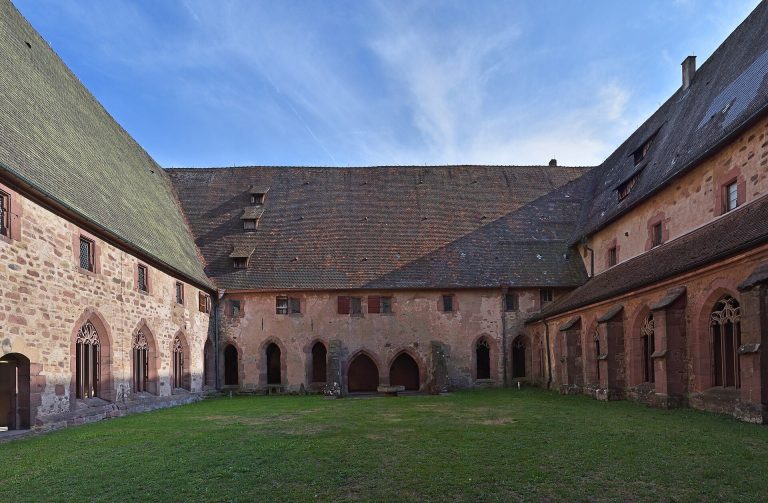
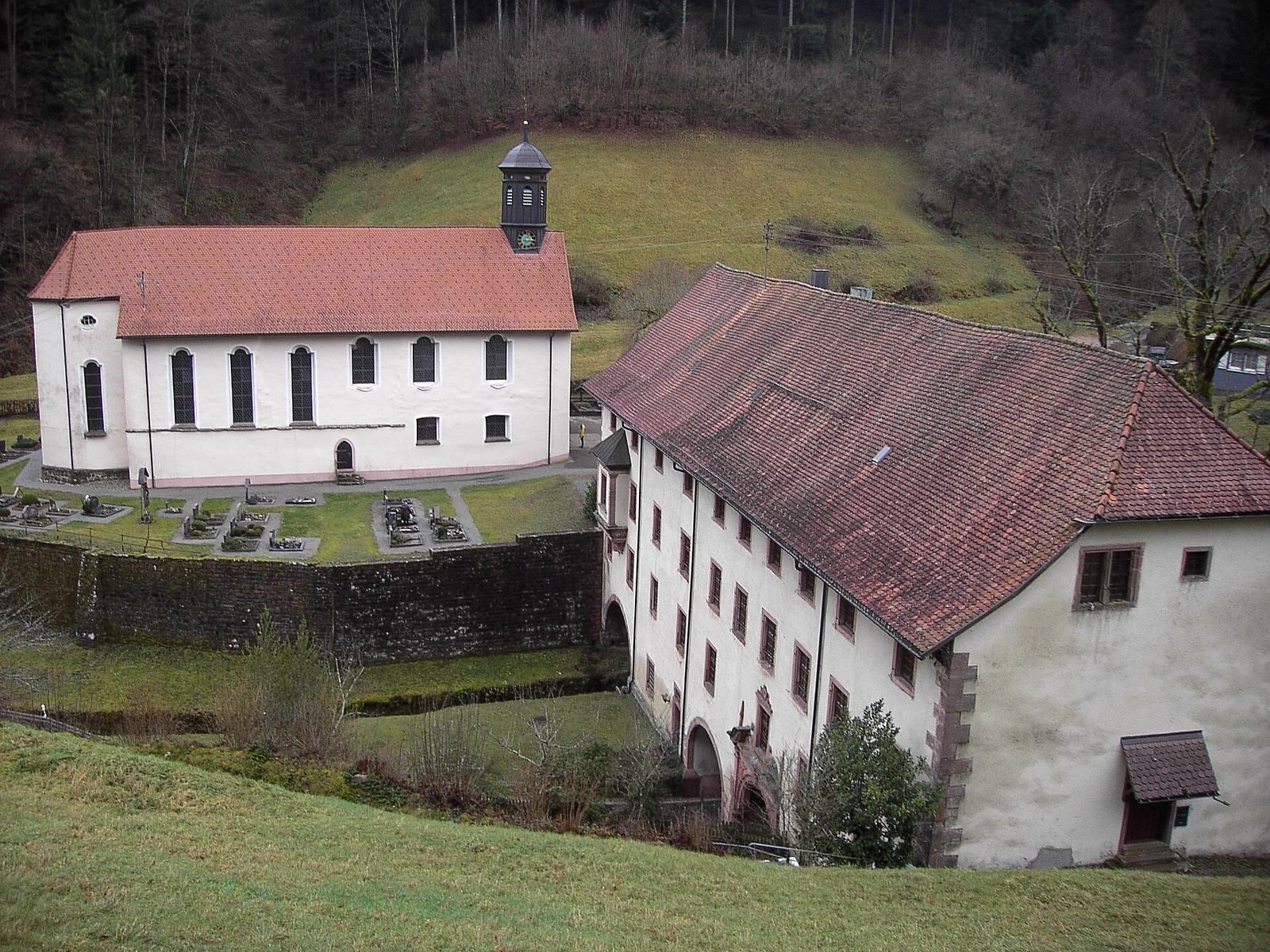
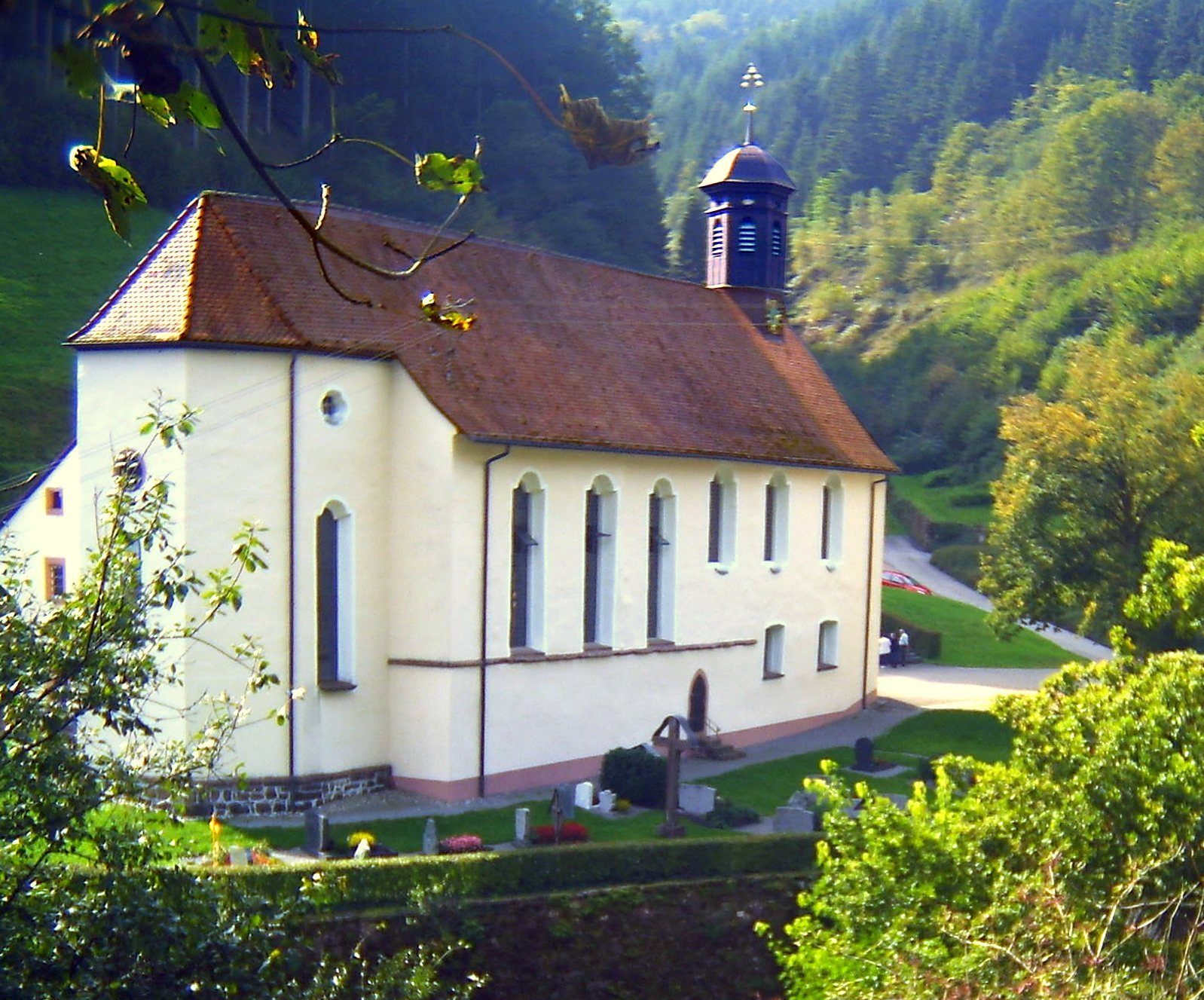
The former abbey lies in a narrow side valley of the Kleine Kinzig, near the upper Kinzig valley. The surviving complex includes a church, a long monastery building, the old monastery stable, and a cemetery.
Church and graves
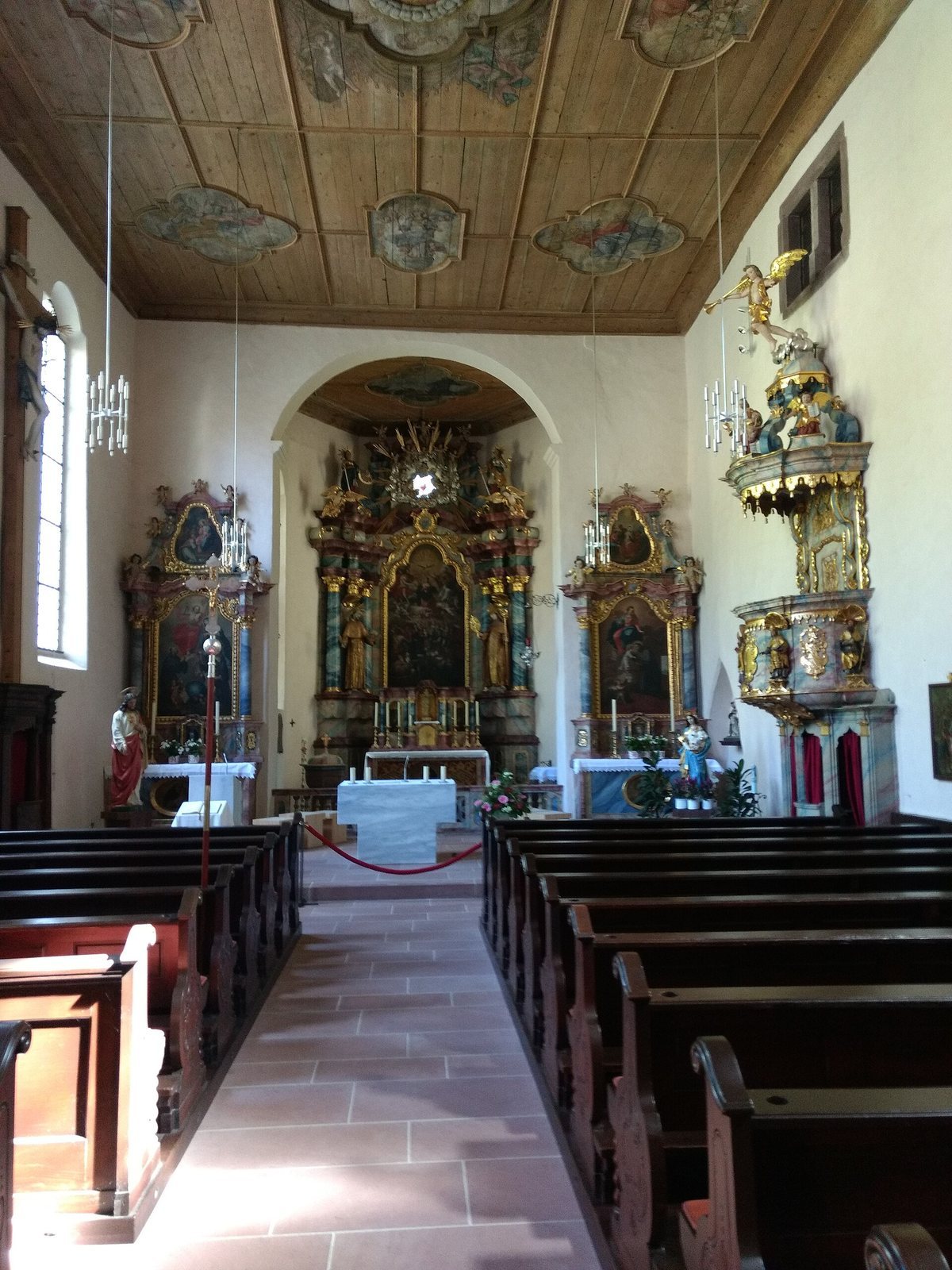
The former abbey church is Baroque, a European style associated with elaborate ornament and dramatic forms. It contains Luitgard’s grave and a grave slab bearing the coat of arms of the House of Urslingen, a German noble family. Several members of the Urslingen family are buried in the nearby cemetery.
Long monastery building
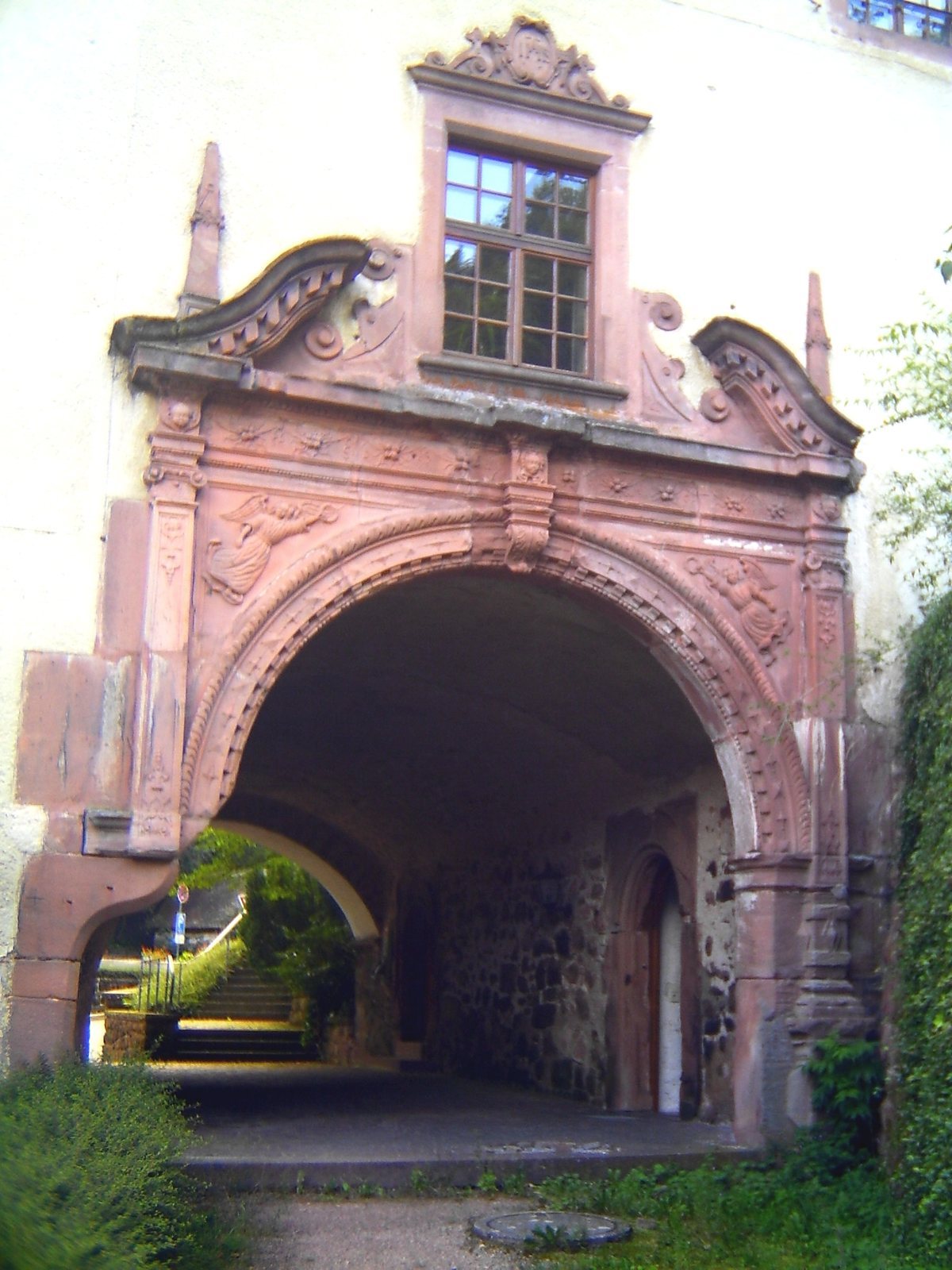
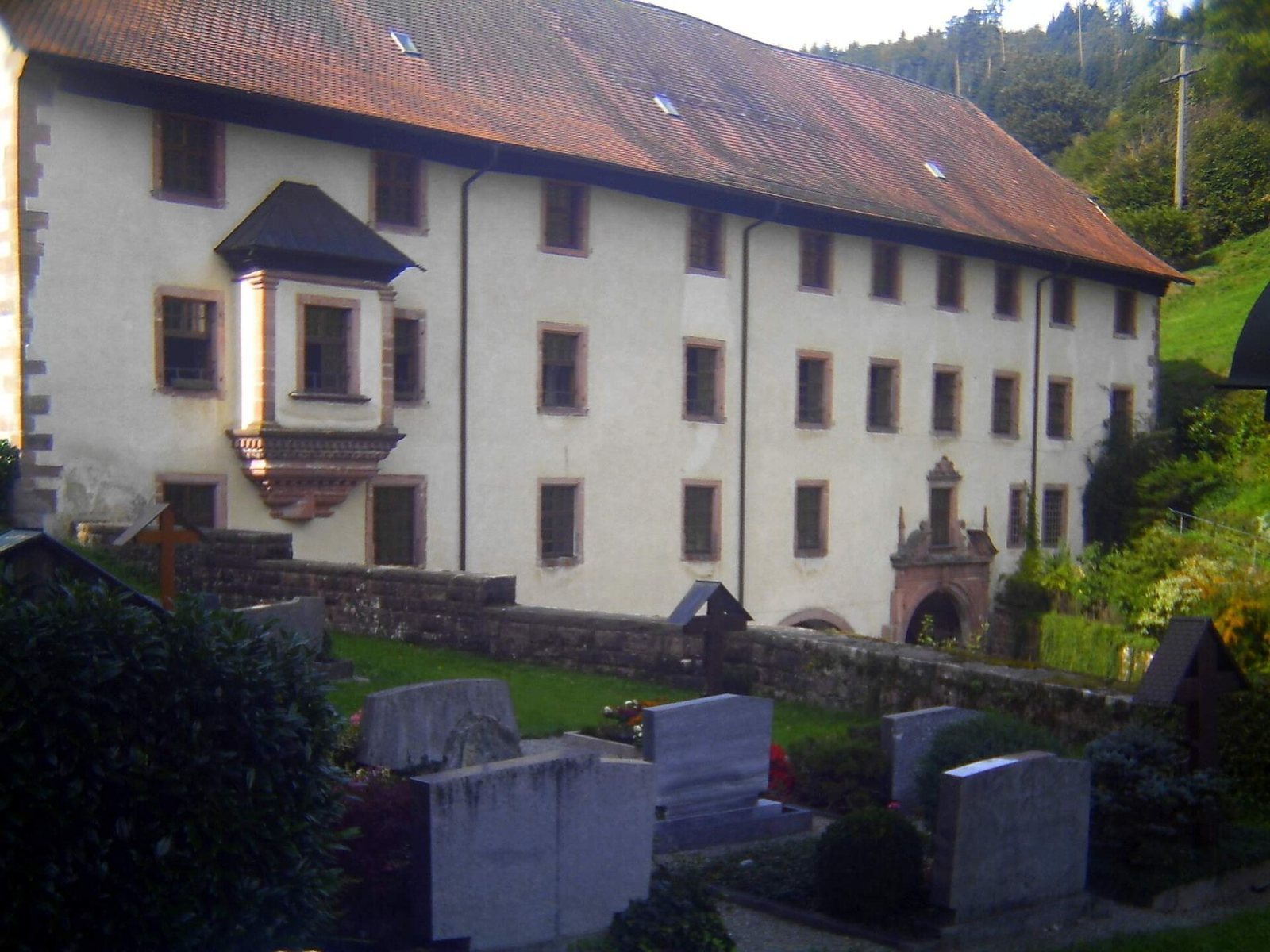
The substantial monastery building spans the narrow valley. Two gates framed in sandstone pass through it, with the valley stream and road running alongside one another through the building toward the former mining settlement of Wittichen. The building now serves as a community center for Kaltbrunn.
Old monastery stable and collections
A small museum in the former stable displays the abbey’s monstrance, a vessel used to present the consecrated Eucharist for veneration, along with vestments and other furnishings. Minerals from Wittichen are also exhibited there. Four musical instruments from the abbey’s early modern period are preserved at the Historical Museum Basel. The former abbey church continues to draw pilgrims.