Church of the Transfiguration of Christ at Gorovič: A Serbian Orthodox Church Ruin
Site at a Glance
- Popularity
- Medium
- Country
- Serbia
- Primary era
- Medieval
- Eras represented
- Medieval
- Civilizations
- Serbian
- Site type
- Religious
- Remains
- Church
On this page5 sections
History
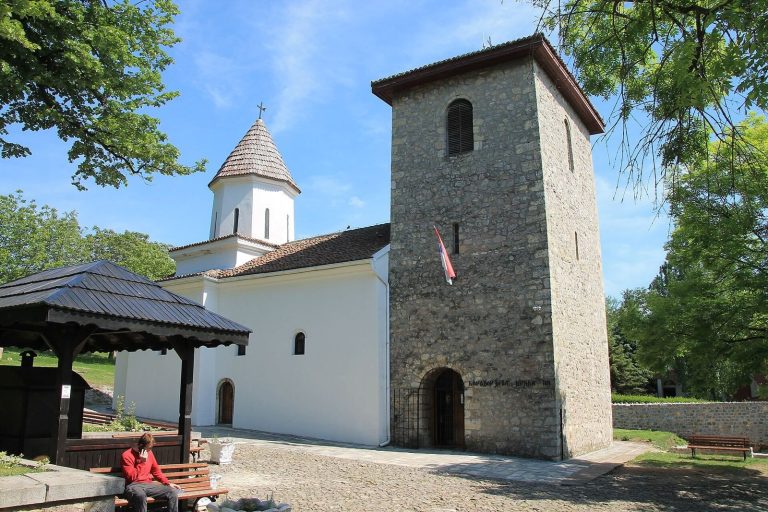
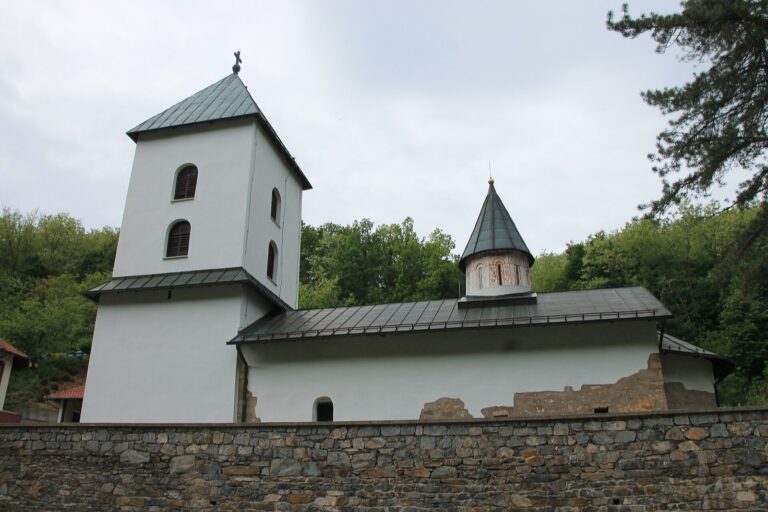
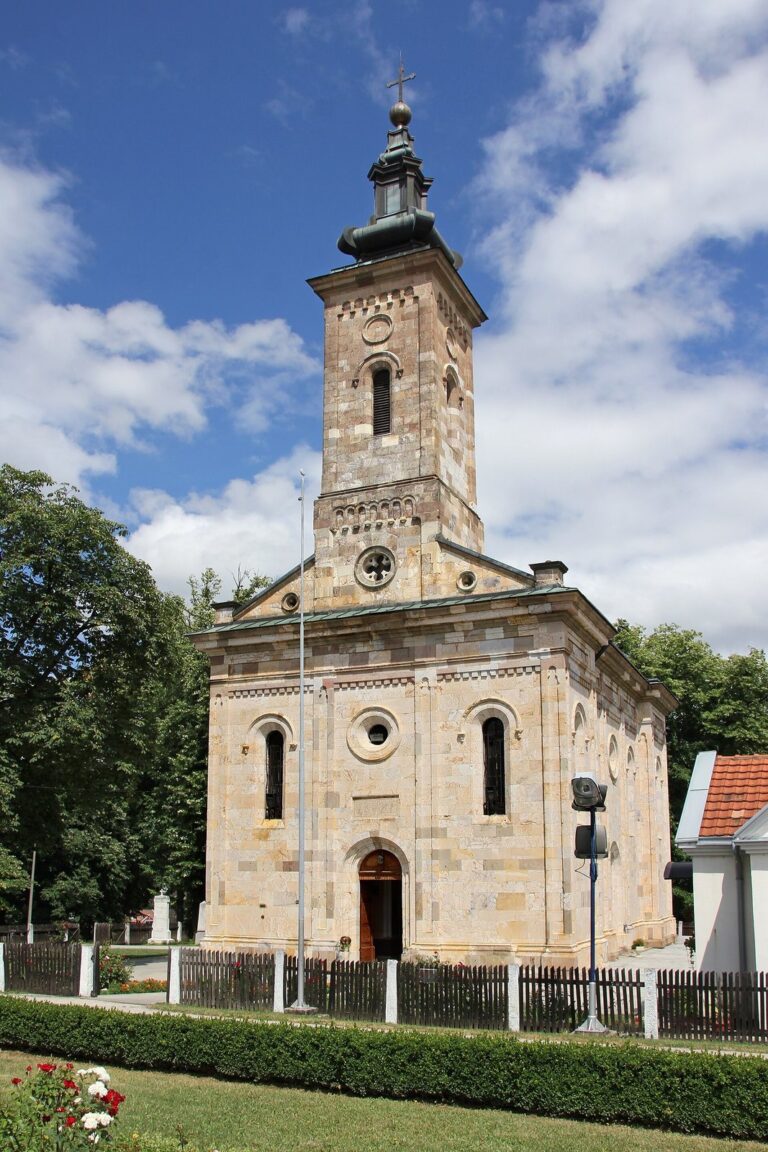
The Church of the Transfiguration of Christ at Gorovič, also known as Stara crkva, is a Serbian Orthodox church ruin in Serbia. Dedicated to the Transfiguration, the Christian feast commemorating the revelation of Christ’s divine glory, it belongs to the Eparchy of Šumadija, an Eastern Orthodox diocese. Sparse historical references leave its construction date uncertain, but its architecture points to the late fourteenth or early fifteenth century and the Moravian school, a medieval Serbian architectural tradition.
Medieval origins and traditions
Local tradition places a Roman basilica at the site in the late fifth century, followed later by use as a courthouse. A Roman basilica was a large public hall, a form also used for some early churches. Another tradition credits Despot Stefan Lazarević with building or restoring the church shortly before he left for the Battle of Nicopolis in 1396. Despot was a high-ranking title used by medieval Serbian rulers; the battle was a major clash between an Ottoman army and a crusading coalition.
Use and abandonment
Tradition places the marriage of Karađorđe Petrović and Jelena Jovanović of Masloševo at the church in either 1781 or 1786. Karađorđe, a Serbian revolutionary leader, is also associated with receiving communion there alongside insurgents before the First Serbian Uprising, a revolt against Ottoman rule.
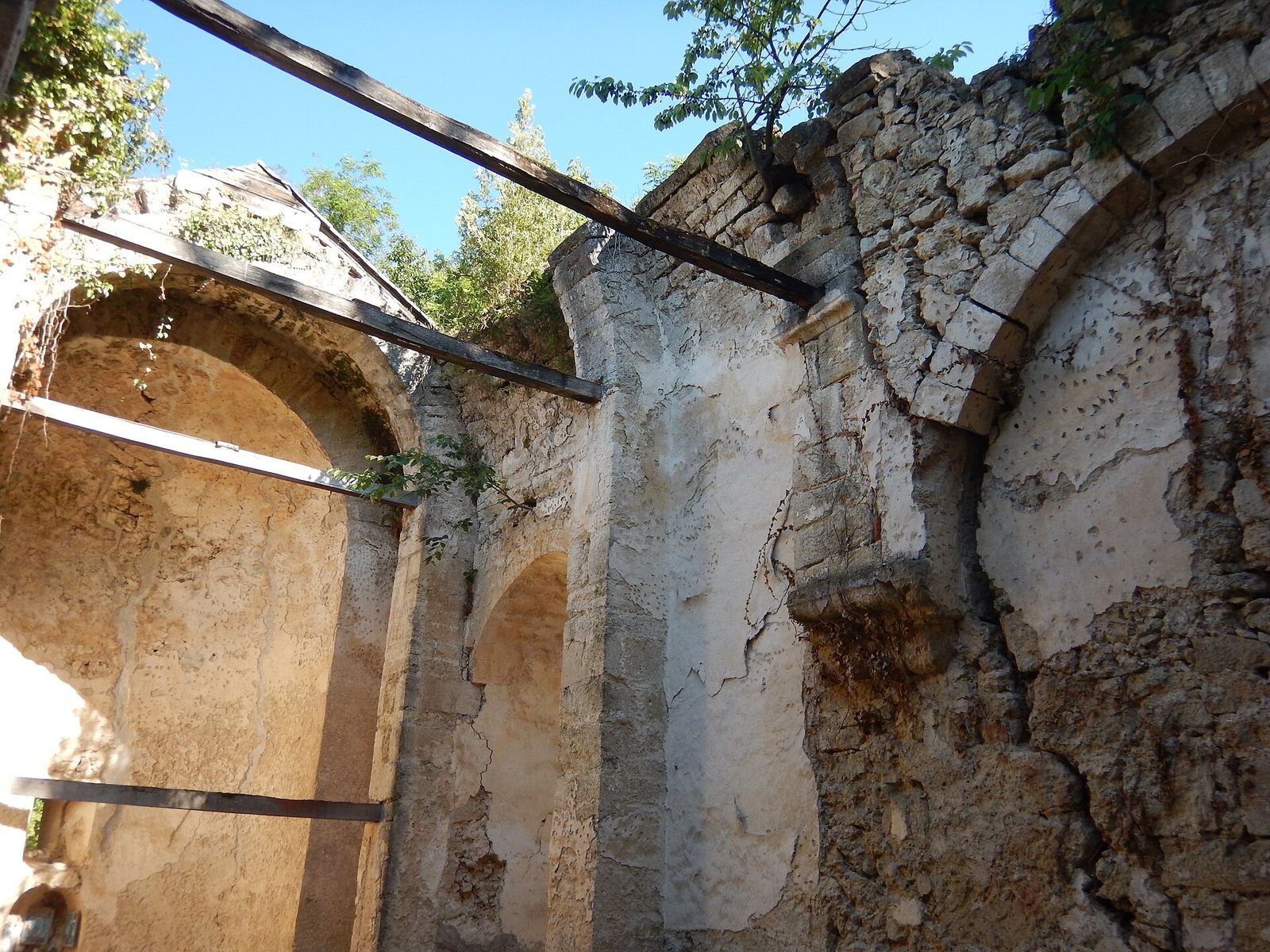
The church remained in use until 1860. It underwent several alterations and fell into ruin during the nineteenth century. After abandonment, its roof collapsed. The building may not have been demolished, although it may have burned several times. Following the roof collapse, its iconostasis, the screen separating the sanctuary from the main worship space in an Orthodox church, was moved to the Church of the Dormition of the Mother of God in Saranovo.
Restoration efforts and protection
Residents of Gorovič sought to restore the church in 1905, but wars interrupted their effort. In 1924, the archpriest Aleksa Petrović renewed requests to the Karađorđević court for assistance, without success. The church was designated an immovable cultural property and cultural monument in 1969. Conservation work began in 1971 and stopped in 1993.
Remains
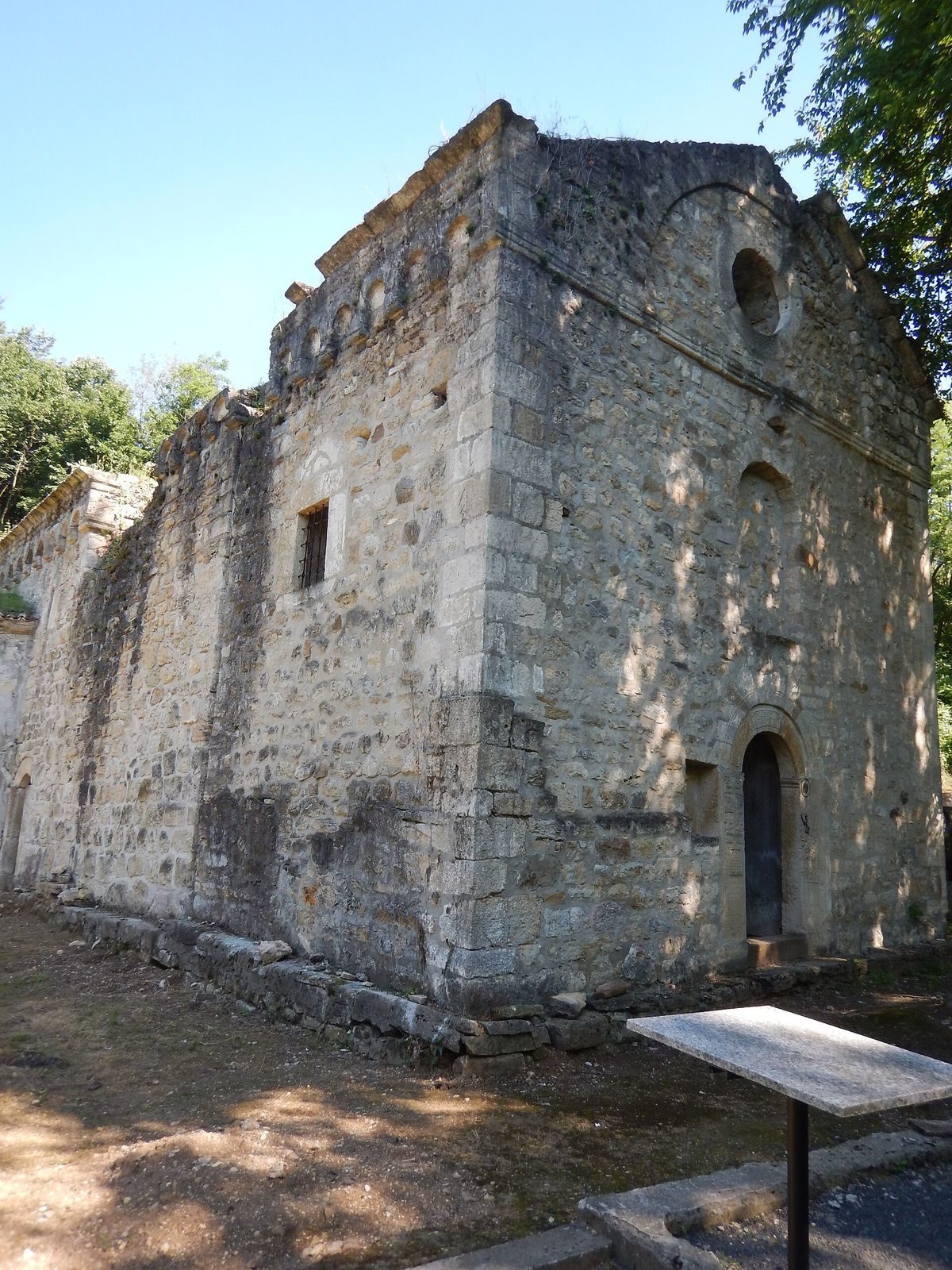
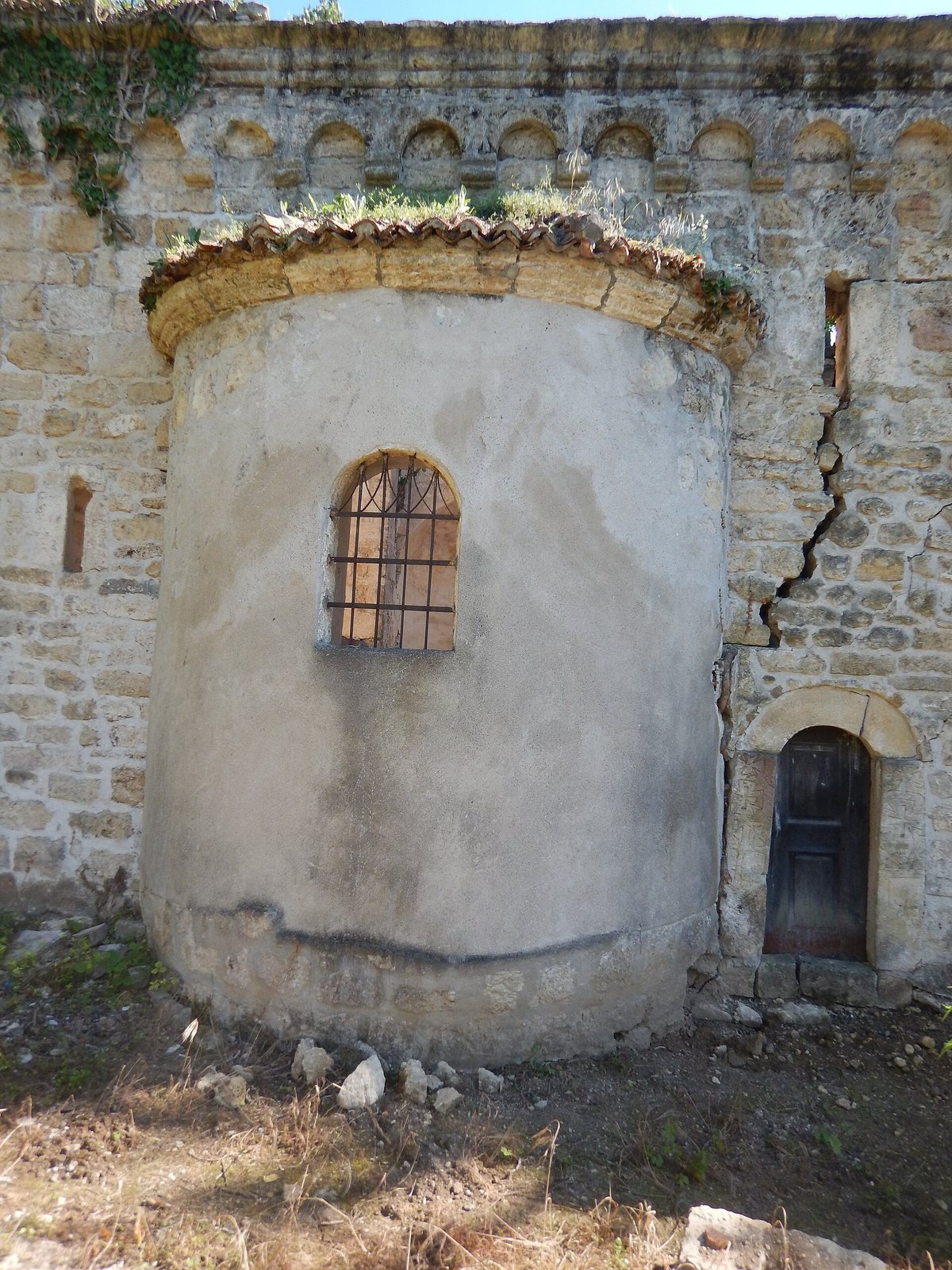
The church stands in the village cemetery and measures 20 metres by 7 metres. Its three-aisled plan has a three-lobed form, with a large semicircular apse, or rounded sanctuary end, to the east and smaller apses on the north and south sides. A narthex, the entrance vestibule, extends the building westward; an exonarthex, or outer vestibule, lies beyond it.
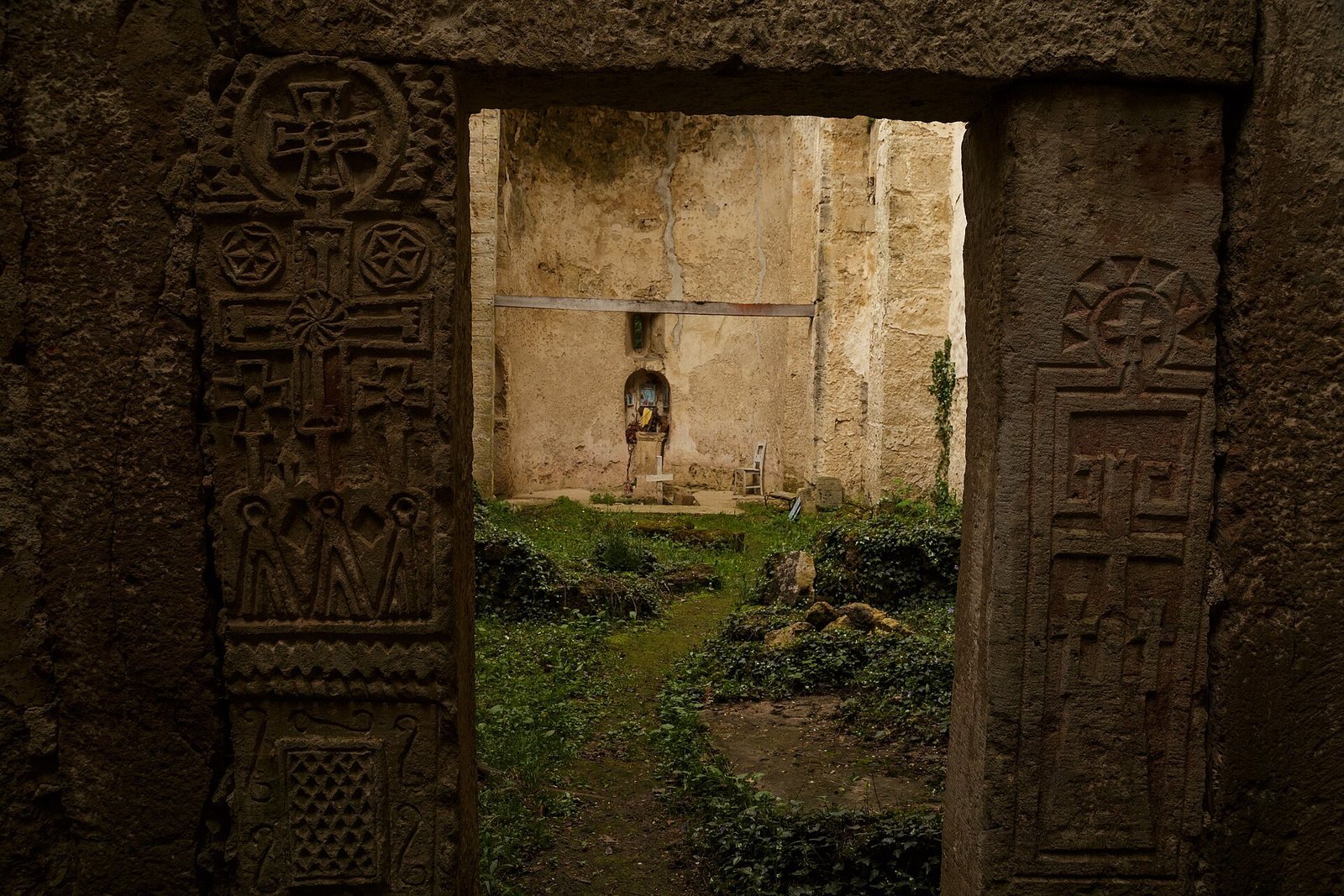
High, massive walls are built of rubble and dressed stone. Inside, plastered surfaces retain small fragments of fresco painting, and the vault above the altar is covered with sheet metal. The portals and roof cornice carry the façade’s decoration. Along the north and south walls, the cornice combines projecting brackets with blind arches, shallow arches set into the wall.