Newburgh Priory: From Augustinian Priory to Tudor Residence
Site at a Glance
- Rating
- 4.8
- Popularity
- Medium
- Country
- United Kingdom
- Primary era
- Early Modern
- Eras represented
- Early Modern
- Civilizations
- British, English
- Site type
- Domestic
- Remains
- Elite Residence
On this page7 sections
History
Newburgh Priory, near Coxwold in North Yorkshire, England, began as an Augustinian religious house and later became a private residence. Roger de Mowbray established its community in 1142–43, first at Hook, with canons from Bridlington. These were members of religious communities whose shared life followed the Rule of Saint Augustine. The community moved to Newburgh in 1145, onto land William the Conqueror, who became king of England in 1066, had granted to Robert de Mowbray. The present house dates from the late 16th century, during the rule of England’s Tudor dynasty (1485–1603).
The priory before its dissolution
The Mowbrays continued to support the priory. Roger’s grandson, William de Mowbray, was a benefactor and was buried there around 1222. On 17 July 1503, Margaret Tudor, daughter of Henry VII and sister of Henry VIII, stayed overnight while travelling to meet her husband, James IV of Scotland.
Dissolution and conversion into a residence
Henry VIII dissolved Newburgh Priory in 1538 as part of the dissolution of the monasteries, the closure and seizure of England’s monastic houses. Anthony de Bellasis, the king’s royal chaplain, bought the property from him in 1539 for £1,062. Anthony and his brother Richard had been responsible for the dissolution of Newburgh and eight other monasteries in northern England.
In 1546, Anthony’s nephew Sir William Bellasis converted the former priory into a private residence. He served as High Sheriff of Yorkshire in 1574–75; a high sheriff was the county’s senior royal administrative and judicial officer.
Belasyse and Wombwell families
William’s eldest surviving son, Henry, represented Thirsk several times and Aldborough once in Parliament. He served as High Sheriff in 1603–04 and became one of England’s first baronets in 1611, a hereditary title below the rank of baron. Henry’s son Thomas Belasyse also represented Thirsk in Parliament. He became a baron in 1627 and a viscount, a peerage rank, in 1643. His grandson Thomas married Mary, daughter of Oliver Cromwell, and was created Earl Fauconberg in 1689.
The estate passed through several generations of the family to Henry Belasyse, 2nd Earl Fauconberg. When Henry died in 1802, the earldom became extinct and he left the estate to his eldest daughter, Lady Charlotte. She had married Thomas Wynn, who took the surname Belasyse and served as High Sheriff in 1810–11. After Charlotte died without a male heir in 1825, the estate passed to her sister Lady Anne’s son, George Wombwell, 3rd Baronet. His son, Sir George Orby Wombwell, 4th Baronet, served as High Sheriff of Yorkshire in 1861. The house remains in the Wombwell family.
Later history
Coal mining took place in the surrounding area, including at collieries at Gilling East and Newburgh Priory. These workings ended during the 20th century. Newburgh Priory is a Grade I listed building, the highest category of listed-building protection in England. It is also named in a rumour as a possible burial place of Oliver Cromwell, the English military and political leader.
Remains
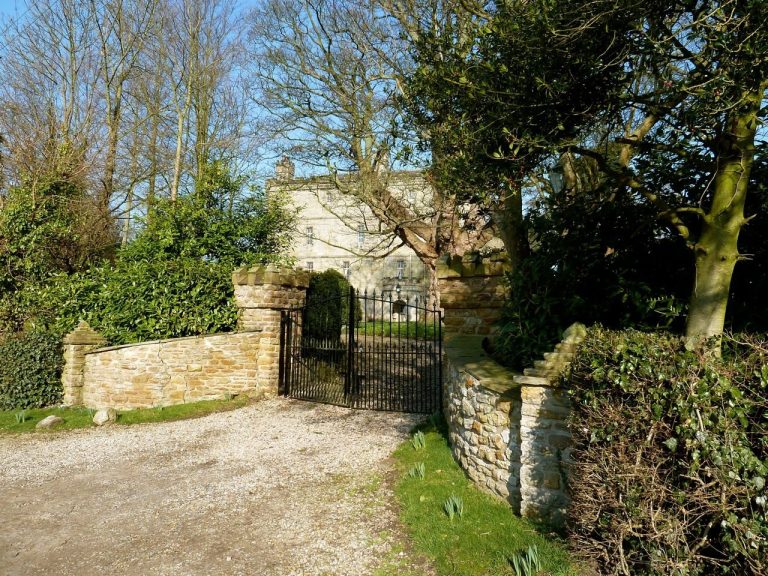
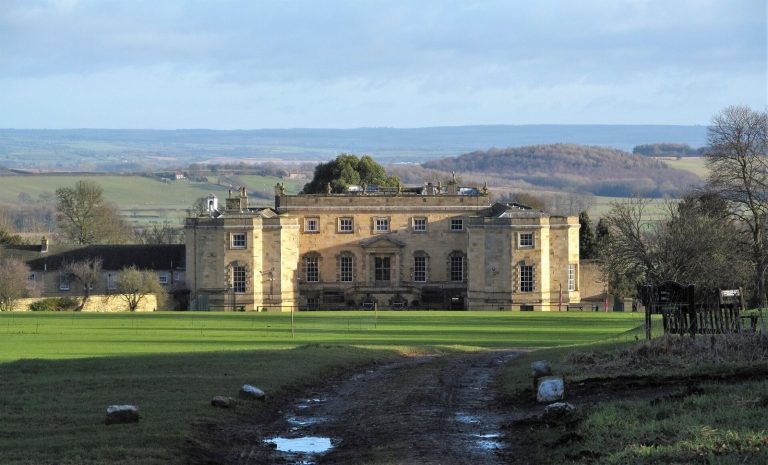
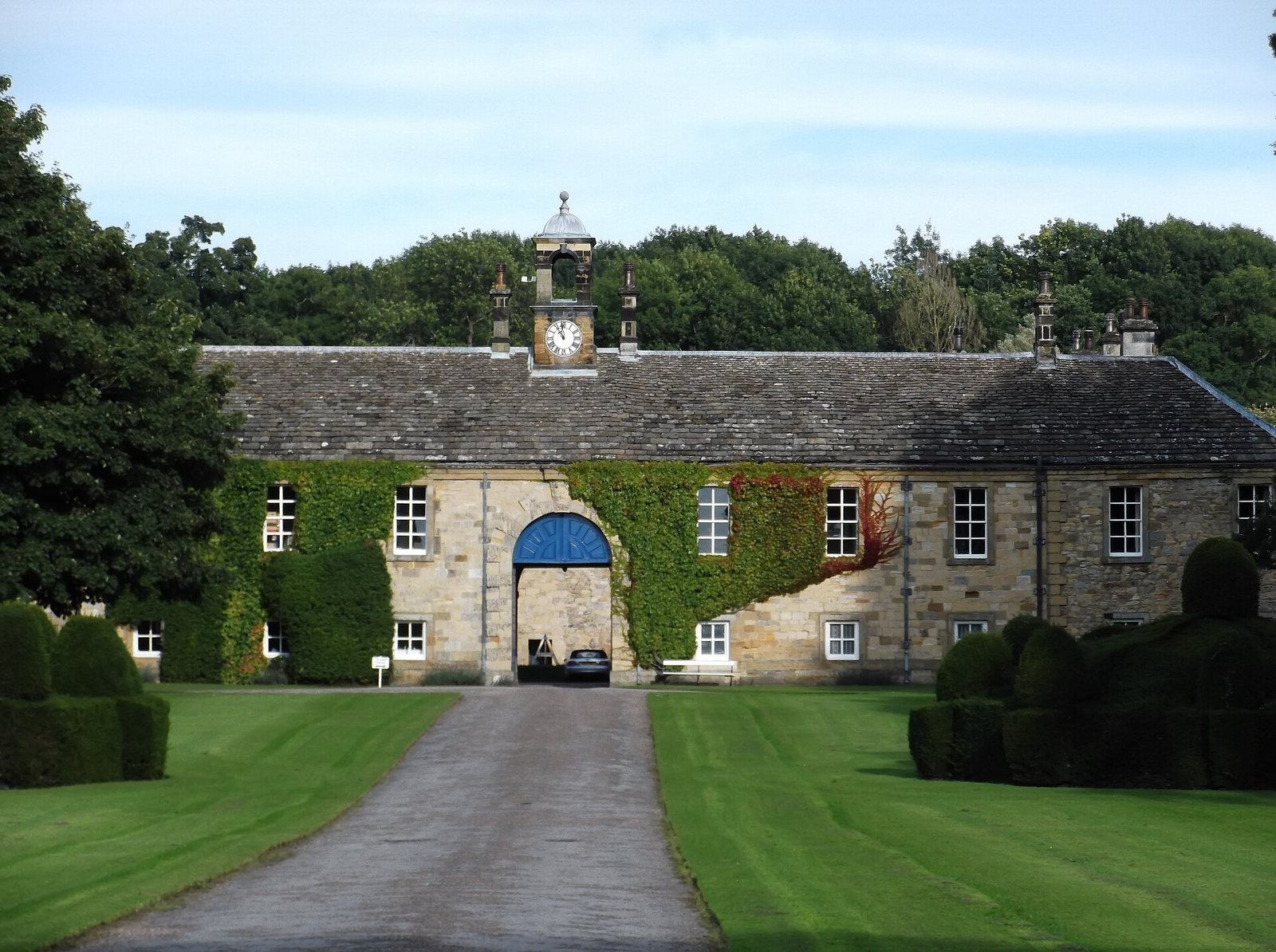
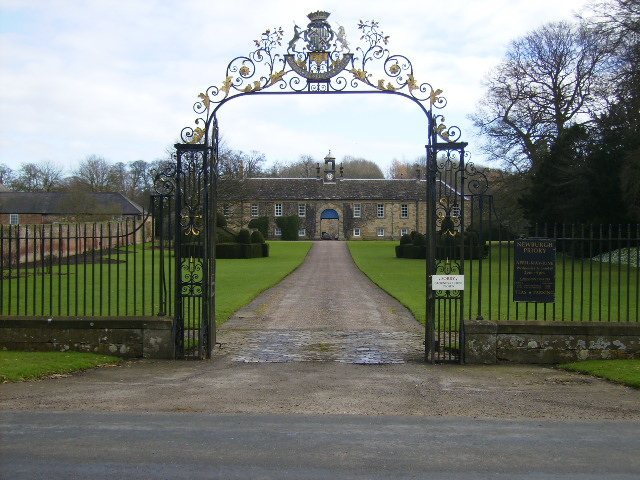
House and grounds
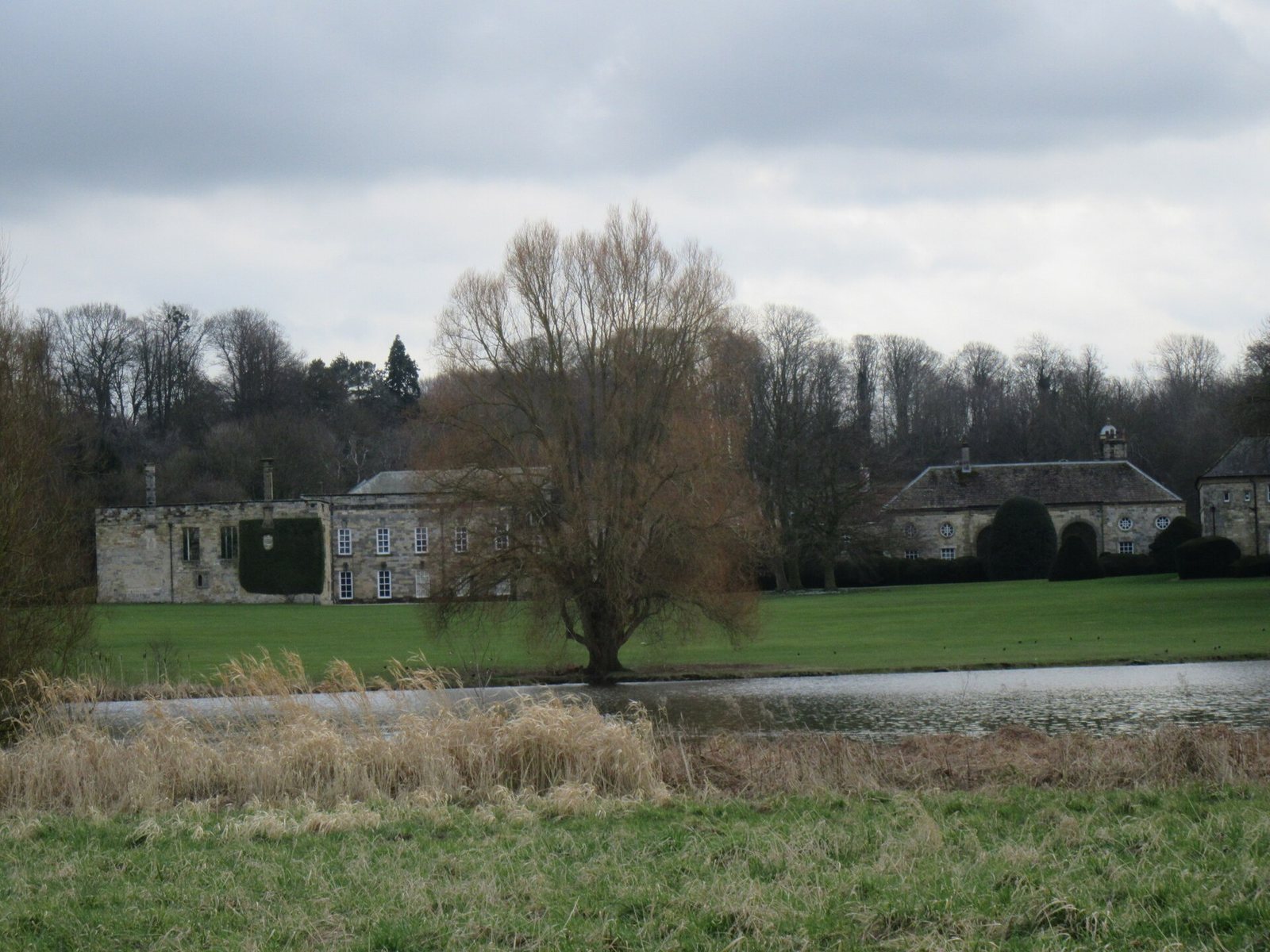
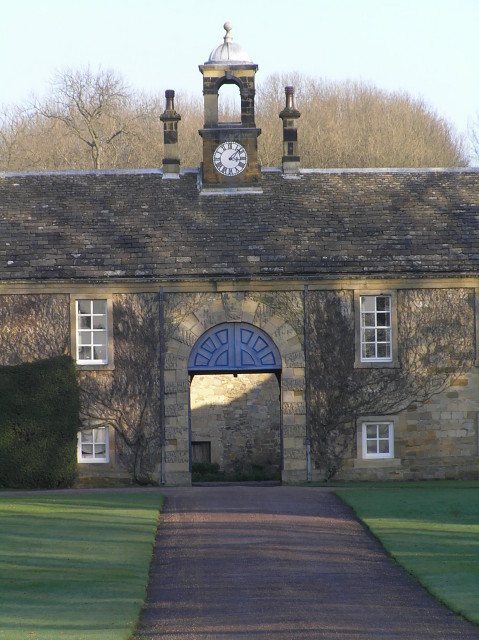
The present Tudor house stands within grounds covering 40 acres (16 hectares). The 4th Viscount Fauconberg substantially remodelled the building between 1725 and 1745, and it was restored in the 1960s. The grounds include a water garden, a walled garden, shaped yew trees and woodland walks, with views towards the Kilburn White Horse.