Arlington Row: A Medieval Wool Store and Weavers’ Cottages
Site at a Glance
- Rating
- 4.6
- Popularity
- High
- Country
- United Kingdom
- Primary era
- Medieval
- Eras represented
- Medieval, Early Modern
- Civilizations
- English
- Site type
- Domestic
- Remains
- House
On this page4 sections
History
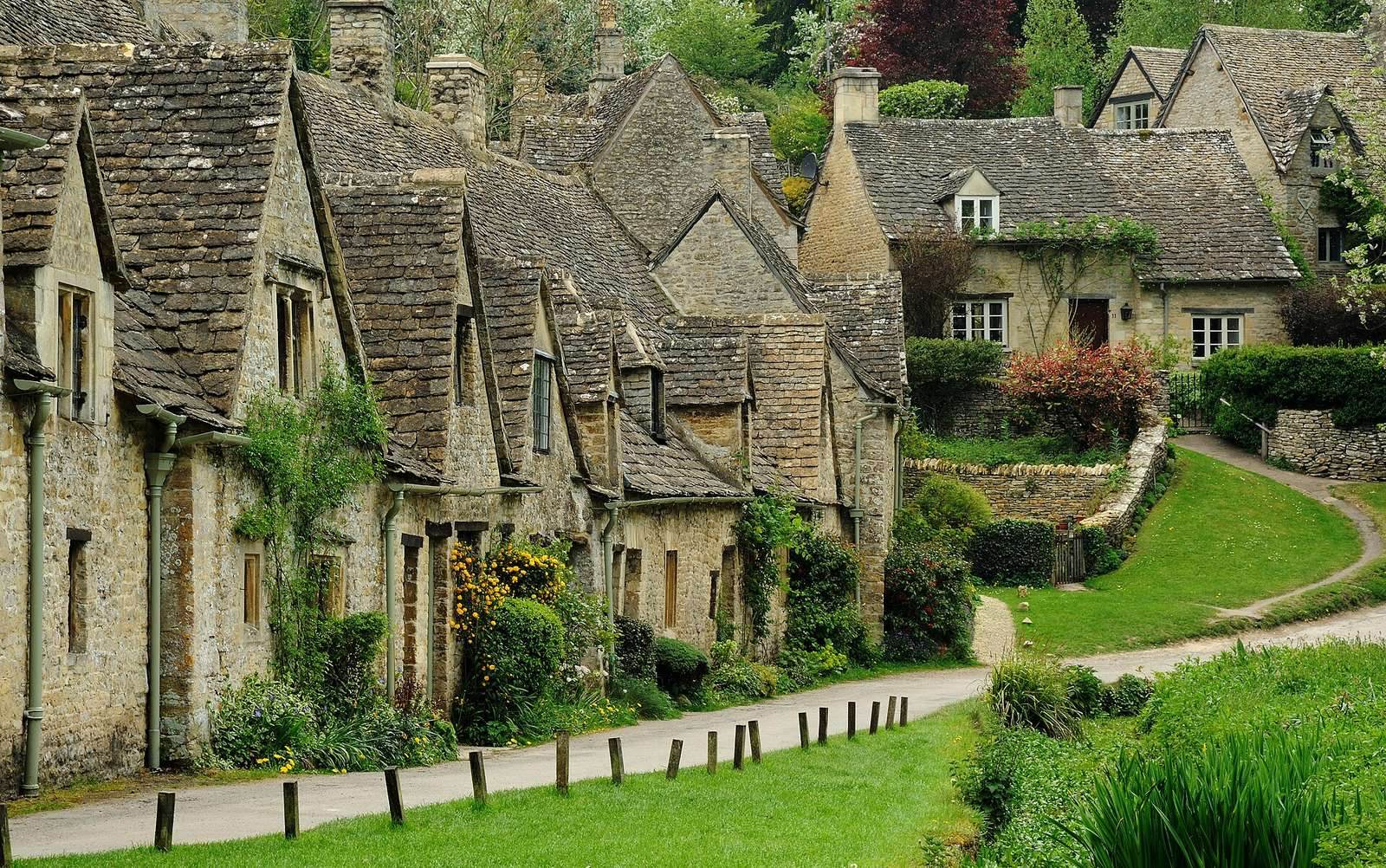
Arlington Row is a historic row of buildings in Arlington, in the parish of Bibury, Gloucestershire, England. It was built in 1380 as a monastic wool store.
From wool store to weavers’ cottages
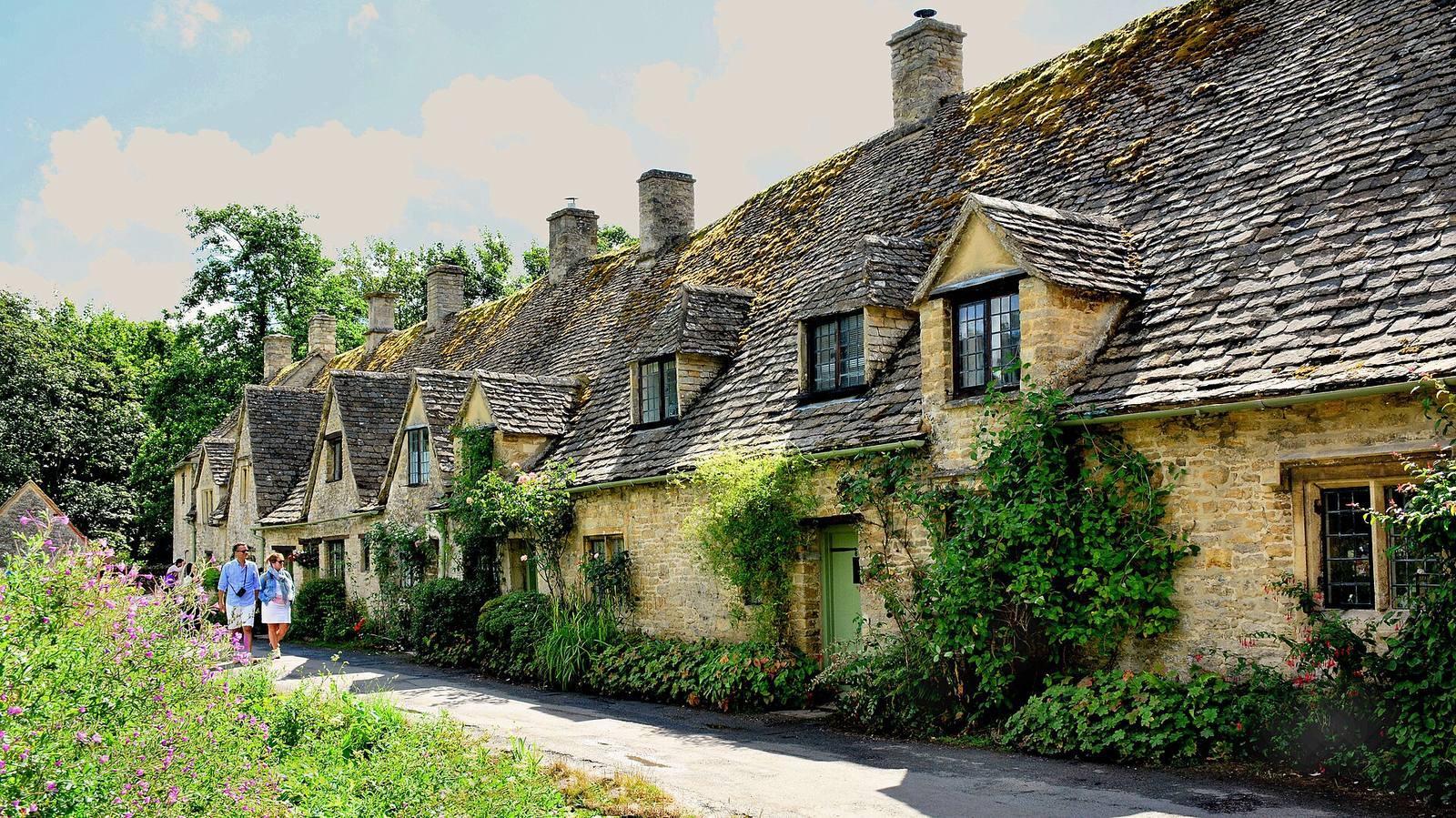
In the late 17th century, the store was converted into cottages for weavers. Some additions to the row date from the late 17th or early 18th century. Residents made cloth there, which was taken to Arlington Mill for degreasing and fulling, a process for cleaning and finishing woven cloth.
Preservation and recognition
The Royal Society of Arts, a British organization promoting the arts, manufactures, and commerce, preserved Arlington Row in 1929. The National Trust, a British conservation charity, restored it in the 1970s and owns the property.
Arlington Row received Grade I listed status on 23 January 1952. Grade I is England’s highest listed-building category, reserved for buildings of exceptional interest. The row is also described as a nationally notable architectural conservation area, and its image appears on the inside cover of all United Kingdom passports.
Remains
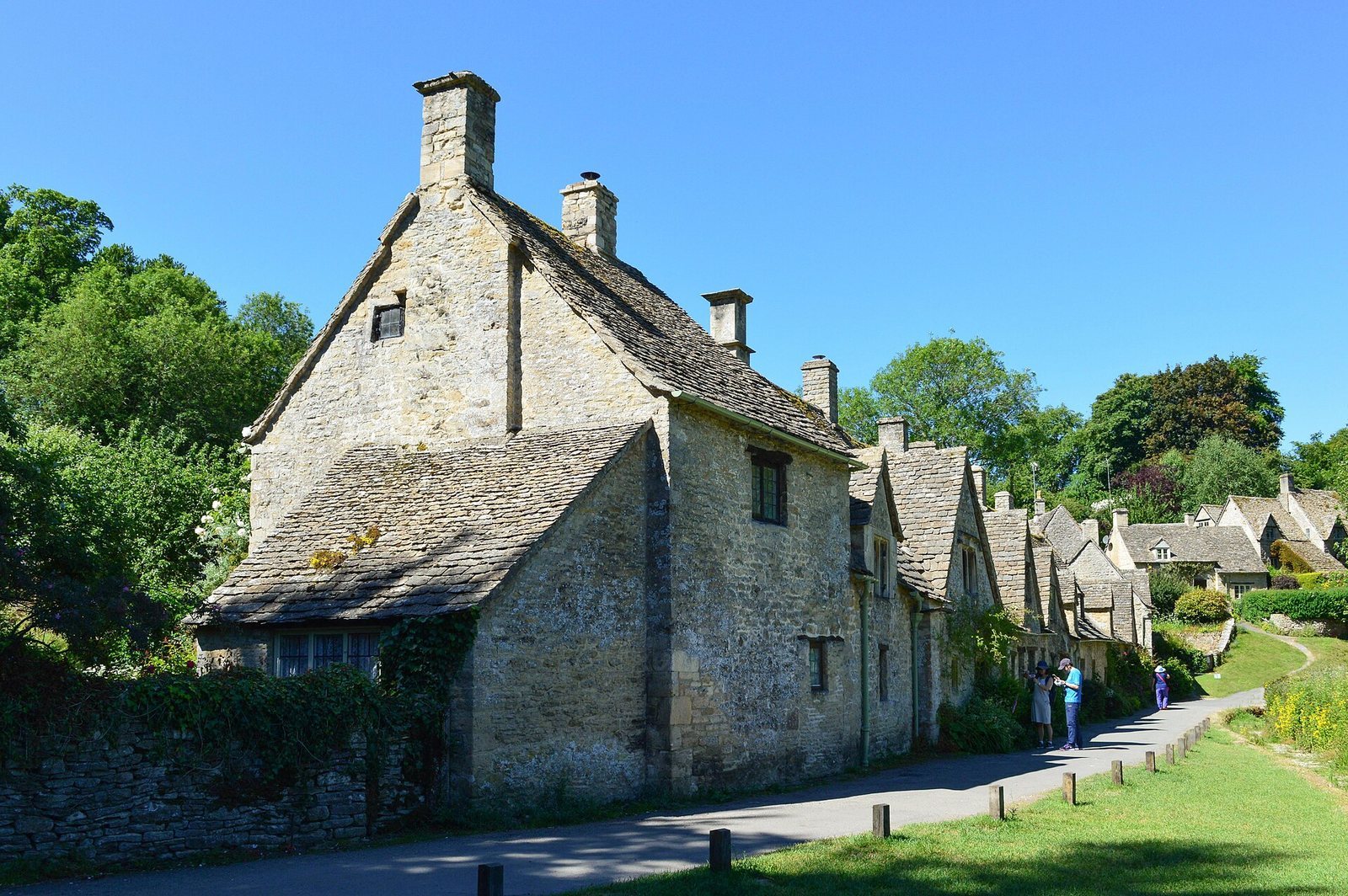
The row consists of two-storey limestone buildings. Their gables rise beneath slate-covered roofs supported by cruck frames, paired curved timbers that support the roof.
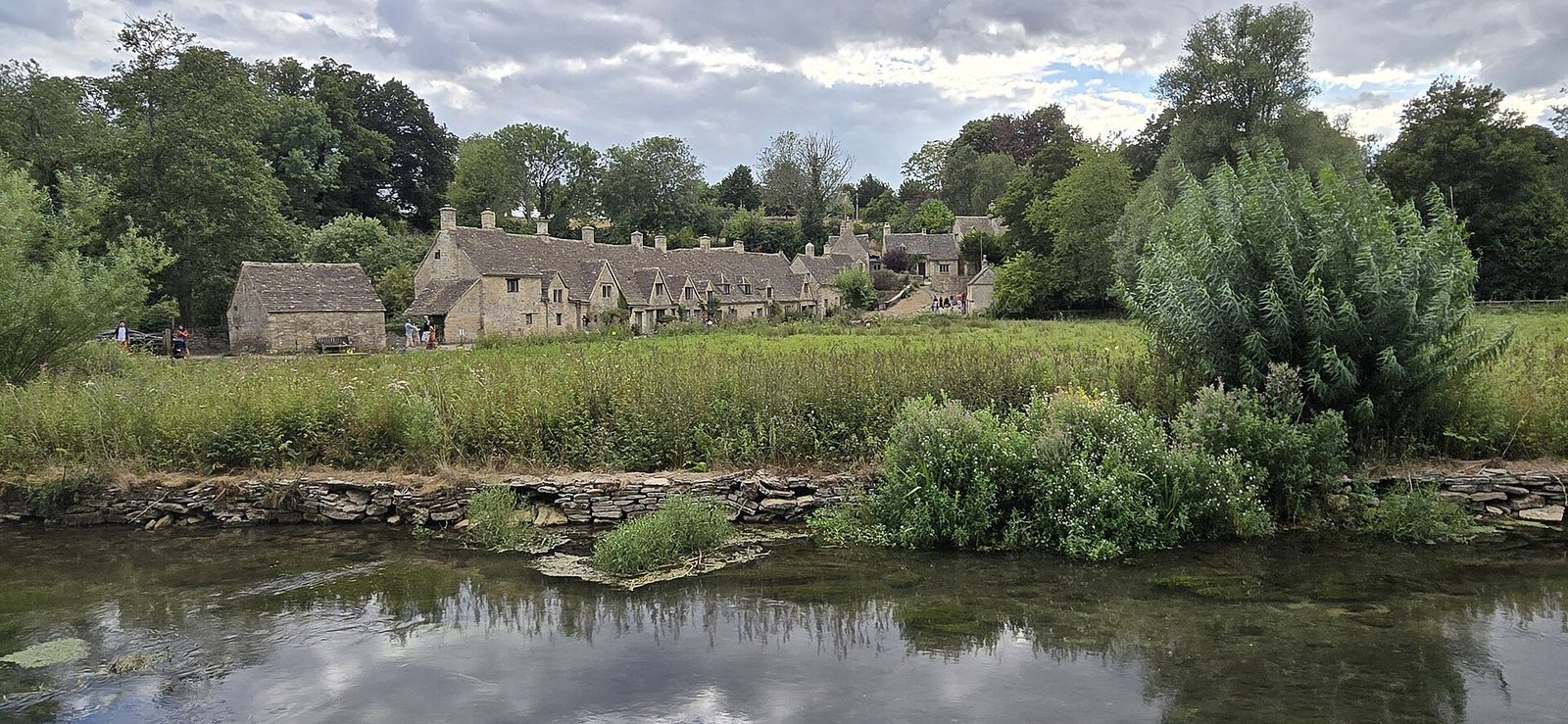
Arlington Row stands on Awkward Hill. Opposite it, Rack Isle is the site of the racks where cloth was hung to dry.