Clare Priory: An Augustinian Friary in Suffolk
Site at a Glance
- Rating
- 4.8
- Popularity
- Medium
- Country
- United Kingdom
- Primary era
- Medieval
- Eras represented
- Medieval
- Civilizations
- English
- Site type
- Religious
- Remains
- Monastery
On this page9 sections
History
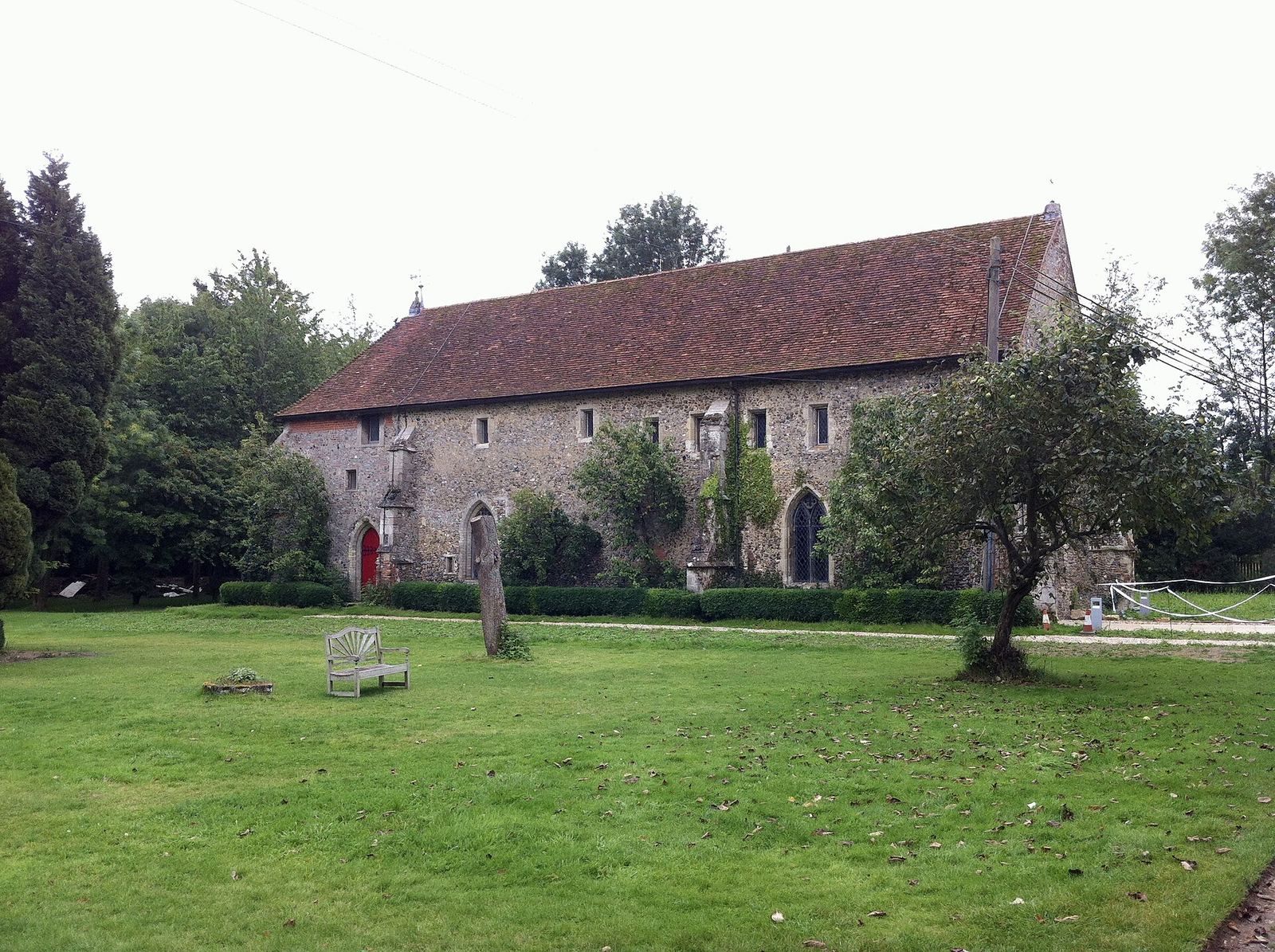
Clare Priory is an Augustinian friary founded in 1248 beside the River Stour near the medieval village of Clare in Suffolk, United Kingdom. Richard de Clare, 6th Earl of Gloucester, established it as the first English house of the Augustinian Friars, a Catholic religious order whose members followed the Rule of St Augustine.
Medieval priory
At its foundation, Clare was a dependent house, or cell, of Bec Abbey, a Benedictine monastery in Normandy. In 1326, Edward II made it a cell of Westminster Abbey, a major English religious institution. During the fourteenth century, the Augustinian order had more than 800 friars in England and Ireland. Its numbers had fallen to about 300 for other reasons before Henry VIII’s anti-clerical laws and the Act of Supremacy, which established the English monarch’s authority over the Church of England.
Clare was among the first English religious houses suppressed in 1538 during the Dissolution of the Monasteries, the closure and appropriation of religious houses under Henry VIII as part of the English Reformation. People buried at the priory included Joan of Acre, daughter of Edward I and Countess of Hertford and Gloucester; her youngest son, Edward de Monthermer; and Lionel of Antwerp, son of Edward III and Duke of Clarence. Thomas Edwardston, prior of Clare, was buried there after his death in 1396, as was Edmund Mortimer, 5th Earl of March, who died in 1425. Site signs once incorrectly named Elizabeth de Burgh, 4th Countess of Ulster, as buried at Clare; she was buried at Bruisyard Abbey.
Suppression and private ownership
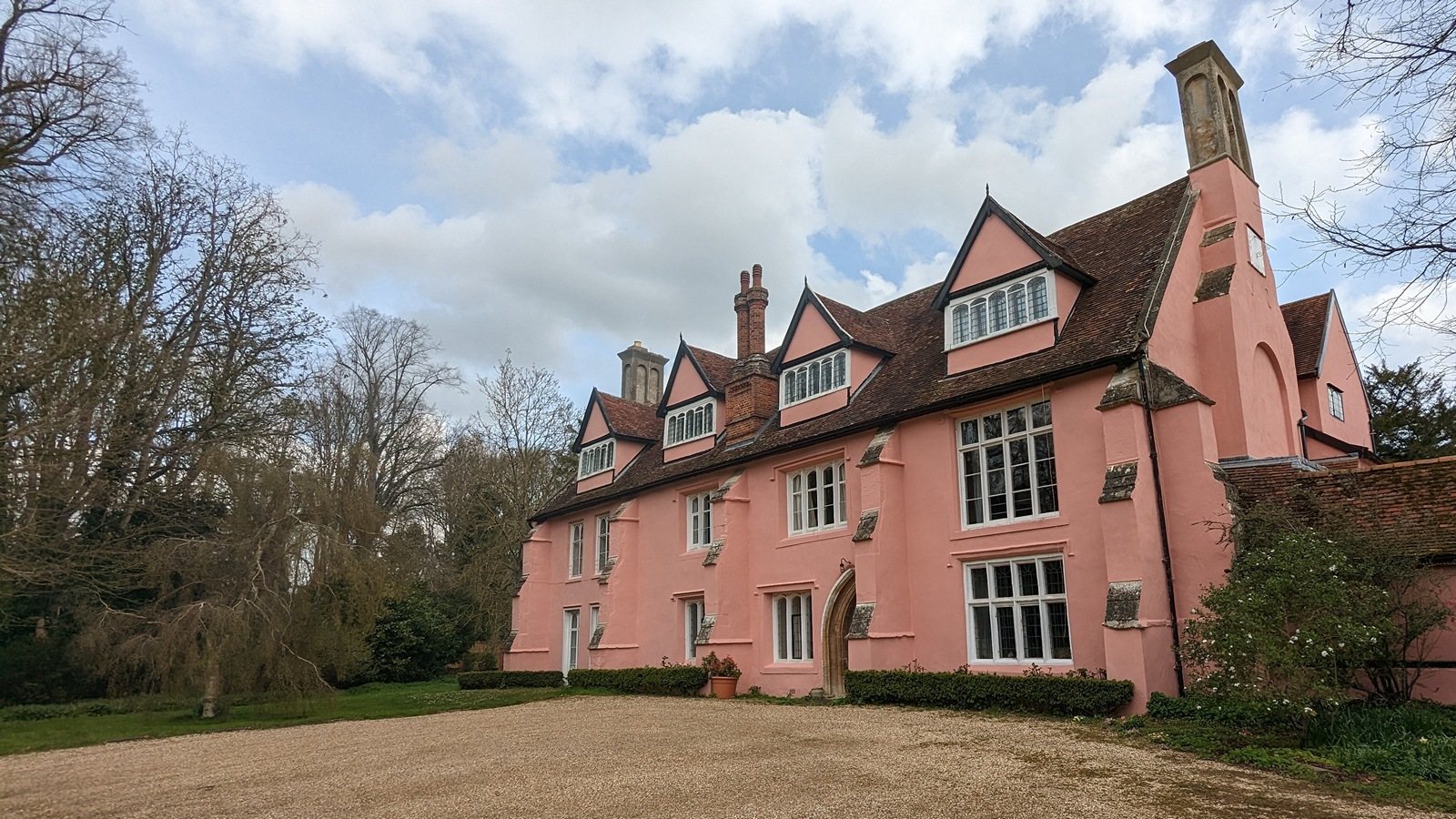
After the priory’s suppression, the property passed through several owners. In 1604 it was converted into a home for Sir Thomas Barnardiston, grandfather of Sir Thomas Barnardiston, 1st Baronet. The Baker family owned the property during the seventeenth and eighteenth centuries.
Return to religious use
In 1953, the Irish Augustinian Friars bought the house with help from the family that then owned it, restoring the priory to religious use. Clare Priory is a Grade I listed building, the highest category of listed-building protection in England; it was first listed in 1961.
Remains
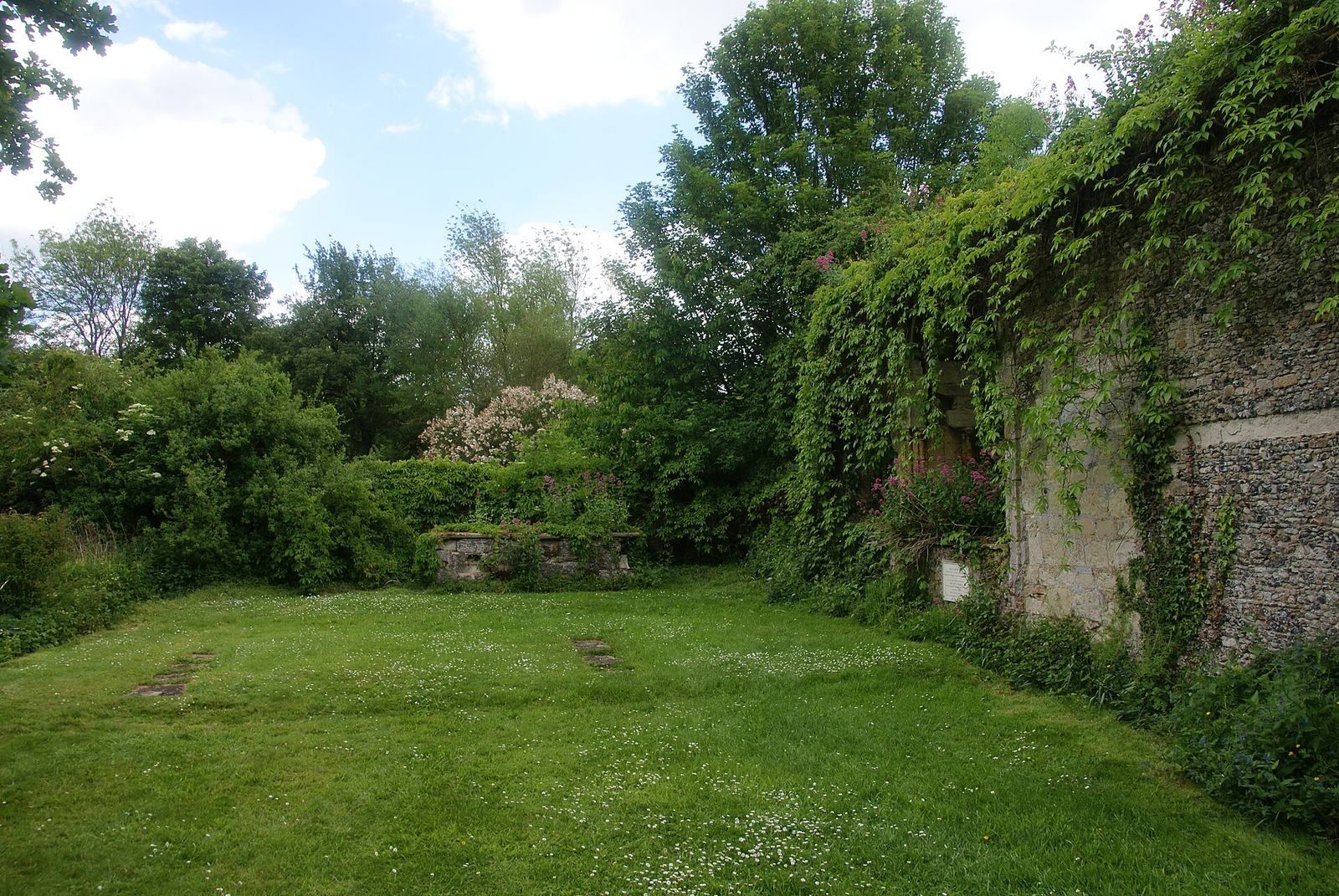
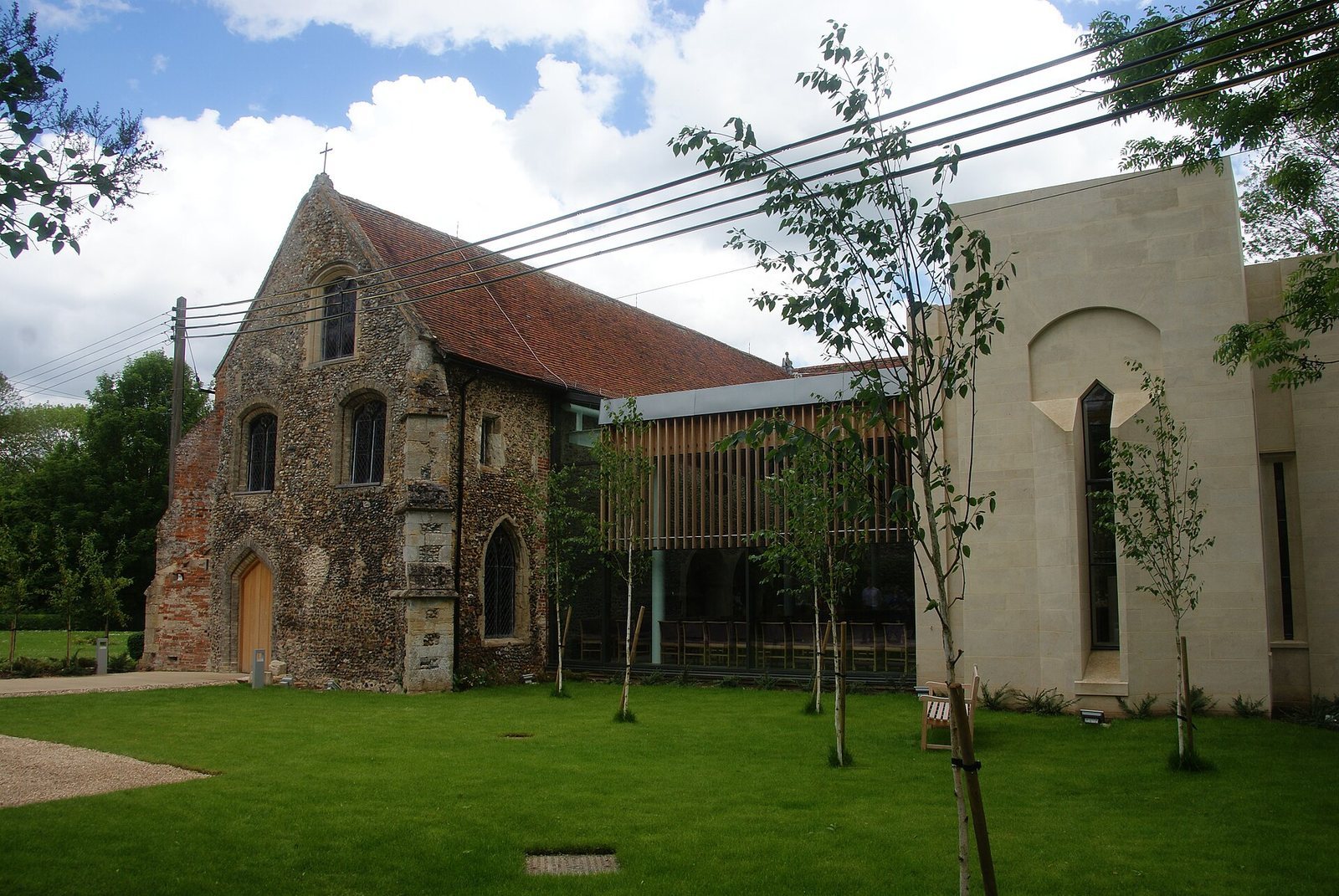
Beside the River Stour, the priory retains a small cloister with a shrine, a vaulted porch and stained glass. These surviving features give a sense of the buildings and religious furnishings associated with the site.
Priory features
Cloister and shrine
The small cloister contains a shrine with a relief of the Mother of Good Counsel, a Catholic title for the Virgin Mary. The religious artist Mother Concordia, a member of the Order of Saint Benedict, made the relief based on an original wall painting at Genazzano near Rome.
Porch and stained glass
A vaulted porch and stained glass are also retained at the priory.
The 1804 miniature
Made for the Baker family’s children in 1804, a detailed miniature reproduces the priory’s appearance and furnishings at that time. It contains everyday play furniture and more elaborate furniture intended for visitors. Several miniature chairs were modelled on original Clare Priory furniture and carry the Baker family coat of arms. The miniature later passed with the priory to the May family and is now preserved and displayed at Saffron Walden Museum.