Madron Well and Madron Well Chapel: A Sacred Spring and Medieval Chapel
Site at a Glance
- Rating
- 4.5
- Popularity
- Medium
- Country
- United Kingdom
- Primary era
- Medieval
- Eras represented
- Medieval
- Civilizations
- English
- Site type
- Religious
- Remains
- Chapel
On this page9 sections
History
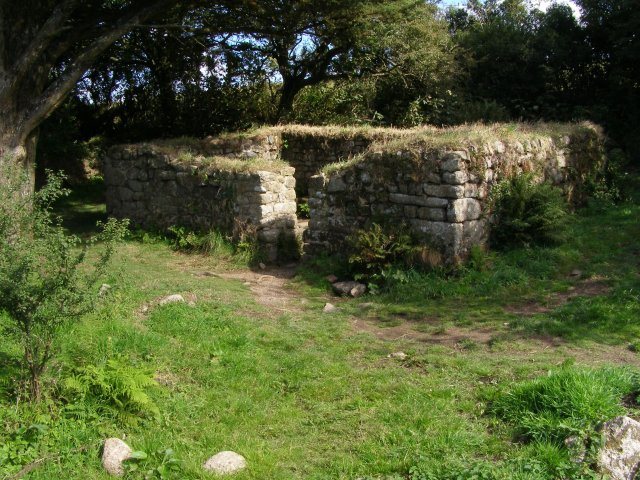
Madron Well and Madron Well Chapel are a natural spring and a roofless chapel near Madron village in the United Kingdom. Dedicated to St Madern, the chapel is dated to either the 12th or 14th century. Until the 18th century, the well and its stream supplied Madron and Penzance with their only sources of water, and the site became associated with healing and local rites.
Chapel origins and conflict
The chapel stands on the site of a much older Celtic structure. Its fabric has been interpreted as pointing to an early Christian foundation, although no surviving part of the chapel is evidenced as older than the building itself. During the English Civil War, the conflict fought in England from 1642 to 1651, Major Ceely partly destroyed the chapel.
Water, healing, and ritual
John Trelille, described as a poor man with a disability, was said to have recovered before 1641 after bathing in the well and sleeping on a grassy mound known as St Madern’s bed. The mound was remade each year. Another custom involved young people, mainly girls from Penzance, gathering before sunrise for May Day divination. They pinned together two short grass stems or pieces of straw and dropped them into the water; rising bubbles were understood to show how many years would pass before marriage. By 1879, the ceremony was held on Sundays rather than May Day because the girls worked during the week.
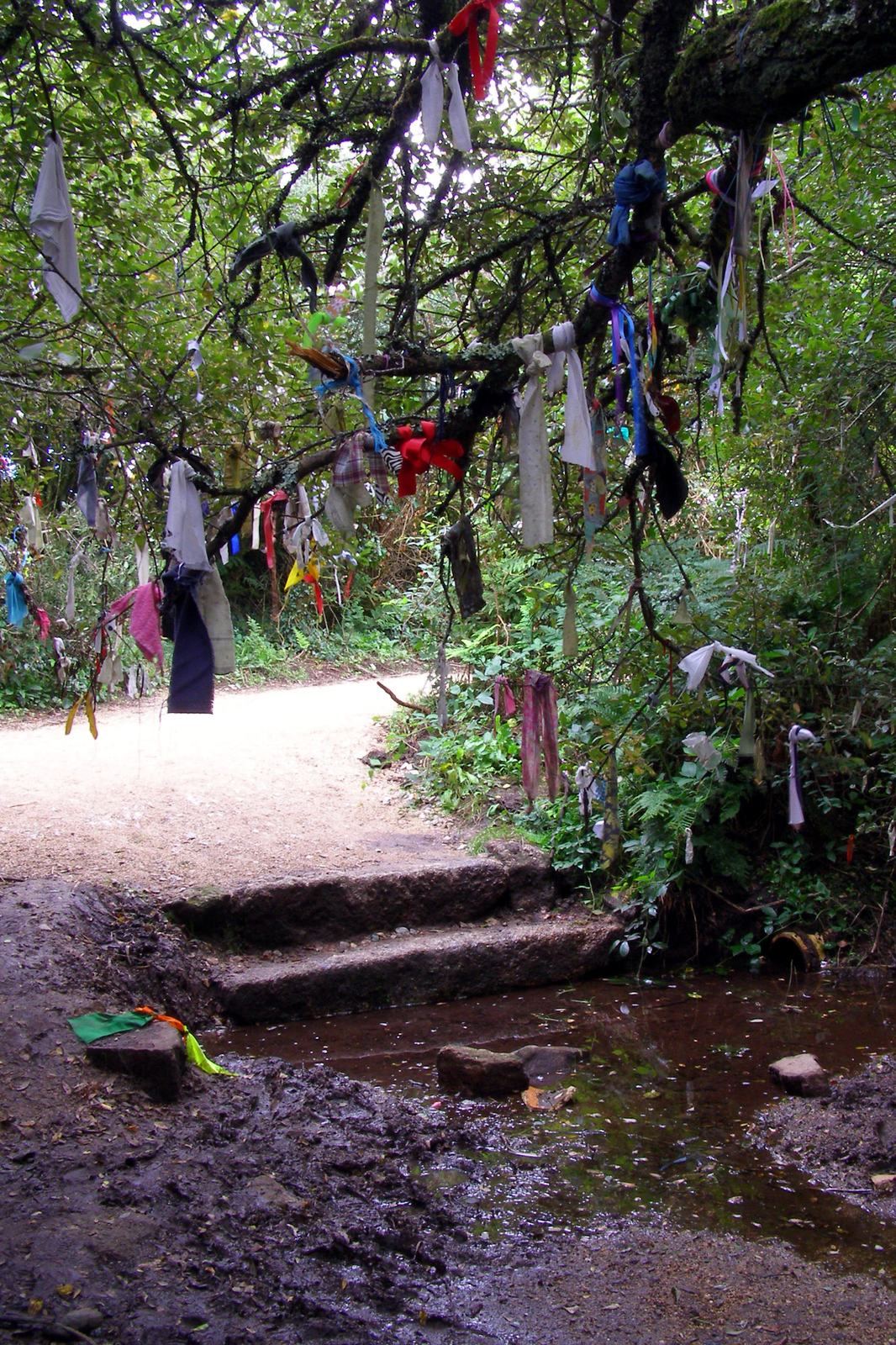
People also tied pieces of cloth, called clouties, to nearby bushes to appease spirits believed to inhabit the well. The custom was not being practised in 1879, but it continues today.
Later proposals and protection
In 1882, piping water from the well to Madron Churchtown was proposed, and T. S. Bolitho offered to contribute towards the estimated cost of £150. At a meeting in 1886, the Penzance Natural History and Antiquarian Society raised concern about stone being taken from the chapel. The chapel was scheduled in 1926 and the well in 1970. The chapel remains a scheduled monument, a historic site protected by law, under the Ancient Monuments and Archaeological Areas Act 1979, and is considered nationally important.
Remains
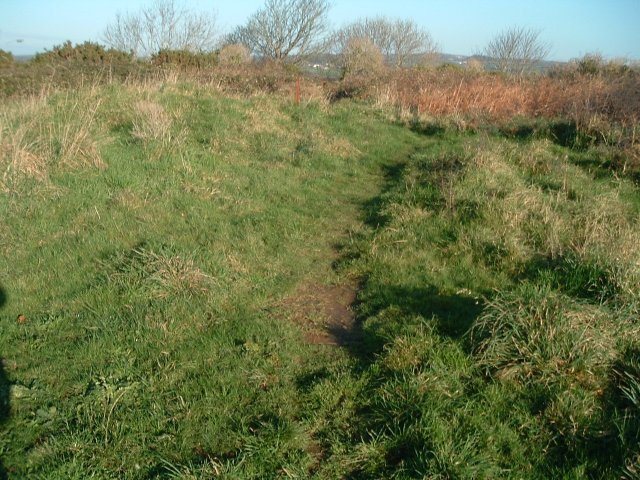
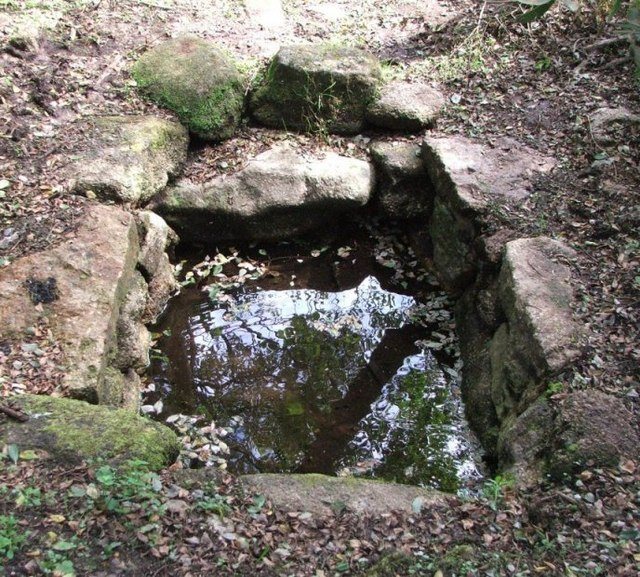
The site comprises a roofless chapel and a natural spring, with the spring about 200 m west of the chapel. The chapel stands roughly 1 mile (1,600 m) northwest of Madron village. Its stone walls and altar survive, while shrubs and undergrowth now conceal the ground-level spring.
The chapel
Plan and walls
Measurements published in 1846 gave the chapel’s interior as 20 by 10 feet (6.1 by 3.0 m), with walls 2 feet (61 cm) thick and 8 or 9 feet (2.4 or 2.7 m) high. Measurements published in 1879 recorded exterior dimensions of 25 by 16 feet (7.6 by 4.9 m), with walls also described as 2 feet thick. A stream runs through the chapel, and its course accounts for the entrance’s unusual position in the north wall rather than west of centre.
Altar and chancel
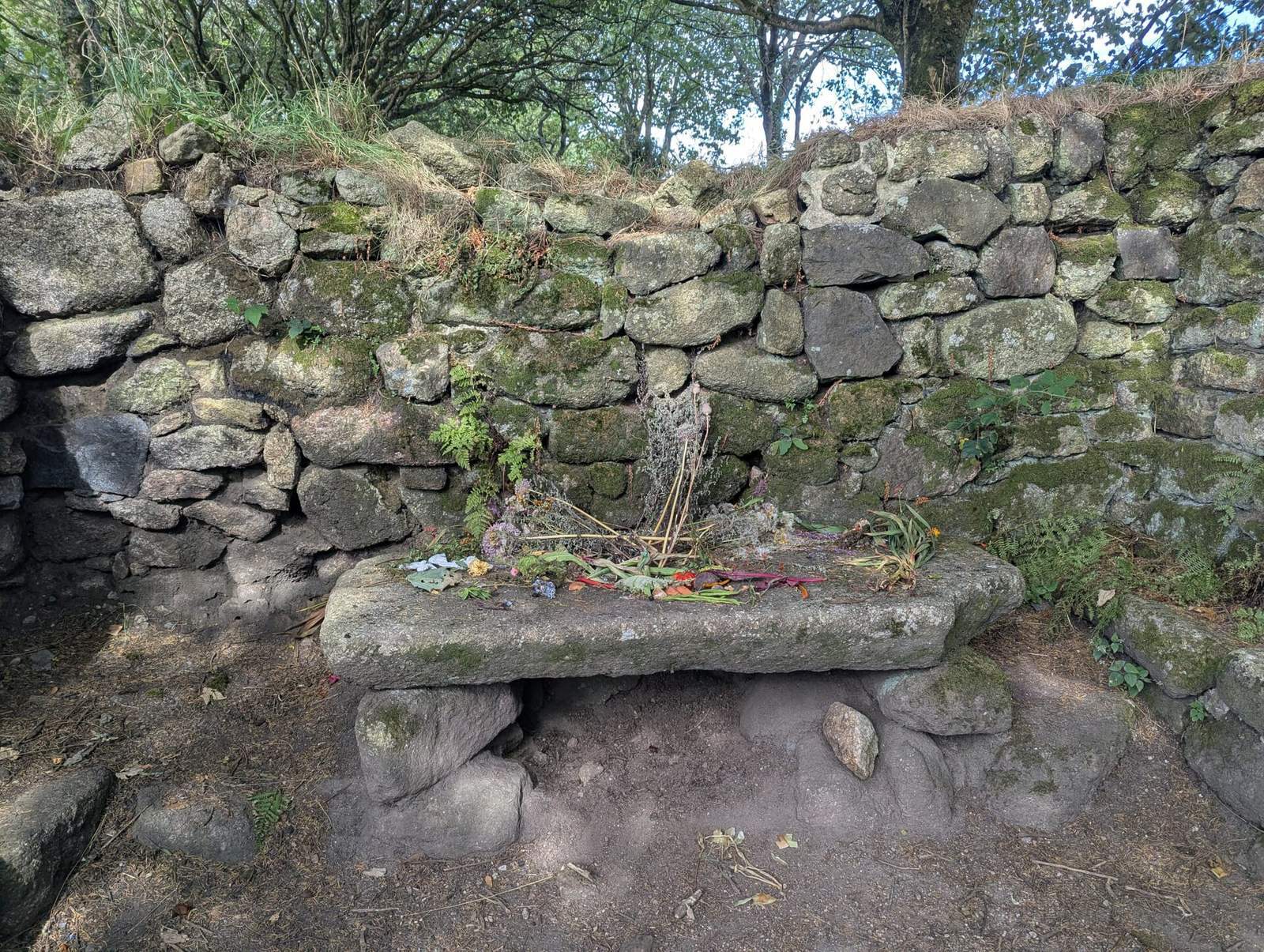
The granite altar measures 5 feet 10 inches (178 cm) long and 2 feet 7 inches (79 cm) wide, rising 2 feet 10 inches (86 cm) above the floor. A depression measuring 9 by 8 inches (23 by 20 cm) was made to hold a portable mensa, the altar slab used to celebrate Mass. The altar, stone seats, and chancel, the area near the altar traditionally reserved for clergy and choir, appear to date to the first half or middle of the 12th century.
The spring and surrounding plants
The well is a natural spring at ground level. Cloth offerings can be seen along the path to the chapel and on bushes near the spring. Cornish moneywort, a nationally scarce plant, was first recorded at the site in 1824. During an August 1888 visit, members of the Penzance Natural History and Antiquarian Society were shown pale butterwort and round-leaved sundew, and were told that plants from the site had been sent to the naturalist Charles Darwin.