Edeta: An Iberian Hilltop Capital in Spain
Site at a Glance
- Rating
- 4.5
- Popularity
- Low
- Country
- Spain
- Primary era
- Iron Age
- Eras represented
- Iron Age
- Civilizations
- Iberian
- Site type
- Settlement
- Remains
- City
On this page11 sections
History
Edeta was an Iberian hilltop city on San Miguel Hill near present-day Llíria, Spain; the hill had been occupied since the second millennium BCE. The Edetani were an Iberian people, and Edetania was their territory in the eastern Iberian Peninsula.
Iberian capital
Edeta developed as a city from the fifth century to the early second century BCE and served as the capital of Edetania. Iberian was its official language. The city’s decorated ceramics offer evidence of the pursuits and ceremonies associated with its privileged urban class.
Roman conquest and resettlement
Following the Roman conquest in the early second century BCE, Edeta was destroyed, burned, and looted, bringing occupation of the hill settlement to an end. Its population was resettled slightly to the north, on the plain at Pla de l’Arc. A new city of the same name developed there in Roman style and flourished during the first and second centuries CE. Pliny the Elder, a first-century Roman author, described it as a municipium, a community whose inhabitants held a defined form of Latin legal status within the Roman world.
The second-century geographer Claudius Ptolemy also recorded Leiria as a name for Edeta. Leiria has been identified as the origin of the present-day name Llíria. Professional investigations of the hill began in 1933, led by the Provincial Council of Valencia’s Prehistoric Research Service. The settlement is protected under Spain’s Asset of Cultural Interest designation, and its 1994 registration names it the Iberian Settlement of San Miguel Hill.
Remains
Hilltop setting and urban plan
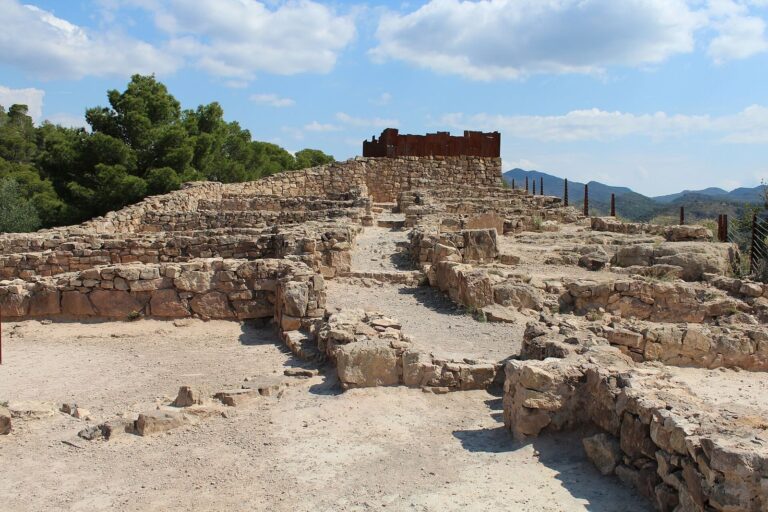
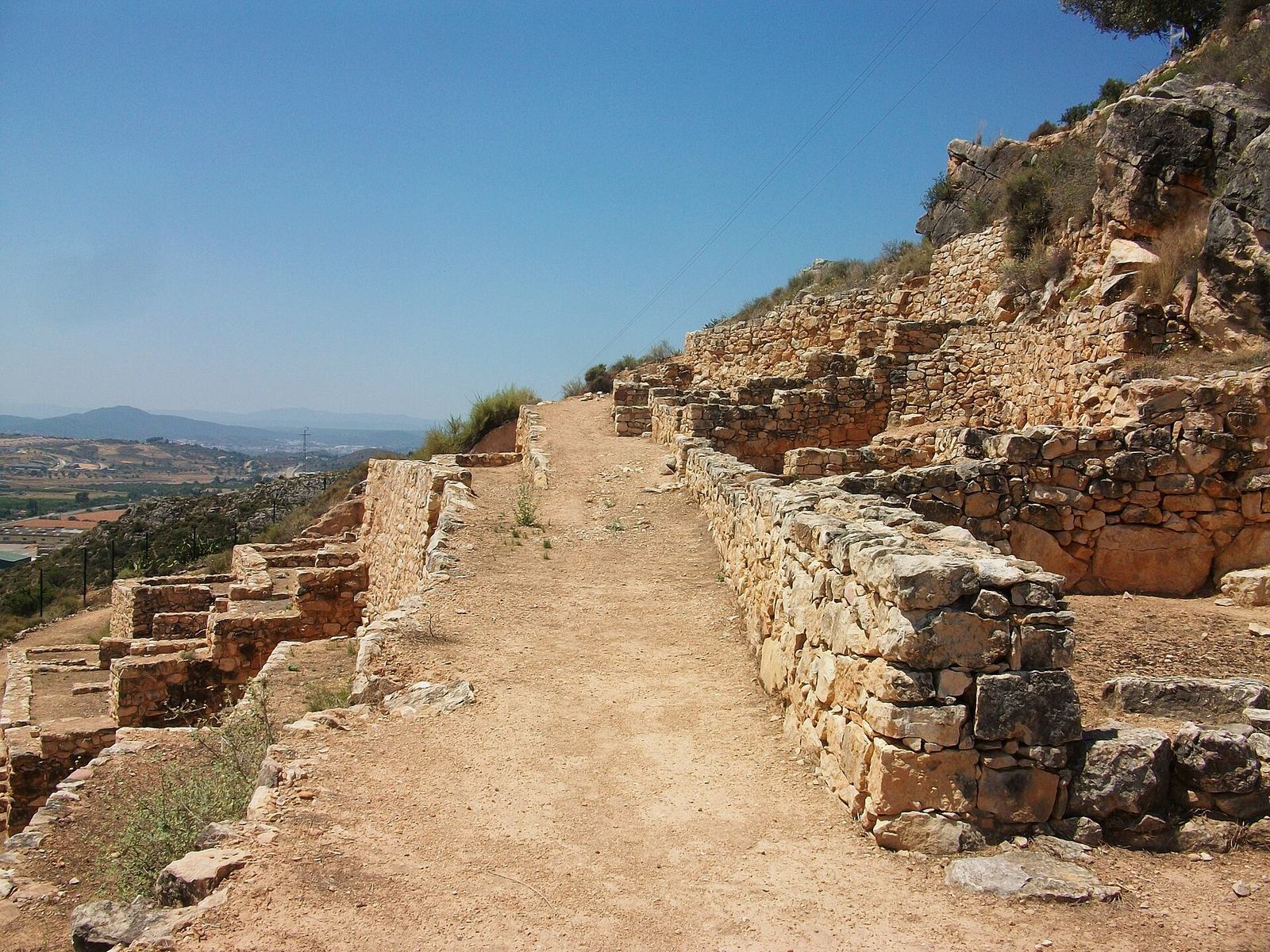
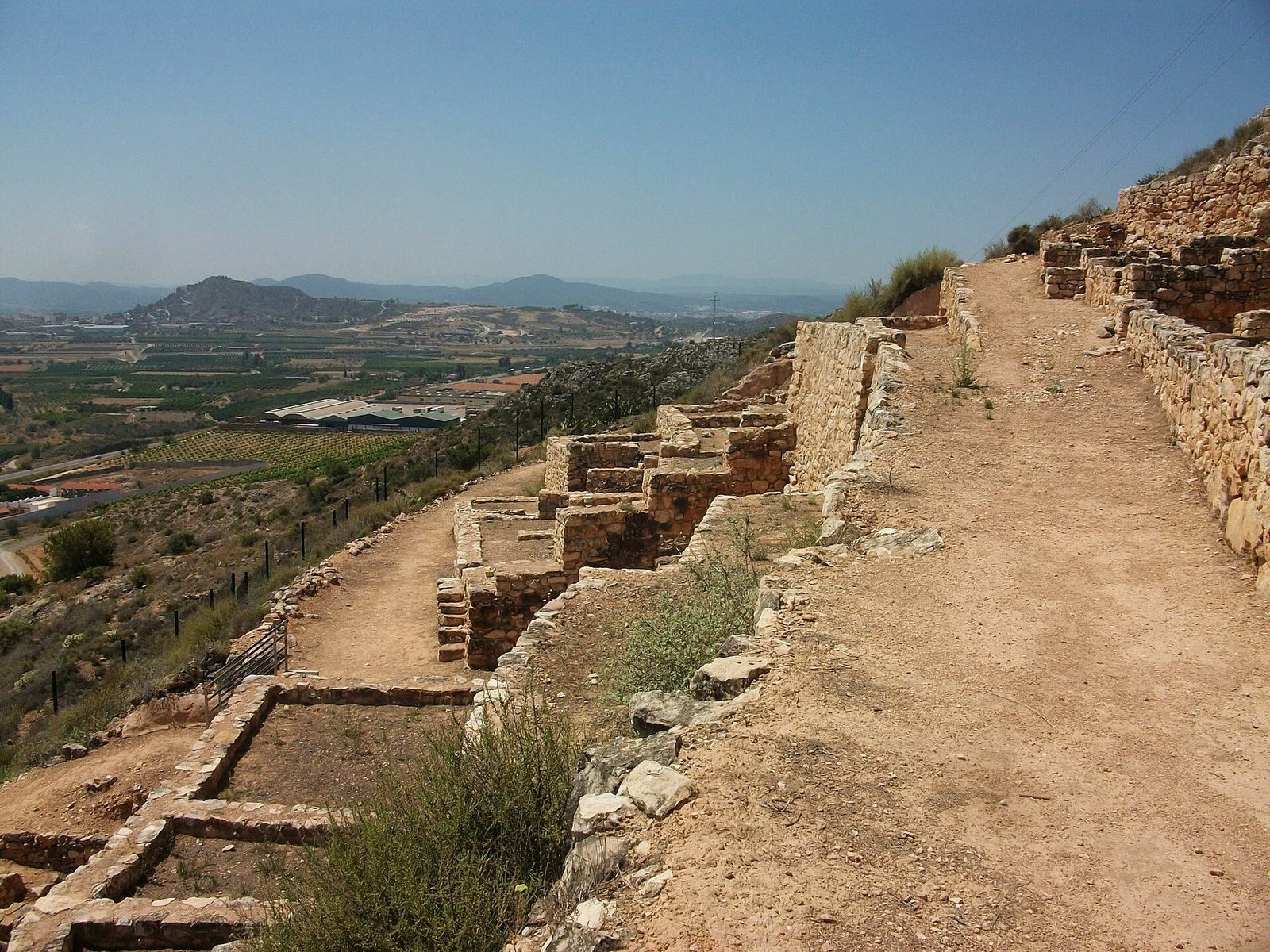
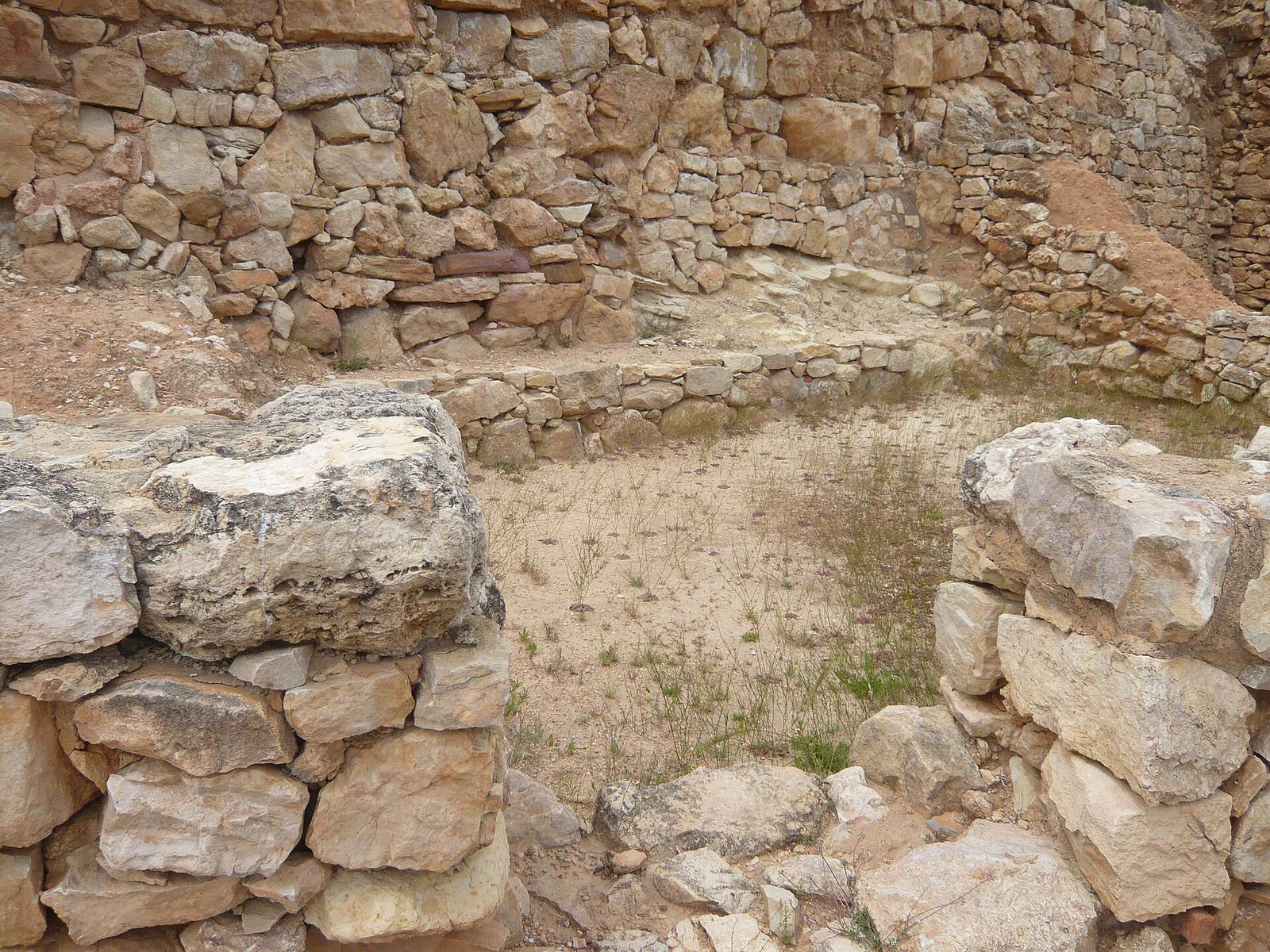
The archaeological remains extend along a long hill averaging about 200 metres above sea level, roughly 500 metres from the historic centre of Llíria. The elevated site overlooks a broad area of the Valencian plain, and the Iberian city spread across the hill and its slopes. Between the fifth and early second centuries BCE, it covered about 10 to 15 hectares. Its layout followed the contours, with buildings set against the rock on artificial terraces and streets running along the hillside. Terraces and streets were arranged in steps about 10 to 15 metres apart.
Houses and excavated features
Houses and streets
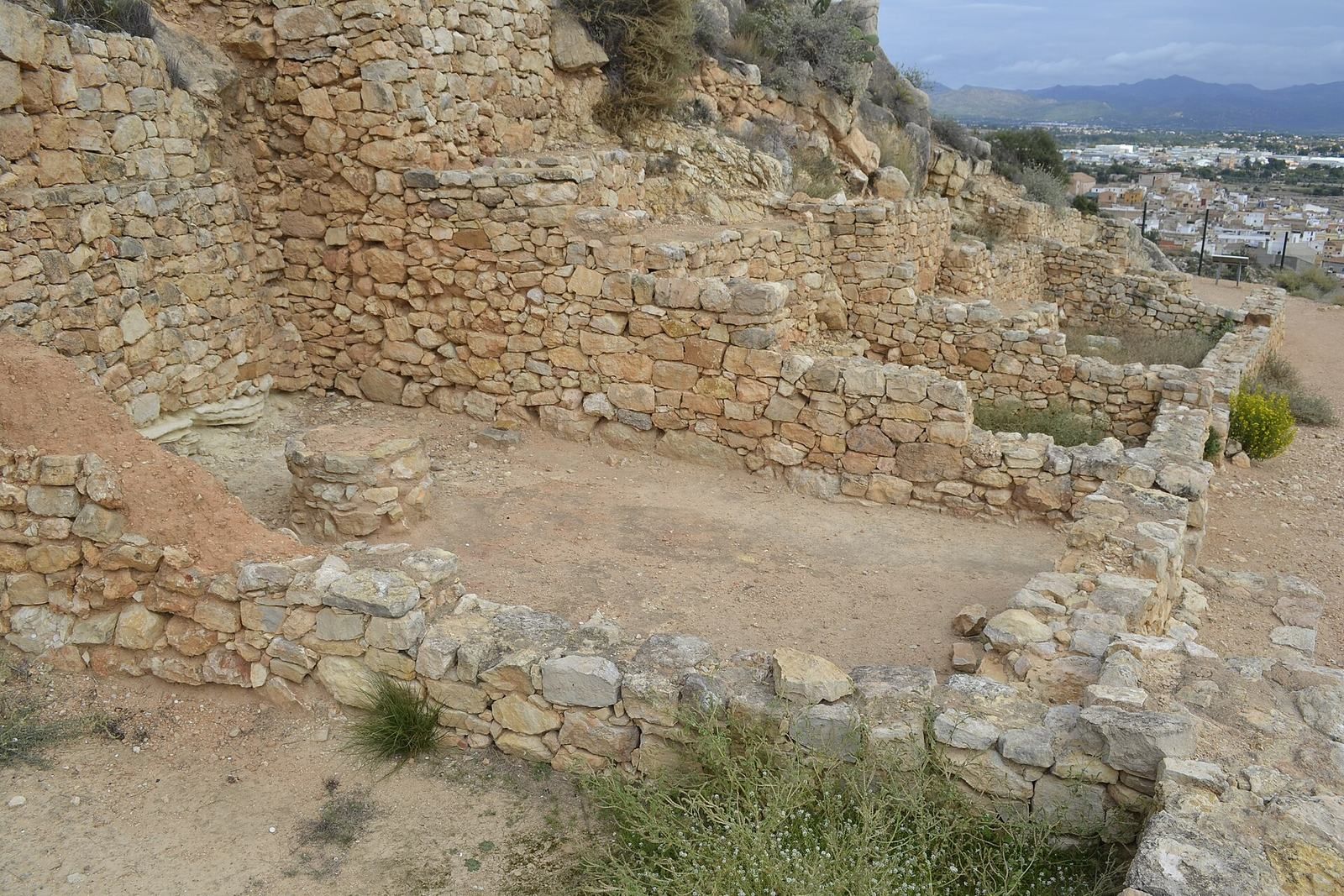
Houses were built into the rock and had flat roofs. Some had two storeys, and certain dwellings could be entered from either of two street levels. The stepped arrangement of streets and terraces followed the natural slope of the hill.
Excavated remains
Excavations exposed 131 rooms, along with stairways and narrow lanes. Other finds from the settlement include mills, domestic ovens, and agricultural implements.
Ceramics and other finds
Painted vessels
Decorated ceramic vessels, especially those dating from the late third to early second century BCE, carry painted scenes arranged in friezes, usually with several figures. Their subjects include hunting, warfare, duels, competitive games, bullfighting, mock naval battles, fishing, and dance, with the horseman given particular importance. Images of enthroned women, processions, and dances point to the festive and religious character of collective ceremonies. The women’s clothing and attributes have been interpreted as signs of high rank. Specialist artisans and artists produced these vessels for elite patrons.
Inscriptions and portable finds
Other recovered objects include Iberian inscriptions, coins, ornaments, and weapons. Most of the material from Edeta is displayed at the Museum of Prehistory of Valencia, while a smaller collection is held by the Archaeological Museum of Llíria.