El Conde: A Postclassic Palace Site in Naucalpan, Mexico
Site at a Glance
- Popularity
- Medium
- Country
- Mexico
- Primary era
- Medieval
- Eras represented
- Medieval
- Civilizations
- Aztec
- Site type
- Civic
- Remains
- Palace
On this page4 sections
History
Postclassic foundation
El Conde is a pre-Hispanic palace site in the El Conde neighborhood of Naucalpan, in the State of Mexico, Mexico. Its principal structure was built between 1000 and 1200 CE, during the Postclassic period, which followed the Classic era and continued until the Spanish conquest in the early sixteenth century. The building served as a tecpan, a palace for nobles that also functioned as a center for local government and administration.
The structure is associated with Chichimeca culture and possibly with either Tepanec or Tlahuica culture. Chichimeca is a broad term for Indigenous peoples of northern and central Mexico. The building is also tentatively assigned to Aztec Phase III, an archaeological label for a later phase of Aztec-period material culture. Chichimeca settlement lay near the structure, in a period when Chichimeca groups conquered the Tlatilca and deposed their monarchy.
Political change and later identification
In 1428, Tepanecs from Azcapotzalco claimed the territory. After their defeat by the Triple Alliance, a coalition of Tenochtitlan, Texcoco, and Tlacopan that formed the basis of Aztec imperial power, the territory was ceded to Tlacopan, later known as Tacuba. The surrounding area came under Tlacopan’s rule and was dominated by Otomí people.
The site’s original name is unknown. “El Conde” came into use in the nineteenth century, when Manuel Conde lived atop the hill. Mexican archaeologist Manuel Gamio discovered the site in 1907 and identified it as a Postclassic construction. On December 28, 2001, it was declared a pre-Hispanic historical monument.
Remains
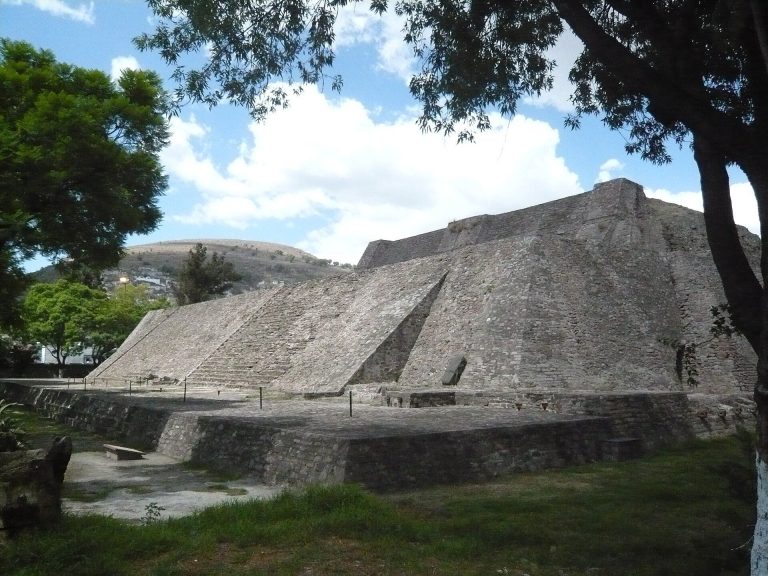
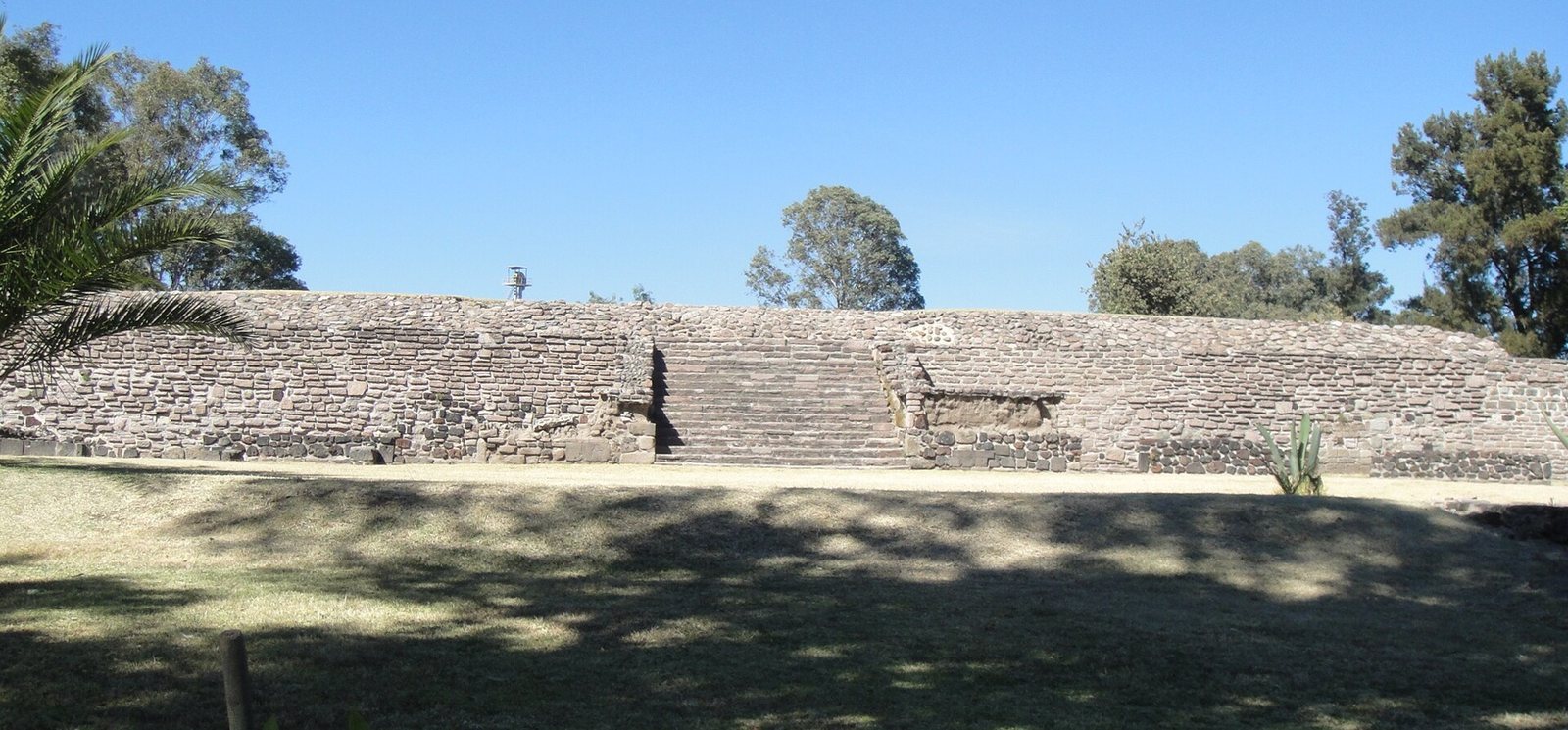
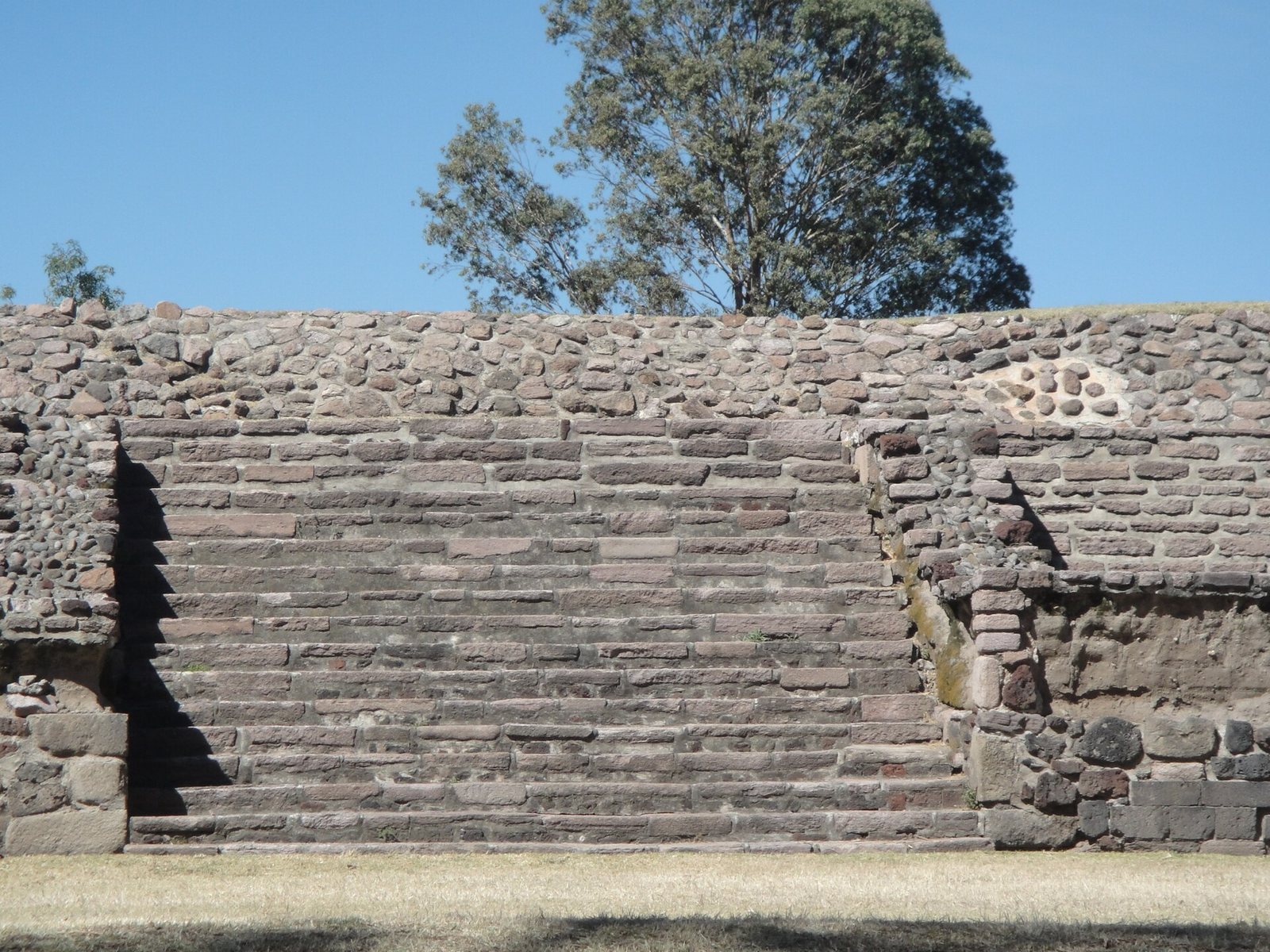
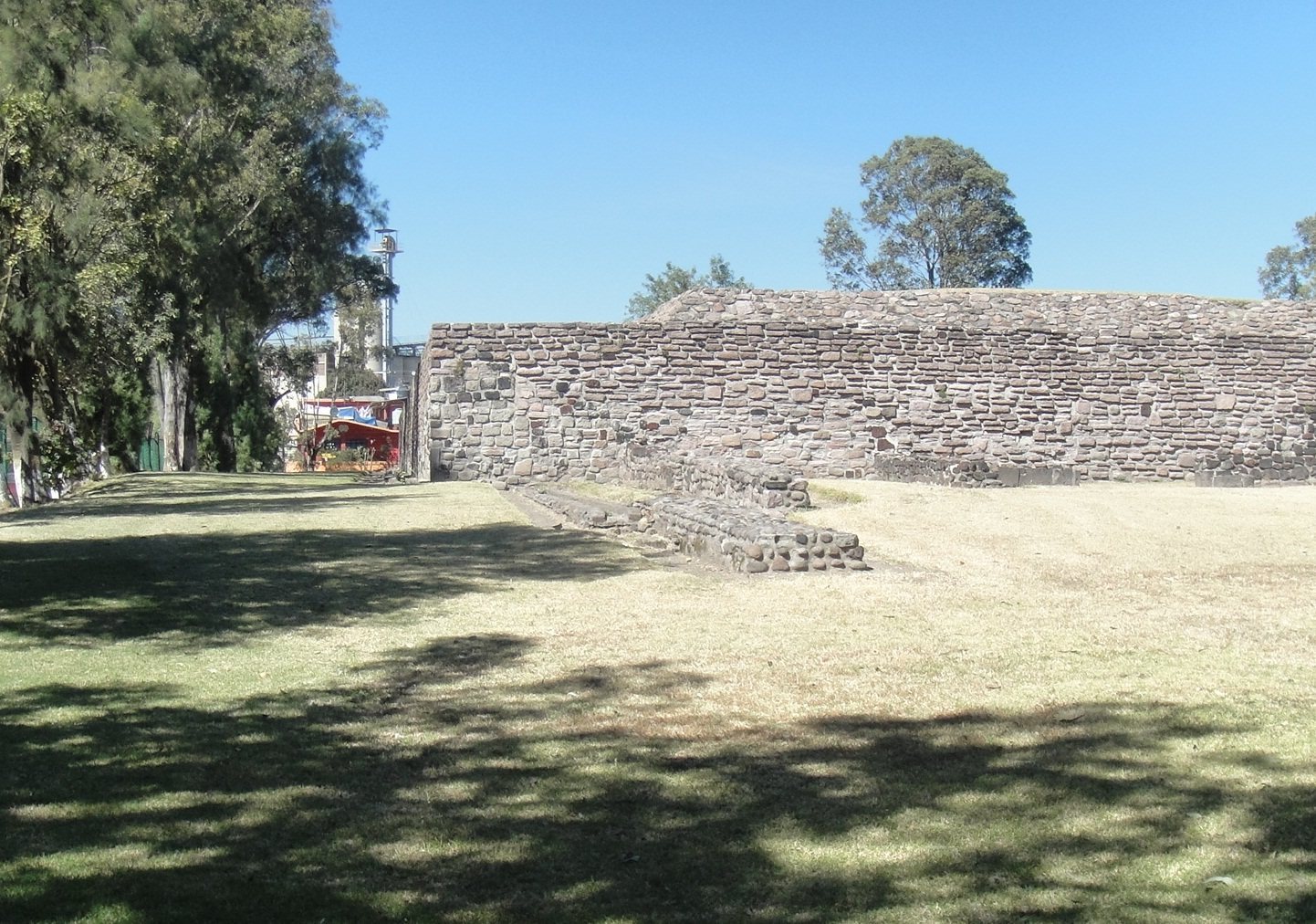
The principal structure, called the El Conde pyramid, covers more than 2,000 square metres. It is built on a rectangular platform that supports the pre-Hispanic palace. The building’s front includes a stairway, and several rooms are set within the structure; rooms of this kind appear to have been common in buildings of the period. The layout is compared with palaces shown in codices, including the palace of Nezahualcoyotl, ruler of Texcoco, depicted in the Quinantzin map, a pictorial manuscript. El Conde is considered one of the last examples of late Postclassic civil architecture.