Silwan Necropolis: An Ancient Burial Ground in Jerusalem
Site at a Glance
- Popularity
- High
- Country
- Israel
- Primary era
- Iron Age
- Eras represented
- Iron Age
- Civilizations
- Israelite
- Site type
- Burial
- Remains
- Necropolis
On this page10 sections
History
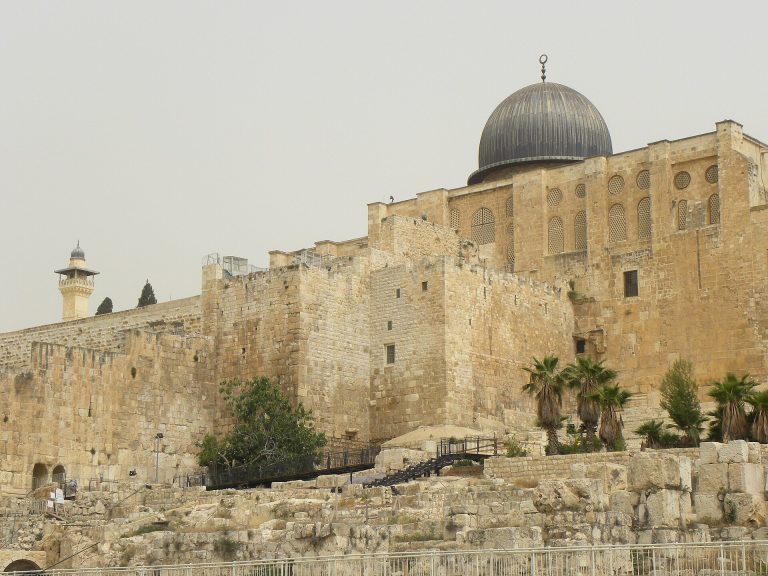
The Silwan necropolis is an ancient cemetery on the rocky eastern slope of the Kidron Valley in Jerusalem, Israel. Its tombs were cut between the ninth and seventh centuries BC and are thought to have served high-ranking officials who lived in the city.
Burial ground and historical interpretation
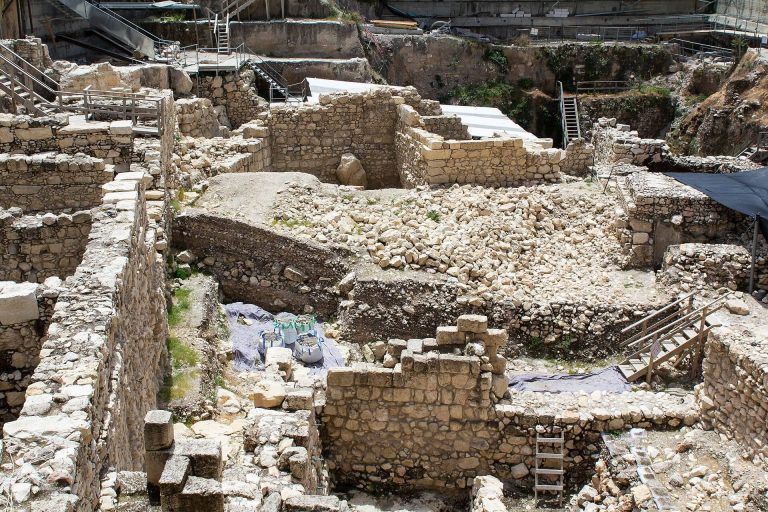
The tombs’ design has also informed interpretations of Jerusalem’s ancient history. David Ussishkin considered their resemblance to Phoenician building traditions, associated with the Levantine city-states, support for the biblical account of Phoenician influence on the Israelite kingdoms. A related proposal, that Israelite rulers were buried within city walls beneath a royal palace, is conditional on those kingdoms following burial customs used by other ancient Levantine kingdoms. Scholars place the palace on the hill west of the cemetery.
Reuse and investigation
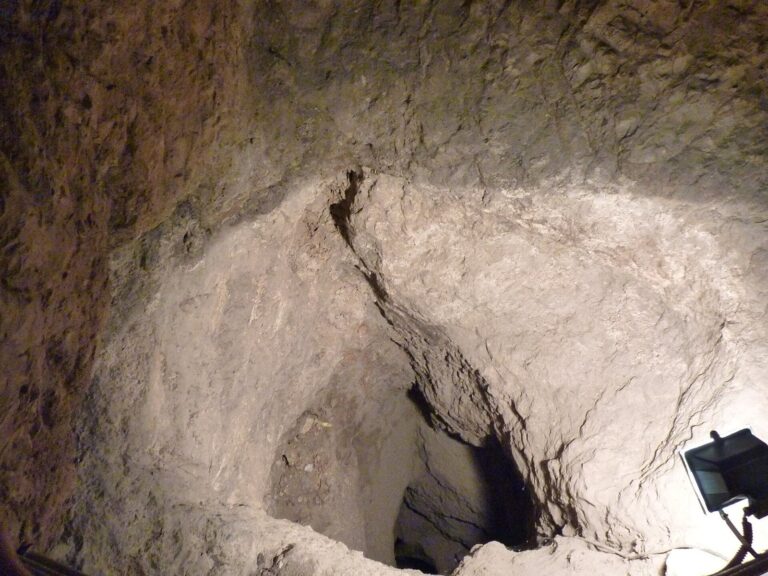
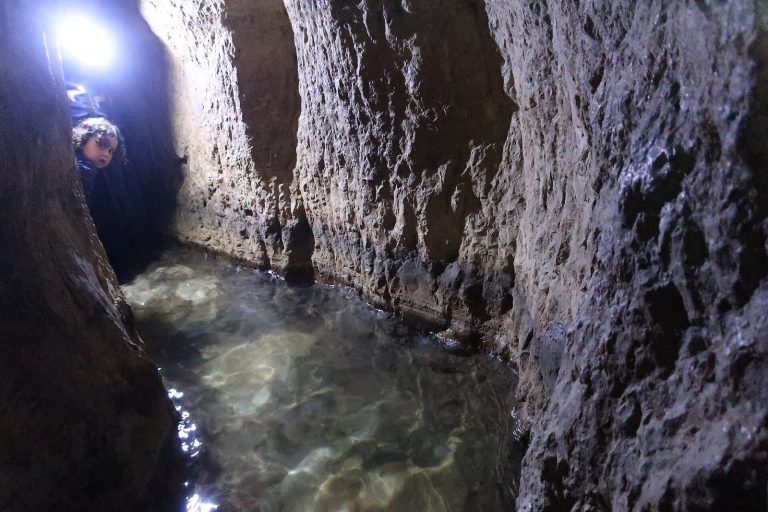
The tombs had been emptied of their contents long ago and suffered damage from quarrying and conversion to other purposes. During the Byzantine period, the later era of the Eastern Roman Empire, monks made some into homes and churches. Later residents built houses over tombs, adapted some as water cisterns, and used others as sewage dumps. Part of Silwan was eventually built over the burial ground.
The necropolis was known in the nineteenth century. Charles Simon Clermont-Ganneau discovered the Tomb of the Royal Steward in 1874, and its inscription was sent to the British Museum. Nahman Avigad deciphered it in the 1950s. Charles Warren attempted a survey in 1876, but reported that hostility from villagers prevented his work. A careful survey followed in 1968, when Ussishkin also described a third monolith tomb.
Possible identification as Shebna
Some scholars identify the Tomb of the Royal Steward as the burial place of Shebna, a senior officer responsible for the royal household and a treasurer under King Hezekiah of Judah. Hezekiah’s reign is dated to 727–698 BC. The identification remains uncertain. In Isaiah 22:16, Shebna is reproached for cutting a tomb for himself in rock, a detail that has contributed to the proposed connection.
Remains
Rock-cut burial ground
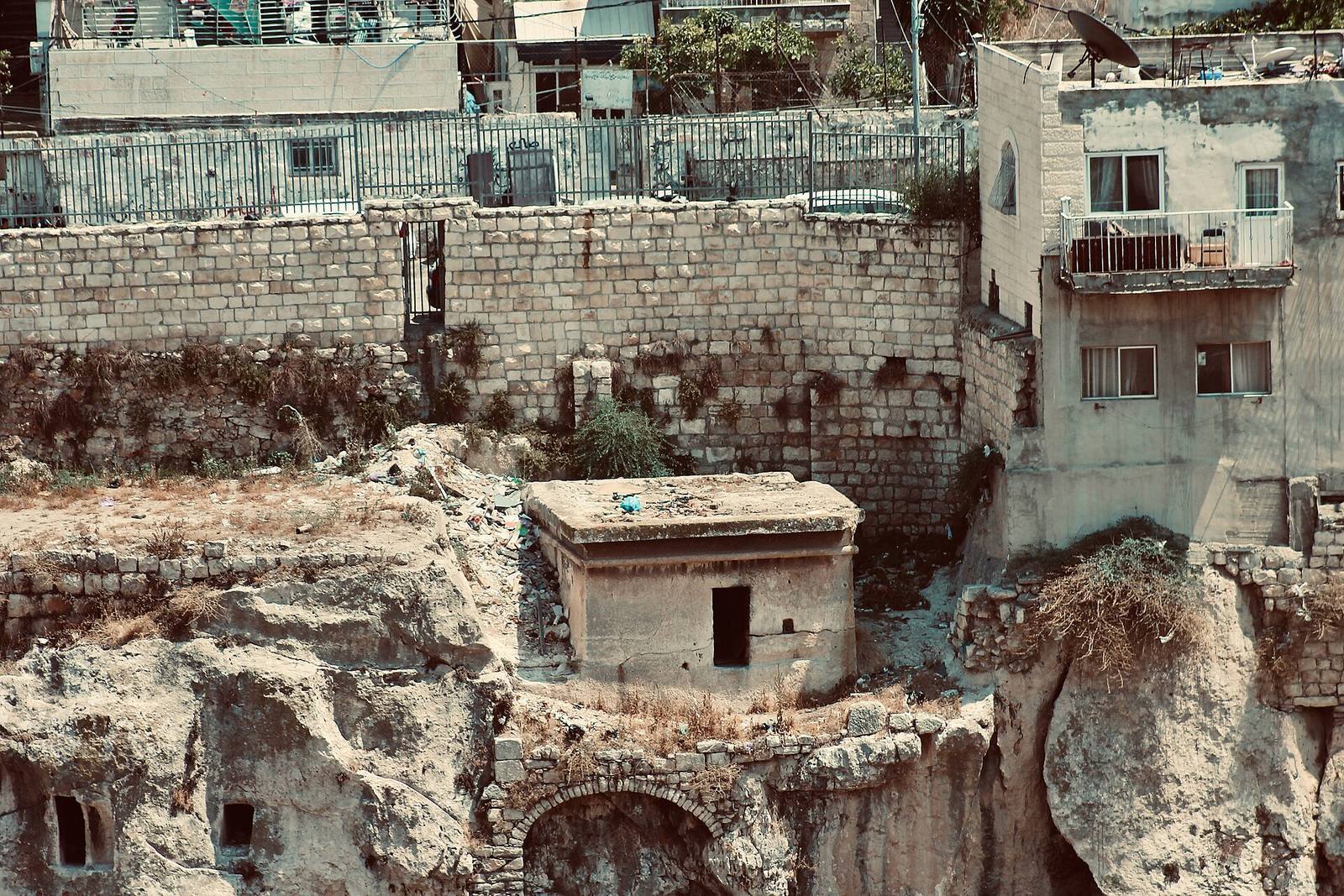
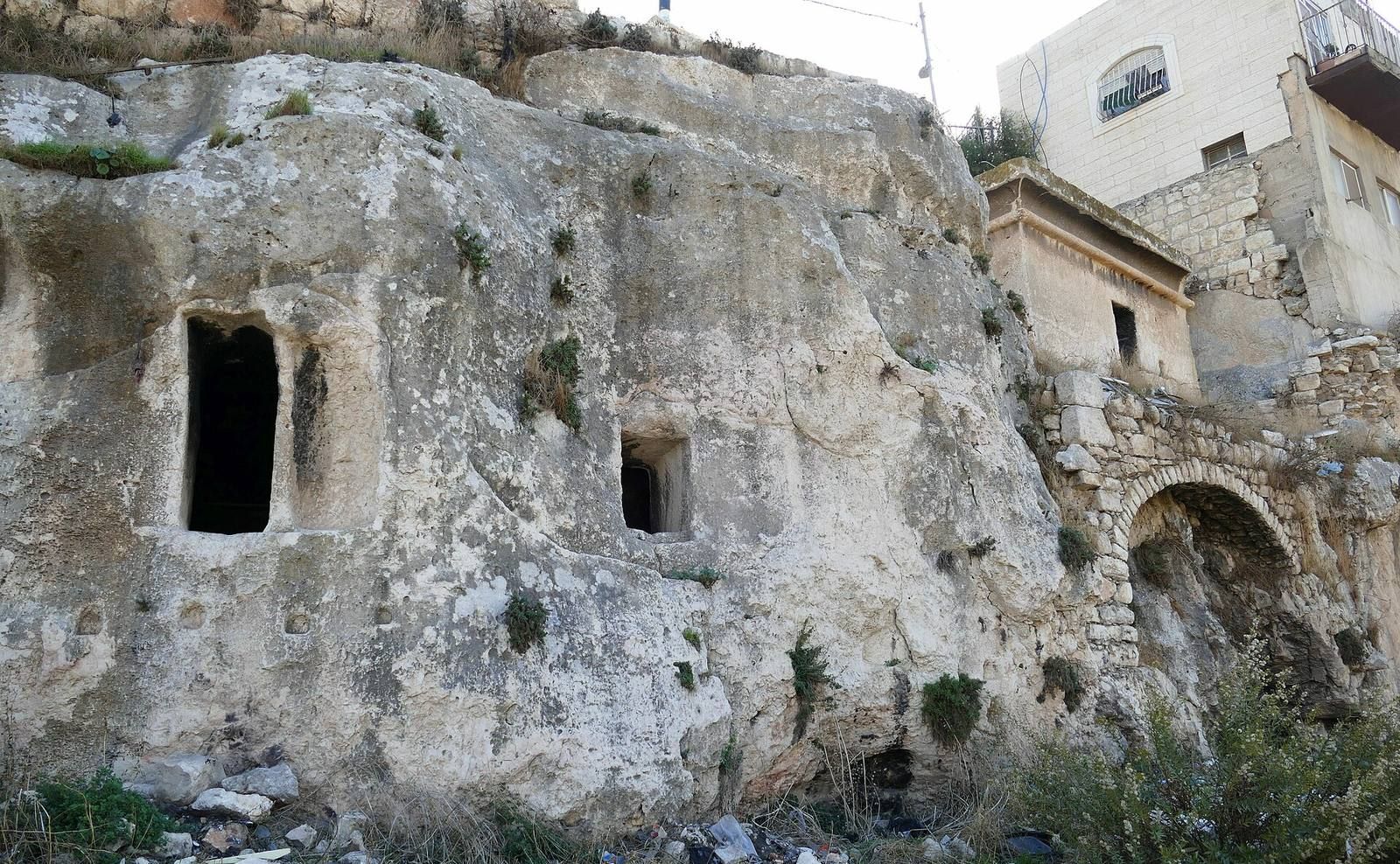
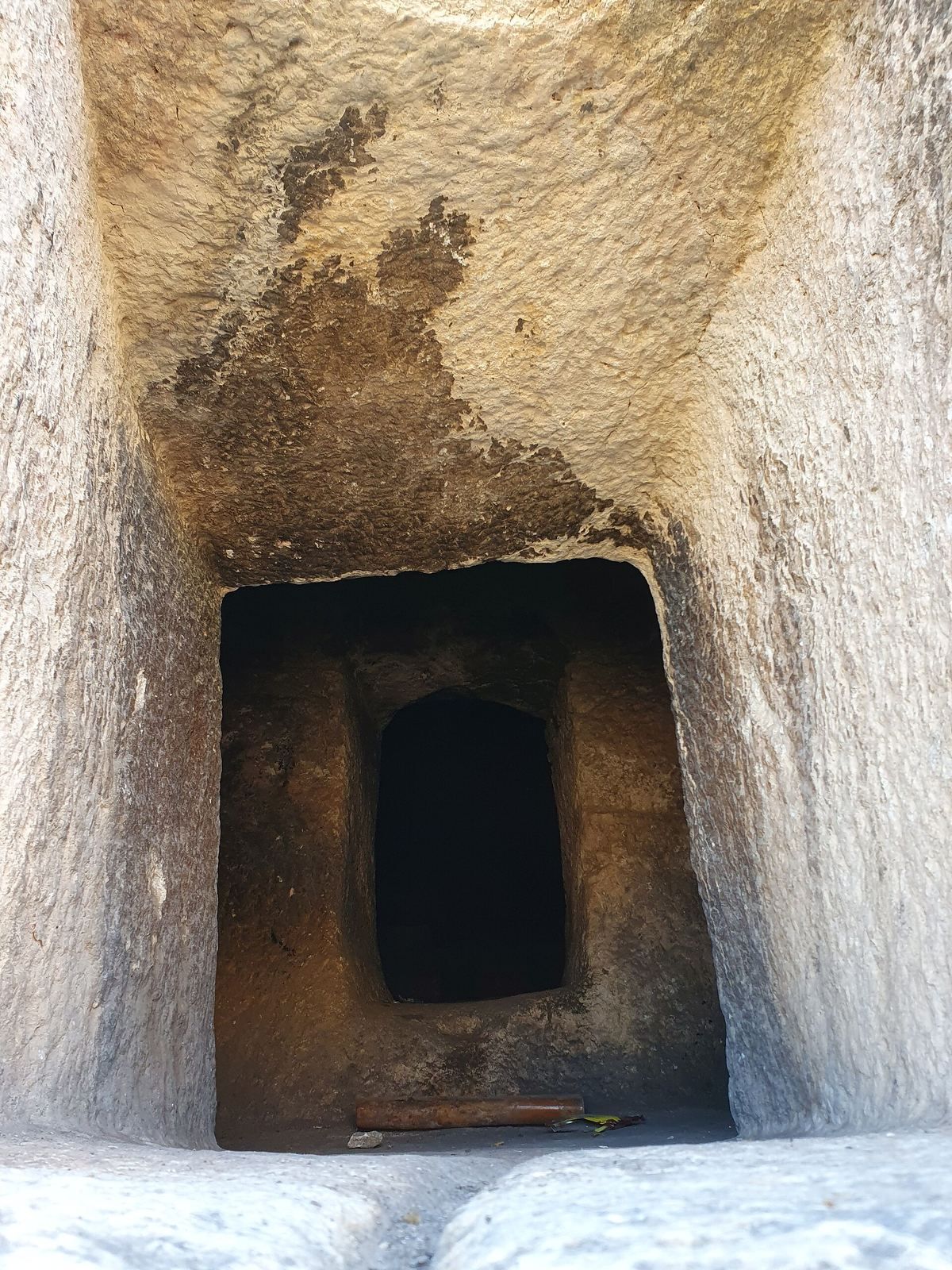
The cemetery faces the oldest part of Jerusalem. Its tombs include entrances set high above ground, chambers with flat or gabled ceilings, projecting cornices, and trough-shaped resting places with pillow-like head supports. Stone benches were used for laying out bodies, and small square doorways resemble features in other tombs in Judah. Nineteenth-century counts put the number of substantial rock-cut tombs at about 40, most of which remained preserved into the late 1960s. The tombs fall into three types. Seven finely worked examples have gabled ceilings, with two sloping sides meeting at a ridge; they were designed for one or two burials, although one could accommodate three. Later damage erased their original entrances. Another type has flat ceilings and one to three spacious chambers cut from carefully squared stone. One has a particularly large, well-finished chamber at the rear. Some tombs combine elements of both forms.
Northern monolith tombs
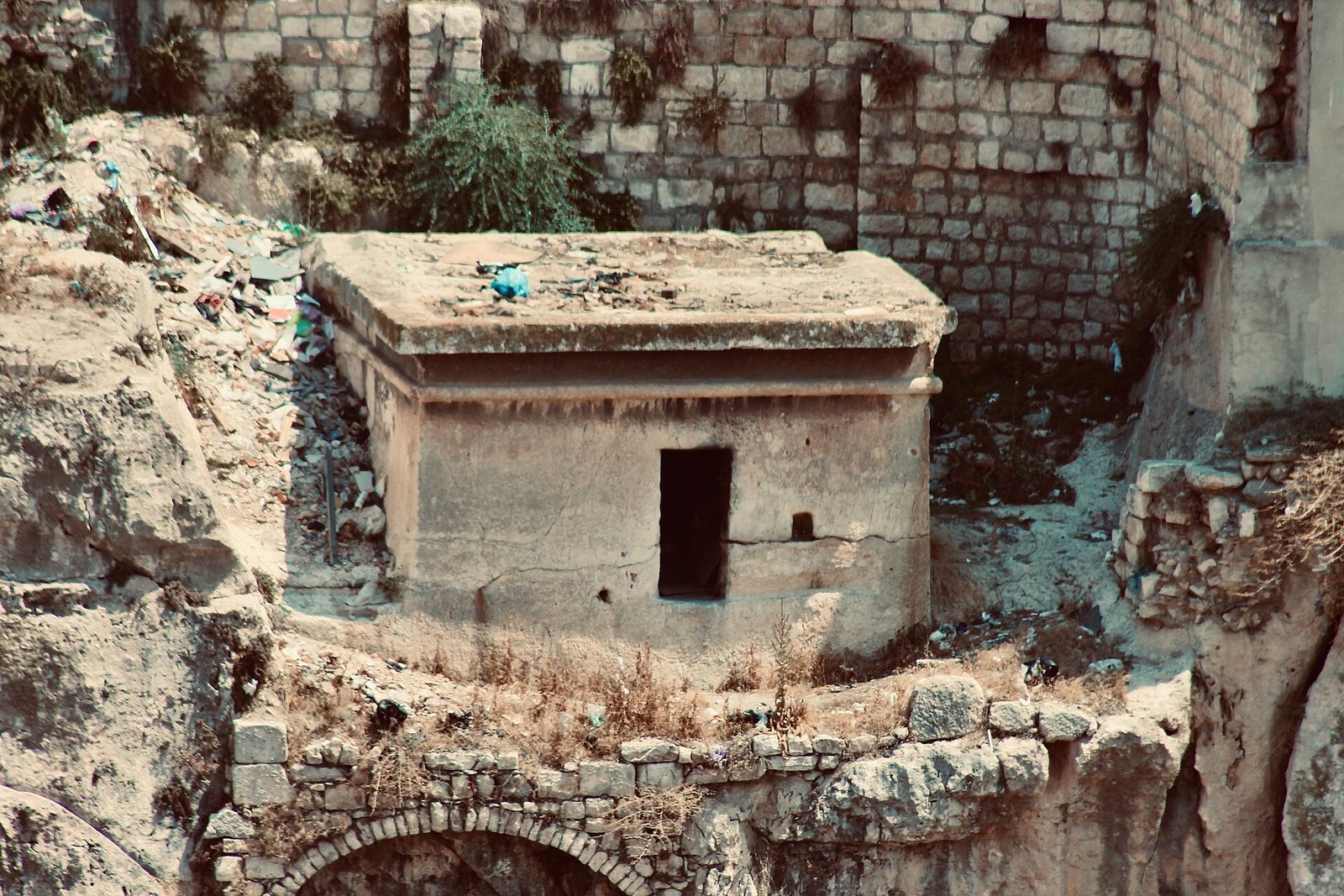
The third type consists of three free-standing monolith tombs, structures carved from bedrock and set above underground burial chambers. They stand in northern Silwan, and their facades preserve the three Hebrew inscriptions that survive in the necropolis.
Tomb of Pharaoh’s Daughter
This finely carved tomb is the only one of the three whose above-ground chamber survives. Its pyramid-shaped roof was quarried away for stone, while the chamber itself has a gabled ceiling.
Tomb of the Royal Steward
A house on Silwan’s main street incorporates the tomb. It was once plastered and used as a cistern, and in 1968 served as a storeroom. The inscription’s opening part of the name is worn away; the surviving name ends in “-yahu,” and the man is identified as “over the house,” an official responsible for the royal household. The text says that only his bones and those of his Amma are buried there. The precise meaning of Amma is unclear. It also curses anyone who opens the tomb. Ussishkin described two chambers: an outer room with what was probably a double bench for the occupant and his wife, and an inner room with one burial bench, possibly for a relative mentioned in another inscription fragment.
Third monolith tomb
This tomb lies beneath the courtyard of a modern house and was being used as a cistern. Its upper storey was quarried away for stone during the Roman or Byzantine period. The remaining stonework is especially fine and delicate. Only a small fragment of its inscription survives. The first line begins, “This is the burial of Z…”; the next refers to someone who opens the tomb, and the final line is illegible.