Santo Stefano dei Cavalieri: Church of the Order of Saint Stephen in Pisa
Site at a Glance
- Rating
- 4.5
- Popularity
- Medium
- Country
- Italy
- Primary era
- Early Modern
- Eras represented
- Early Modern, Modern
- Civilizations
- Duchy of Florence, Grand Duchy of Tuscany, Holy Roman Empire, Italian
- Site type
- Religious
- Remains
- Church
On this page14 sections
History
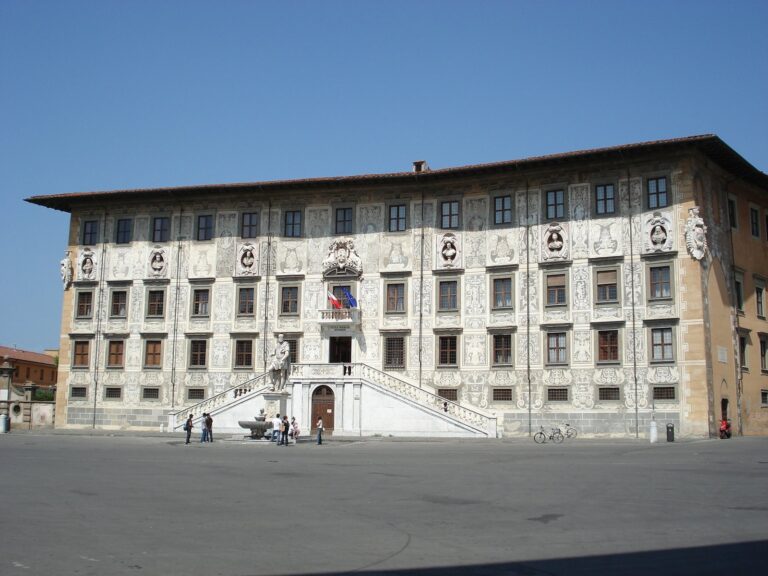
Santo Stefano dei Cavalieri is a Roman Catholic church on Piazza dei Cavalieri in Pisa, Italy, commissioned by Cosimo I de’ Medici for the Order of the Knights of Saint Stephen. The Order was a Tuscan religious and chivalric institution with a military role, founded to combat Muslim piracy in the Mediterranean. The church honors Pope Stephen I, a bishop of Rome in the mid-third century who is venerated as a Christian martyr. Its foundation stone was laid in 1565 as part of Cosimo’s renewal of the piazza.
Foundation and construction
The church replaced San Sebastiano alle Fabbriche Maggiori, a medieval building demolished in 1563. Its name referred to smithies that operated in the area from at least the seventh through the thirteenth century. The Order’s foundation also commemorated Cosimo’s victory over French forces at the Battle of Montemurlo on 1 August 1537.
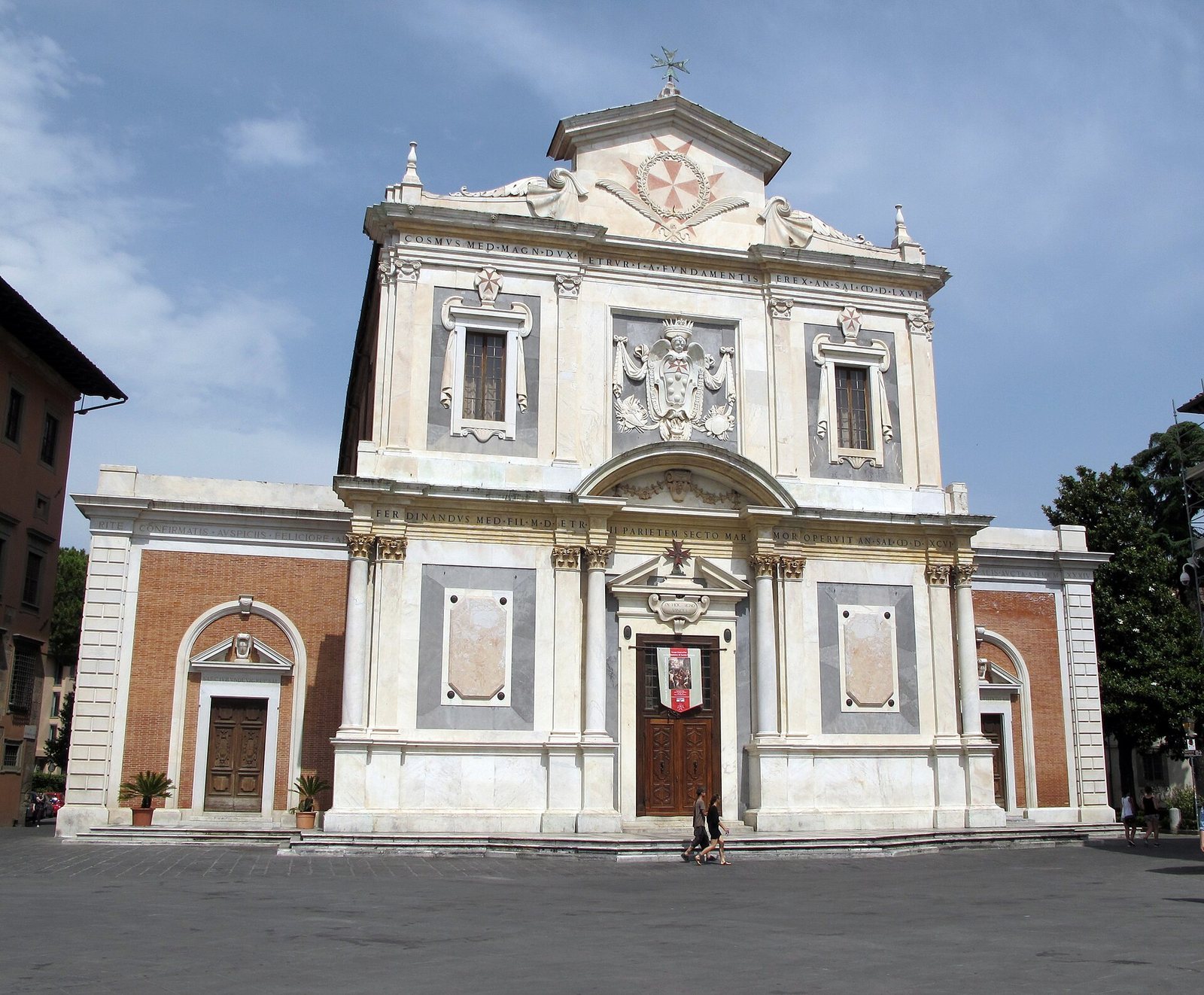
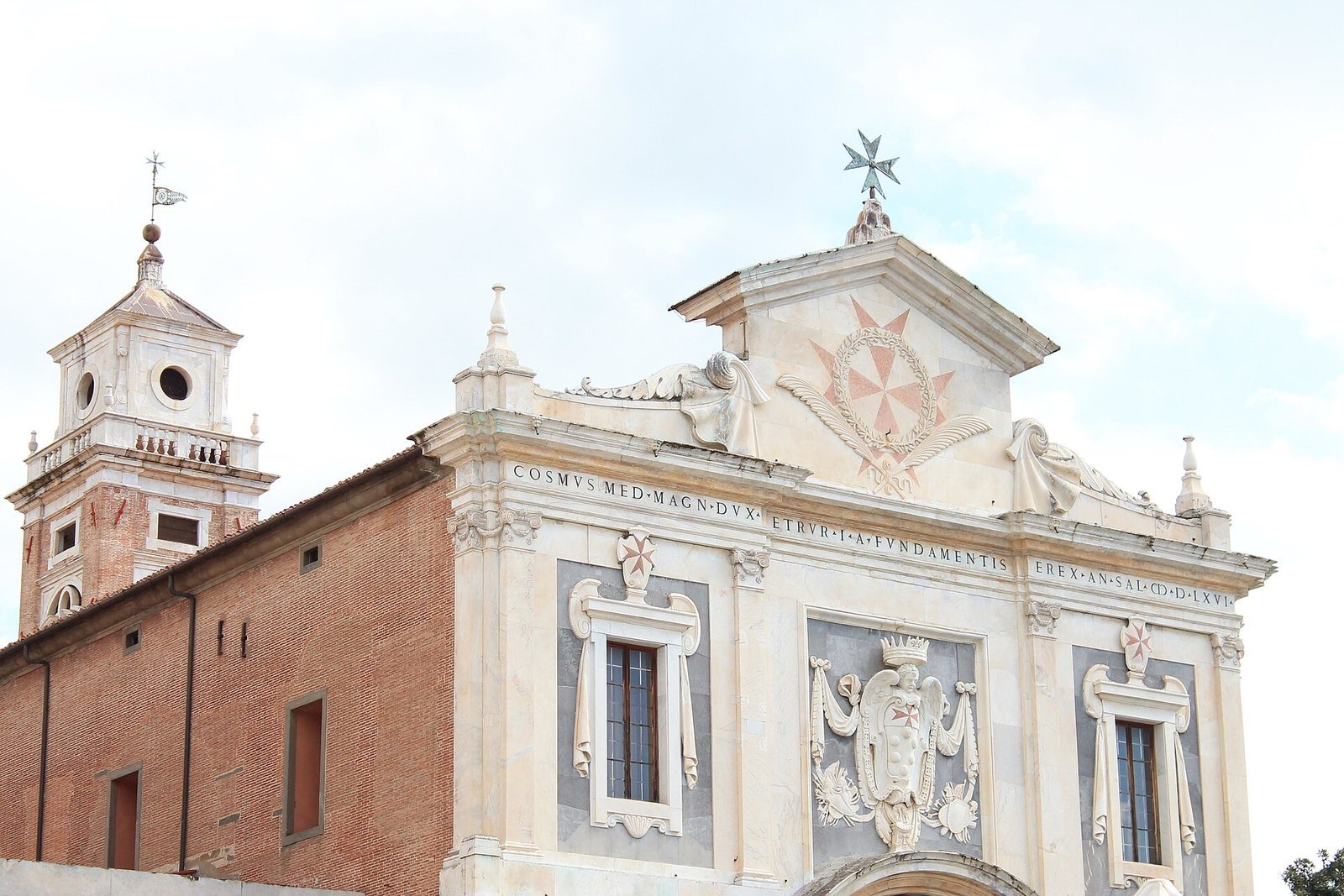
Giorgio Vasari designed the new church. The main construction was completed in August 1567, and it was consecrated on 21 December 1569. The facade followed a design that differed from Vasari’s original plan; an inscription marks its completion during the rule of Ferdinando I de’ Medici, Cosimo’s successor as grand duke. The bell tower, built to Vasari’s design, was finished by 1572.
Decoration and use by the Order
Five paintings depicting episodes from Saint Stephen’s life formed part of the decoration prepared for Ferdinando I’s entry into Pisa on 31 March 1588. Ferdinando also commissioned a wooden ceiling, made by Bartolomeo Atticciati in 1604. Giovanni Bettini served as the church’s organist from 1616 to 1624.
Relics of Saint Stephen arrived in Pisa from Trani in 1682. From 1683 to 1691, buildings were added on both sides of the church to provide changing rooms and storage for the knights. Proposals in the eighteenth century to reshape the church into a cross plan, with a long nave crossed by a shorter arm, were not carried out. Nineteenth-century redesign schemes also remained unimplemented.
Later changes
After the Order was suppressed, Gaetano Niccoli adapted the side buildings in 1859 to create two spaces resembling aisles, establishing the interior arrangement that survives. The church passed first to the Fund for Religious Worship and then to state ownership. The state grants its use to the diocese for worship, and the bishop appoints its rector.
In 2014, water infiltration damaged part of the roof and Vasari’s wooden panel of the Stoning of Saint Stephen. The roof was repaired and the panel restored.
Remains
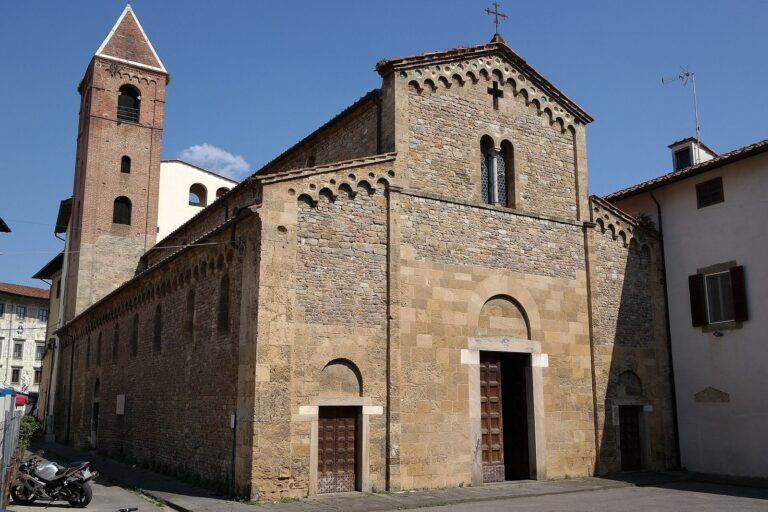
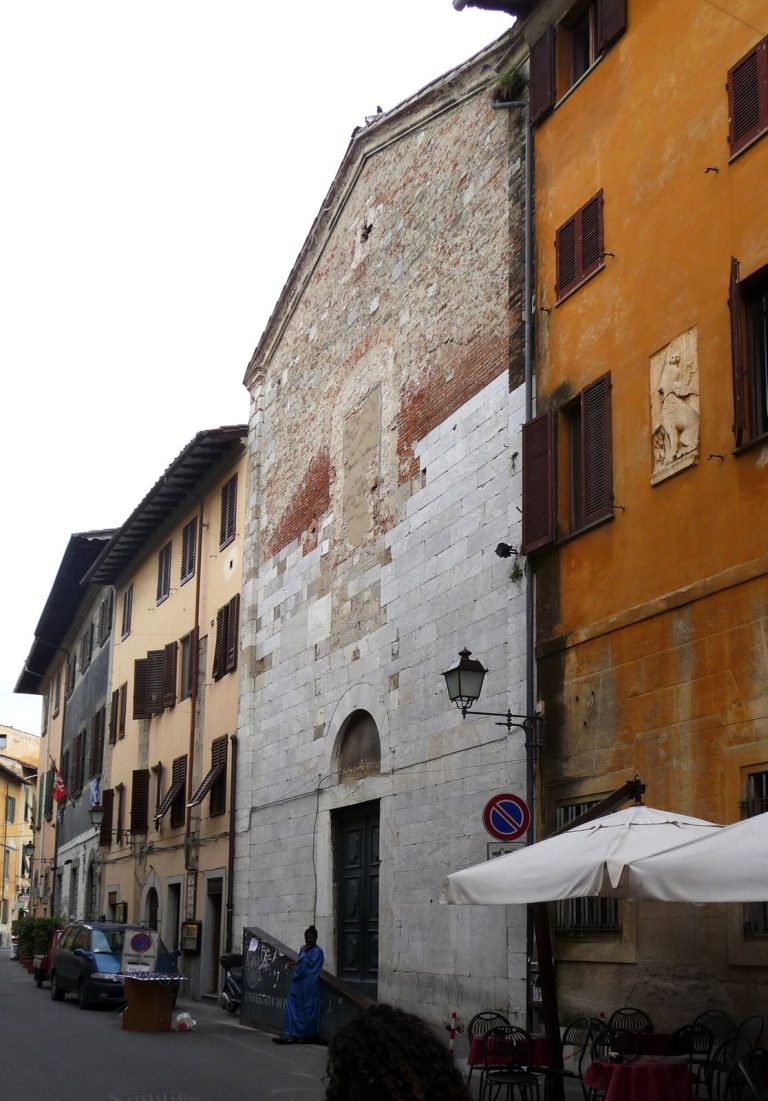
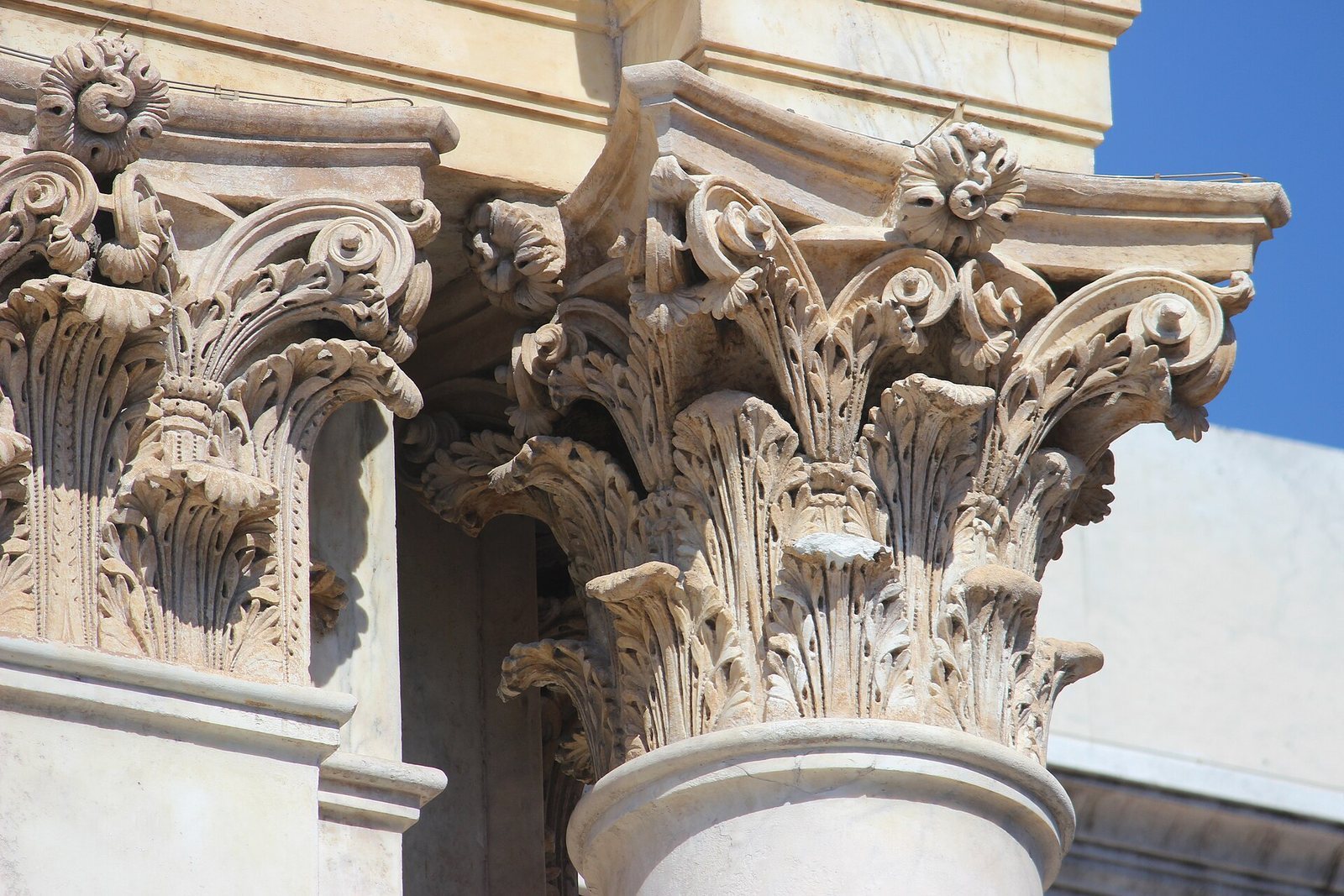
The church has a rectangular plan, with a single nave and side spaces that give the interior an aisle-like arrangement. Four wooden altars originally stood where openings into those spaces are now. On the exterior, the white Carrara marble facade is arranged in two levels, with columns, flat wall-attached supports, side cornices, a low central arch, and an upper panel bearing the arms of the Medici and the Order of Saint Stephen. Two inscriptions commemorate the church’s construction and the later completion of the facade. The bell tower has an upper bell chamber with triple windows. The side wings, plastered and given restrained decoration in 1934, complete the building’s exterior composition.
Interior decoration and furnishings
The carved ceiling
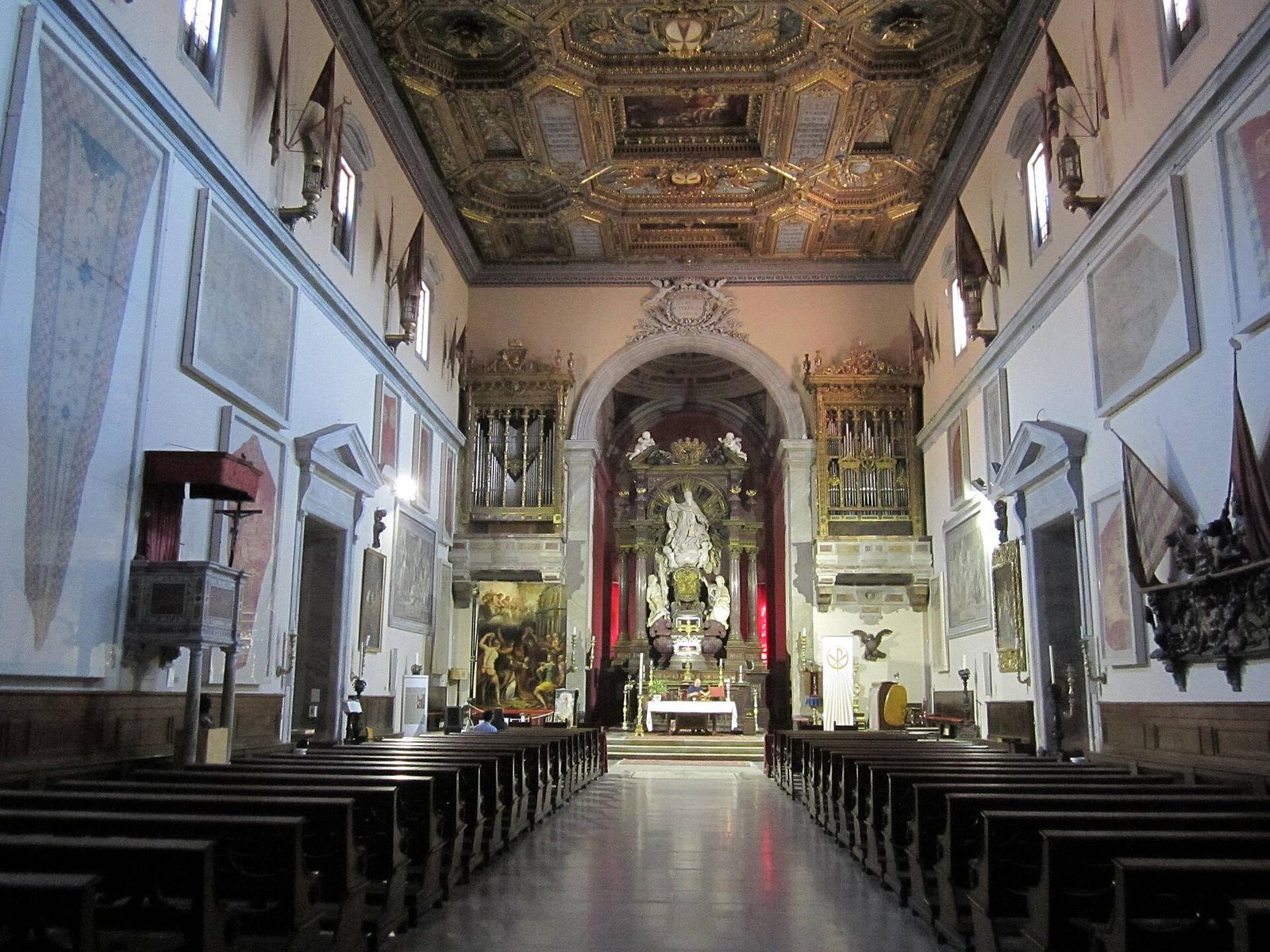
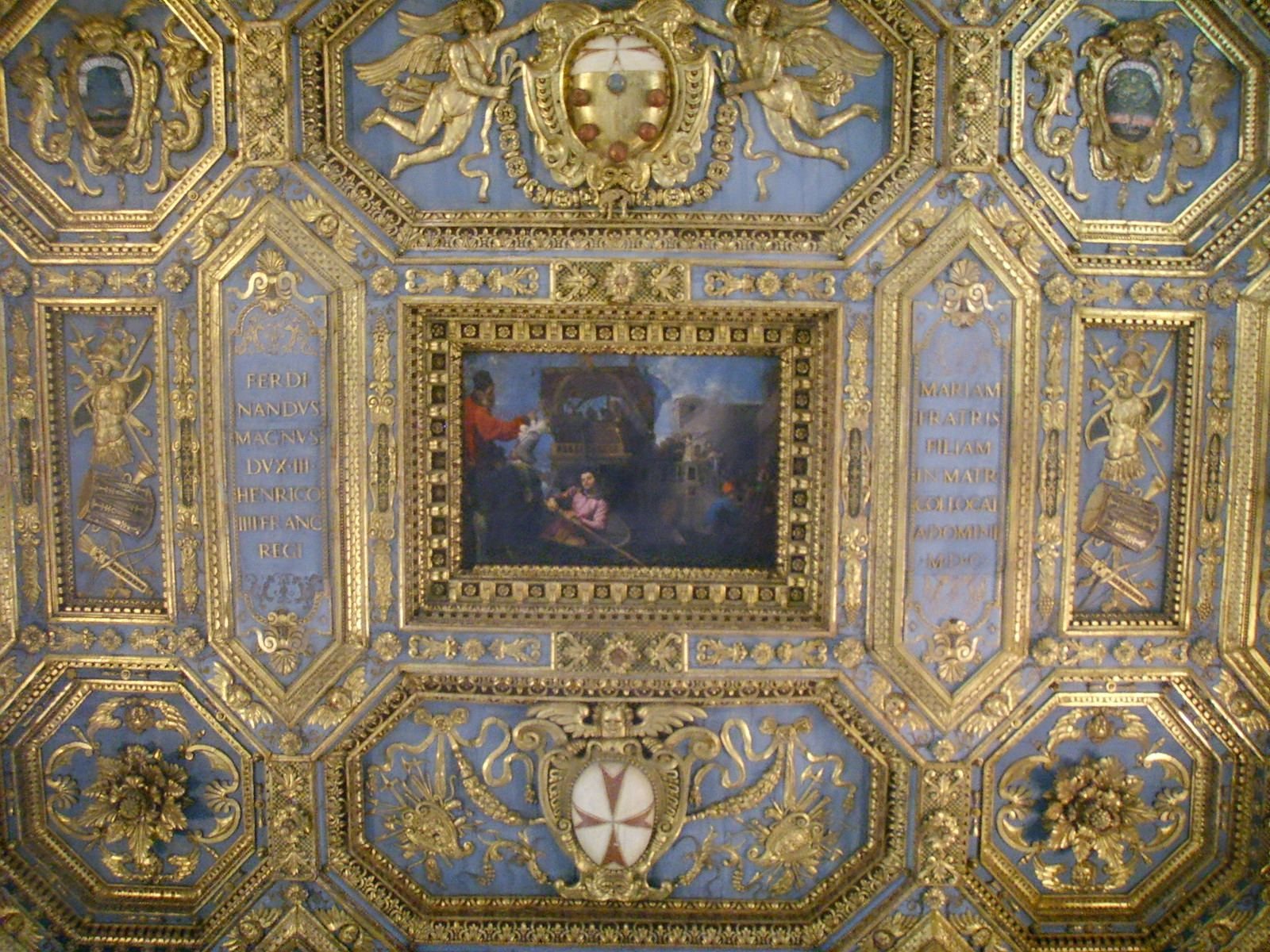
Atticciati’s carved and gilded wooden ceiling contains six painted panels of military and civic events associated with the Order. They show Cosimo I’s investiture, painted by Ludovico Cardi, known as Il Cigoli; the fleet’s return from the Battle of Lepanto, by Jacopo Ligozzi; and Maria de’ Medici’s embarkation at Livorno, by Cristofano Allori. The other panels depict a victory in the Greek archipelago and the capture of Bône, both by Jacopo Chimenti, known as L’Empoli, and the capture of Preveza by Ligozzi.
Paintings of Saint Stephen
Five paintings in a single tonal range depict episodes from the life of Pope and martyr Stephen on the wall opposite the entrance and along the church walls. Vasari’s 1571 Stoning of Saint Stephen is now in the area around the main altar. Agnolo Bronzino’s signed and dated Nativity of Christ, painted in 1564, is in the left wing.
Main altar and right chapel
Giovanni Battista Foggini’s main altar, made between 1702 and 1709 from multicolored marble and gilded bronze, includes a statue of Pope Stephen between figures representing Religion and Faith. A relief of Stephen’s beheading decorates its bronze throne, and an urn beneath the altar holds the saint’s relics. In the entrance room of the right chapel, Foggini’s 1683 group in plaster and wood shows Saint Stephen with figures representing Reason and the Trinity. The Chapel of the Holy Sacrament, on the right toward the main altar, was made by Florido Galli in 1837.
Naval trophies and ship carvings
Banners captured from Islamic vessels in naval clashes between the mid-sixteenth and early eighteenth centuries decorate the spacious, light interior. Some fragments are associated with the Battle of Lepanto. Old ship lanterns are set between the large windows. Sculpted, painted wooden fragments attributed to a ceremonial vessel of the Order are displayed on the wall opposite the entrance and on the wall to the right of the entrance. Dating to the late seventeenth century, the carvings show expressive figures of enslaved Turks among animals and weapons.
Pulpit and entrance furnishings
The multicolored marble pulpit, made by Chiarissimo Fancelli in 1627, was brought from the cathedral. At the entrance are marble holy-water stoups made by Giovanni Fancelli in 1568 to Vasari’s design.
Paintings by Aurelio Lomi
Aurelio Lomi’s 1593 painting of the Madonna and Child with Saints Joseph and Stephen was made for the nearby palace of the Order. A painting depicting that palace is also attributed to Lomi.
Organs
Vasari’s original design included elevated galleries for singers or musicians on either side of the main altar. On the right gallery, Onofrio Zeffirini built a pipe organ in 1571. In 1733, Azzolino Bernardino della Ciaja of Siena rebuilt the organ on the left gallery with five keyboards, including one for the harpsichord, and a pedalboard. It remained playable for about forty to fifty years before falling into disuse; both earlier organs were rebuilt in the nineteenth century. Giovanni Tamburini built the present pipe organ in 1914. It has three keyboards of 61 notes each, a 32-note pedalboard with pedals arranged in a curved, radiating layout, and electrically operated action. It is the only church organ still functional.
Courtyard finds
Bases, inscriptions, and fragments of columns were found in a small courtyard behind the apse. At the time of discovery, the finds were exposed to the weather.