Monastery Krepičevac: A Serbian Orthodox Monastery in Serbia
Site at a Glance
- Rating
- 4.9
- Popularity
- Low
- Country
- Serbia
- Primary era
- Early Modern
- Eras represented
- Medieval, Early Modern
- Civilizations
- Ottoman
- Site type
- Religious
- Remains
- Monastery
On this page14 sections
History
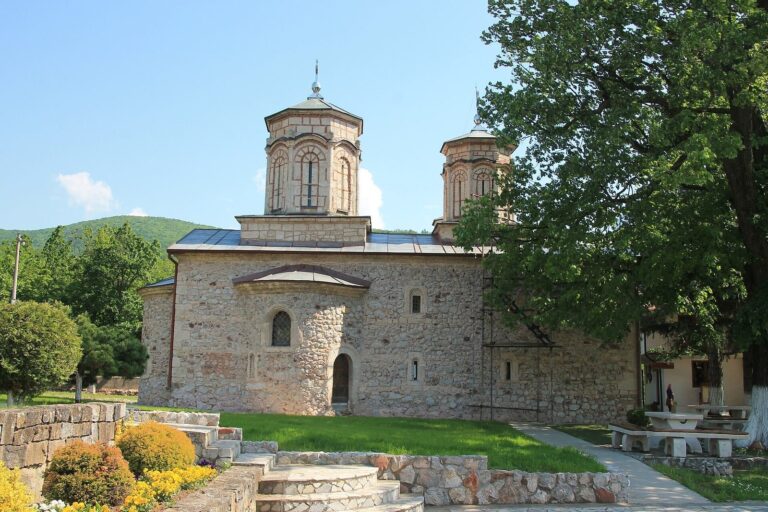
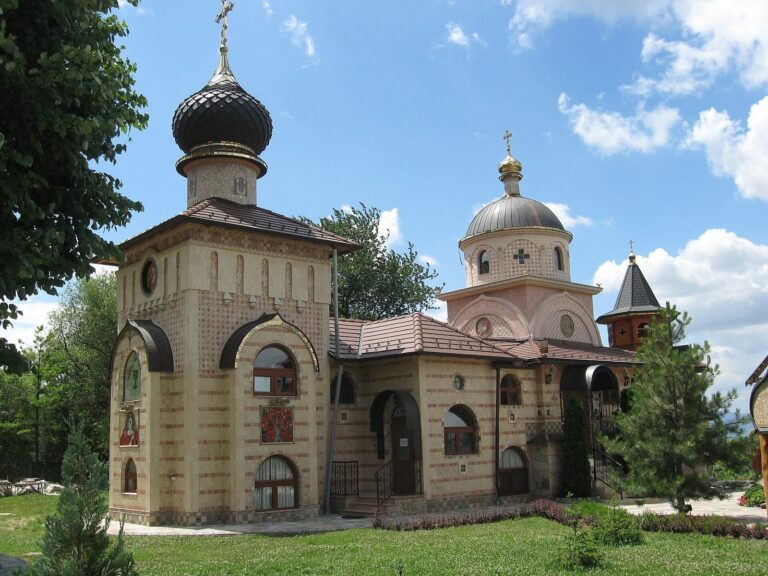
Monastery Krepičevac, also known as Crnorečki Monastery, is a Serbian Orthodox monastery in Serbia, founded in the late 15th or early 16th century. Its church reflects the Morava architectural tradition, a medieval Serbian style. The monastery belongs to the Eparchy of Timok, a church district comparable to a diocese, and is dedicated to the Dormition of the Mother of God, the feast commemorating the end of Mary’s earthly life. The feast is celebrated on 28 August.
Foundation and traditions
The founder is thought to have been Georgije, a medieval Slavic regional ruler and son of Jan. Georgije is also believed to have been Radul Bey’s grandson, with Radul Bey dated to 1499–1508. Georgije’s wife, Zora, and their son Manojlo are associated with the church’s founder portrait. Nearby Lapušnja Monastery was built at about the same time, and the two monasteries are thought to have shared founders.
An oral tradition tells of people fleeing the Turks who settled beside five springs and established the village of Jablanica under an elder named Jablan. Unable to build a church there, they constructed one in a secluded forest. The story says that the church later vanished, and that the people found it again by following trampled grass and broken trees. It stood beside a clear, cold spring whose water was said to revive the sick; the tale connects this discovery to the monastery’s name. Another tradition says the monastery was moved from the territory of Mali Izvor after a young woman gave birth inside its church during a wedding.
Restoration and monastic activity
The monastery was restored in 1679 and again in the 18th century, when Prince Golub of Jablanica was involved in its renewal. It was active in 1761 and 1780. In the 19th century, M. Đ. Milićević described paintings made in the church in 1761, with older paintings visible beneath them.
The Serbian uprising and later renewal
In the early 19th century, Hajduk Veljko, a Serbian insurgent commander, and Prince Milisav chose the priest-monk Akaki, who came from Mount Athos, a major centre of Orthodox monasticism in Greece, to lead the monastery. Akaki became its abbot, or head, in 1809, an appointment recorded in a liturgical book. The First Serbian Uprising, a rebellion against Ottoman rule that began in 1804, involved Krepičevac and nearby Grlište Monastery among the places that continued in the Serbian struggle.
By 1930, Krepičevac had been abandoned. That year, six nuns and seven novices from Kuveždin, a Serbian Orthodox monastery in the Fruška Gora region of northern Serbia, were transferred there. Nun Angelina Ličanin, who also used the secular name Vidosava, sold two houses near the Palace Albanija in Belgrade and used the proceeds to build a dormitory for the sisterhood. She was buried in the monastery grounds in 1969. The church was restored between 1968 and 1974. The monastery is protected as a cultural monument in Serbia; it has no resident community today and is served by parish priests.
Remains
The church and its paintings
Plan and construction
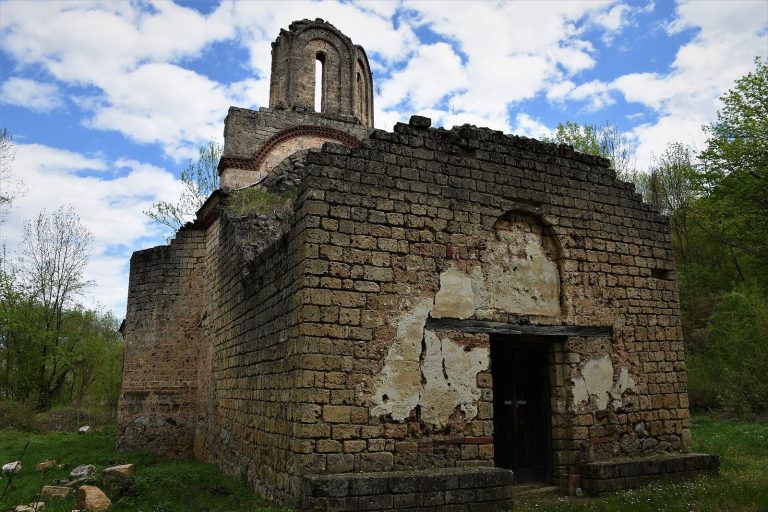
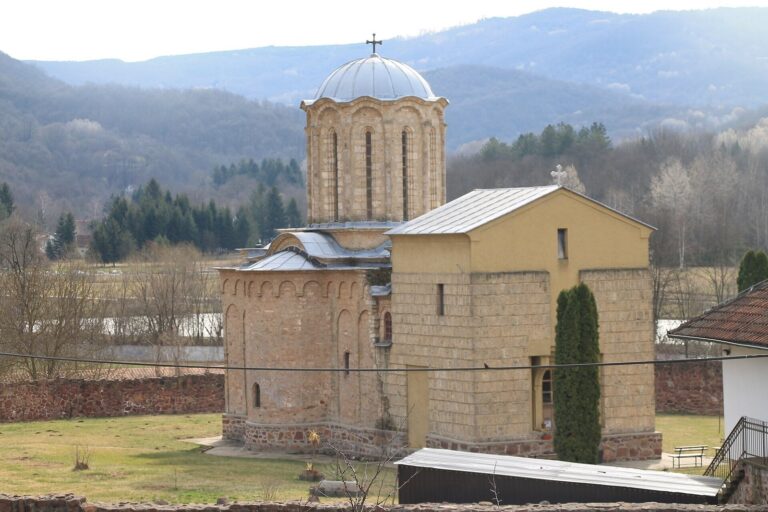
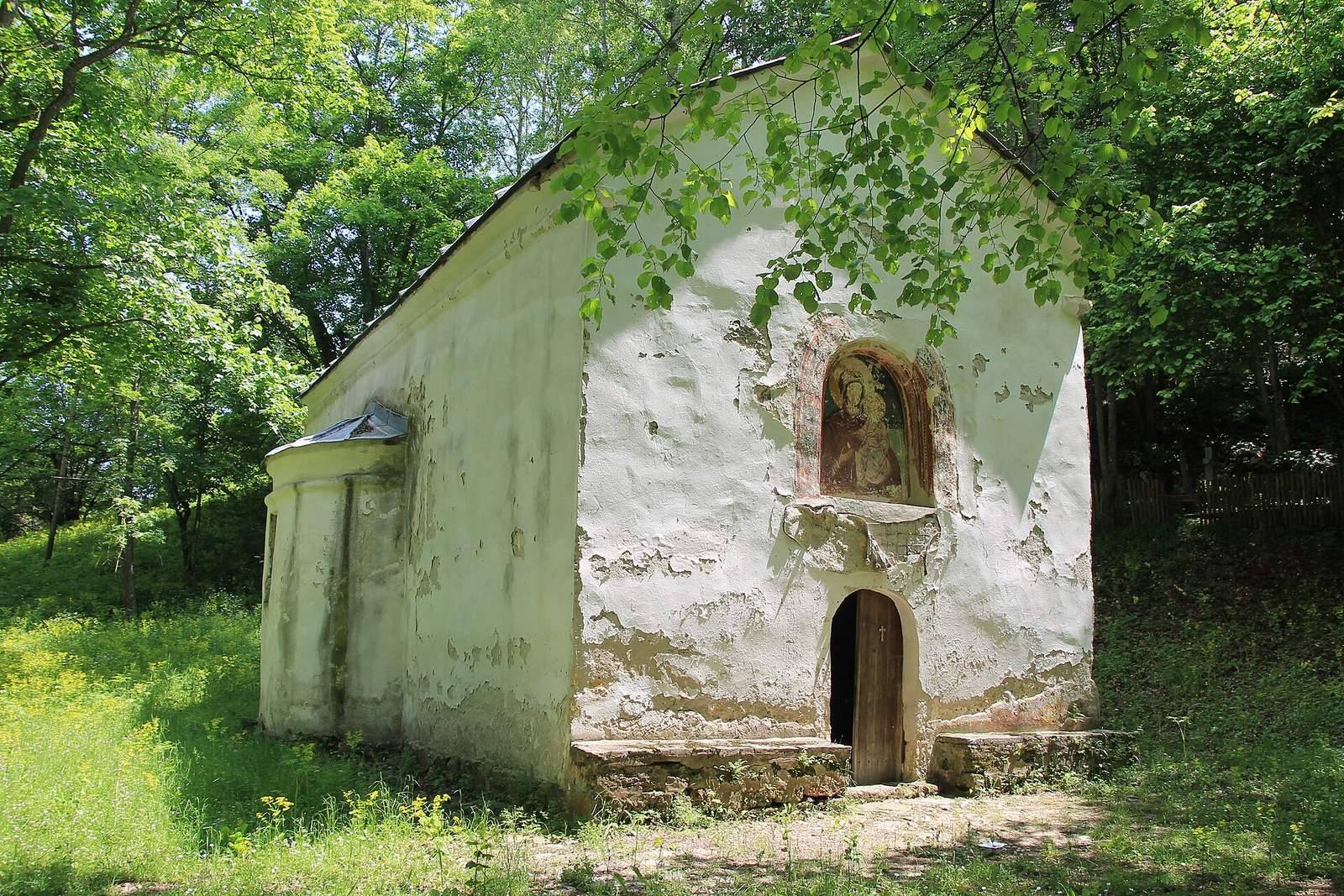
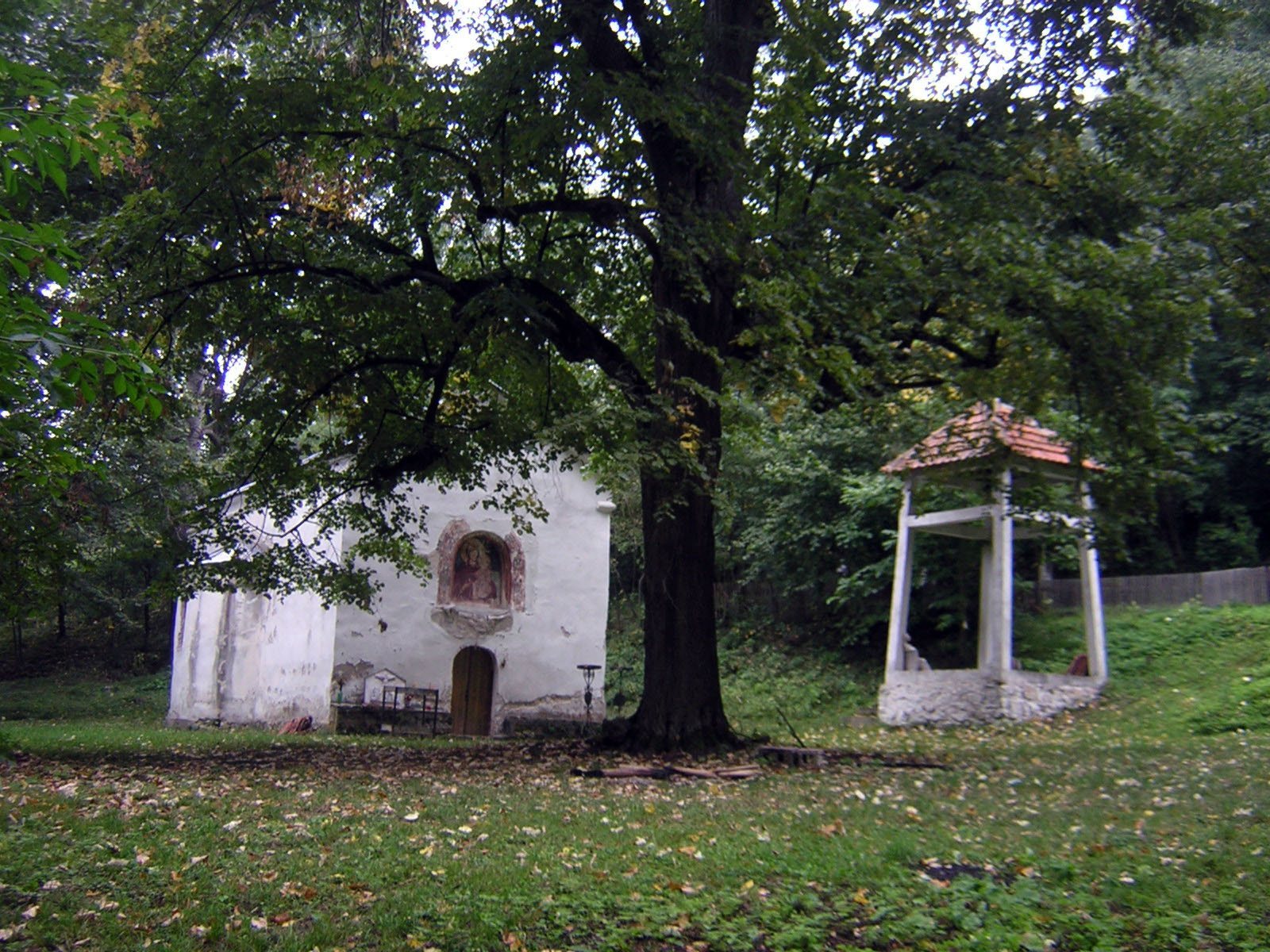
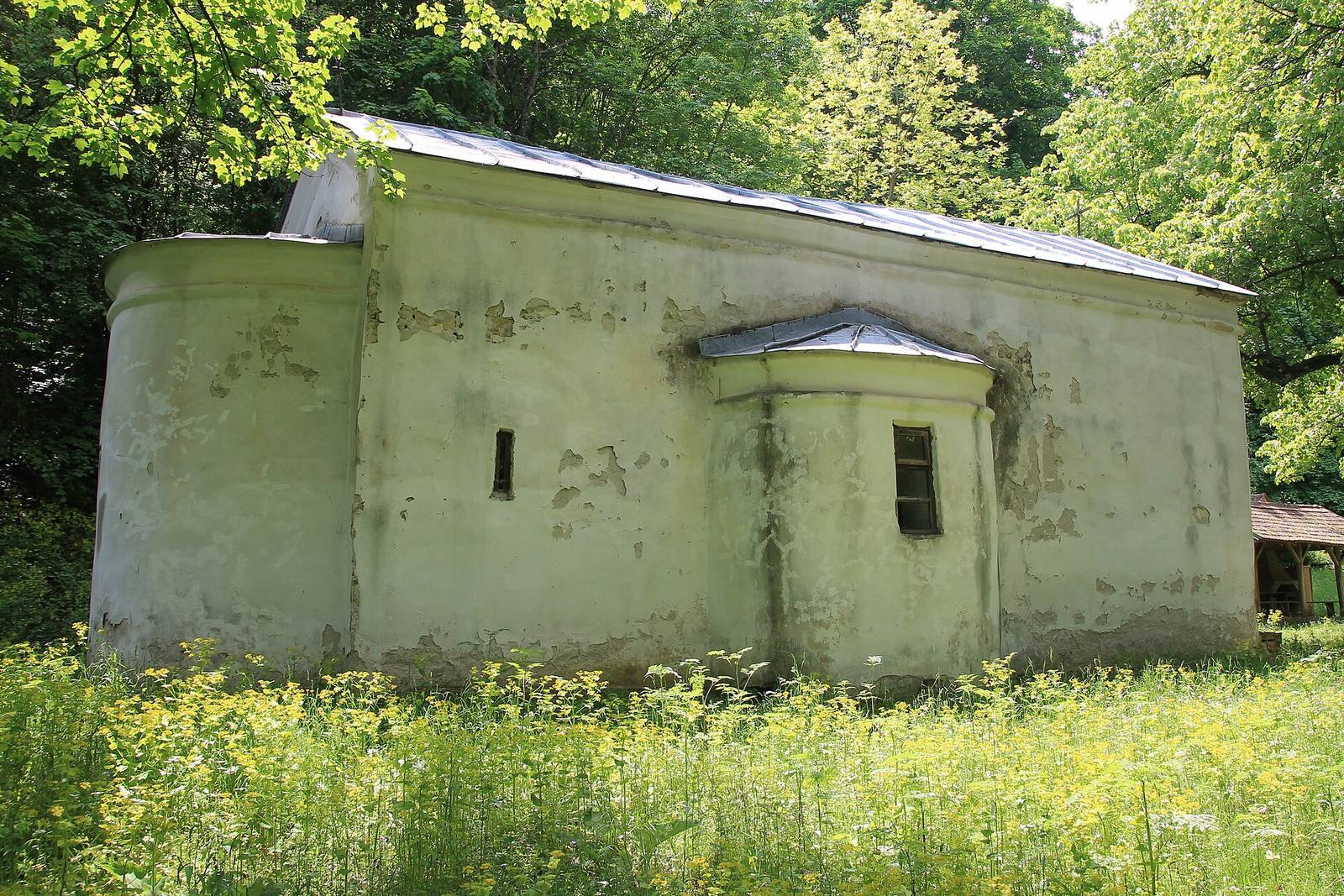
The church is a small, plastered stone building with a trefoil plan, meaning three rounded lobes arranged around the sanctuary and nave. Its design reflects the Morava architectural school. The building stands on the site of an older church.
Founder portrait
A founder portrait occupies the first zone of the north wall in the narthex, the church’s entrance vestibule. It shows Georgije, Zora, and Manojlo in richly dressed clothing of their own time. Zora is portrayed as intelligent and courageous. An inscription beside Georgije includes a prayer to the ‘Most Pure One’ and names him as Jan’s son. Georgije holds a model of the church with a notably elevated section. The portrait is considered one of the latest medieval founder compositions in Serbia.
Interior frescoes
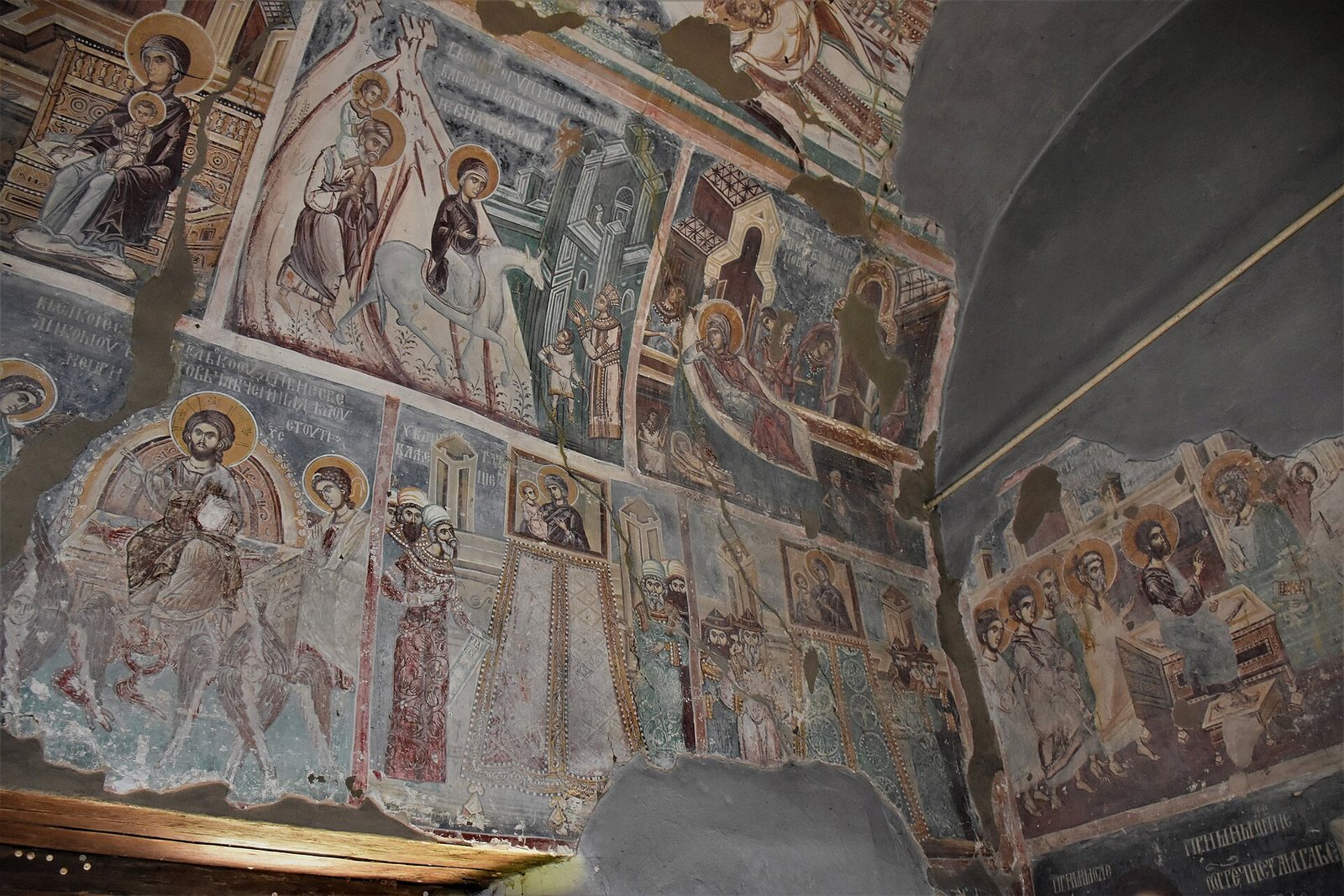
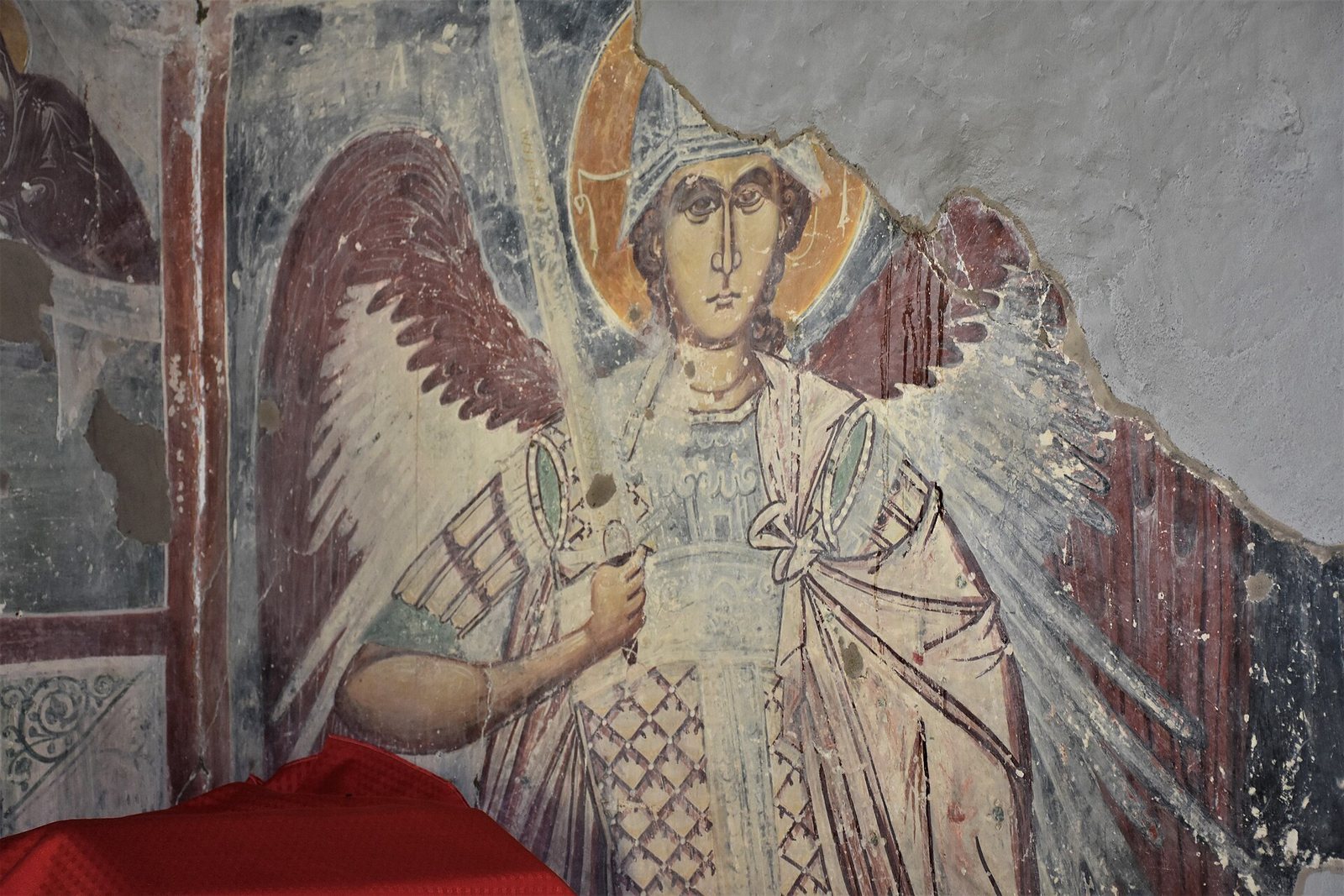
Frescoes survive across a limited area, mainly dating to the first half of the 16th century. A later painted layer from 1761 lies over older frescoes of unknown date. Figures in the church’s lower zone include the Archangel Michael, Pachomius, Constantine and Helena, and Mary of Egypt. The sanctuary contains the Vision of Saint Peter of Alexandria.
The narthex paintings include episodes from the lives of Christ and the Virgin Mary, among them the Flight to Egypt. Its east wall bears a Deesis, an image centred on Christ and flanked by figures who intercede with him. Christ is enthroned, with the Virgin Mary to his left and Saint John to his right.
Exterior paintings
Fresco fragments on the west facade show that the exterior was painted as well. Above the entrance, a niche contains a painted bust of the Virgin Mary with Christ.
Other features inside the church
Marble rosette
A white-marble rosette with a floral design in shallow relief is thought to have been set into the floor near the ambo, a raised platform used in Orthodox worship. Its ornament is described as matching decoration at monasteries in the Ovčar-Kablar region.
South-wall recess
A recess in the nave’s south wall is thought to be the grave of an elder named Joseph, associated with the Sinaiite spiritual tradition of Mount Sinai in the late 14th century.
Springs and surrounding landscape
Twelve springs are concentrated around the monastery within an area of about 1,000 square metres. An older tradition speaks of five; whether the others emerged naturally over the centuries or were dug by monks is uncertain. A separate, strong spring about 600 metres away supplies water to Jablanica. The Radovan River runs between the two spring areas and soon joins the Crni Timok. One interpretation understands this landscape through a dualistic contrast: the monastery and its spring as a ‘white god’, and a separate spring associated with fever as a ‘black god’, divided by flowing water.