Cathedral of the Isles: A Scottish Episcopal Cathedral on Great Cumbrae
Site at a Glance
- Rating
- 4.8
- Popularity
- Medium
- Country
- United Kingdom
- Primary era
- Modern
- Eras represented
- Modern
- Civilizations
- British
- Site type
- Religious
- Remains
- Cathedral
On this page7 sections
History
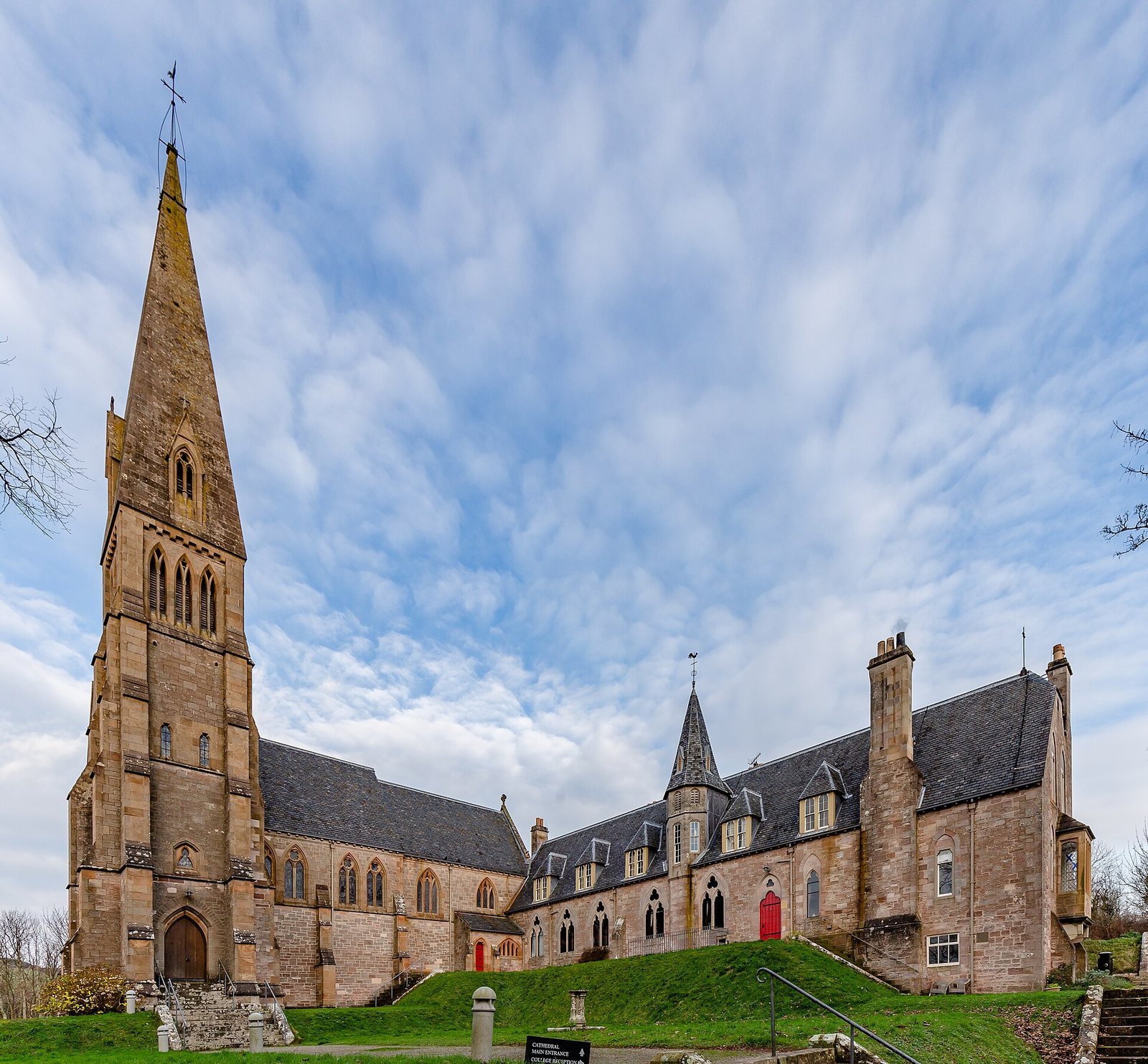
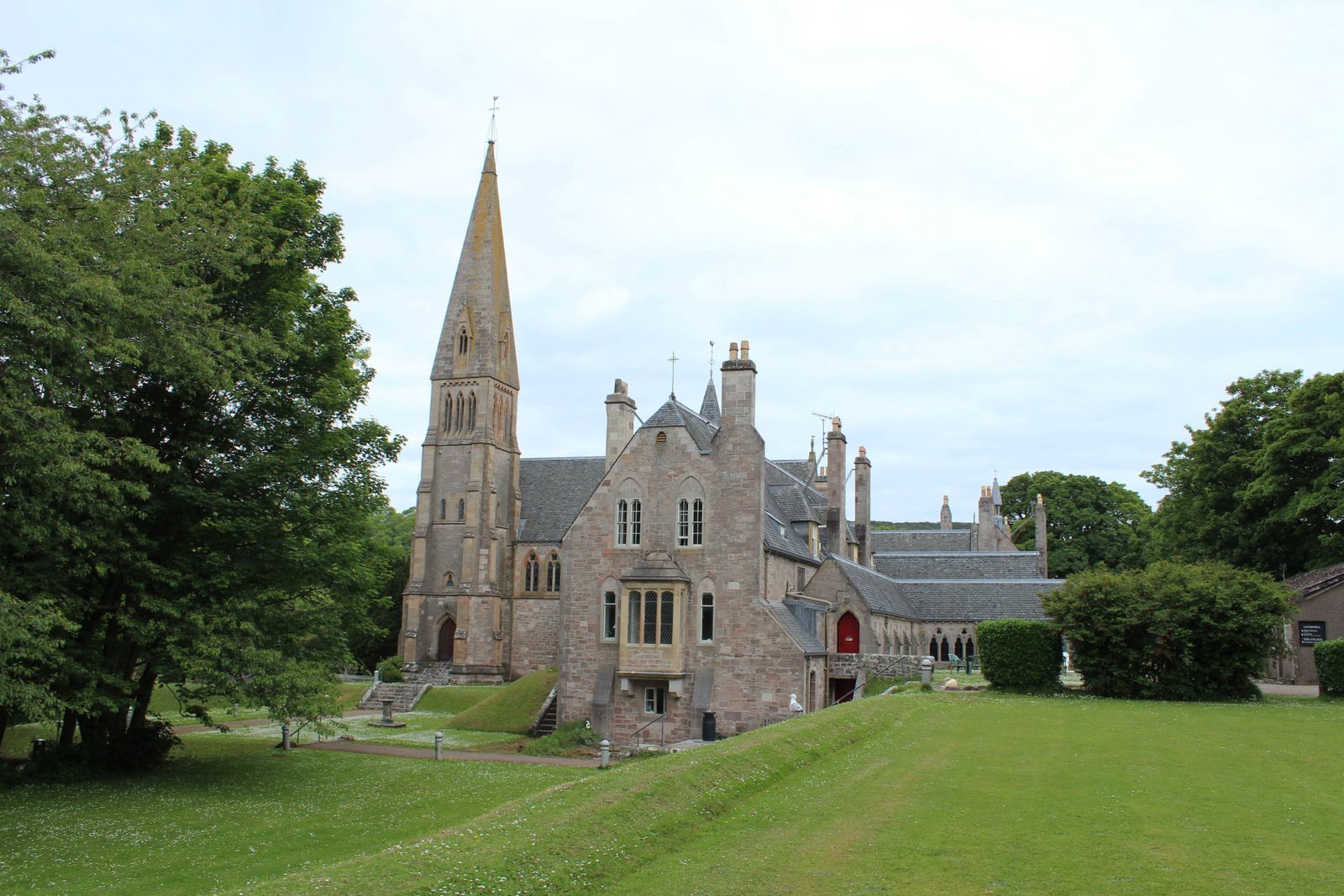
The Cathedral of the Isles and Collegiate Church of the Holy Spirit is a Scottish Episcopal cathedral in Millport on Great Cumbrae, Scotland, United Kingdom. Completed in 1849 in the Gothic Revival style, it belongs to the Scottish Episcopal Church, part of the Anglican tradition in Scotland. Dedicated to the Holy Spirit, the third person of the Trinity in Christian belief, it is one of two cathedrals in the Diocese of Argyll and the Isles, an area under a bishop’s jurisdiction. The other is St John’s Cathedral in Oban.
Foundation and cathedral status
George Boyle, 6th Earl of Glasgow, supported the cathedral and its theological college, and commissioned architect William Butterfield to design the building. The church stands on land owned by the Boyle family. It opened in 1851 as a collegiate church, a church served by a community of clergy. In 1876, the Chapel of the College of the Holy Spirit was elevated to cathedral status. Its churchmanship is Broad Church, a broad theological tendency within Anglicanism.
The college and later use
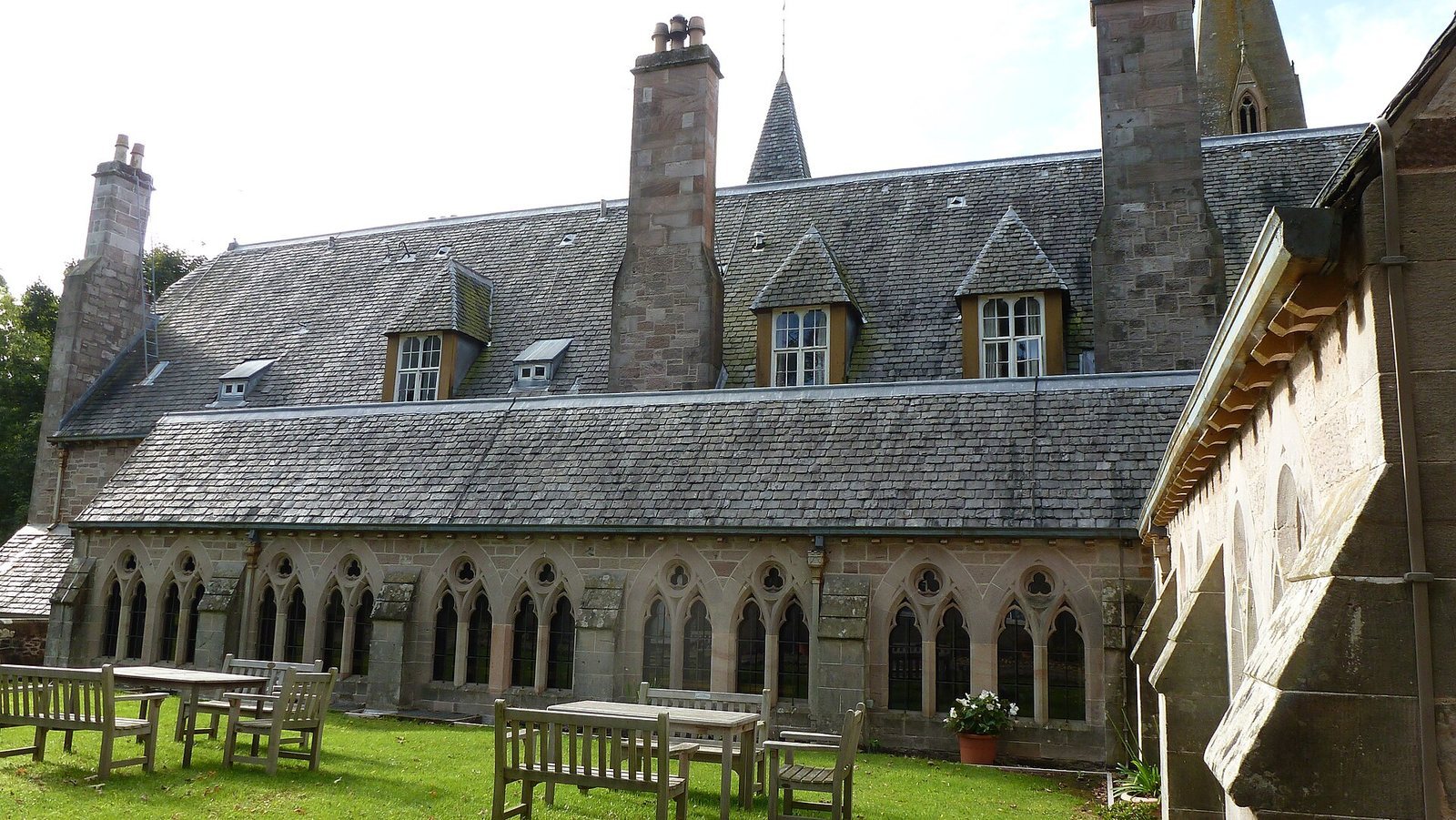
The theological college operated from 1851 to 1885. From 1919 to 1927, its buildings housed nuns of the Community of St Andrew of Scotland, an Anglican religious community of women. The Community of Celebration Christian Trust used the college from 1975 for ten years. The College of the Holy Spirit now serves as a retreat house. Music has also been part of the cathedral’s religious practice since its early years, with instruments contributing to changes in its musical life.
The cathedral is a Category A listed building, Scotland’s highest category for buildings of special architectural or historic interest. The listing also covers associated college buildings and the chapter house, where the clergy responsible for the cathedral’s administration meet.
Remains
Building and setting
Built in masonry, the cathedral has a single nave, the main body of the church, and is surrounded by formal gardens and woodland. Its tower and spire rise 37 metres, about three times the nave’s 12-metre length. The building is described as the tallest on Great Cumbrae and the smallest cathedral in the British Isles.
Porch and stained glass
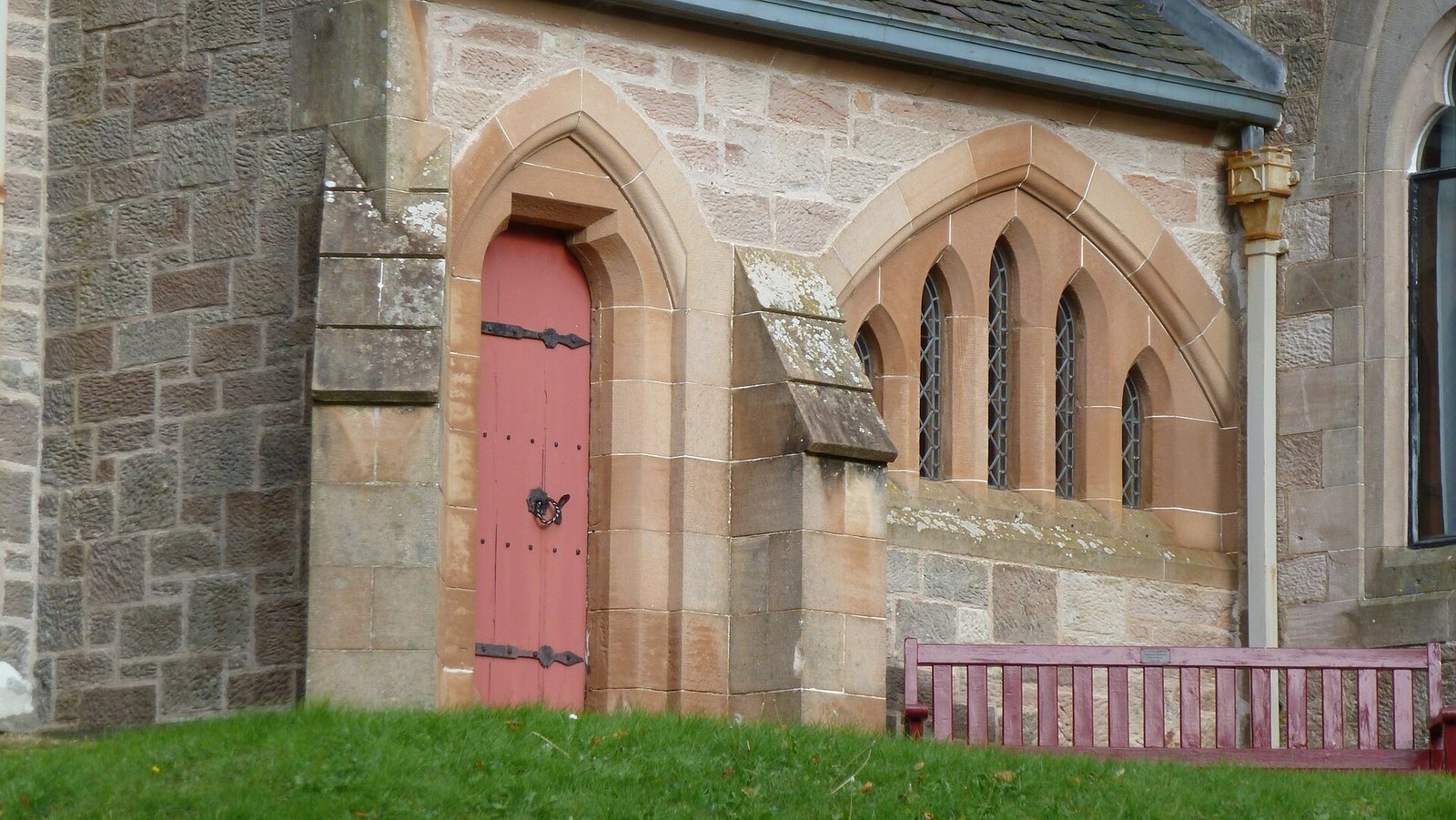
The entrance porch displays Celtic crosses excavated on the island during the Victorian era. William Wailes designed the stained glass in the west window, while other windows contain glass by Hardman & Co.
Organs and other instruments
The cathedral’s tracker-action organ uses a mechanical link between its keys and pipes. Frederick Holt built it for the opening of All Saints Episcopal Church in Edinburgh. After its relocation from Logie Pert Parish Church, Wood of Huddersfield restored and installed it in 2004, replacing an organ by John Compton. The cathedral also has restored pianos, a harpsichord dating to 1976 known as the Cumbrae, and a Bösendorfer concert grand piano. Its acoustics are described as warm and resonant.