Church of the Assumption of the Blessed Virgin Mary: A Baroque Orthodox Church in Novi Sad
Site at a Glance
- Rating
- 4.8
- Popularity
- High
- Country
- Serbia
- Primary era
- Early Modern
- Eras represented
- Early Modern, Modern
- Civilizations
- Austrian Empire, Habsburg, Habsburg Austria, Hungarian
- Site type
- Religious
- Remains
- Church
On this page11 sections
History
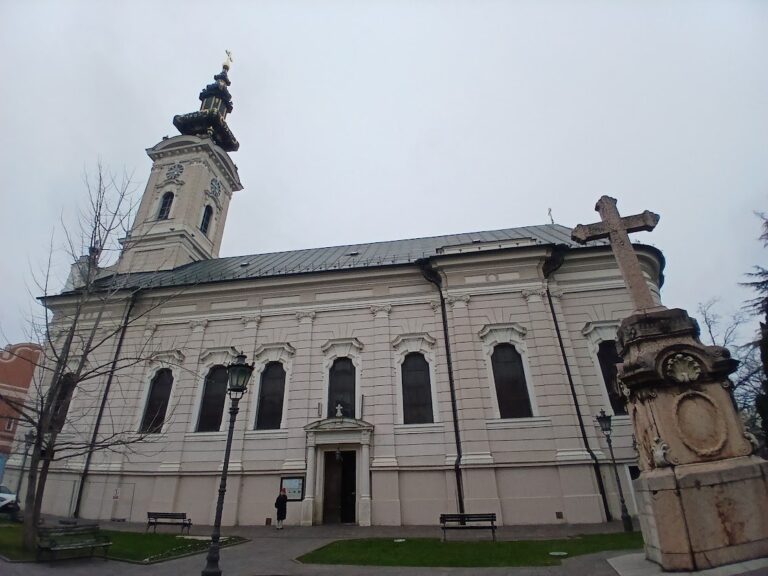
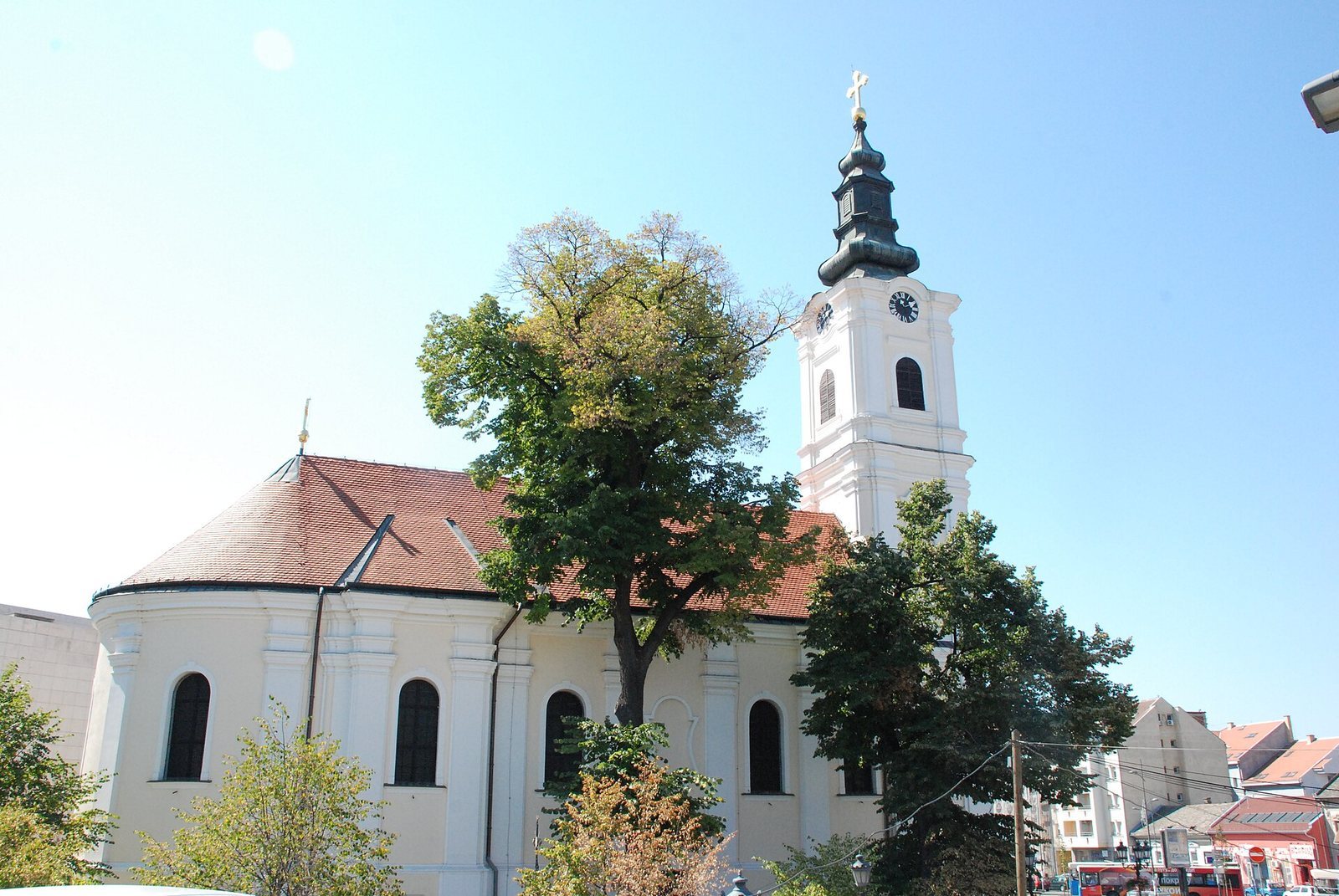
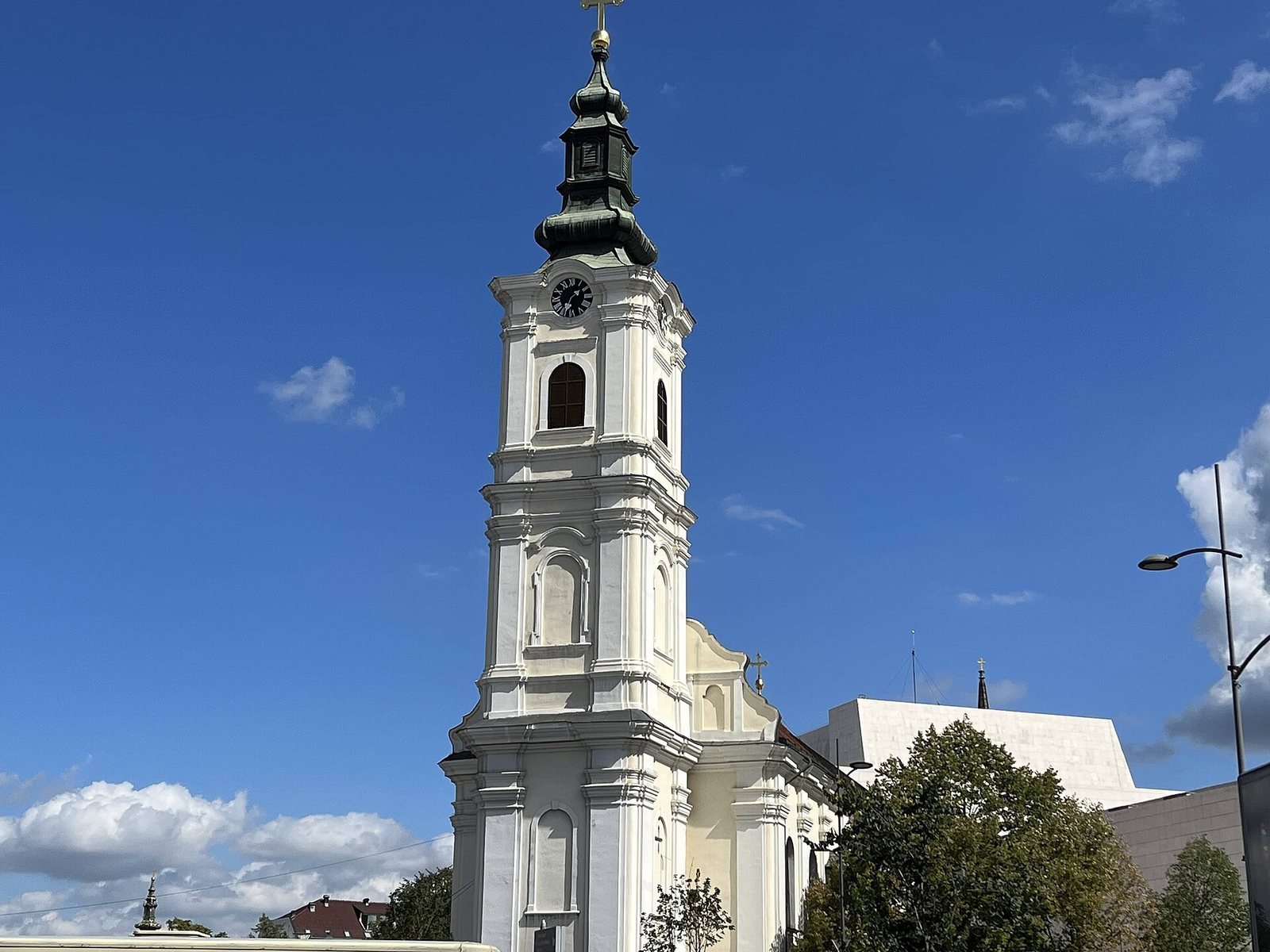
The Church of the Assumption of the Blessed Virgin Mary is a Serbian Orthodox church in central Novi Sad, Serbia. Its present Baroque building was constructed from 1765 to 1774. Dedicated to the Dormition of the Blessed Virgin Mary, it commemorates her death and departure from earthly life, a feast related to the Assumption in Western Christianity. The church is also commonly called Uspenska crkva, meaning “Dormition Church.”
The wooden predecessor
A modest wooden church stood on this site by 1731. Newcomers to Novi Sad with limited means built it in the city’s western district under civil administration. As the Orthodox population grew, the building could no longer accommodate the congregation and was demolished after several decades.
Construction and parish life
Construction of the present church began in 1765 at the direction of Bačka Bishop Mojsije Putnik. He personally chose the mason Bulfa, carpenter Lang, and locksmith Krisinger. The church was completed and consecrated in 1774. The consecration feast brought Novi Sad’s parishioners to the churchyard alongside farmers from the surrounding area.
The church belongs to the Serbian Orthodox Church’s Diocese of Bačka. It serves as the seat of two parishes in Detelinara and one in Sajlovo, within the Novi Sad deanery, a local grouping of parishes. Services are held in Serbian and Church Slavonic, a liturgical language used in Orthodox worship.
Changes and preservation
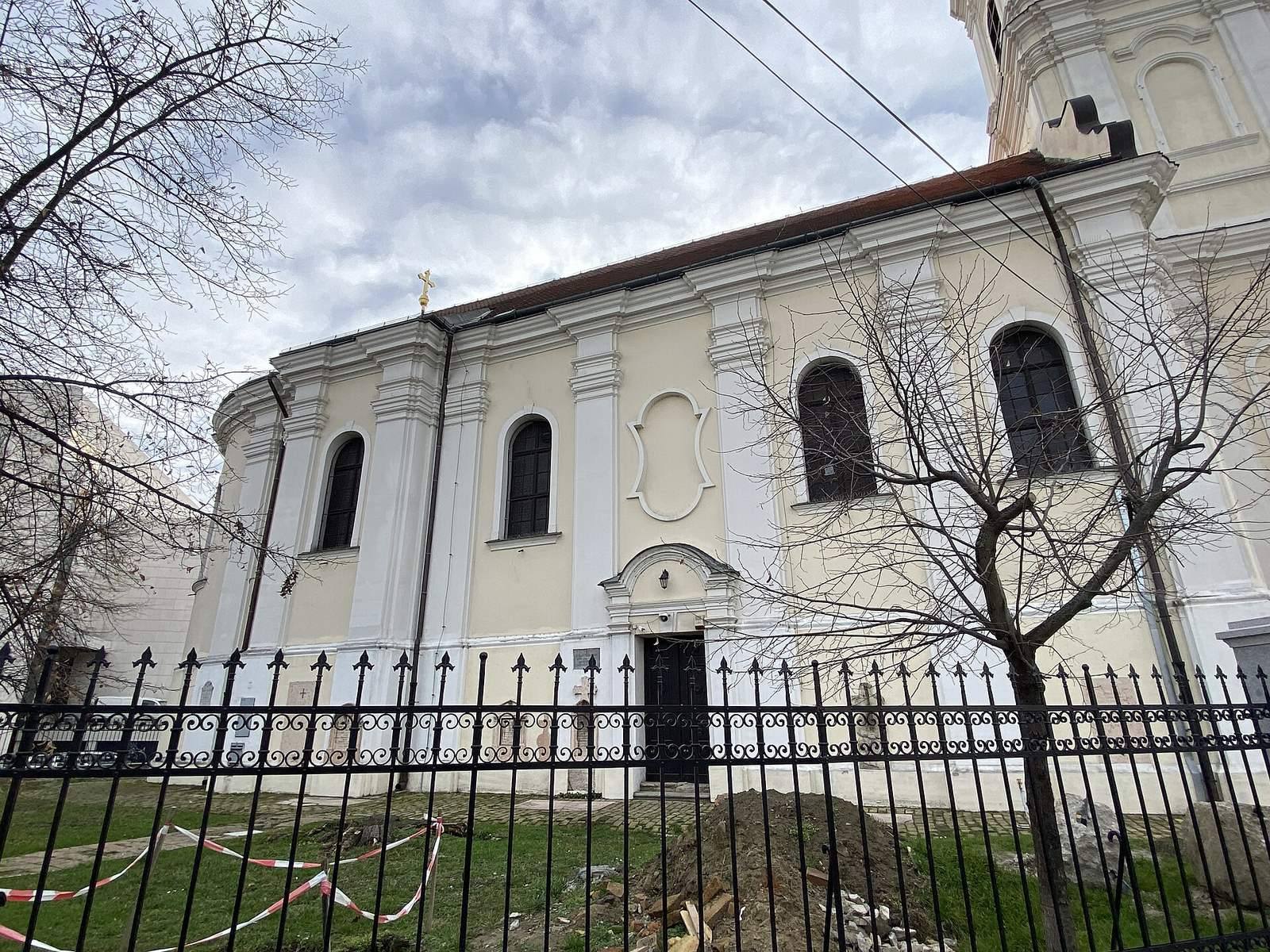
Construction of the Serbian National Theatre led to the loss of the church’s rectory and much of its churchyard. The rectory, built in 1907, was taken from the church in 1968 and demolished in the mid-1970s. The church’s grounds were reduced from 3,880 square metres to 1,341 square metres. Specialists from the Institute for the Protection of Cultural Monuments of Novi Sad carried out restoration work from 1990 to 1993, and Serbia’s Ministry of Labour and Social Policy restored a churchyard cross in 2005. The church is designated a cultural monument of exceptional importance in Serbia.
Remains
Building and exterior
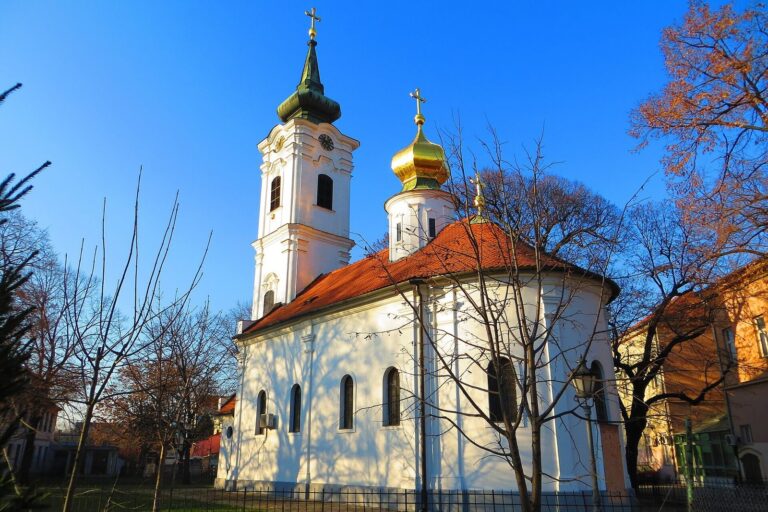
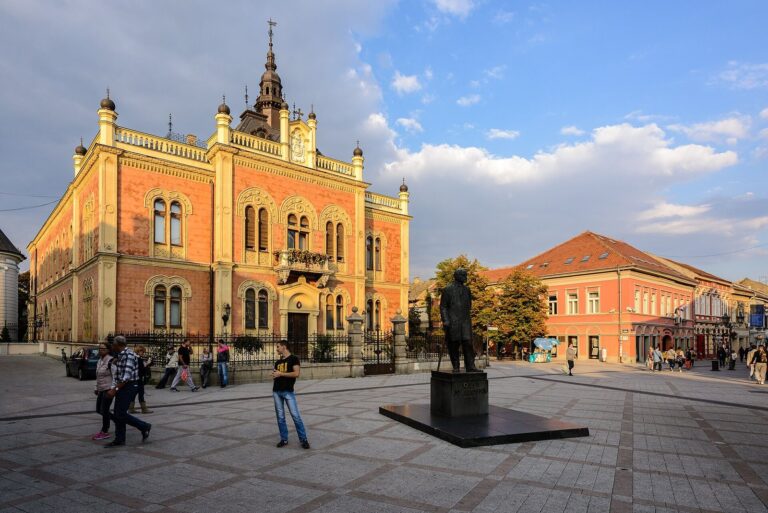
The church stands on Uspenska Street near its junction with Šafarikova Street, with the Serbian National Theatre immediately beside it. Freedom Square, the town hall, and Catholic, Slovak Evangelical, and Ruthenian Greek Catholic churches are also nearby. The Baroque building has an elongated nave, the main space for worshippers, ending in a semicircular apse, a projecting rounded part of a church. Rectangular bays serve the choir, an area for clergy or singers, beneath a barrel vault, a continuous arched ceiling. The foundations use fired brick, lime, and sand. A bell tower rises above the west entrance; pilasters, shallow projections resembling columns, and angular capitals, their crowning elements, decorate the tower and the long façades. Stepped horizontal divisions shape the exterior, and the projecting main portal is framed by pilasters and columns attached to the tower walls.
Interior
Altar and bells
The altar area is clad in pink marble, including its floor. Bells are installed in the church.
Iconostasis and carved furnishings
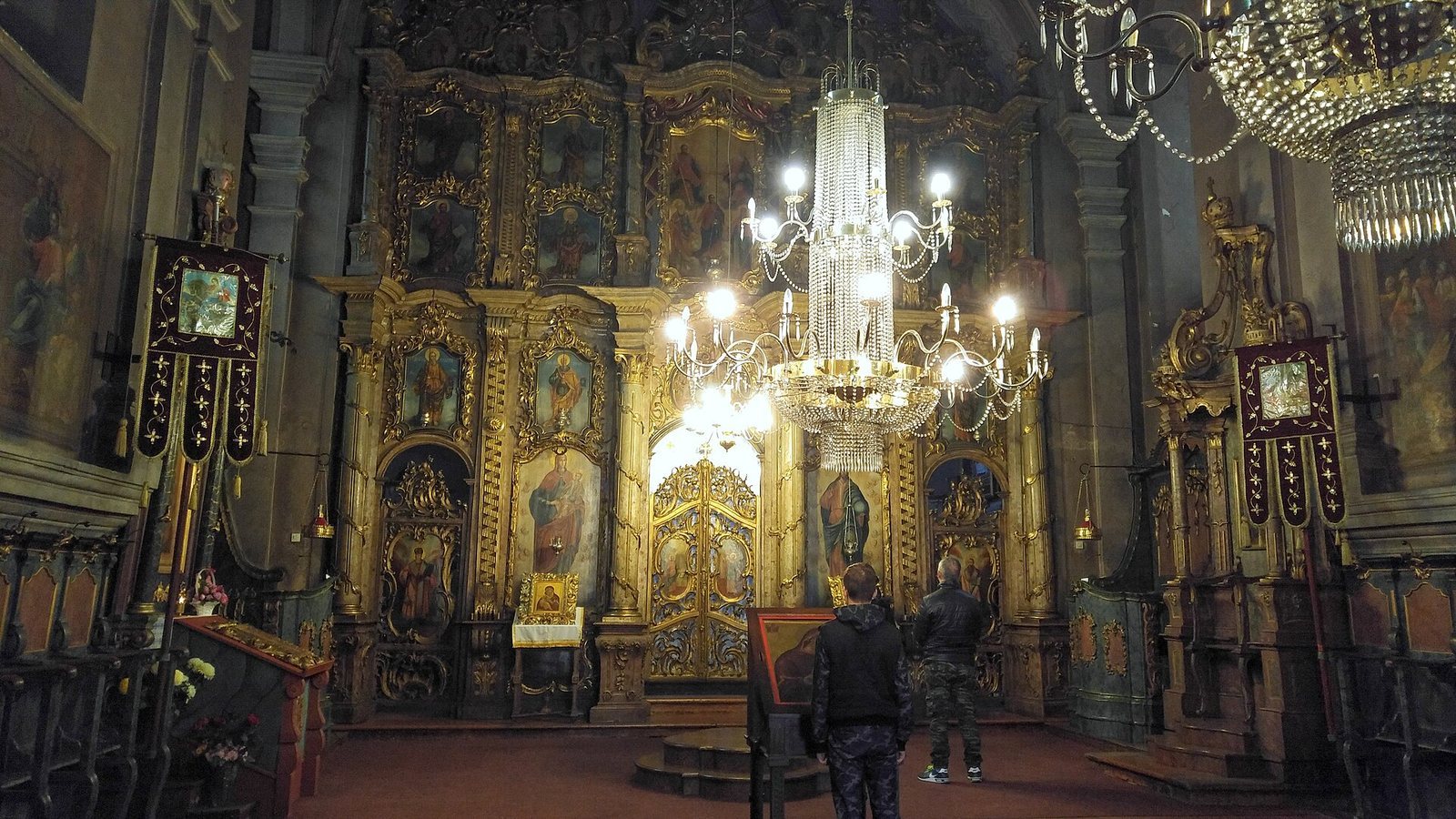
The high iconostasis, an icon-bearing screen that separates the sanctuary from the main worship space, is richly carved and has gilded ornament. Arsenije, Gavrilo, and Aksentije Marković made carved work for it. Marko Gavrilović and his sons also carved the iconostasis, the throne of the Mother of God, the bishop’s throne, and church furniture.
Painted decoration
Janko Halkozović and his son Dimitrije painted icons and frescoes, which are paintings made on wet plaster. Andrej Šaltist, Jovan Popović, and Vasilije Ostojić assisted them; the priest Jovan Joci Jovanović later painted frescoes as well. The style of the icons on the north and south doors and on the archpriest’s throne suggests that they may have been painted by Dimitrije Bratoglić or Mihajlo Jeftić.
Graves and memorials
Several graves of noble and prominent church benefactors lie around the church. A slab on the church wall commemorates Imperial-Royal military captain Jovan Janković of Brinja and bears his family coat of arms. His sister, Baroness Eufemija Jović, had the slab placed there in 1843.