St. Ulrich’s Hill: A Church and Wartime Memorial Site in Slovenia
Site at a Glance
- Rating
- 4.6
- Popularity
- Medium
- Country
- Slovenia
- Primary era
- Medieval
- Eras represented
- Medieval
- Civilizations
- Holy Roman Empire
- Site type
- Religious
- Remains
- Fortified Church
On this page10 sections
History
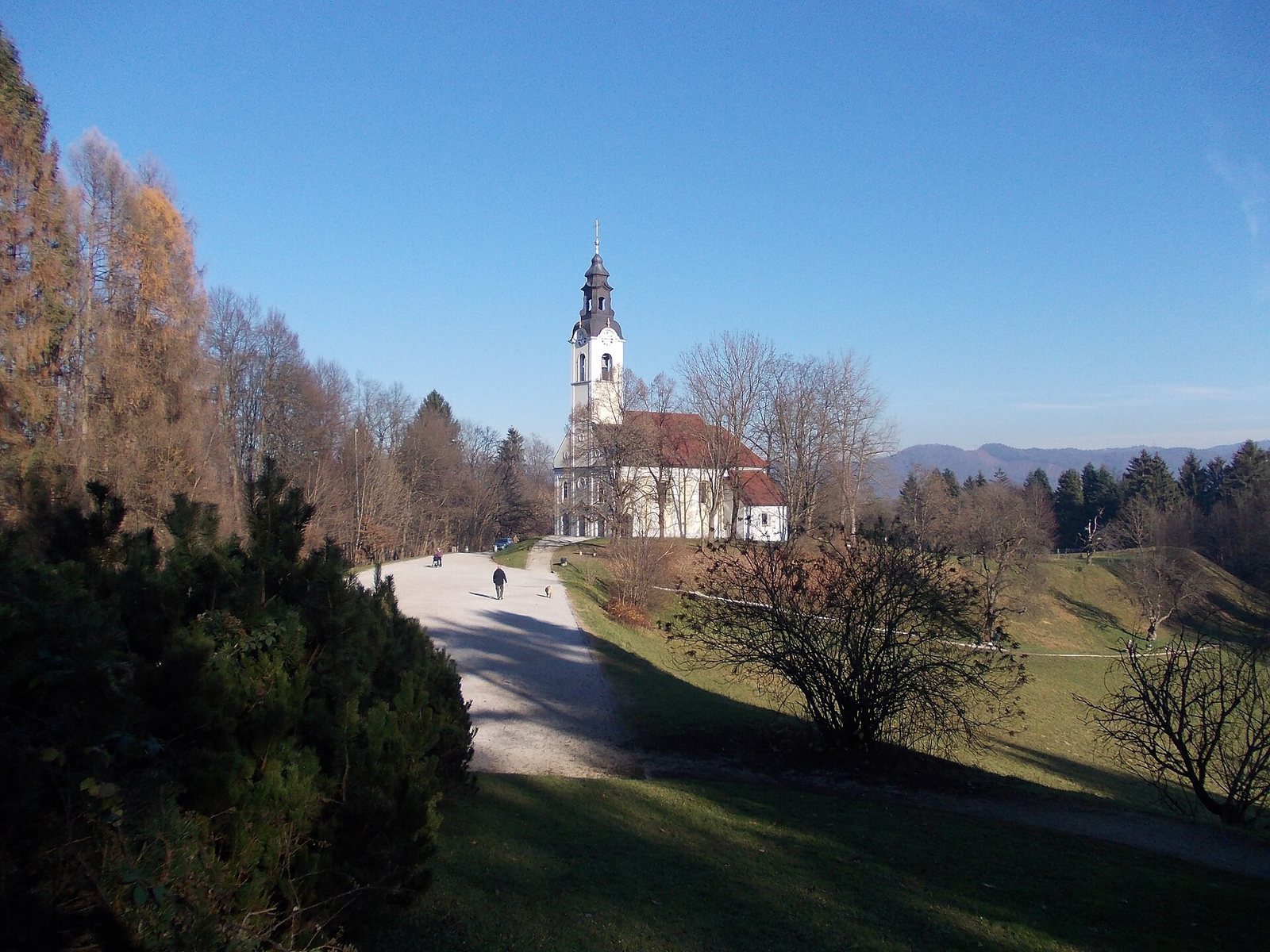
St. Ulrich’s Hill is a 342-metre hill on Golovec above Dobrunje, between Bizovik and Sostro, in Slovenia. The Church of St. Ulrich stands at its summit. Dedicated to Saint Ulrich, a tenth-century bishop of Augsburg venerated as a Catholic saint, the church was built in the Middle Ages and reconsecrated in 1728 after a Baroque restoration. It serves as a branch church of the Parish of St. Leonard in Sostro.
World War II
During the Second World War, village-guard posts operated on the hill, followed by posts of the Slovene Home Guard. Village guards were local anti-communist militias, while the Home Guard was an anti-communist Slovenian military formation. Italian forces controlled the post from the start of the war until September 1943, when German forces took control.
On 17 May 1942, about 20 men assembled on the hill as the first armed formation of the Slovene White Guard, an earlier anti-communist group. The gathering links the site with the beginnings of the armed White Guard. The Home Guard used the church as a military strongpoint and placed a sniper position in its bell tower. More than 100 people, including Partisans from the national liberation movement and others known or suspected of taking part in it, were tortured and killed at the site. A wartime warning in Ljubljana threatened that people might be taken to Urh.
Peter Križaj, an armed military chaplain and Catholic priest, was believed to be the most notorious torturer. The Christmas Trial, a postwar Slovenian trial of wartime anti-communist figures, convicted him on 23 December 1945 and sentenced him to death by hanging. He was executed on 20 March 1946, although his conviction may have been wrongful.
Postwar commemoration and ownership
After the war, the church and surrounding buildings were used as a museum commemorating the victims. A photographic collection documenting atrocities in the church was later removed by the parish priest; most of it is now held by the City Museum of Ljubljana. The church returned to Church ownership in 1992, following Slovenian independence and denationalization, the legal process of returning property nationalized by the state.
Remains
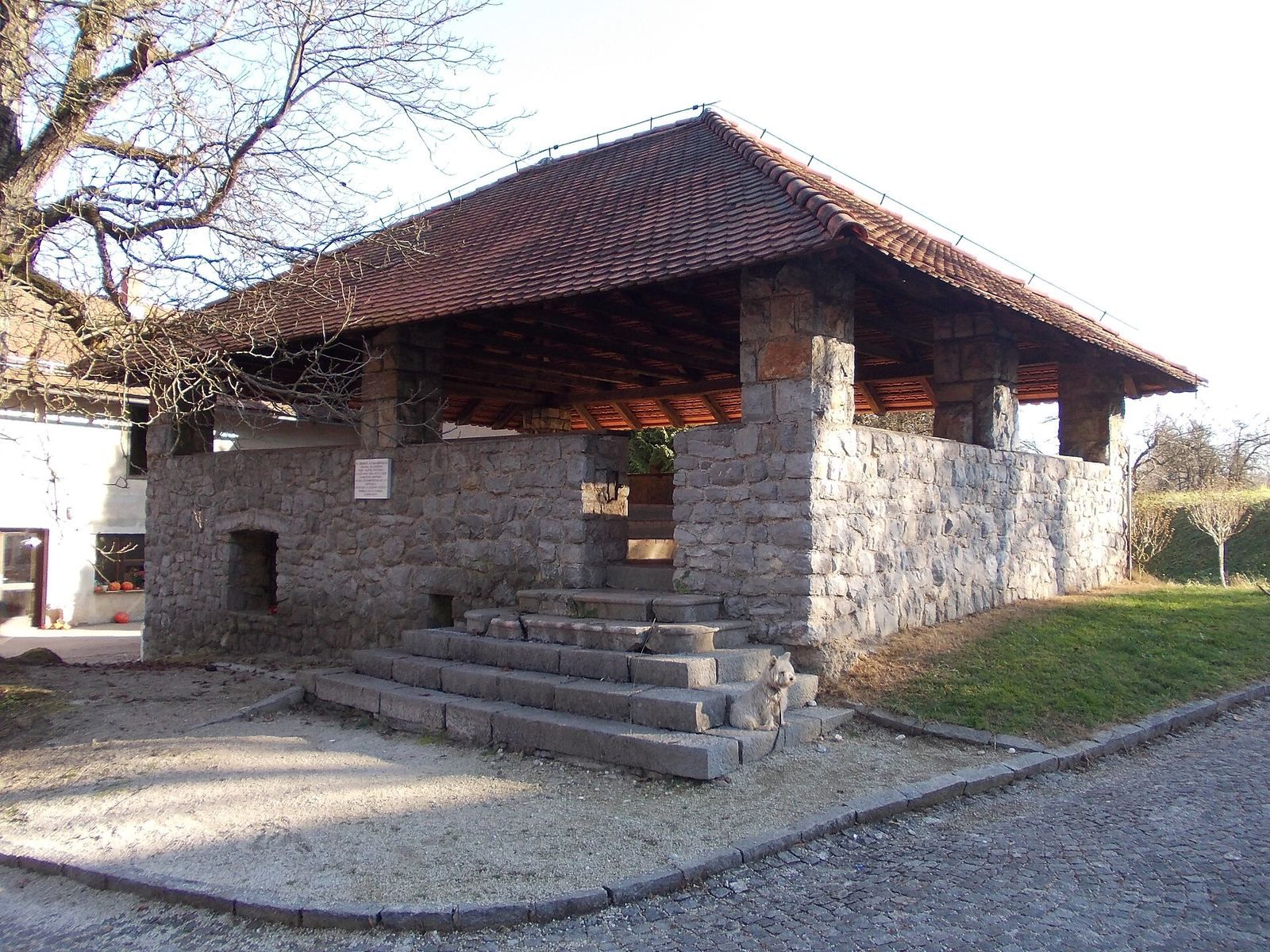
The church stands at the hilltop, with the mass grave and memorial nearby. The former sexton’s house and its basement rooms are also part of the site’s surviving buildings and commemorative history.
Buildings and wartime features
Church of St. Ulrich
The church has a bell tower with firing slits. Before renovation of the facade began in 2006, bullet impacts could be seen on its surface. The work prompted controversy because some people considered those marks an essential memorial to the church’s wartime use as a strongpoint. The church’s old bells were taken to the Litostroj factory after the war and melted down; three replacement bells were installed in 1995.
Former sexton’s house
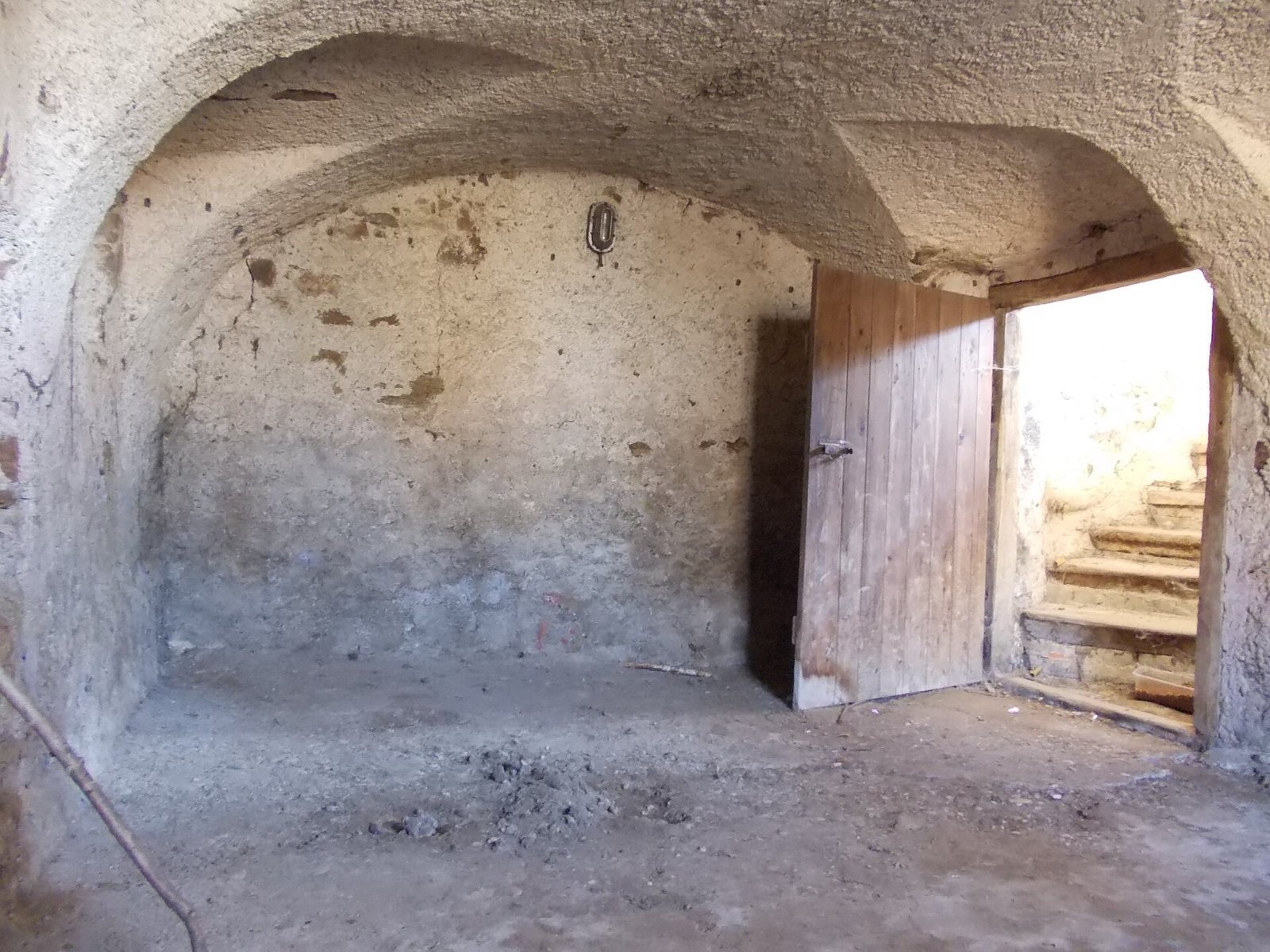
The former sexton’s house has a plaque on its exterior. Its basement rooms were used as a prison and torture chambers. They were later refurbished to receive the photographic collection removed from the church, but the collection had not been installed there by December 2008. A museum in the house presents information about the massacre.
Mass grave and memorial
Mass grave
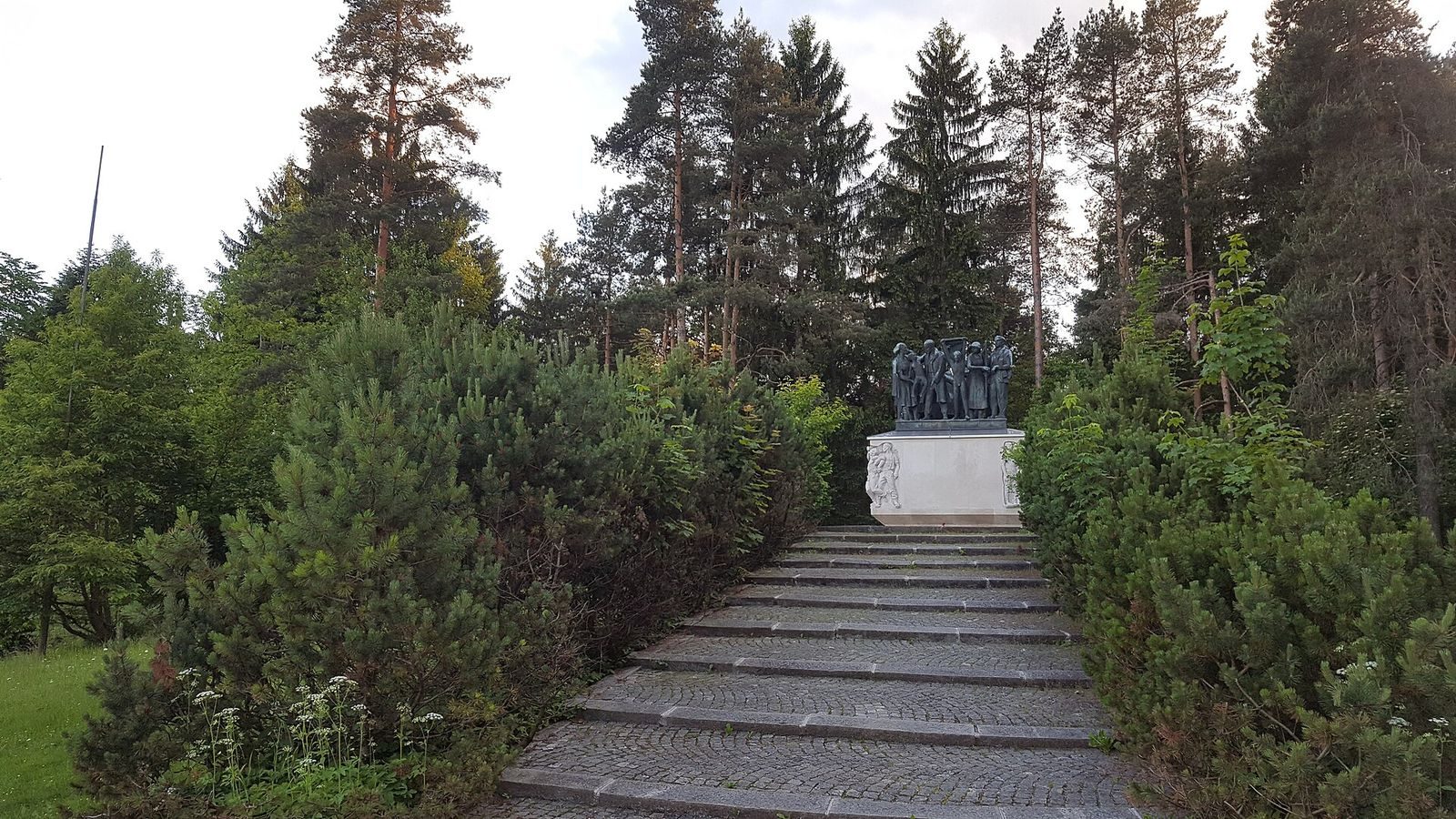
The nearby mass grave contains the remains of 123 victims of the crimes associated with the site and 56 fighters of the Cankar Brigade, an armed unit of the national liberation movement. The fighters’ remains were transferred there after the war.
Memorial
Created between 1948 and 1955, the memorial was designed by Slovenian architect and artist Boris Kobe, with sculptors Karel Putrih and Zdenko Kalin. It includes scattered commemorative plaques.