Segeda: A Celtiberian City and Mint in Spain
Site at a Glance
- Rating
- 4.2
- Popularity
- Very Low
- Country
- Spain
- Primary era
- Classical
- Eras represented
- Classical
- Civilizations
- Celtiberian
- Site type
- Settlement
- Remains
- City
On this page11 sections
History
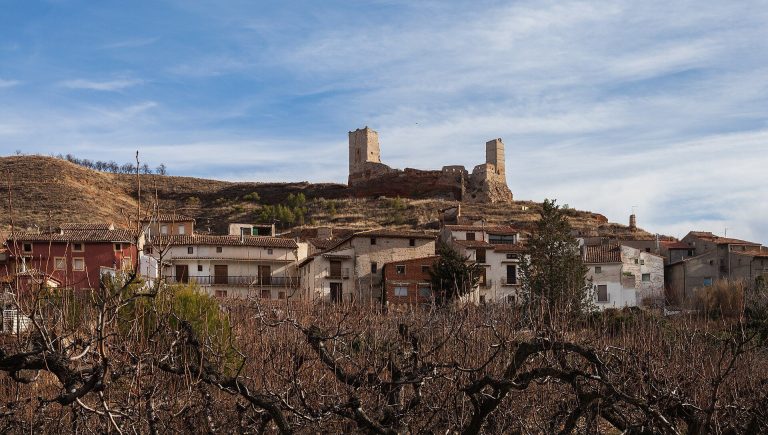
Segeda was a major Celtiberian city of the Belli, a people of central Iberia, located between present-day Mara and Belmonte de Gracián in Spain’s Calatayud area. It was the most important city of the Belli and became a focus of conflict between Rome and the peoples of Celtiberia in the second century BC.
The Belli city and its coinage
Appian, a Greek-speaking historian of Rome, was the earliest writer to mention Segeda, describing it as a city of the Belli. The city began minting coins sometime between 170 and 154 BC. Its early currency included bronze asses, a coin denomination, along with smaller and larger units. Segeda also struck silver denarii, Roman silver coins, to pay tribute to Rome. Coin production in both metals continued through the second century and into the early first century BC.
Six issues of Segeda’s coinage are identified. All included bronze, while silver appeared only in the second and third issues. Production peaked around the middle of the second century BC, especially in those two issues. The third and sixth issues circulated most widely, reaching mining districts in Hispania Ulterior, a Roman province, and Beturia, a mining region. Their spread may reflect movement of people from north to south or military activity. Some issues may have met Roman tribute demands under agreements, perhaps including payments connected with Belli auxiliaries serving under the commander Vetilius near Numantia in 146 BC. Other issues may have served local use. The sixth issue may have continued for 20 to 30 years, possibly to address a shortage of currency.
The war with Rome
In 154 BC, Segeda’s attempt to extend its defensive walls brought the city into conflict with Rome. The Roman Senate regarded the expansion as a breach of the earlier Treaty of Gracchus. Segeda’s inhabitants understood the agreement to prohibit founding new cities, not enlarging an existing one, and refused a Roman ultimatum.
In 153 BC, the Roman army approached before Segeda had completed its defenses. The inhabitants fled to the neighboring Arevaci, a distinct Celtiberian people, and their forces joined those of Segeda under Caro, a leader from the city. They faced about 30,000 Roman troops commanded by Quintus Fulvius Nobilior, a Roman consul, one of the Republic’s chief annually elected magistrates. In an ambush, the Celtiberian allies killed about 6,000 Romans and halted Nobilior’s attack on Segeda. They later repelled another Roman assault at Numantia, the Arevaci’s principal city. Caro died in the fighting.
The campaign also affected Rome’s political timetable. In 153 BC, the election of consuls was moved from around March 15 to January 1, allowing the magistrates to be appointed earlier for the campaign in distant Hispania. Roman tradition also held that the civil year had begun on January 1 since the late eighth century BC, an earlier practice attributed to Numa Pompilius, a traditional early king of Rome.
Destruction and Segeda II
Segeda was destroyed during the war. A new settlement, called Segeda II by archaeologists, was established nearby soon afterward. Its coinage indicates continuity in the city’s political identity and population.
Segeda II was later ruined during the Roman Civil War, a late-Republican conflict within the political crisis that ended the Republic and led to imperial rule. The settlement was permanently abandoned after 49 BC. Excavations in the area began in 1998.
Remains
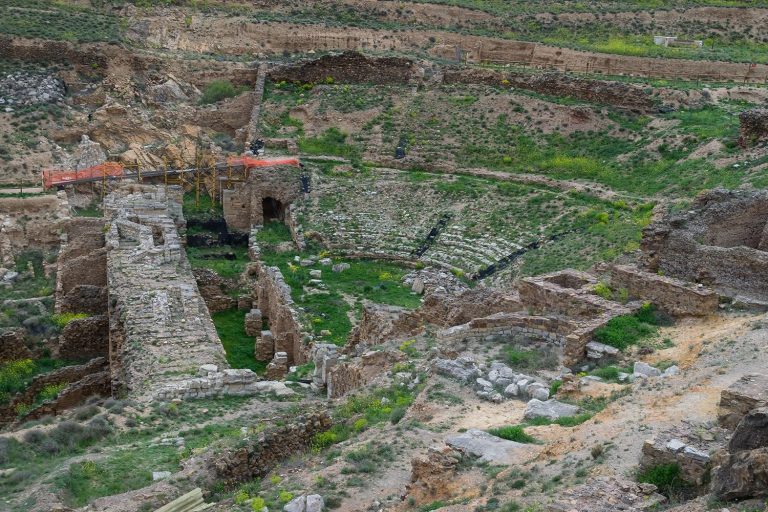
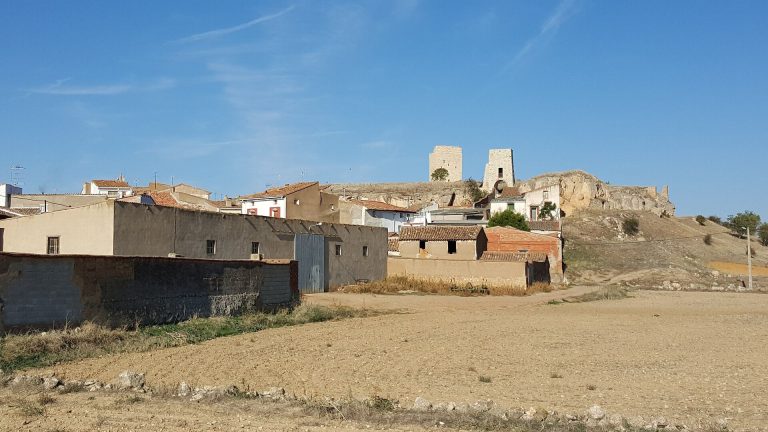
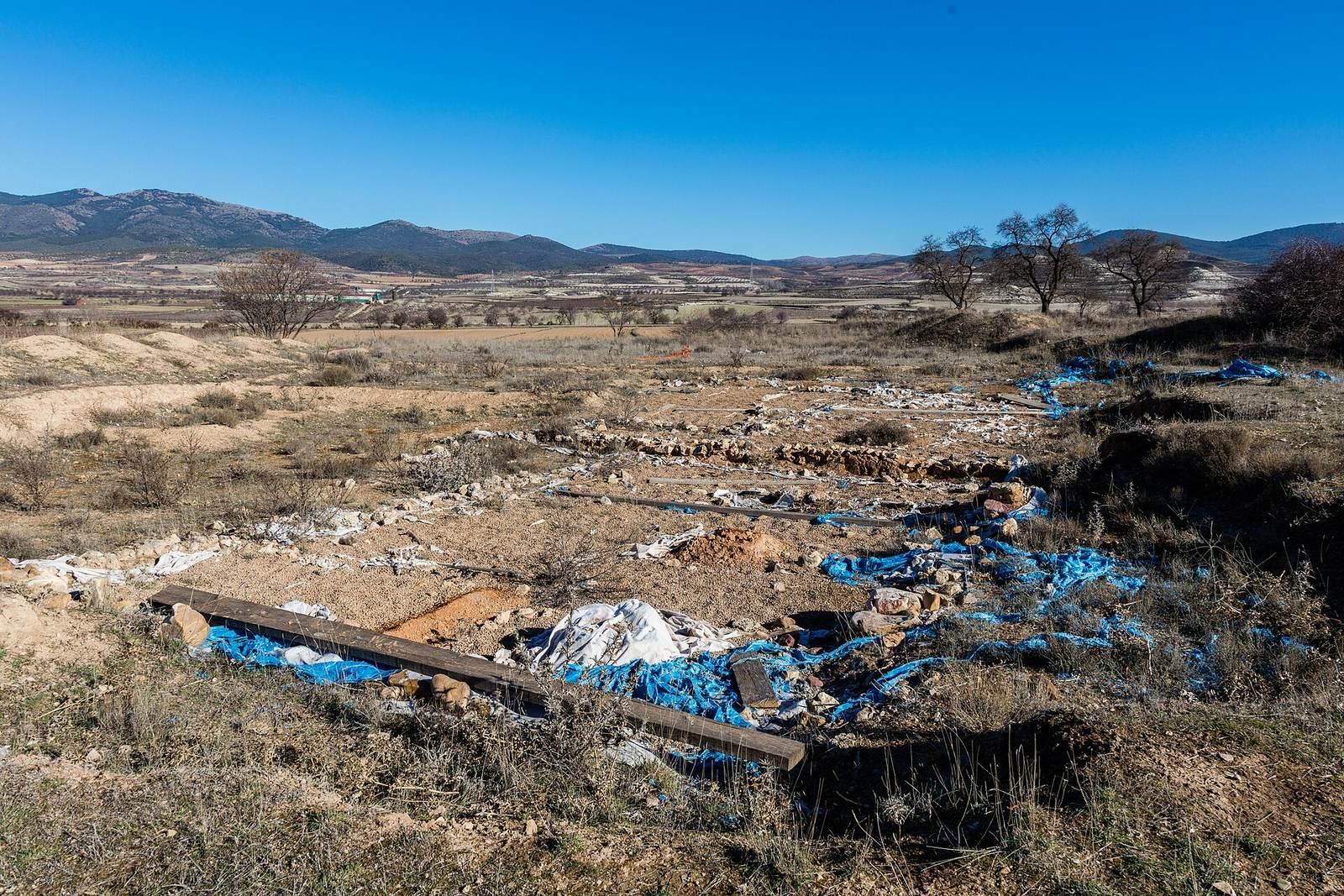
The archaeological remains lie near the Perejiles River in the Calatayud area of Zaragoza, within Spain’s central Iberian System. The surrounding landscape favors agriculture, especially cereal cultivation. The site includes two nearby settlement areas and an excavated coin-production workshop.
Settlement areas
Segeda I
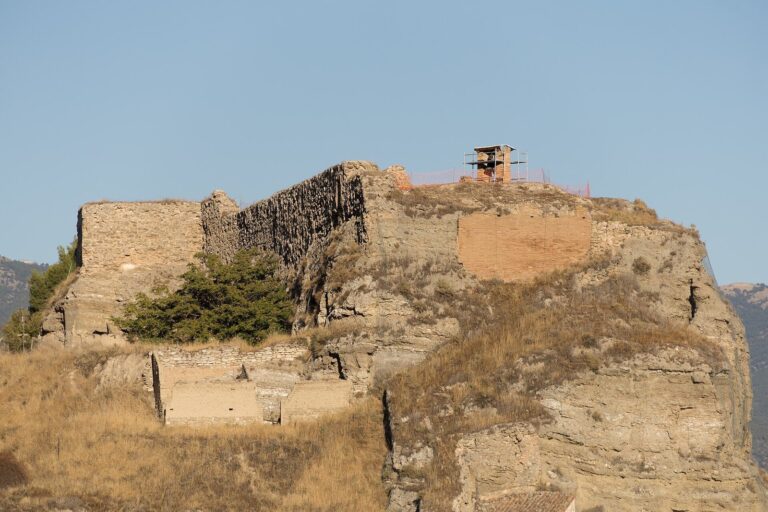
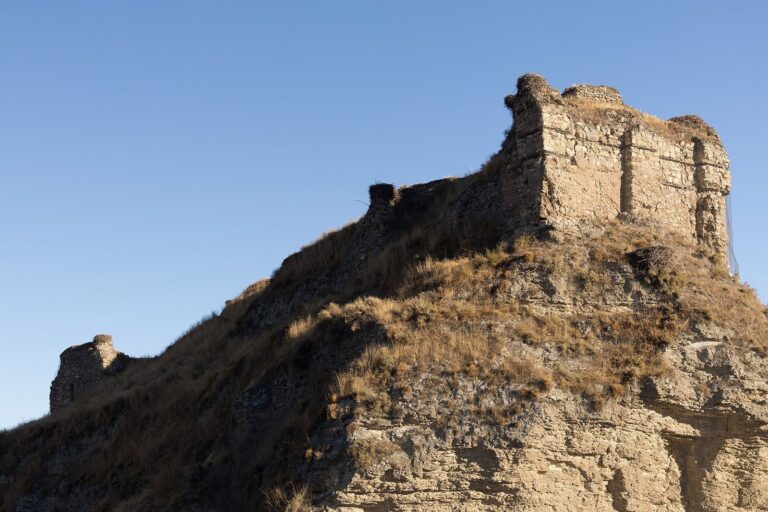
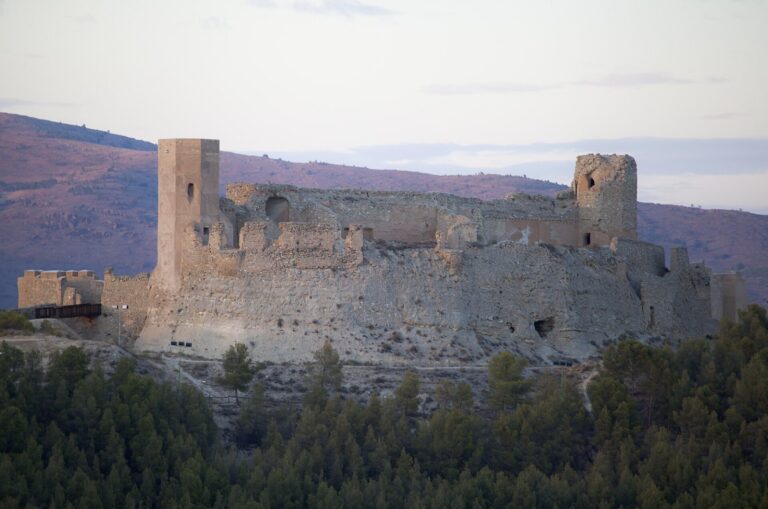
The earlier settlement, Segeda I, had defensive walls. These walls formed part of the city’s defenses during its conflict with Rome.
Segeda II
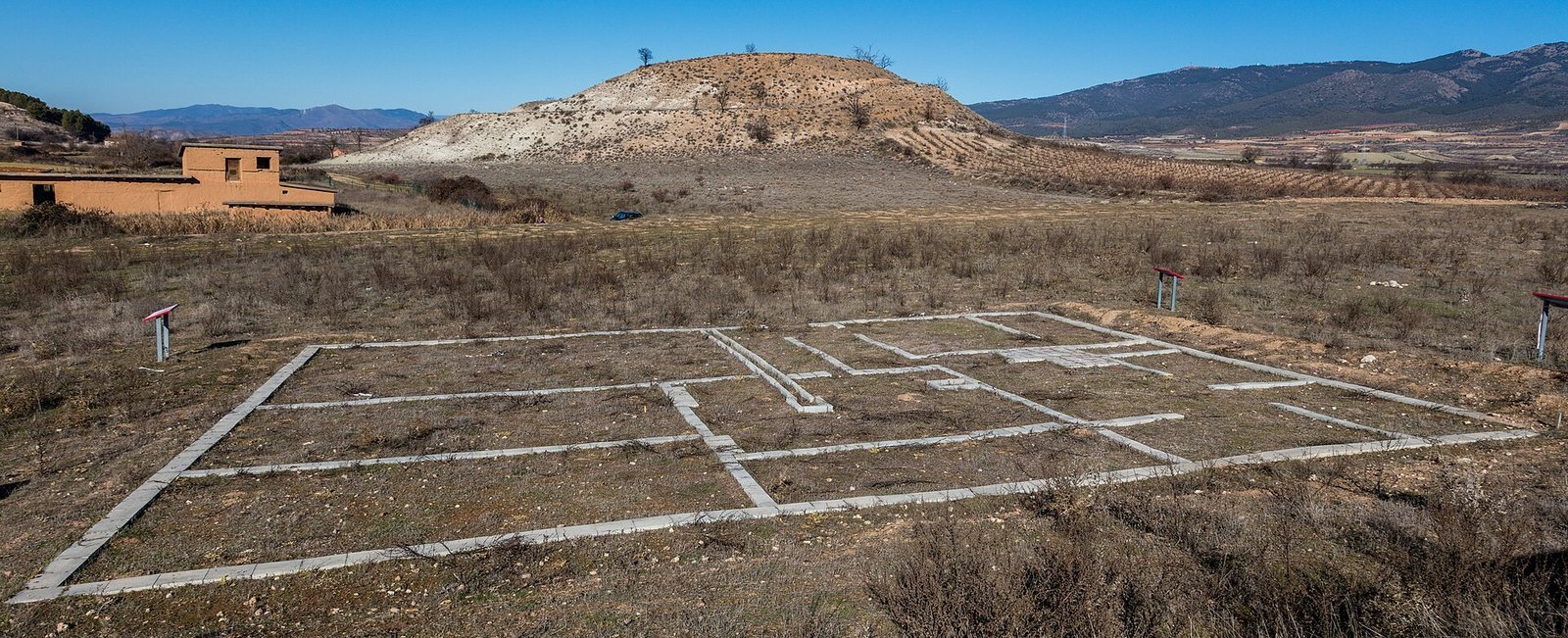
The later settlement occupied a nearby site. Its rectilinear street plan and other features indicate Roman influence.
Mint and coins
Coin-production workshop
Excavated remains have yielded numerous bronze and silver coins. Segeda’s mint is considered one of the most complete coin-production workshops excavated to date.
Coin designs
The inscriptions on the coins use the Celtiberian form Sekaiza. The first two issues show a wolf’s head on the front and a horseman carrying a bird on the back. Later coins have a male bust on the front, sometimes bearded and sometimes accompanied by a symbol. Their backs show horsemen carrying a spear, bird, or palm on higher-value coins. Half- and sixth-value coins depict a horse, while third-value pieces show a Pegasus, the winged horse of Greek myth, and a boar. Bronze asses weighed about 14 to 16 grams; some later coins are estimated at about 8 to 9 grams.