Castle of Villafeliche: A Muslim-Origin Hilltop Fortress

Site at a Glance
- Rating
- 4.5
- Popularity
- Very Low
- Country
- Spain
- Primary era
- Medieval
- External website
- Open
- Eras represented
- Medieval, Modern
- Civilizations
- Crown of Aragon
- Site type
- Military
- Remains
- Castle
On this page5 sections
History
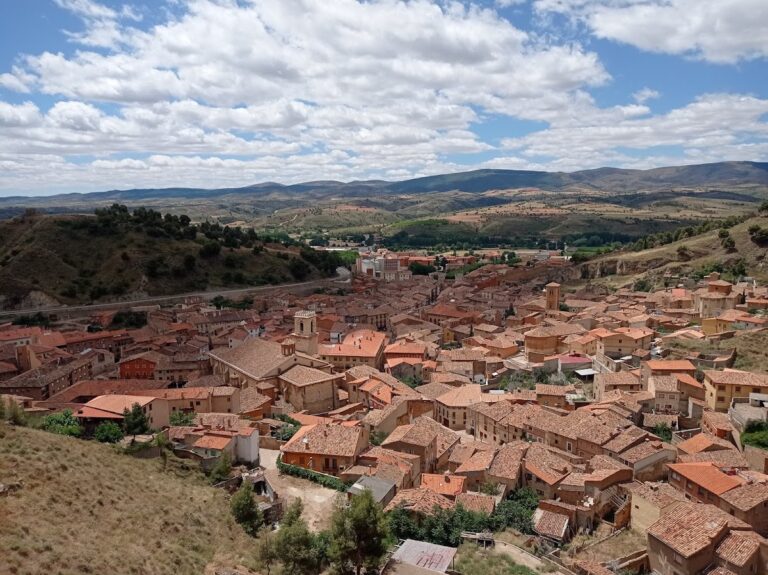
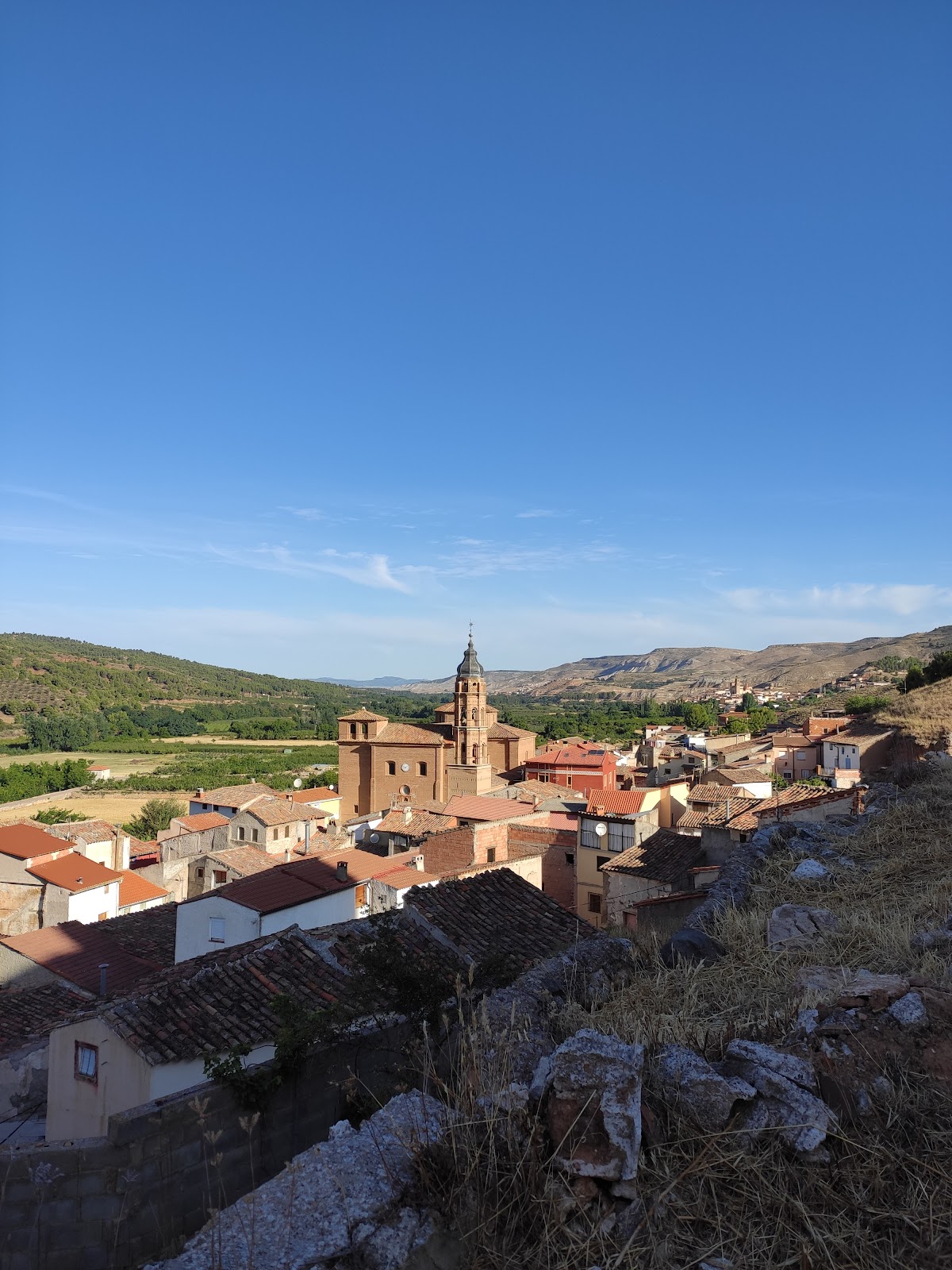
The Castle of Villafeliche, also called the Castle of Villafeliz, is a Muslim-origin fortress in Villafeliche, Spain. Its medieval construction dates to the 13th and 14th centuries, while its position above the settlement reflects the strategic importance of the hilltop during the region’s changing medieval rule.
Reconquest and territorial rule
Alfonso I the Battler, the Aragonese king whose reign included major expansion during the Christian reconquest of the Ebro valley, reconquered Villafeliche in 1121. The town and castle were initially incorporated into the Community of Villages of Calatayud, a territorial administration grouping settlements within the Kingdom of Aragon.
After Alfonso I died, disputes over his testament brought a period of Castilian sovereignty. During this time, Alfonso VII of Castile, a 12th-century Castilian-Leonese monarch who exercised authority in parts of the region, granted Villafeliche to the Bishop of Sigüenza. The town and fortress later belonged for brief periods to the Community of Villages of Daroca, the Monastery of Piedra, and the Bishopric of Tarazona.
Medieval lordship and heritage status
Villafeliche and its castle passed through the hands of several territorial administrators and members of prominent Aragonese noble families. Among them were Sancho Fernández de Azagra and Fernán López de Luna, who was lord of Ricla in 1366.
The Castle of Villafeliche is protected as an Asset of Cultural Interest, a formal Spanish heritage designation for monuments and other culturally significant properties. Its listing under the second additional provision of Aragon’s Cultural Heritage Law 3/1999 was published in the Official Gazette of Aragon on 22 May 2006, following a resolution dated 17 April 2006.
Remains
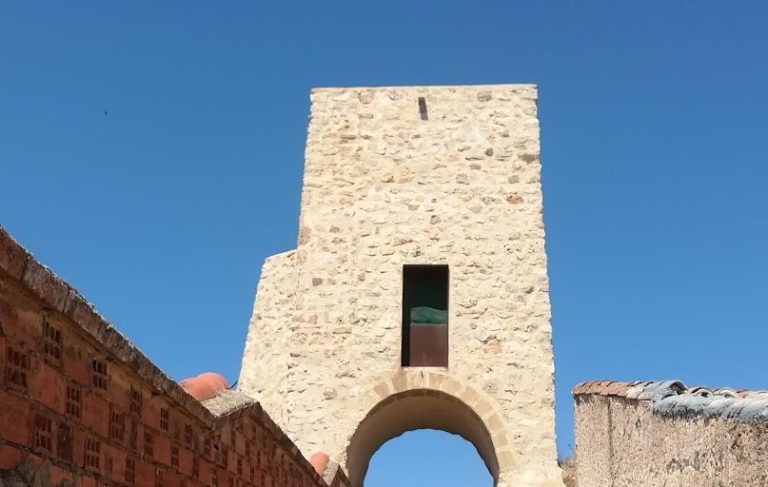
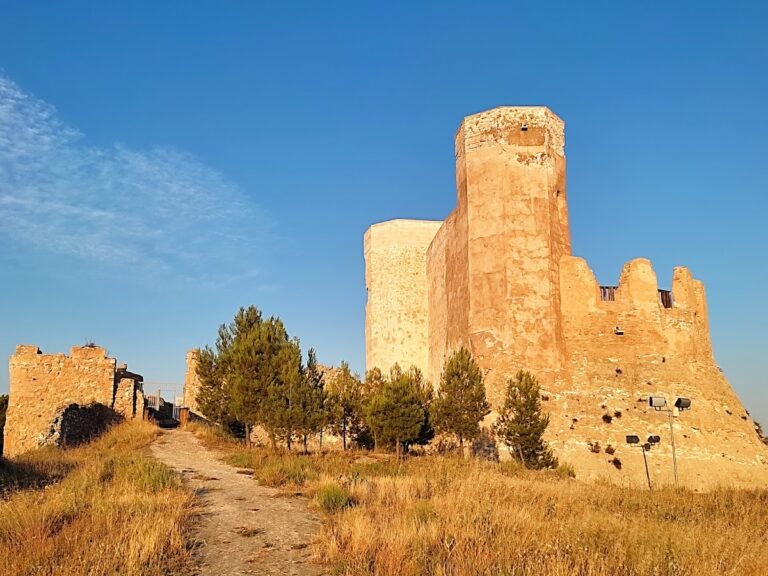
The fortress occupies the summit of a hill immediately above Villafeliche. It forms a trapezoidal enclosure constructed from stone and rammed earth, a technique that creates solid walls by compacting earth in layers within temporary formwork. Access is concentrated on one side, where the entrance gate is located. A ditch defends the opposite side, while high rocky walls protect the lateral sides.
Towers and defensive walls
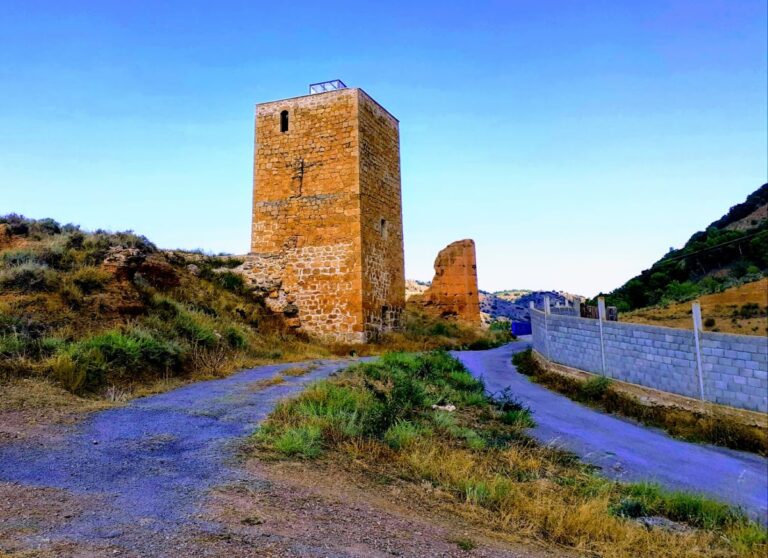
A substantial tower of homage, measuring approximately 7 metres on each side, occupies one corner of the enclosure. Two other corners retain smaller square towers, including one represented by its surviving base. The walls rise to a parapet pierced with loopholes, narrow openings used by defenders for observation and the discharge of weapons. These openings and the parapet were probably added during the Carlist Wars, the 19th-century Spanish civil conflicts fought over rival claims to the throne.
Nearby sites