Asgill House: A Palladian Villa in Richmond
Site at a Glance
- Popularity
- Medium
- Country
- United Kingdom
- Primary era
- Early Modern
- Eras represented
- Early Modern
- Civilizations
- British
- Site type
- Domestic
- Remains
- Elite Residence
History
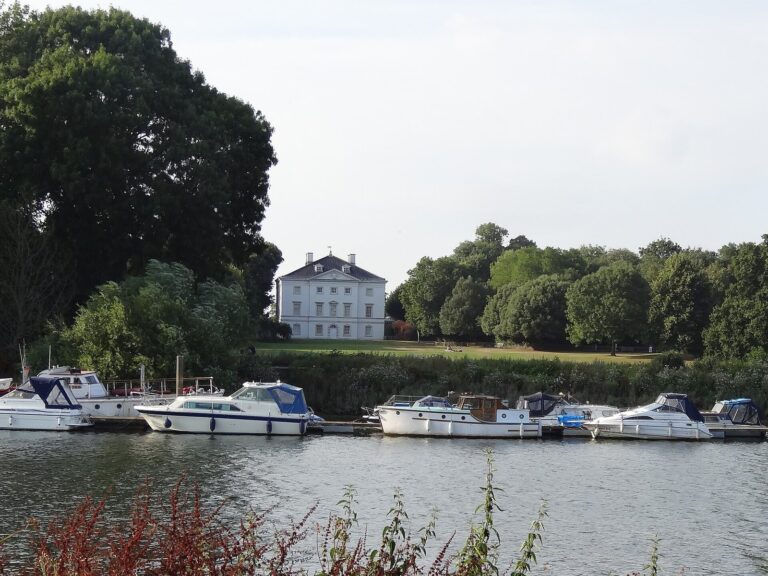
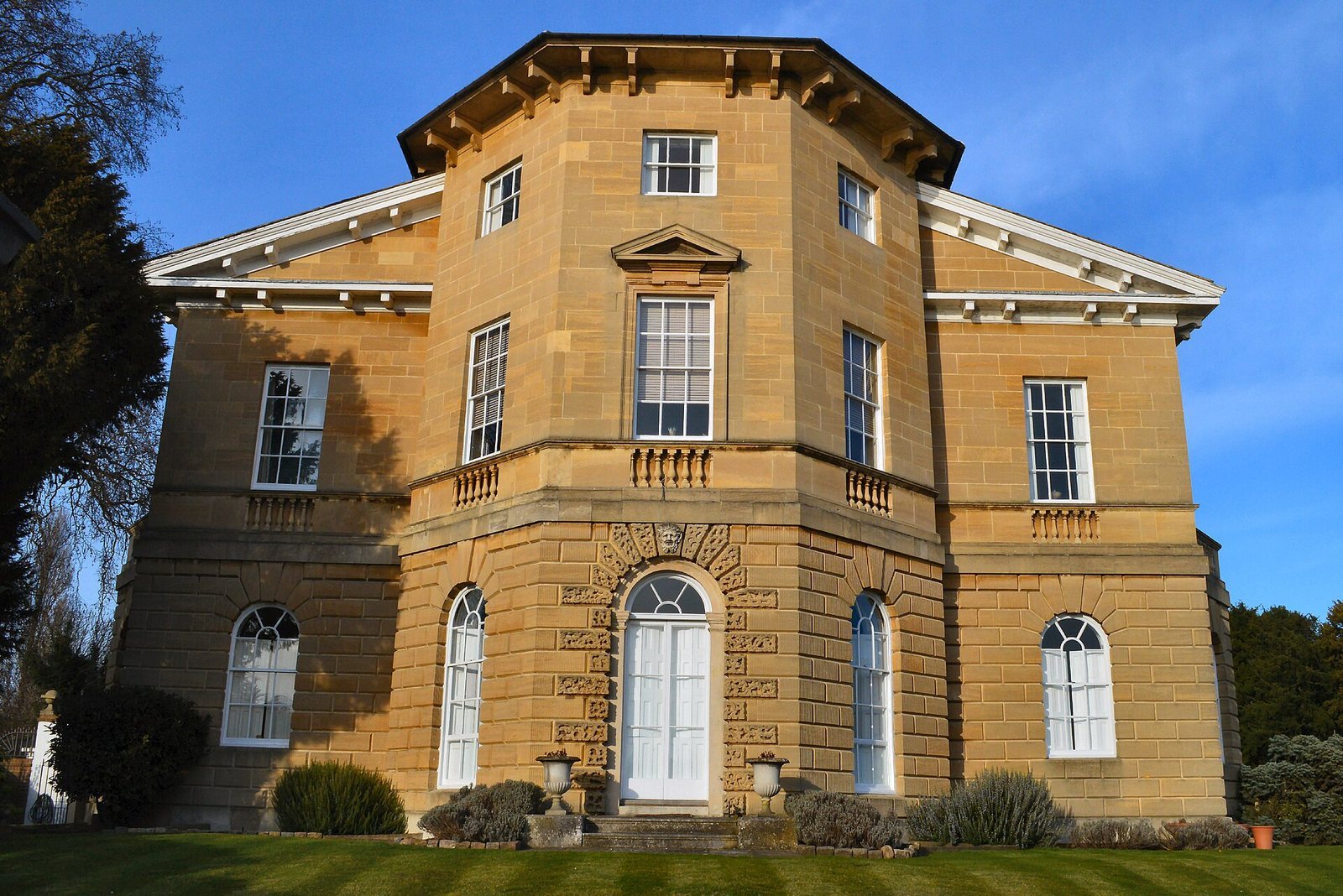
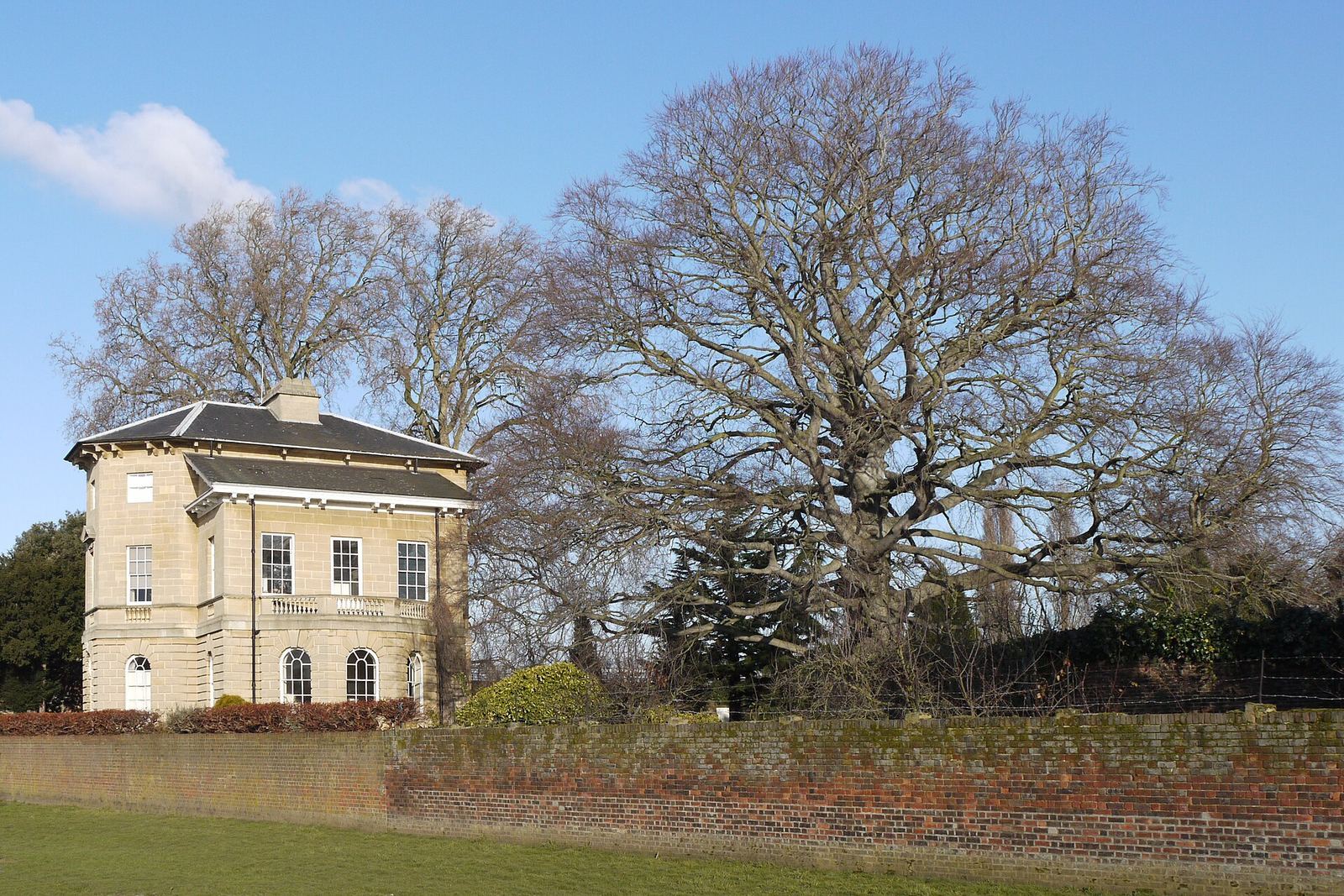
Asgill House is a Palladian villa in Richmond, London, United Kingdom, designed by Sir Robert Taylor for merchant banker Sir Charles Asgill. Construction began in 1757–58, although completion may have been in either 1760 or 1767. Palladian architecture is a classical style inspired by the work and principles of Renaissance architect Andrea Palladio. Asgill, who later served as Lord Mayor of London, commissioned the house as a summer and weekend villa. It was regarded as one of the last important villas built along the Thames.
The house was first called Richmond Place. By 1832, it was referred to generically as Riverside Villa, while the name Asgill House first appeared in 1881. After Asgill died in 1788, the property passed through several owners.
After standing empty for several years in the 1960s, the house suffered internal vandalism. A full restoration took place from May 1969 to November 1970, led by leaseholder Fred Hauptfuhrer with help from Donald Insall Associates. The work removed Victorian additions and returned the house to its original appearance. The house was listed Grade I in 1950, England’s highest category of protection for buildings of exceptional interest. The Crown owns it; the Asgill House Trust has leased and maintained it since 1983, and it remains a residence.
Remains
The villa overlooks the River Thames and occupies the former river frontage and later brewhouse of medieval and Tudor Richmond Palace. Architectural drawings of the house date to 1767.
An exterior plaque names Henry I, Edward III, Henry VIII and Elizabeth I as residents of Richmond Palace. A separate plaque in the garden commemorates a copper beech planted there on 4 October 1813 by Elizabeth Palmer to celebrate her grandson’s birth. Regarded as one of London’s Great Trees, the beech died in the winter of 2013–14.