St Sampson’s Church: A Medieval Parish Church in Cricklade
Site at a Glance
- Rating
- 4.3
- Popularity
- Low
- Country
- United Kingdom
- Primary era
- Medieval
- Eras represented
- Medieval, Early Modern, Modern
- Civilizations
- Anglo-Saxon, British, English
- Site type
- Religious
- Remains
- Church
On this page13 sections
History
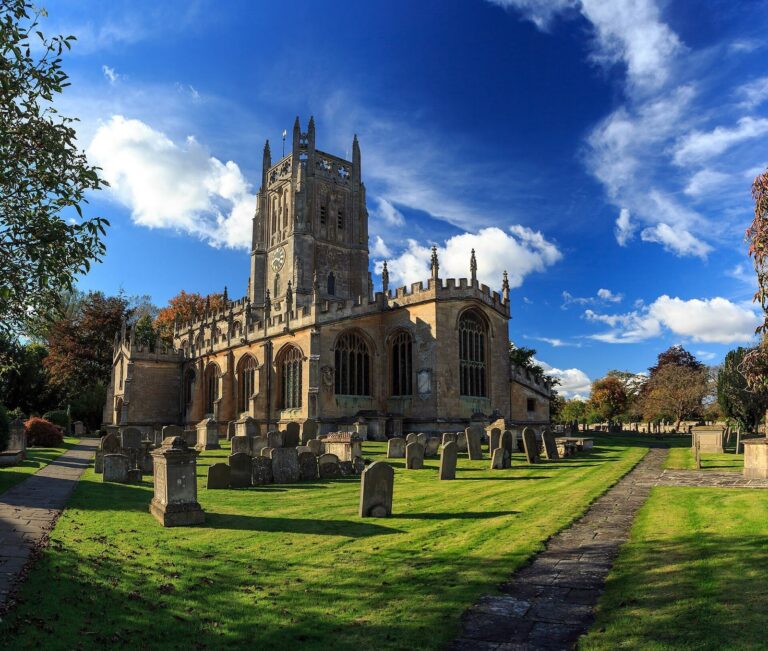
St Sampson’s Church is an active Church of England parish church in Cricklade, Wiltshire, England. Founded in 950, it is dedicated to Saint Samson of Dol, a Welsh missionary and bishop associated with Dol in Brittany. Born in Wales in the late fifth century, he was among the founders of Christianity in Brittany. The present church dates from the late twelfth century.
Foundation and medieval church
A stone church stood on the site by about 973. The Domesday Book, William I’s survey of English land and resources, recorded the church in 1086 on land held by Westminster Abbey.
Sixteenth- and seventeenth-century development
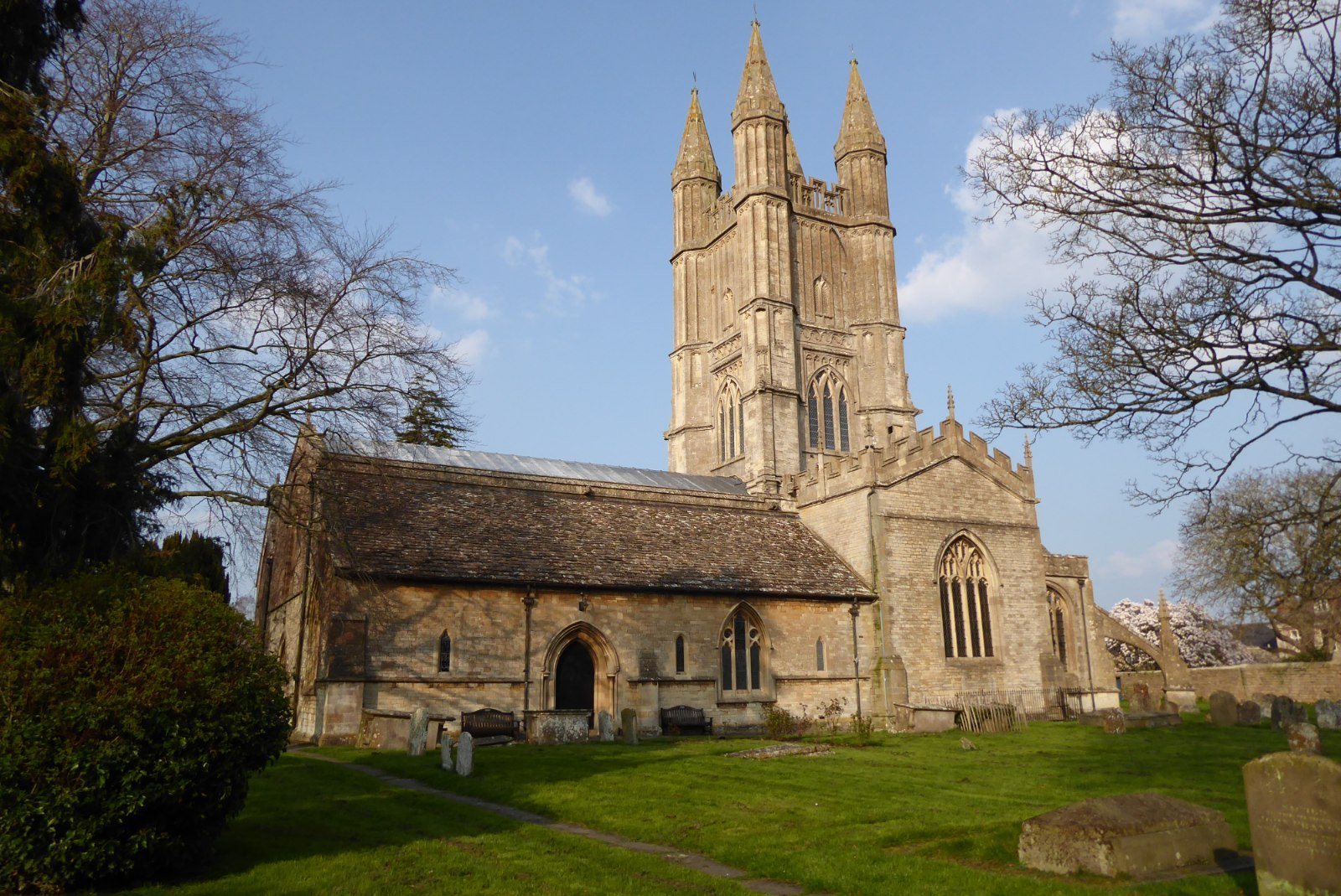
Work on the tower began in the early sixteenth century and was completed in the 1550s. The Duke of Northumberland and the Hungerford family paid for its construction. Owners of Widhill Manor claimed exclusive use of the church’s north aisle. Widhill, a tithing (local administrative subdivision) south of Cricklade, was later transferred to Blunsdon parish.
In 1624, Robert Jenner bought Widhill Manor. A North Wiltshire native, Jenner prospered as a silver merchant in the City of London. His charitable bequests included money for a school beside the churchyard.
Restoration and parish changes
Ewan Christian restored the church in 1863 and 1864. It received Grade I listing in 1955, a designation for buildings of exceptional architectural or historic interest. The churchyard cross is Grade II* listed, a category for particularly important buildings of more than special interest.
Cricklade’s St Sampson’s and St Mary’s churches had separate parishes until they were joined as the parish of Cricklade in 1952. The resulting United Benefice of Cricklade with Latton grouped several parishes under one incumbent and included St John the Baptist at Latton and St Mary’s at Eysey, near Latton. The Eysey church was demolished in 1953. St Mary’s in Cricklade was declared redundant, or no longer required for parish worship, in 1981, leaving St Sampson’s as the parish’s sole church. Since 2007, the parish has formed part of the Upper Thames Group with Holy Cross at Ashton Keynes, All Saints at Leigh and St John at Latton. St Sampson’s is in the Diocese of Bristol.
Remains
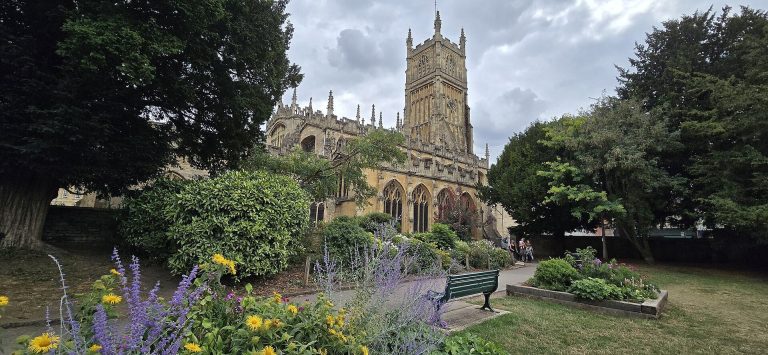
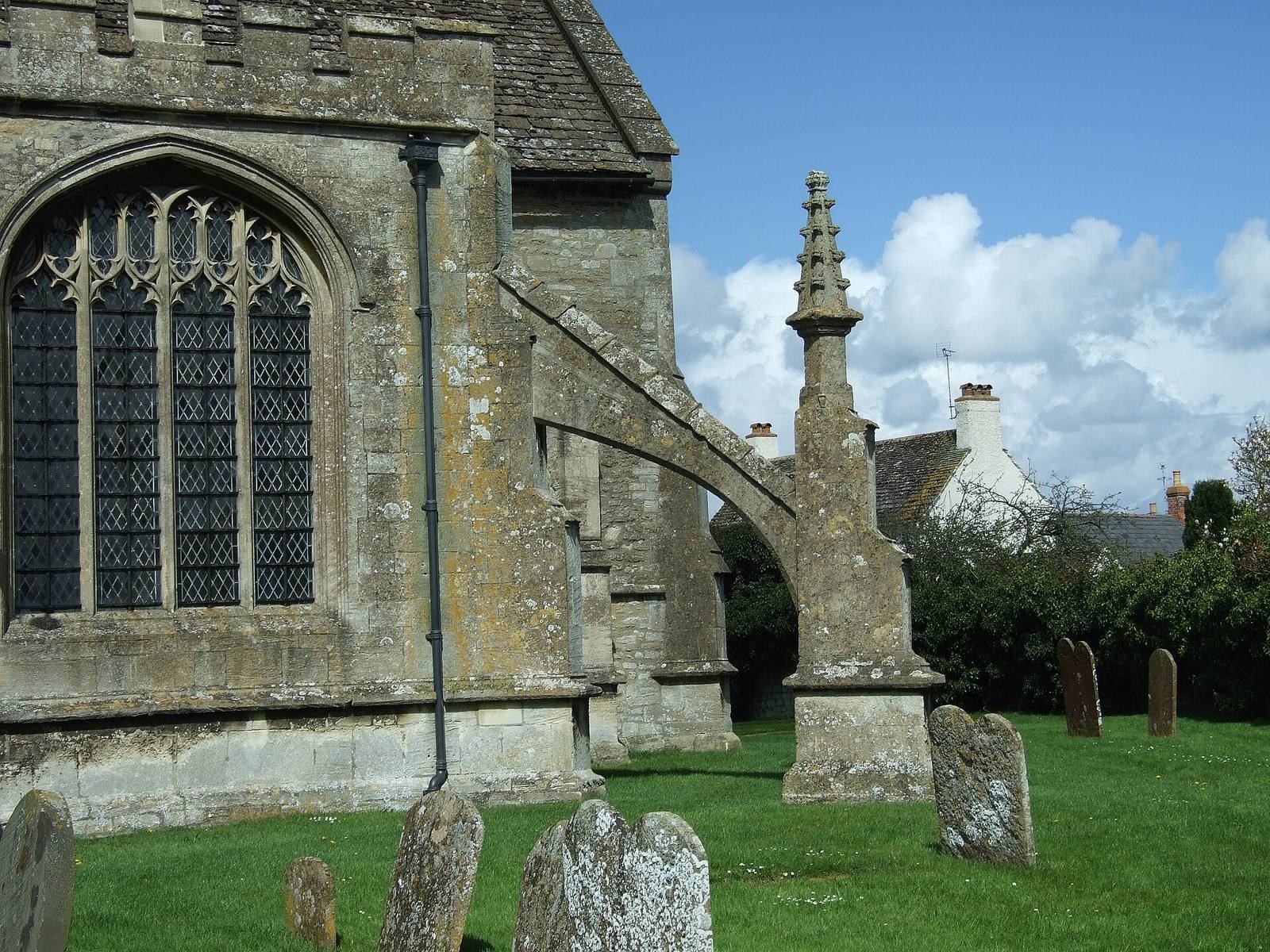
The church is a large aisled building with a central tower, and its fabric reflects several medieval building phases alongside later interior work.
Church structure and furnishings
Nave and arcades
Fragments of Anglo-Saxon stonework, from the early medieval period in England before the Norman Conquest, survive especially in the south wall of the nave, the church’s main body. The north arcade, a row of arches separating the nave from its side aisle, dates from the late twelfth century. The south arcade was remodelled in the thirteenth century.
Chancel and Hungerford Chapel
The chancel, the area around the altar, dates from the thirteenth century and was altered in the fourteenth and fifteenth centuries. The Hungerford Chapel stands north of the church and was probably built for Sir Edmund Hungerford, who died in 1484.
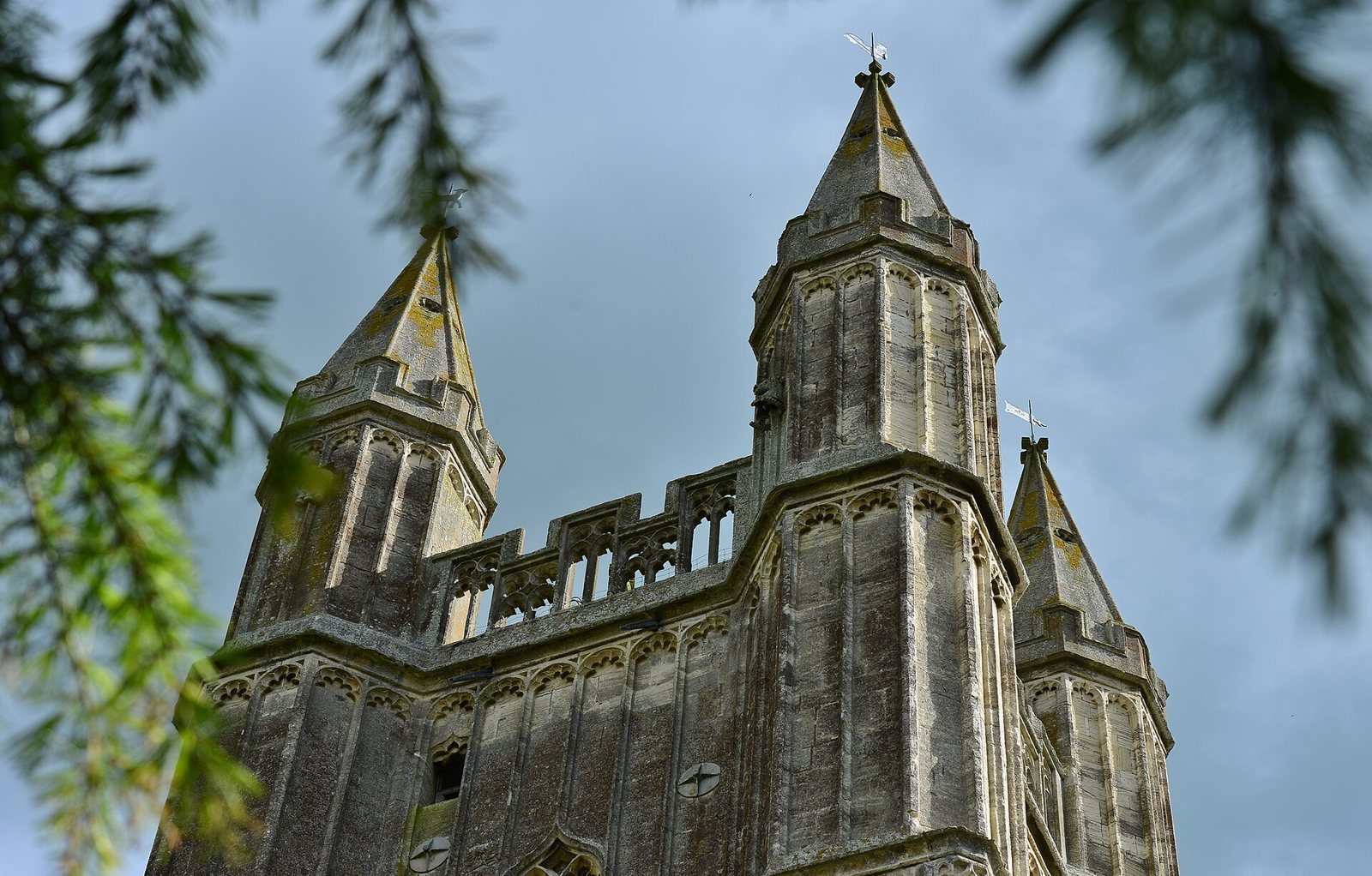
Central tower
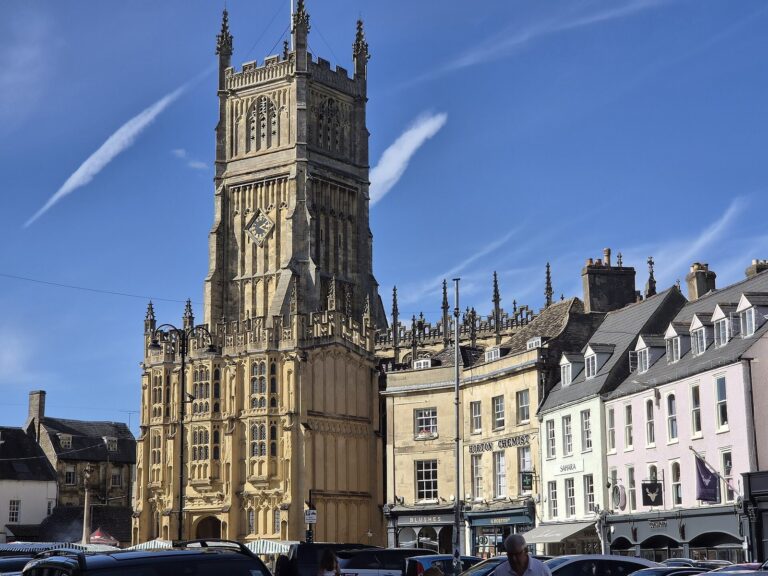
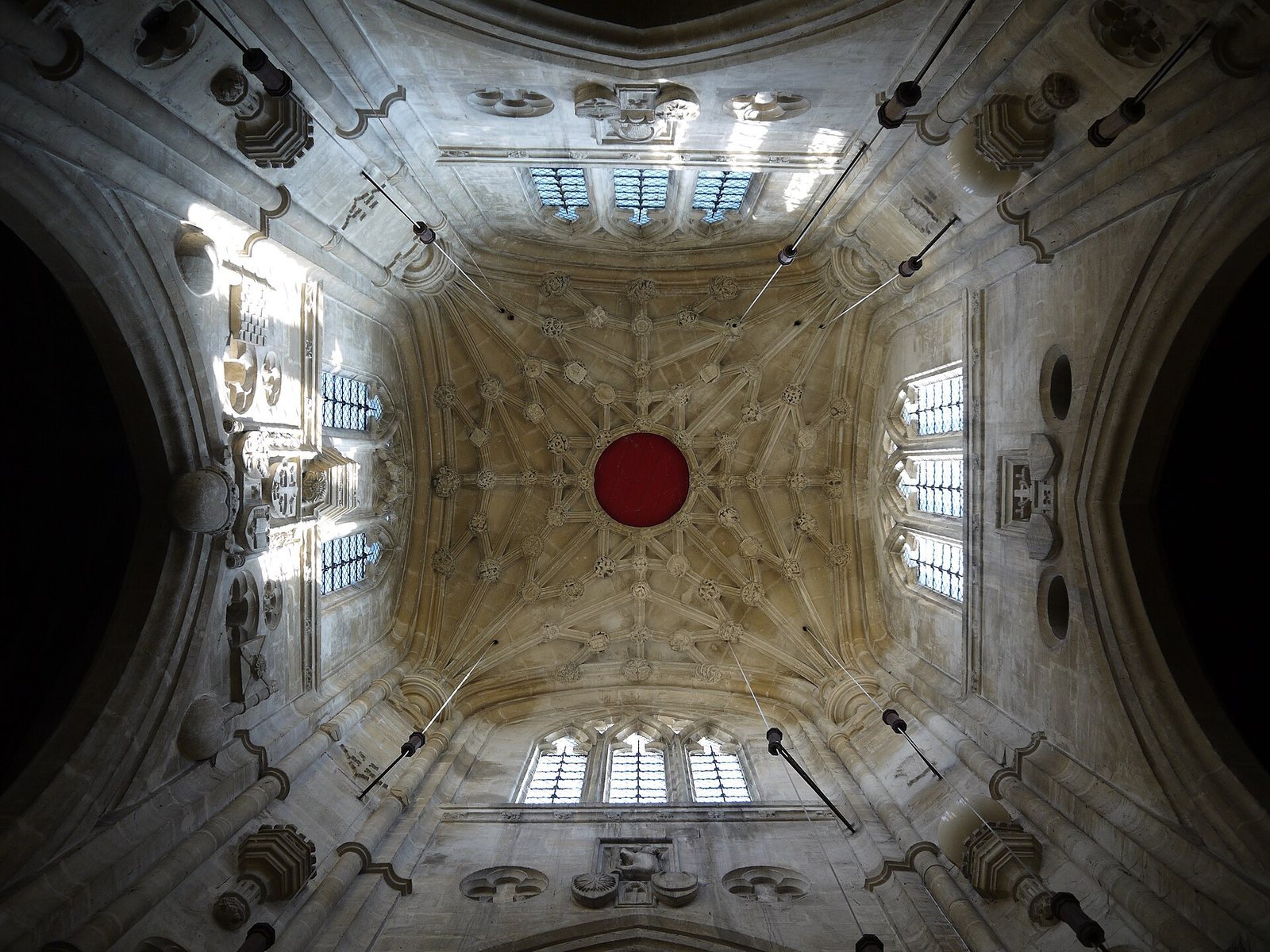
The central tower rises over the crossing, where the church’s principal arms meet. Architectural historian Nikolaus Pevsner described its effect as heavy and assertive rather than elegant. Simon Jenkins likewise judged it massive rather than graceful.
Windows, altars and tomb
The west window contains stained glass made by Kempe in 1888. In 1930, Martin Travers designed two windows and the decoration for both altars. Robert Jenner’s chest tomb, a raised, box-shaped tomb monument, stands in the north aisle. It is made of limestone and has a black marble top.
Churchyard crosses
Cross-shaft at the northern boundary
At the churchyard’s northern edge, a broken medieval limestone cross-shaft rests on a rough octagonal base against the gable of a gatehouse.
Former town cross
A separate fourteenth-century limestone cross with a carved head stands in the northeast of the churchyard. It served as the town cross at the High Street crossroads until around 1817 to 1820, when the town hall was demolished.