Marble Hill House: A Neo-Palladian Villa in Twickenham
Site at a Glance
- Popularity
- High
- Country
- United Kingdom
- Primary era
- Early Modern
- Eras represented
- Early Modern
- Civilizations
- British
- Site type
- Domestic
- Remains
- Elite Residence
On this page11 sections
History
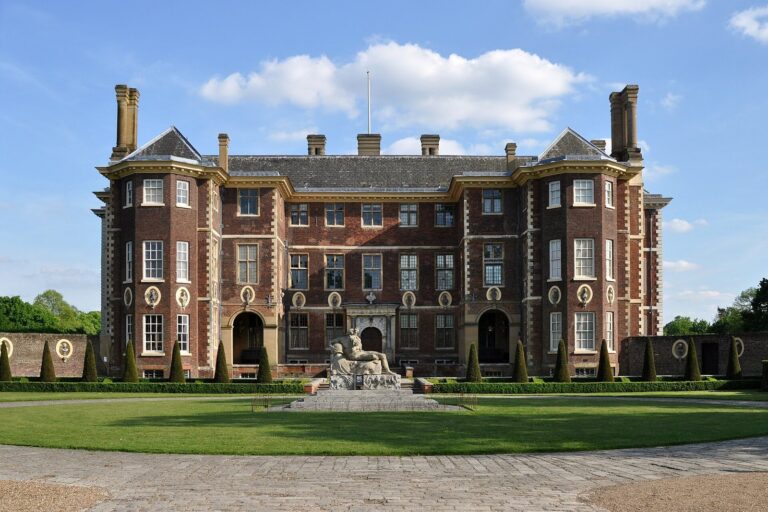
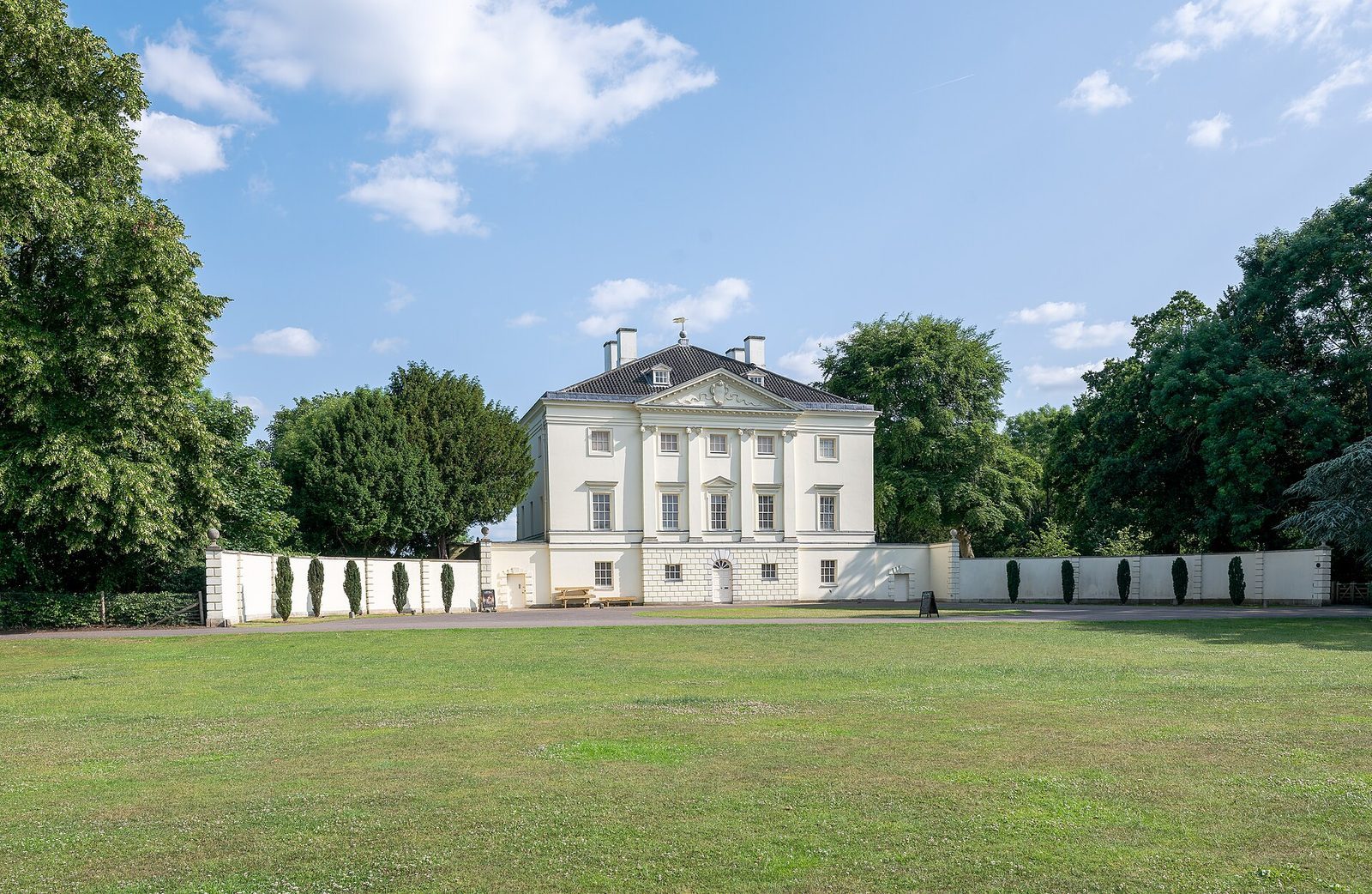
Marble Hill House is a Neo-Palladian villa in Twickenham, in the London Borough of Richmond upon Thames, United Kingdom. Its style belongs to the 18th-century revival of Andrea Palladio’s classical architectural tradition. Built from 1724 to 1729 for Henrietta Howard, Countess of Suffolk and a courtier, it was designed by architect Roger Morris with Henry Herbert, then Lord Herbert. Howard lived there until her death, and the house opened in 1729.
Design and influence
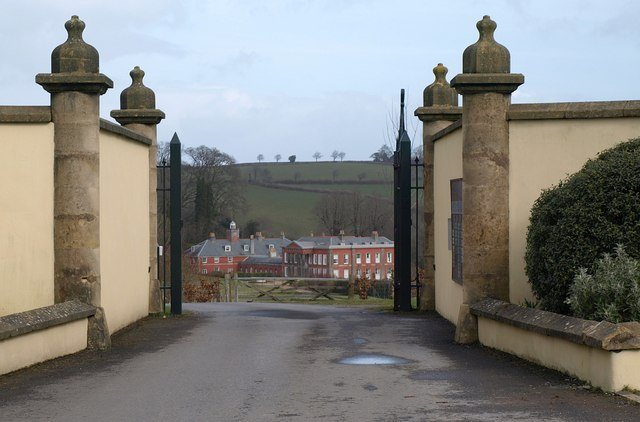
The design drew strongly on Palladio’s Villa Cornaro, completed in 1553, and reworked a more expansive proposal by Colen Campbell. Engravings helped circulate the design, whose compact plan and carefully composed elevations attracted admiration. Marble Hill became a model for Georgian English villas and for plantation houses, residences on large agricultural estates in the American colonies that often depended on enslaved labor. Copies were uncommon in the 1730s and 1740s but became more frequent after 1750. An early example was New Place at King’s Nympton, Devon, designed by Francis Cartwright and built from 1746 to 1749.
Occupants and guests
During Howard’s lifetime, the poet Alexander Pope and writer and clergyman Jonathan Swift were regular guests. In the late 18th century, the Prince Regent, later George IV, rented the house for Maria Anne Fitzherbert, a prominent Catholic woman with whom he had a longstanding relationship, so they could meet privately.
Public preservation
The London County Council acquired the house and estate, opening them to the public in 1903. Marble Hill was the first 18th-century house in England preserved by a public body. The house received Grade I status, England’s highest listed-building category for buildings of exceptional interest, on 2 September 1952. The Greater London Council began restoration in 1965. After that council was abolished, English Heritage acquired the freehold of the house and estate in 1986.
Remains
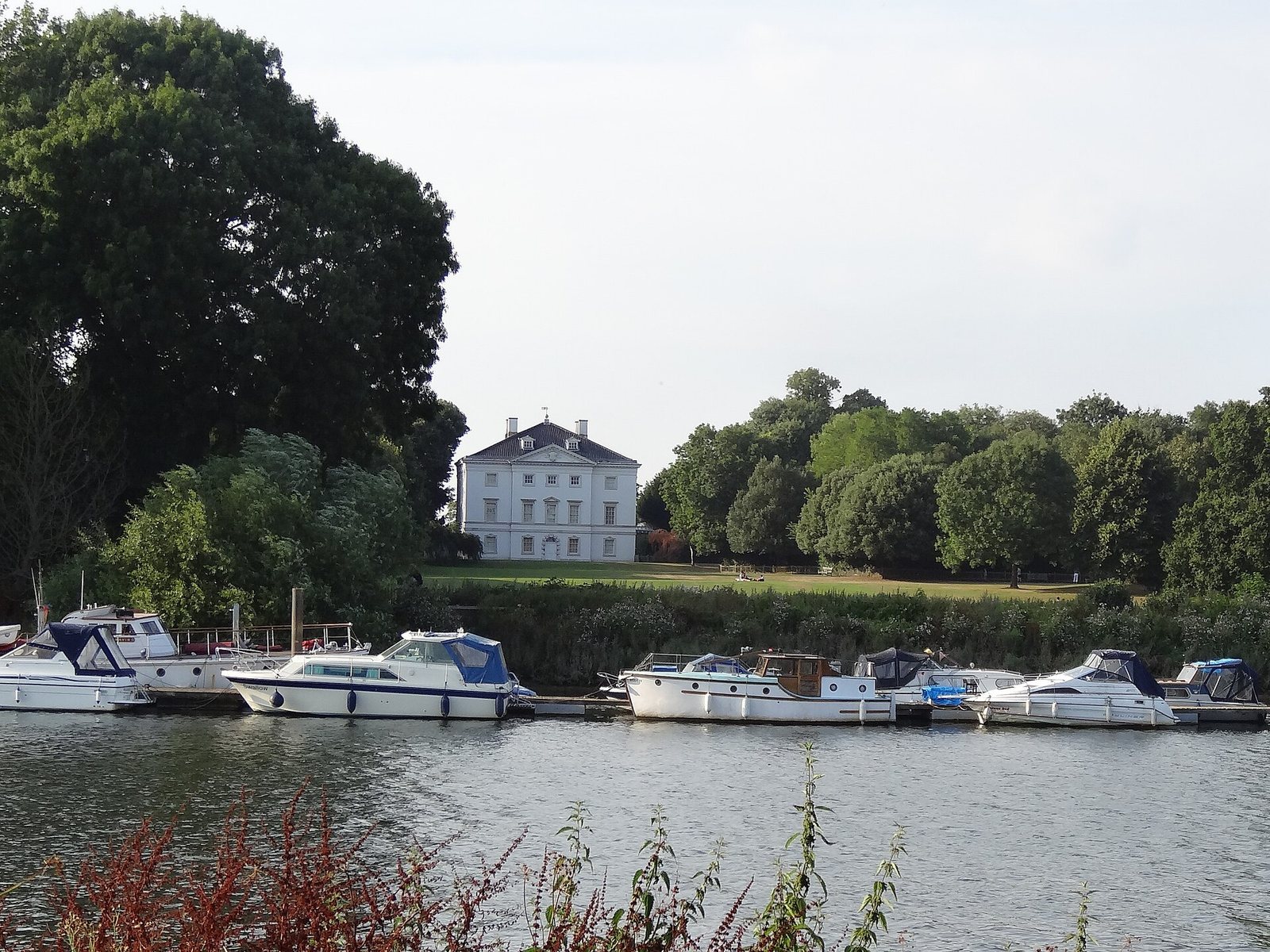
The compact villa stands beside the River Thames within Marble Hill Park, whose grounds cover 66 acres. Its Neo-Palladian form is organized around a cube-shaped reception room on the principal floor, while the exterior has carefully controlled elevations.
The house
Plan and exterior
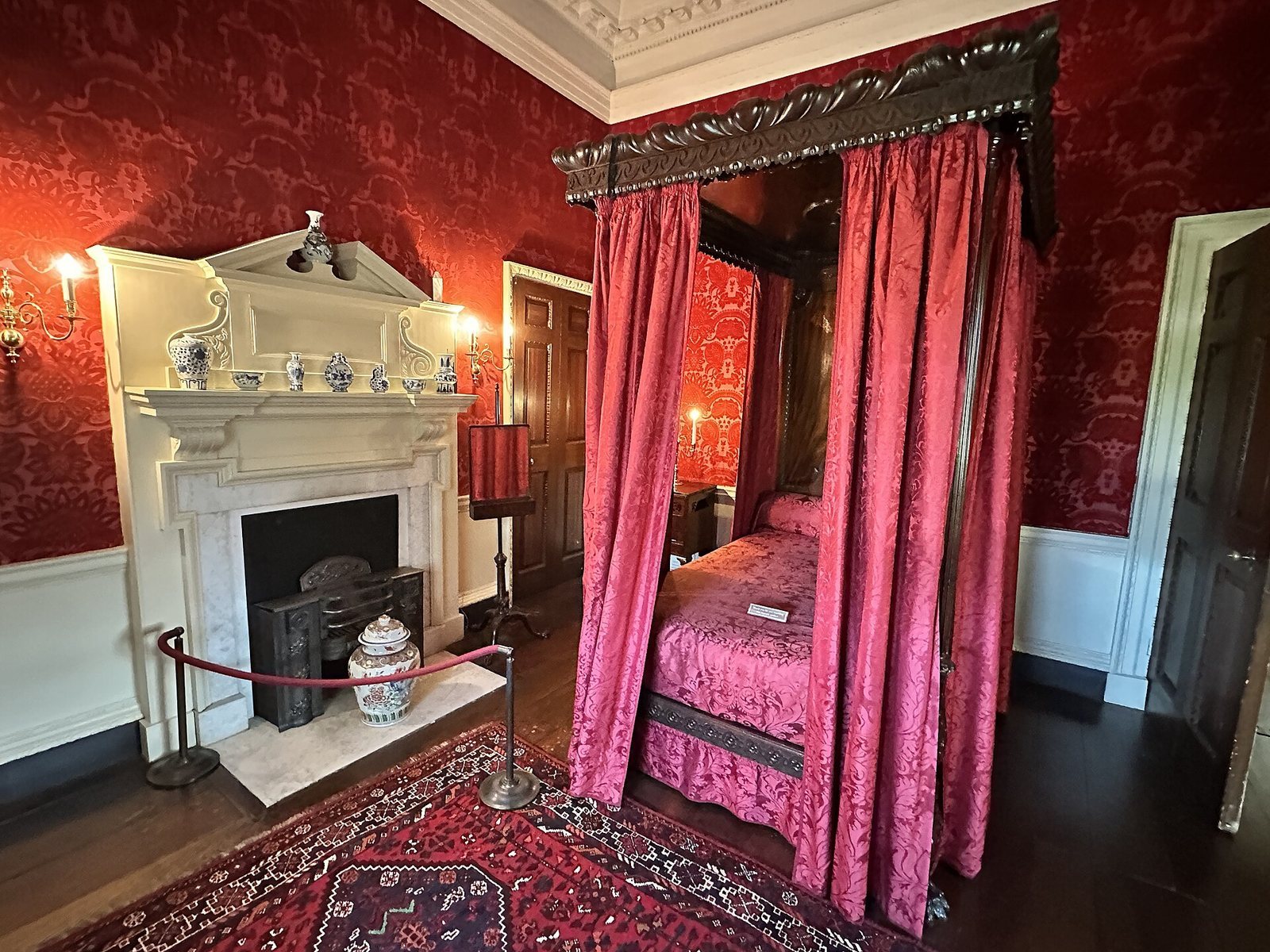
The house’s compact plan and composed elevations reflect its design tradition. A seven-year restoration reinstated Georgian colour schemes and renovated furnishings and pictures.
Great Room and collections
The Great Room has lavish gilded decoration and five capriccio paintings by Giovanni Paolo Pannini, imaginative works combining architectural or landscape elements. A cycle of Pannini’s 1738 paintings depicting ancient Rome has been returned to its former place in the room. The house also holds a loaned collection of early Georgian furniture and paintings, as well as the Lazenby Bequest’s Chinoiserie, a European decorative style inspired by Chinese art and design.
Park and grounds
Landscape investigations
Investigations by Historic England examined the landscape’s development from the 17th century onward. They used measurements to detect underground features, aerial photography, laser-based terrain mapping, surveys of visible earthworks, soil sampling and vegetation analysis.
Possible bowling area
A 2017 archaeological investigation identified a depression beside the house that may mark a former bowling area. Its use for bowling remains uncertain, with contemporary plans providing the principal support for that interpretation. The depression does not resemble a modern bowling alley, and the game played there may have been closer to boules, in which players aim to place balls near a target.