The Trumpeters’ House: An Early Eighteenth-Century Mansion in Richmond
Site at a Glance
- Rating
- 4.6
- Popularity
- Low
- Country
- United Kingdom
- Primary era
- Early Modern
- Eras represented
- Early Modern
- Civilizations
- British
- Site type
- Domestic
- Remains
- Elite Residence
On this page4 sections
History
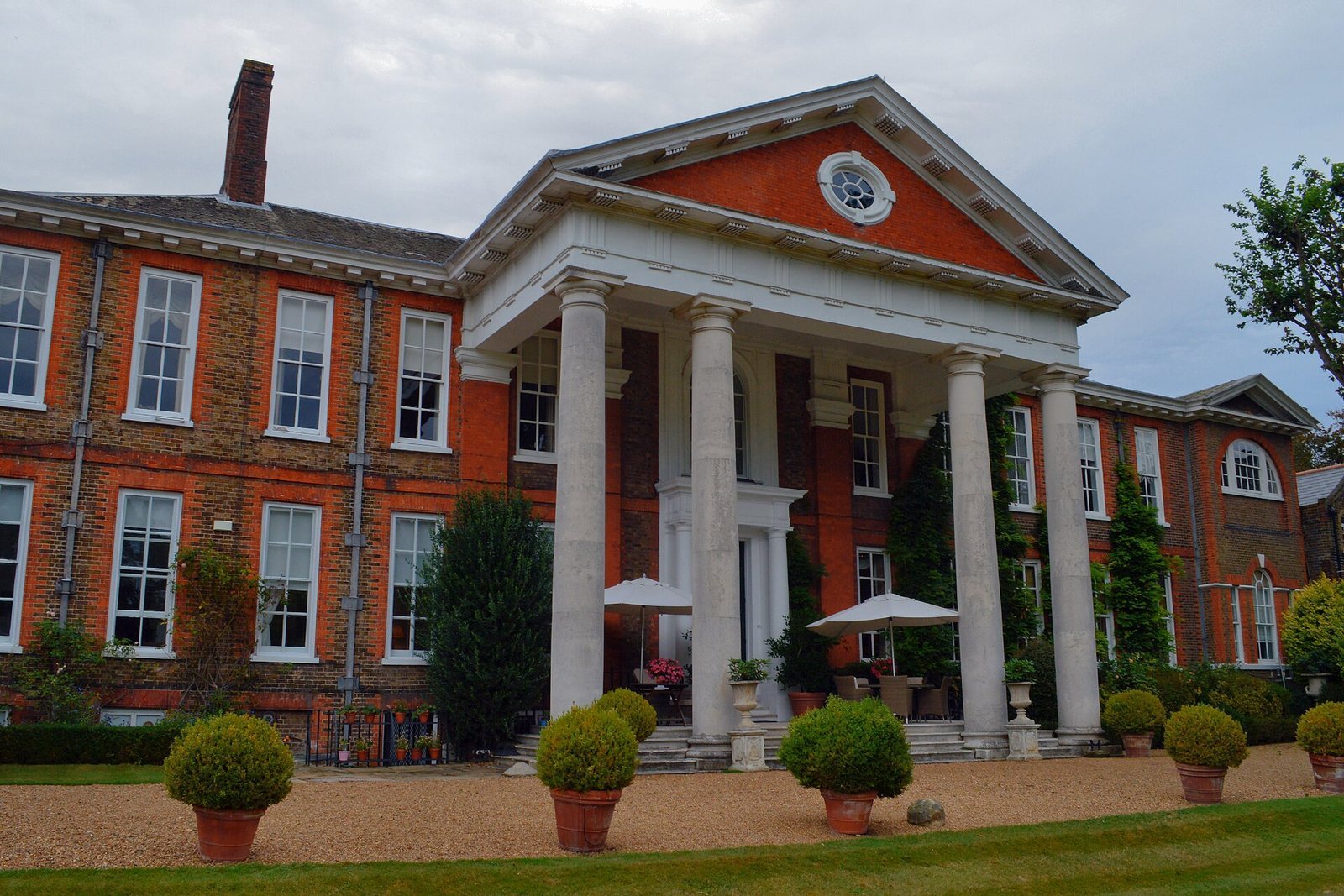
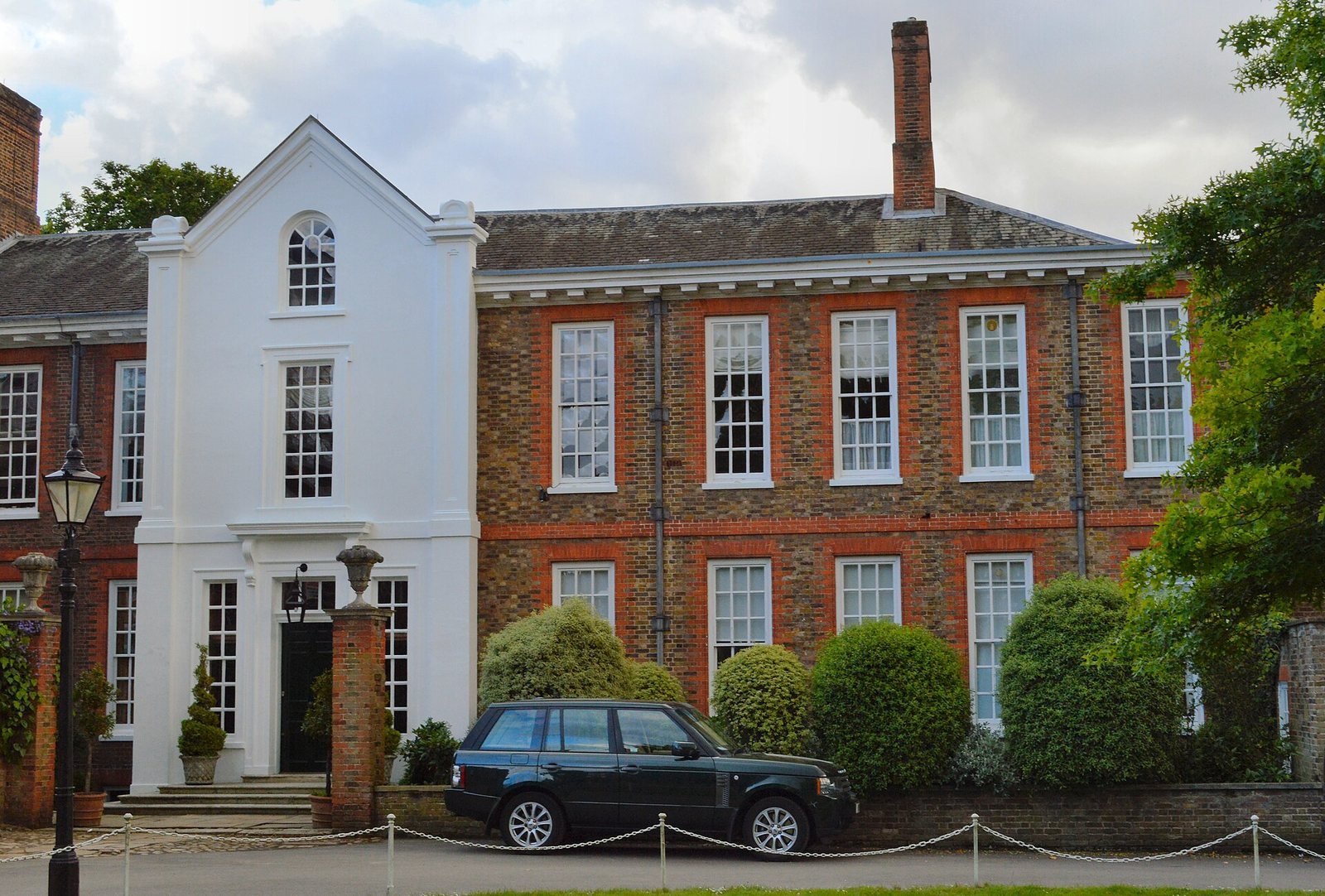
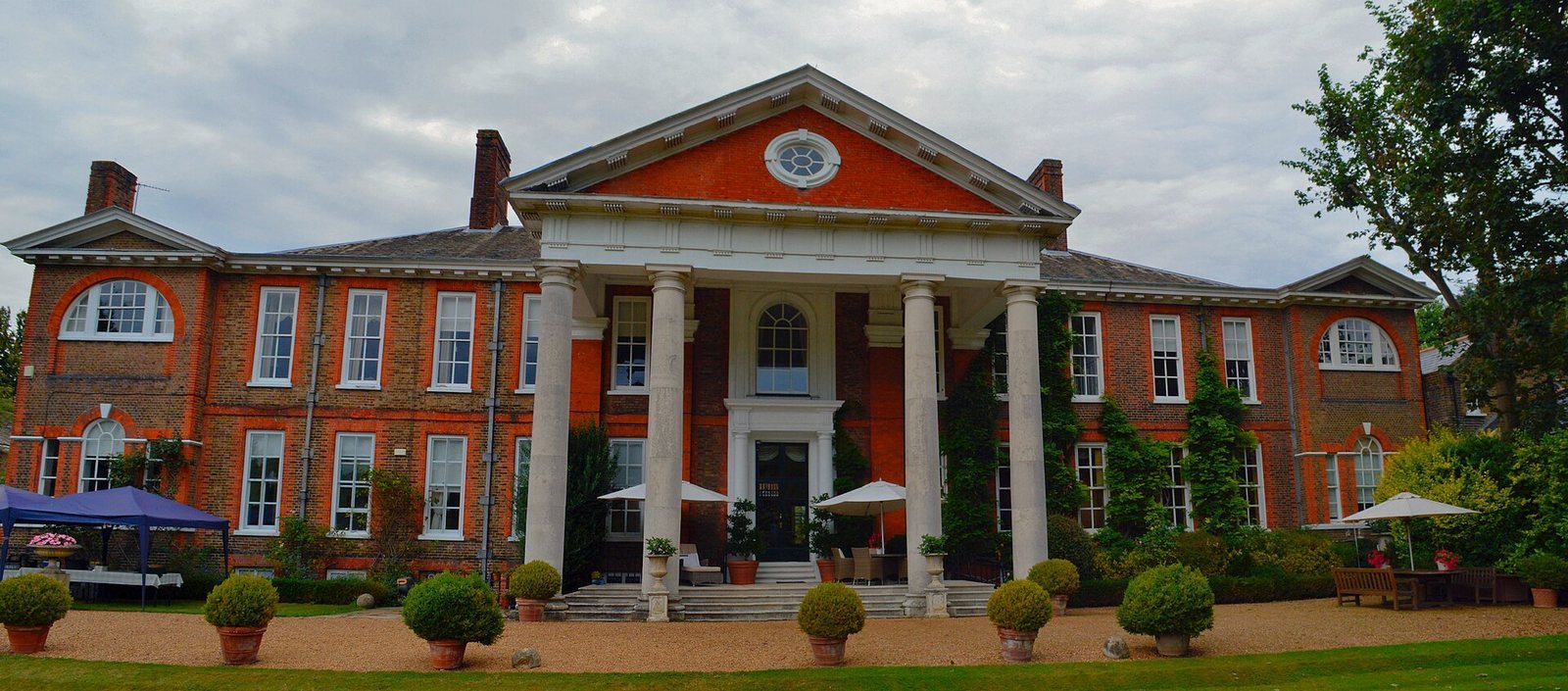
The Trumpeters’ House is an early eighteenth-century brick mansion in Richmond, south-west London, United Kingdom, built on the site of Richmond Palace.
The palace site and the house
Sheen Palace had occupied the site since the Middle Ages. In the early Tudor period, Henry VII rebuilt it as a palace beside the Thames and renamed it Richmond Palace. The palace gradually fell out of use over the following centuries.
Around 1708, during Queen Anne’s reign, the palace’s former middle gate was demolished and the house was built in its place. It was designed for the soldier John Hill, brother of Abigail Hill, one of the queen’s favorites.
Residents and wartime damage
In 1848, Austrian statesman Klemens von Metternich lived at the house after going into exile following the Revolutions of 1848, a wave of political uprisings across Europe. During a visit, Benjamin Disraeli, who later became prime minister, praised the house as exceptionally charming in its setting on Richmond Green. Italian inventor and engineer Guglielmo Marconi, associated with the development of radio communication, also lived there.
During the Second World War, Lady Doverdale, formerly Australian actress Audrey Pointing, hosted an American Red Cross club in the house. An enemy bomb badly damaged it in August 1944. The building has held Grade I listed status since 1950, the highest level of building protection in England, reserved for buildings of exceptional interest.
Remains
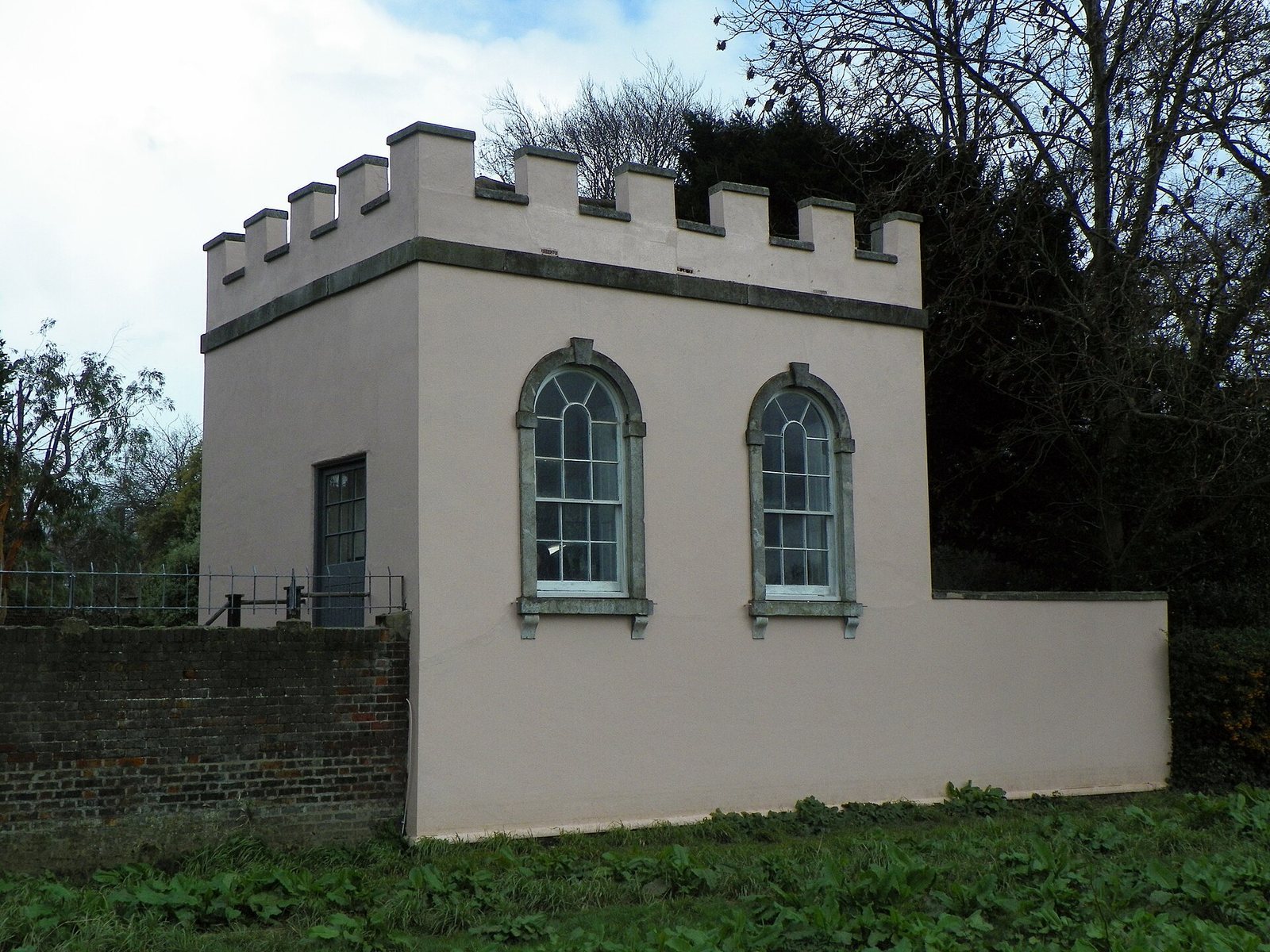
The principal building is a brick mansion in Old Palace Yard, close to Richmond Green. Its garden reaches toward a gazebo at the far end beside the Thames towpath.
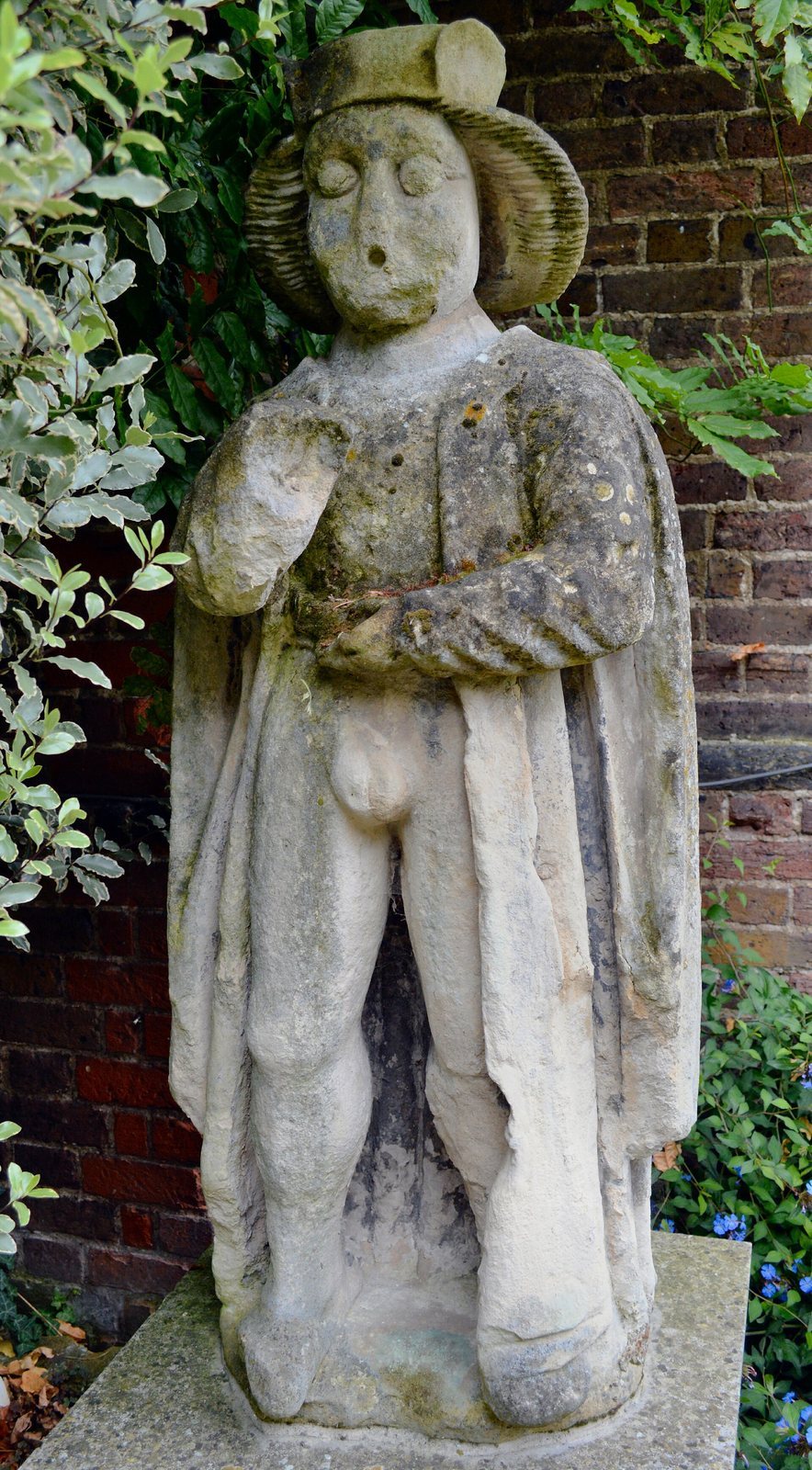
The house’s name recalls the figures of two trumpeters that once stood on the palace’s former middle gate. The garden gazebo was built in the mid-eighteenth century.