Tajihi-Sarugake Castle: A Mōri Clan Stronghold in Japan
Site at a Glance
- Popularity
- Medium
- Country
- Japan
- Primary era
- Early Modern
- Eras represented
- Early Modern
- Civilizations
- Mōri
- Site type
- Military
- Remains
- Castle
On this page4 sections
History
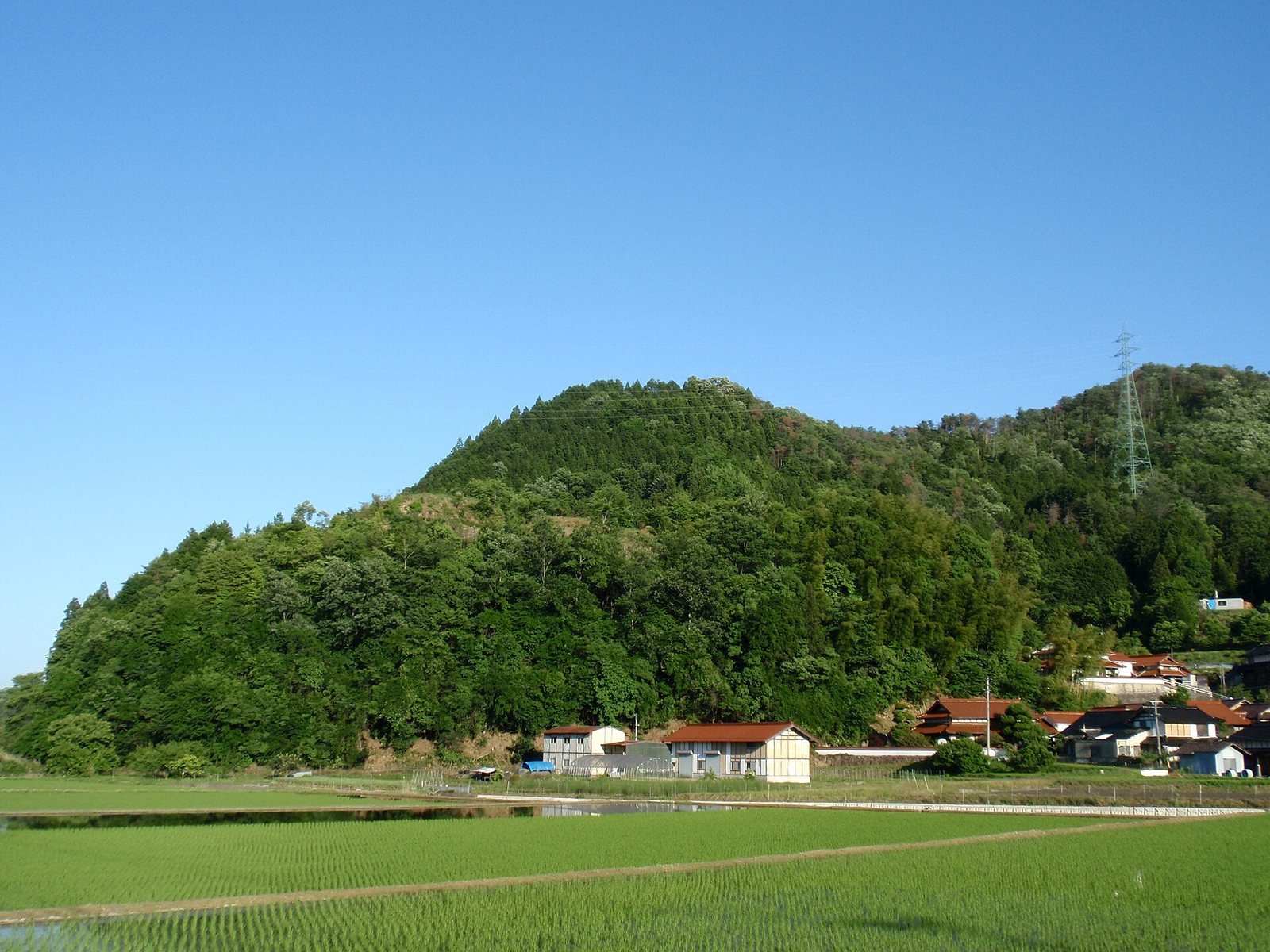
Tajihi-Sarugake Castle is a mountaintop Japanese castle in Japan, though its precise location and construction date are unknown. Its construction is attributed to Mōri Hiromoto, of the Mōri, a samurai clan. The castle became a residence for members of the clan and later served as one of its secondary fortifications.
Hiromoto and Motonari
In 1500, Hiromoto passed the Mōri leadership and inheritance to his eldest son, Mōri Okimoto, then moved to the castle with his young son Matsujumaru, later known as Mōri Motonari. Hiromoto died in 1506, and Motonari took charge of the castle and its garrison. He spent 23 years there as head of the Tajihi Mōri clan before returning to Yoshida-Kōriyama Castle as leader of the Mōri clan.
Mōri Takamoto, Motonari’s son, was born at the castle in 1523. Motonari’s daughter Lady Goryū was born there in 1529.
Later Mōri use and demolition
The castle’s later history is uncertain. In 1563, Takamoto stayed there for one night during an expedition against the Amago, a rival samurai clan, in Izumo Province. He met his son Mōri Terumoto, who later led the Mōri clan. The castle appears to have remained a secondary Mōri fortification until Terumoto moved the clan’s main stronghold to Hiroshima Castle in 1591. Tajihi-Sarugake was demolished around that time.
Since 1940, the castle ruins have been protected as a National Historic Site of Japan together with Yoshida-Kōriyama Castle.
Remains
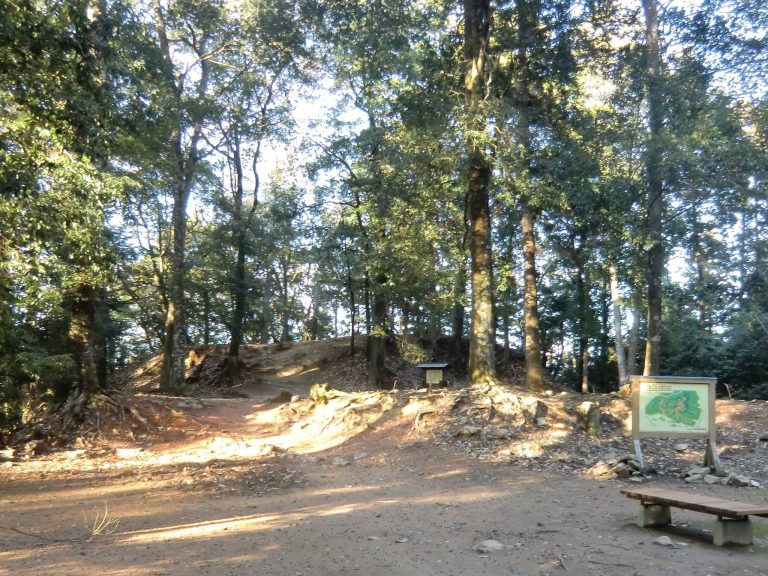
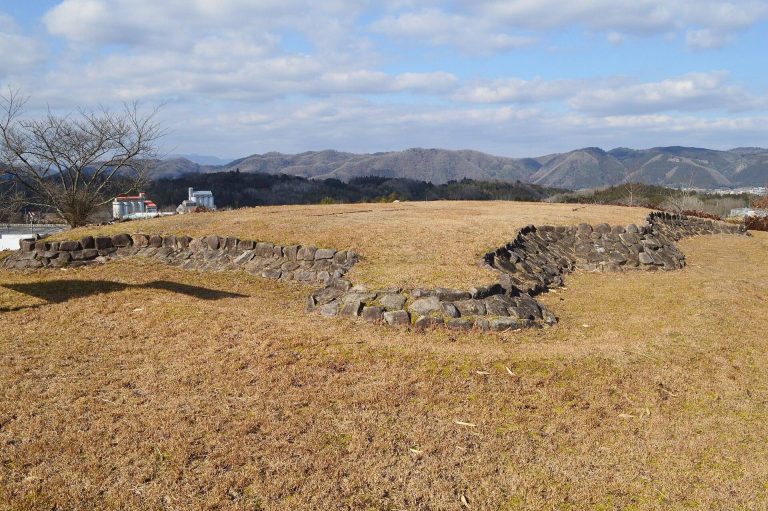
Built on a mountaintop with stone and wood, Tajihi-Sarugake Castle survives as a group of earthen enclosures. A lookout enclosure occupies the summit, with three groups of smaller enclosures arranged around it.