Shinju-an: A Rinzai Subtemple of Daitokuji in Japan
Site at a Glance
- Popularity
- Medium
- Country
- Japan
- Primary era
- Early Modern
- Eras represented
- Early Modern
- Civilizations
- Tokugawa
- Site type
- Religious
- Remains
- Monastery
On this page5 sections
History
Foundation and name
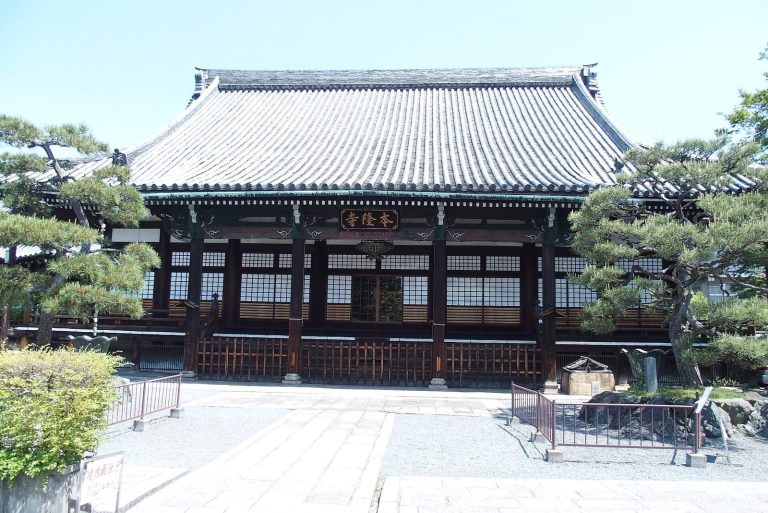
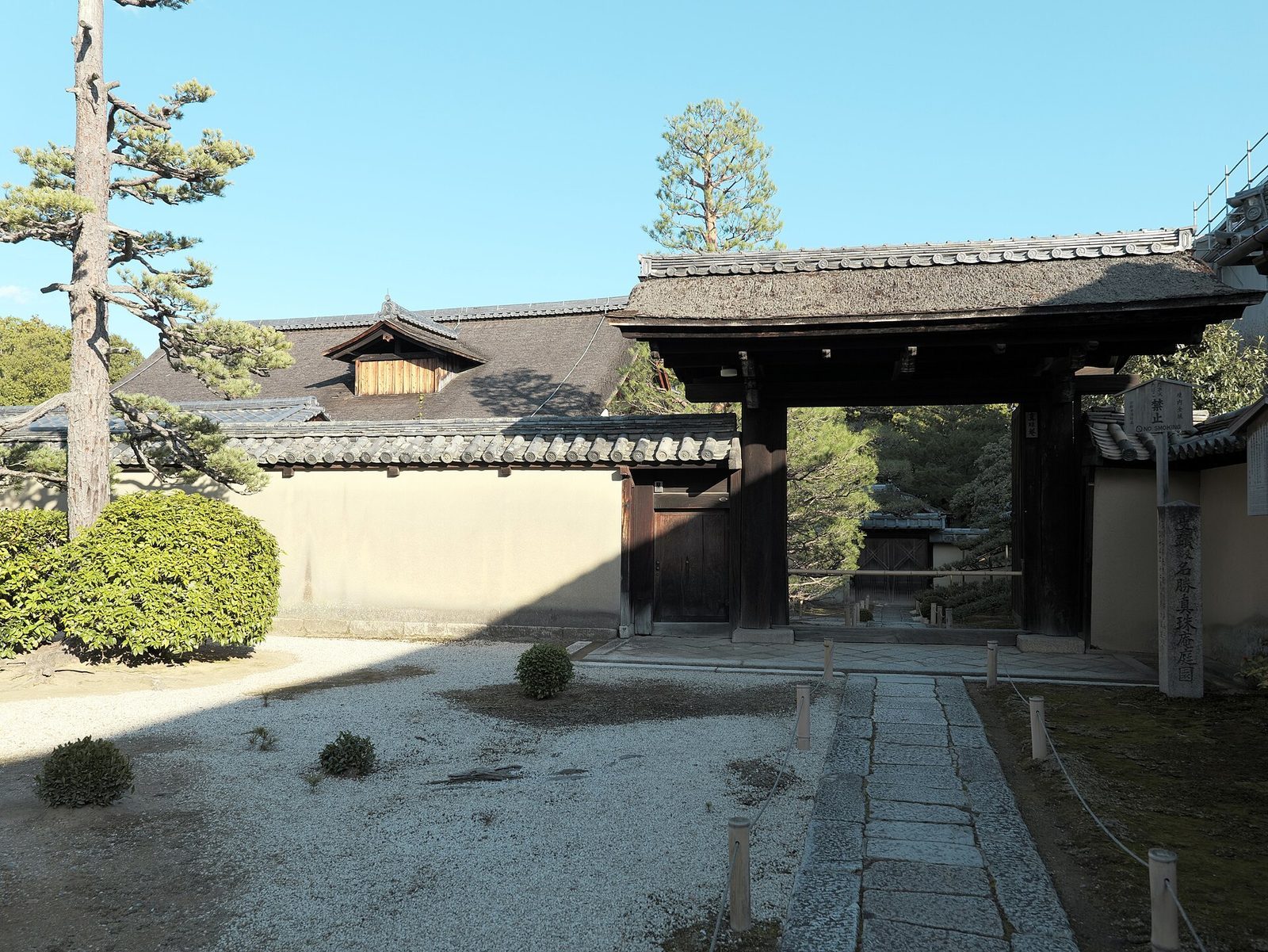
Shinju-an is an affiliated subtemple of Daitokuji in Japan and belongs to the Rinzai school of Zen Buddhism. The monk Ikkyū Sōjun, who had revived Daitokuji, founded it during the Eikyō era, a Japanese dating period from 1429 to 1441. Ikkyū was known for his unconventional conduct.
The name Shinju-an means “Pearl Hermitage.” A tradition connects it to the Chinese Chan Buddhist master Yangqi Fanghui, whose lineage became part of Japanese Rinzai Zen. In the story, Fanghui meditated in a ruined temple on Mount Yangqi on a snowy night. Wind swept snow into the room, where moonlight made it gleam like pearls.
Destruction and rebuilding
Shinju-an burned during the Ōnin War, a Japanese civil conflict from 1467 to 1477 that brought fighting and destruction to Kyoto. In 1491, Owa Sōrin, a wealthy merchant from Sakai, reestablished the temple.
Seventeenth-century support
In 1638, Gotō Masukatsu, a wealthy merchant from Kyoto, donated funds to support construction of the abbot’s quarters.
Remains
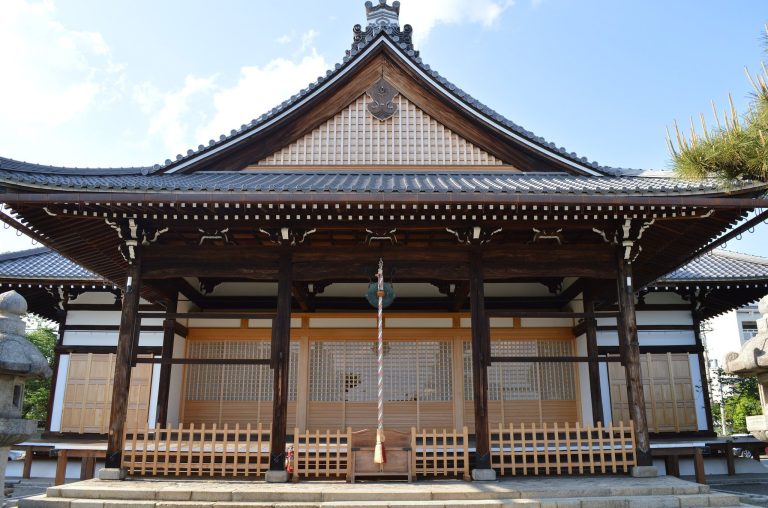
Shinju-an’s abbot’s quarters were built in 1638.