Mong-Há Fort: A Portuguese Military Fort in Macau
Site at a Glance
- Popularity
- Medium
- Country
- China
- Primary era
- Modern
- Eras represented
- Modern
- Civilizations
- Portuguese
- Site type
- Military
- Remains
- Fort
On this page6 sections
History
Construction and military use
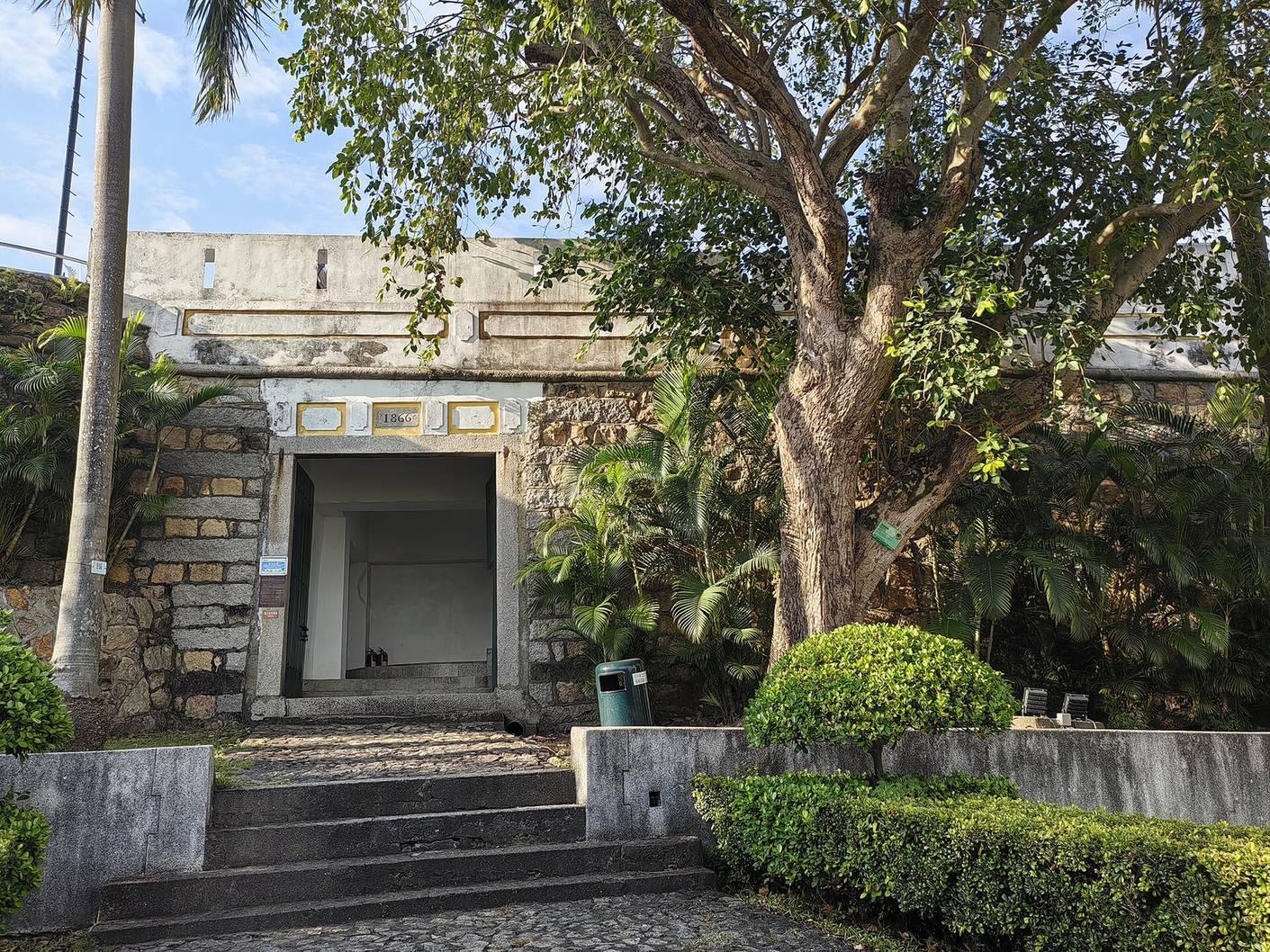
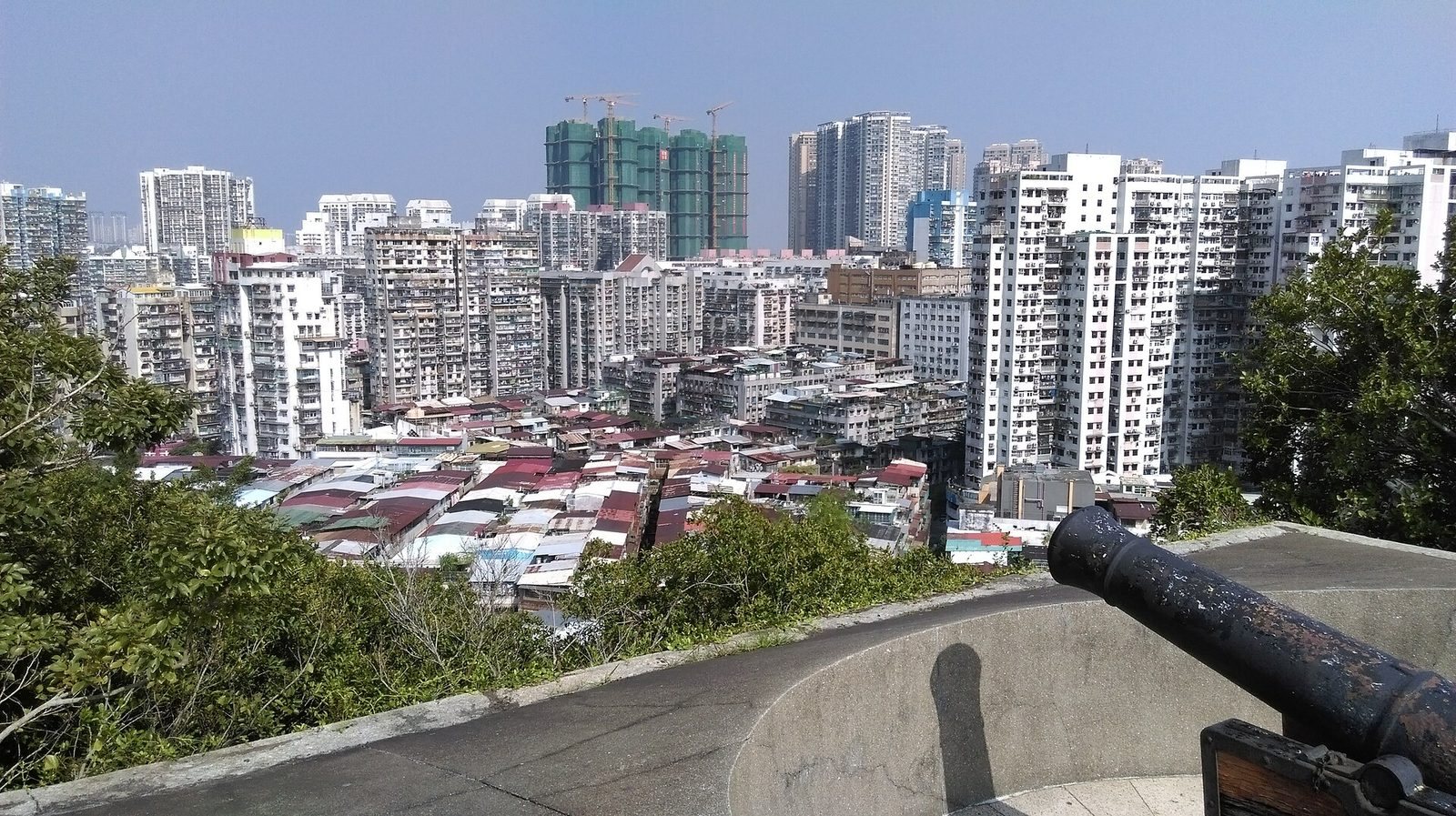
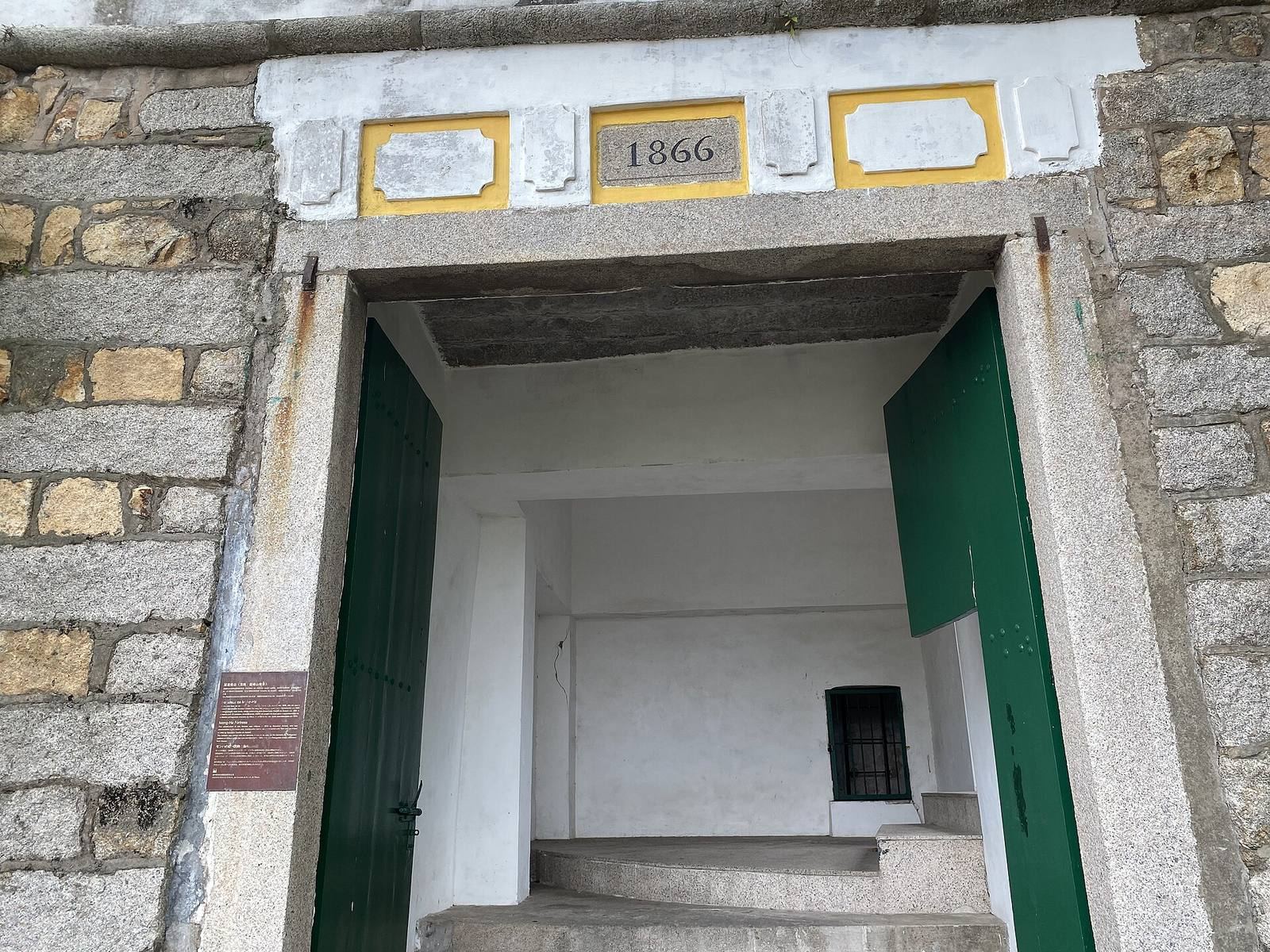
Mong-Há Fort is a Portuguese fort on Mong-Há Hill in Macau, China, whose construction began in 1849 as a defensive precaution after the First Opium War, fought between Britain and China from 1839 to 1842. Work began under Macau Governor Ferreira do Amaral, amid concern about a possible Chinese invasion. The fort was completed in either 1864 or 1866. It formed part of the wider Mong-Há military reservation, which also contained Mong-Há Barracks.
Withdrawal and redevelopment
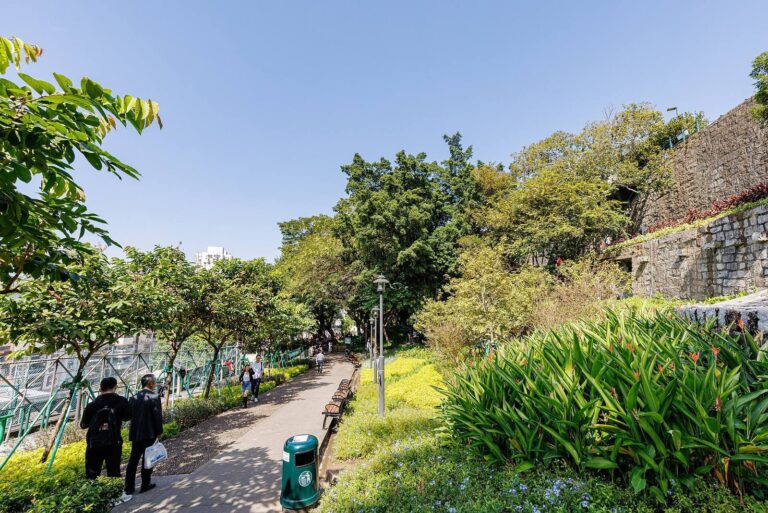
As relations between China and Portugal improved, Portuguese forces withdrew from the site during the 1960s, and the fort and military reservation were deactivated. In the 1980s, the fort was transferred to Macau’s tourism-training institute. The area around it became Mong-Há Municipal Garden in June 1997. In late 2008, the Macau government demolished the barracks and nearby Keang Peng School to make way for public housing, citing public security.
Remains
The Fort
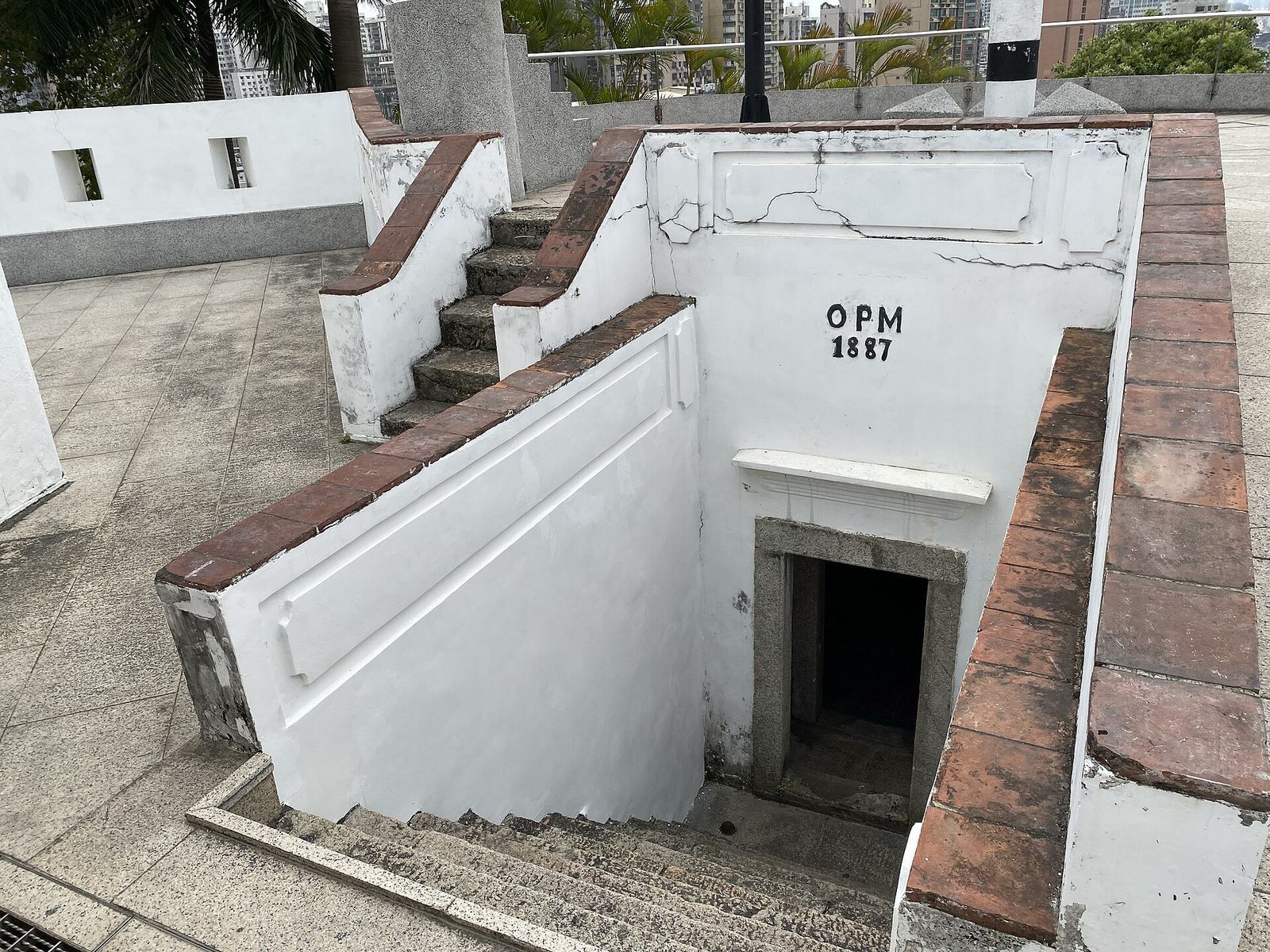
The fort occupied about 650 square metres on Mong-Há Hill and had brick walls. Its ten artillery pieces could reach the Barrier Gate, a border crossing at Macau’s northern edge. The facilities included a lookout post, a munitions store, and accommodation for Landins, African-origin troops serving in the Portuguese military.
The Military Reservation
The wider reservation was bounded by Rua Francisco Xavier Pereira and Mong-Há Hill. Its barracks occupied 2,244 square metres and combined Southern European and Modernist architectural styles.