Hermitage of St. Peter Koriški: A Serbian Orthodox Monastery
Site at a Glance
- Popularity
- Medium
- Country
- Kosovo
- Primary era
- Medieval
- Eras represented
- Medieval
- Civilizations
- Serbian
- Site type
- Religious
- Remains
- Monastery
On this page10 sections
History
The Hermitage of St. Peter Koriški is a Serbian Orthodox hermitage and monastery in the village of Koriša, Serbia, associated with the thirteenth-century ascetic Peter of Koriša. Its foundation is placed in the thirteenth century, with completion dated to around 1200. The monastery belonged to the Eparchy of Raška and Prizren, an Eastern Orthodox diocese.
Peter of Koriša and medieval patronage
Peter lived an ascetic life near Prizren during the thirteenth century, and the hermitage became associated with him. Around 1310, the monk and writer Theodosius of Hilandar composed a narrative of Peter’s life. During the reign of King Stefan Milutin, a cave church dedicated to St. Peter was given to Hilandar Monastery.
In a 1343 charter, King Stefan Dušan received the church, its estate, and its library as a gift from Elder Gregory, an experienced and respected monk. Dušan assigned the church as a temporary residence for Jakov, Metropolitan of Serres, a senior bishop who was to oversee construction of the Holy Archangels Monastery above Prizren. The church also appears in Dušan’s general donation charter to Hilandar in 1348. By the mid-fourteenth century, devotion to Peter as a miracle-working saint was well established. Between 1346 and 1355, Dušan visited the area while hunting, first alone and later with his wife Jelena, his son Uroš, and his retinue. He venerated Peter’s relics and gave lands to the monastery.
Later monastic history and place names
Peter’s relics were transferred to the cave church at Crna Reka Monastery in 1572. The monastery continued to exist until 1760. Its last abbot, Nićifor, stated that a decree by Sultan Mustafa III transferred the monastery’s remaining lands to the dependent estate of St. Mark’s Monastery at Koriša.
In the Middle Ages, the settlement was called St. Peter, a name that remained in Ottoman records through 1876. After Serbian displacement in the eighteenth and nineteenth centuries, Kabash became the predominant name. It was associated with a place of origin in northern Albania.
Later interpretations and modern events
Ivan Yastrebov placed Peter’s birthplace in the Hvosno region. A later scholarly classification counted Peter among Bulgarian saints, referring to Theodosius’s account of his life, which was said to have been written at Rila Monastery.
The site was designated a Cultural Monument of Exceptional Importance, a Serbian heritage-protection category, in 1950 and registered as a protected monument in 1990. The Prizren Institute for the Protection of Cultural Monuments restored the church in 1992. In 2021, four Kosovo Albanians were arrested in connection with the theft of archaeological remains at the site. In 2025, the Serbian Orthodox Church protested construction work carried out without its approval; the illegal work caused substantial damage to the shrine.
Remains
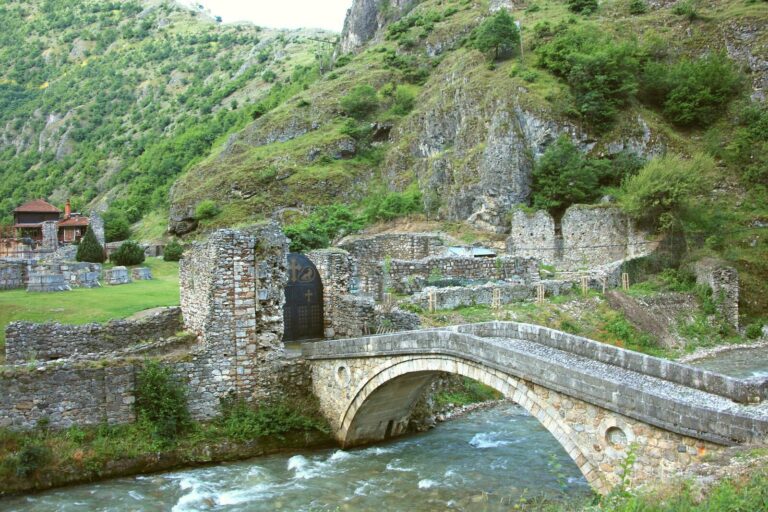
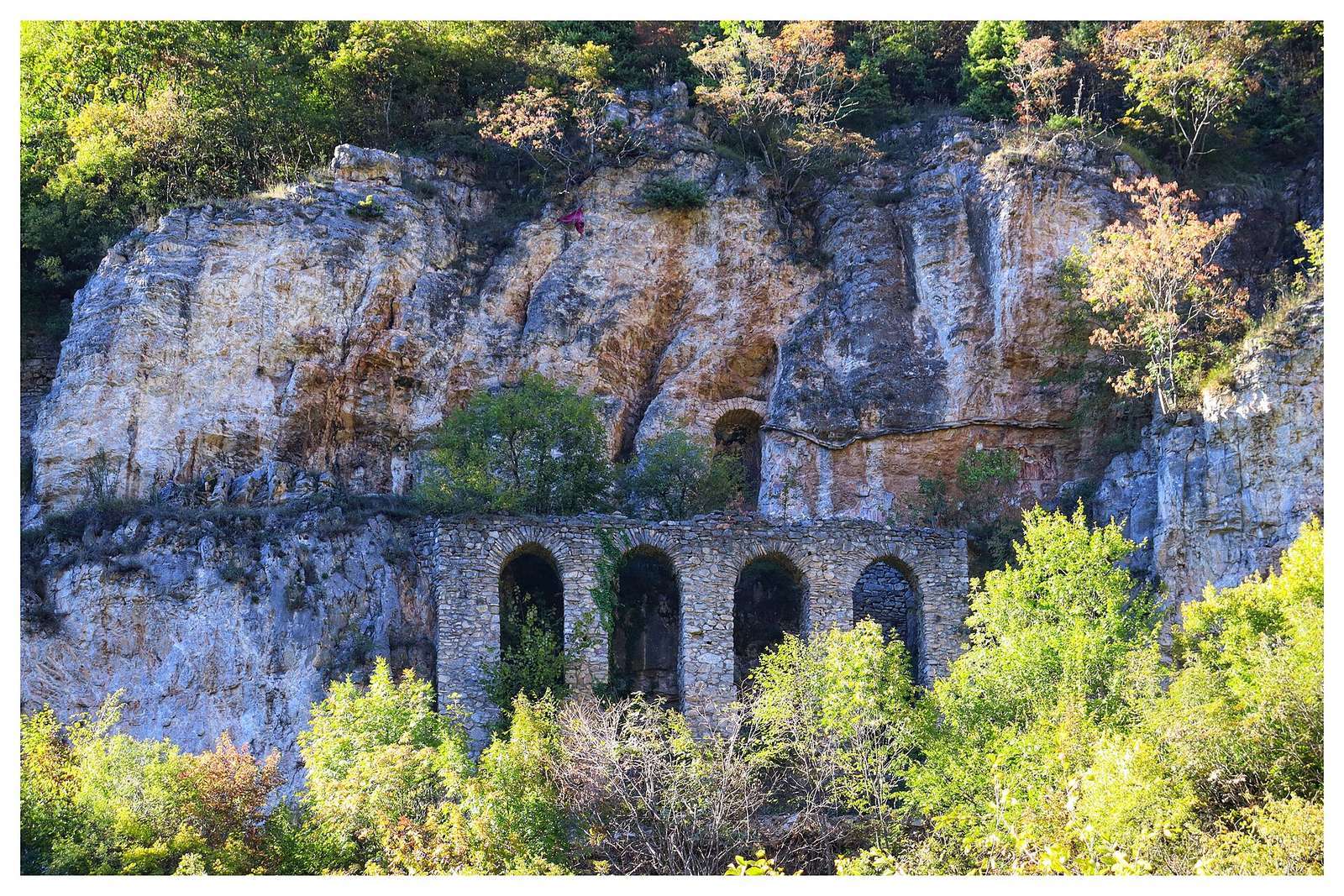
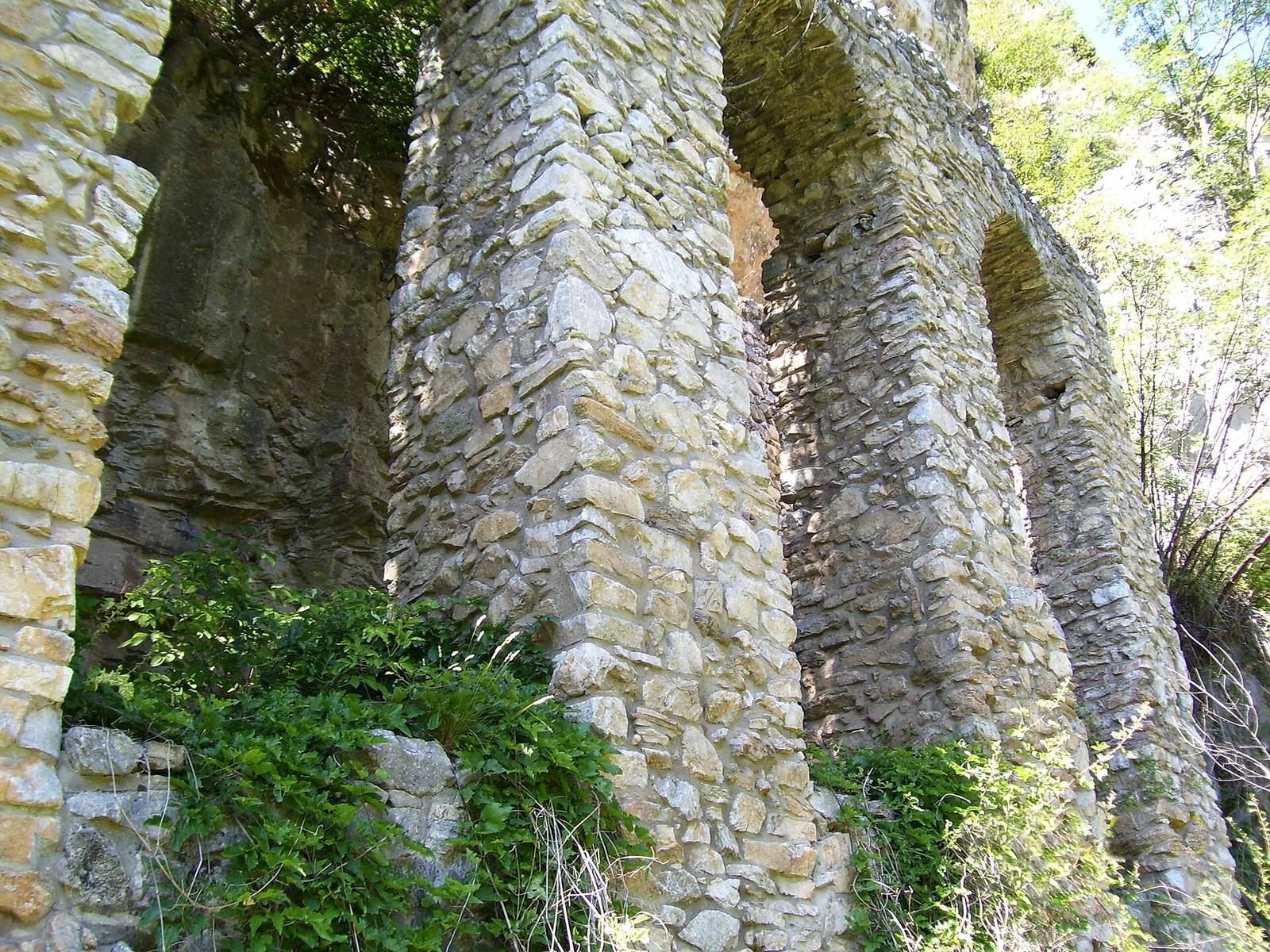
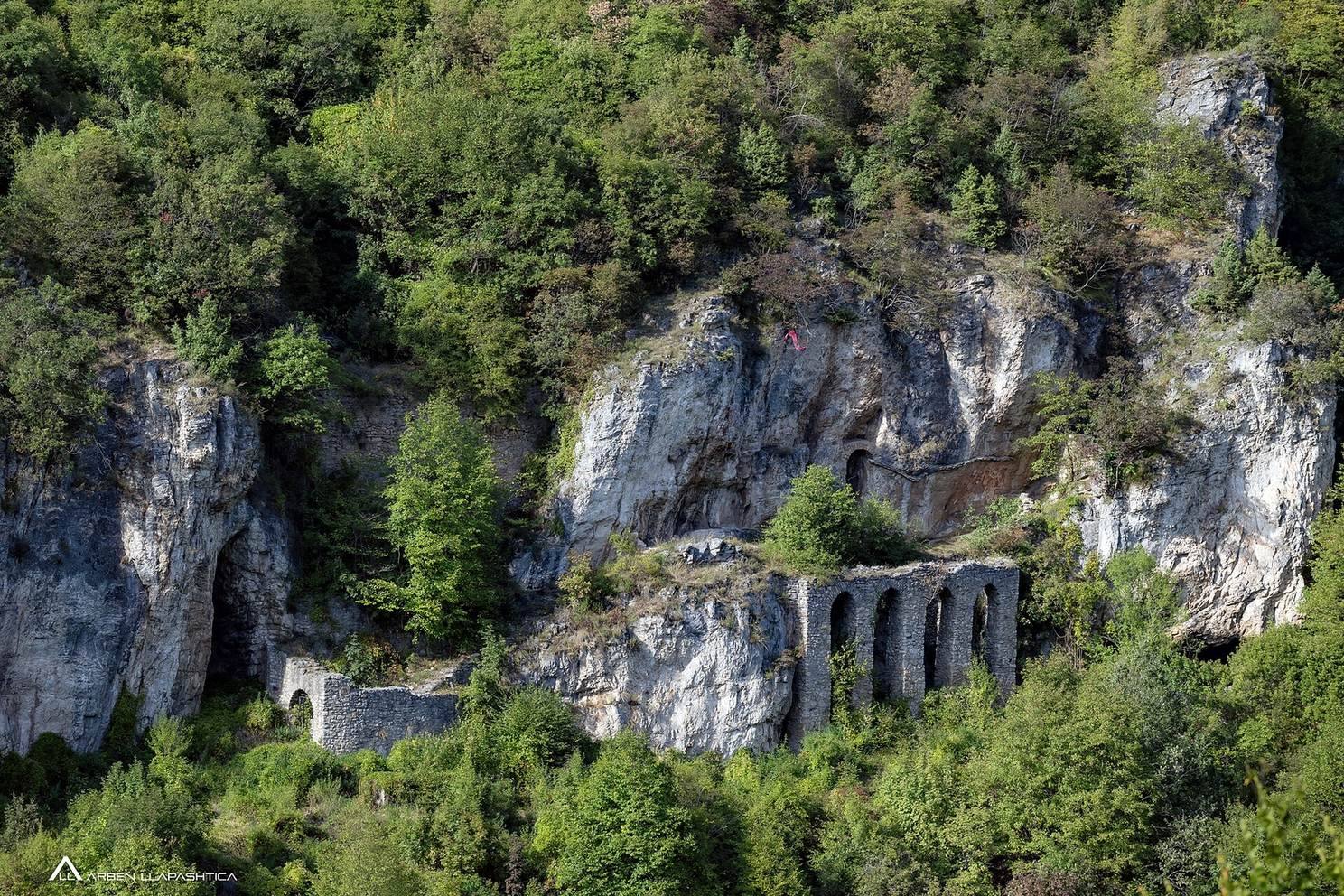
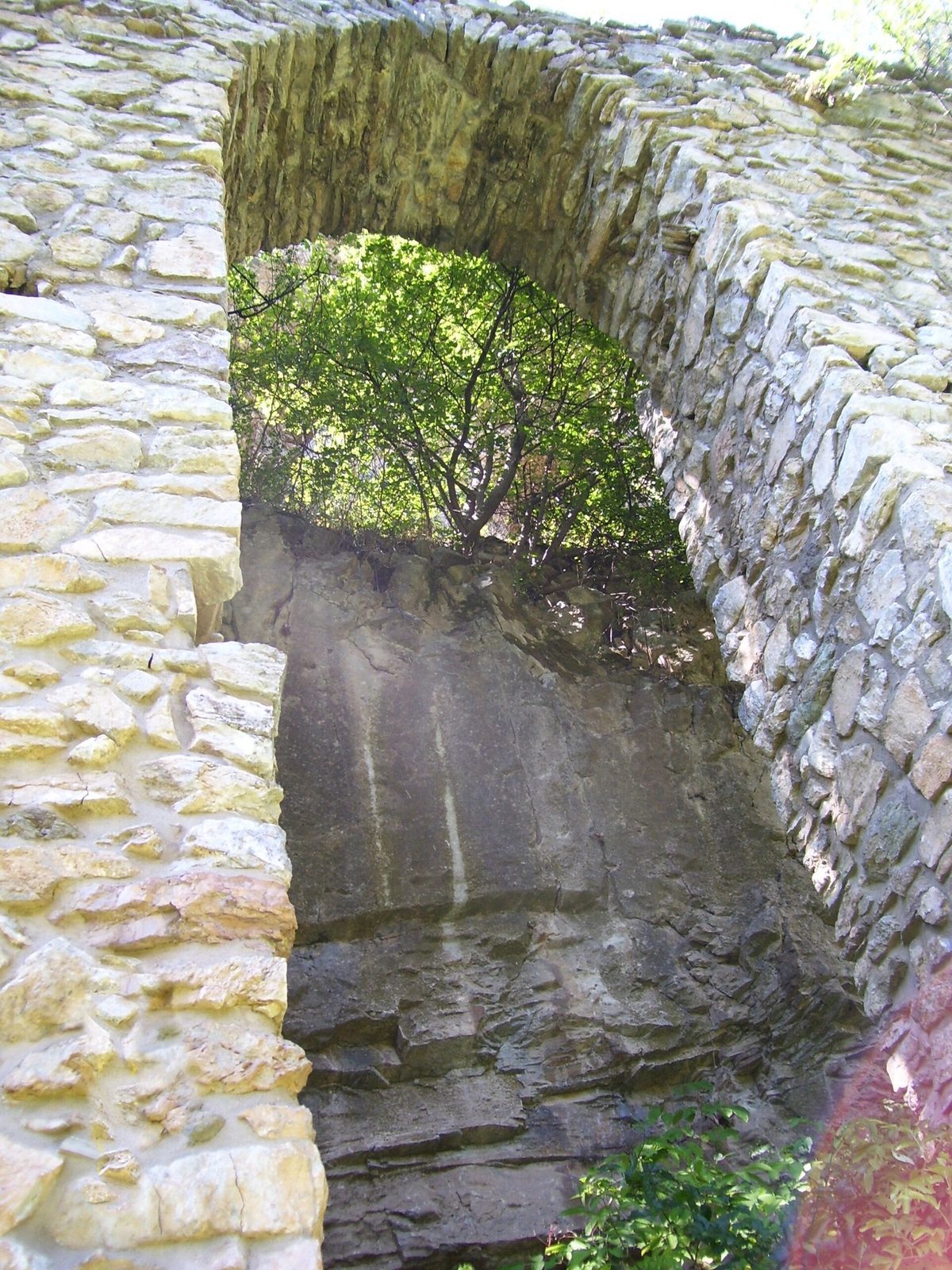
The stone-built complex lies in a gorge above Koriša, along the Korishka River, below Mount Rusenica and about twenty kilometres from Prizren. The church stands above a precipice. The site’s oldest element is a natural rock recess adapted into a small church, alongside the remains of monastic buildings and a separate nearby church.
Cave hermitage and church
The natural recess was lightly modified to form the small cave church. A tomb at the back of the cave is identified as Peter’s former grave, and columns form part of the hermitage remains. Nineteenth-century accounts disagreed about the church’s origins and ruin. Alexander Hilferding repeated a story told by a guide named Stefan, attributing the hermitage’s construction to Dušan and the church’s destruction to Muslims. Yastrebov rejected both claims, arguing that the cave church predated Dušan, his father, and his grandfather, and that it collapsed after being left unattended. He considered buildings adjoining the church possibly to date from Dušan’s time. Yastrebov also argued that churches built in Milutin’s era stood in visible locations because the period of hermitic life had passed. He described the church as simple rather than lavish, distinguishing it from the grandeur of its natural setting.
Medieval paintings
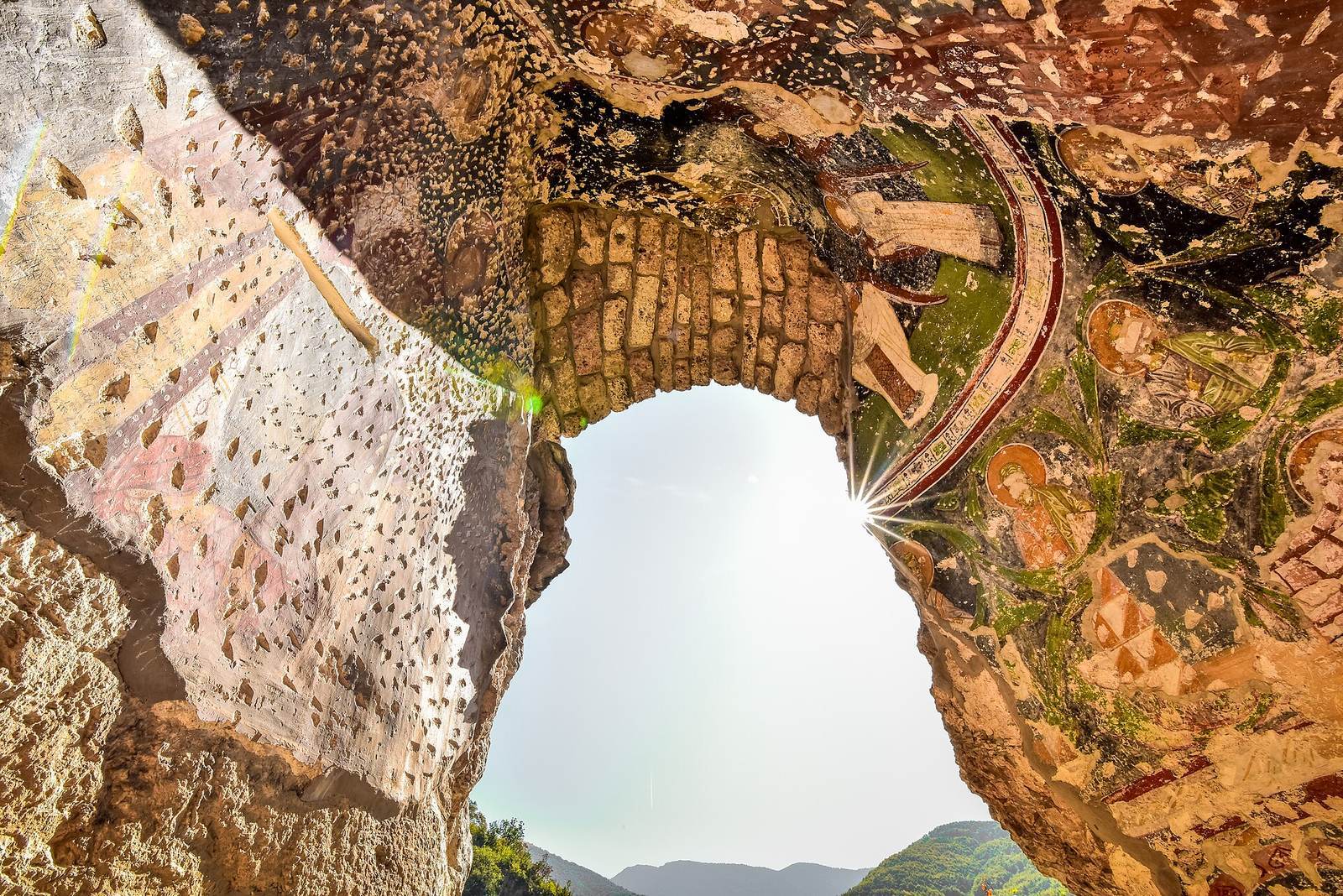
A few square metres of frescoes survive in the hermitage. Dated to 1220 and associated with Peter’s lifetime, they are among the earliest examples of monumental painting in medieval Serbia and are regarded as unique examples of religious art by local hermits. The church added beside the hermitage was painted in 1350, and fifteenth-century frescoes are also associated with the complex.
Monastic buildings
Before 1999, the complex included the hermitage remains, church ruins, monastic cells, and service buildings. The cells occupied several levels, and the monastery had a communal refectory, or dining hall.
Church of the Holy Mother of God
Ruins of a separate fourteenth-century Church of the Holy Mother of God lie nearby, beneath the rock of Čukalj. Local tradition attributes its construction to Peter’s sister.
Settlement traces
South of the church, beside a stream in the gorge, Yastrebov located a village whose name had been lost. He suggested it may have been Busino, a settlement mentioned in Dušan’s charter. He also noted a meadow above the village that was then known as Monks’ Meadow.