Kempenich Castle: A Hilltop Fief and Administrative Centre
Site at a Glance
- Popularity
- Medium
- Country
- Germany
- Primary era
- Medieval
- Eras represented
- Medieval, Early Modern
- Civilizations
- Electorate of Trier, Holy Roman Empire
- Site type
- Military
- Remains
- Castle
On this page8 sections
History
Kempenich Castle is a hilltop castle in the municipality of Kempenich, in Germany’s Eifel region. It first appears in records around 1200, although it may have existed as early as 1147. From the thirteenth century, the castle and its associated lordship were fiefs, lands held within a feudal relationship, of the Electorate of Trier. This was an ecclesiastical territory of the Holy Roman Empire, governed by an archbishop entitled to vote in the emperor’s election.
The Lords of Kempenich and the inheritance dispute
The Lords of Kempenich held the castle until their family died out in 1424. Their control was contested earlier: in 1330, two members of the family fought a feud over the castle. After the family’s extinction, another armed conflict arose over the inheritance. Peter von Schöneck, who had married the heiress, claimed the castle and lordship against Trier.
Pledged possession and the Eltz family
After a succession of pledges, Anton von Eltz took possession of Kempenich in 1581 as security rather than outright ownership. He was a nephew of Johann Jakob von Eltz, Archbishop of Trier. When Anton’s son Hans Jacob died, the elder Eltz branch known as the Golden Lion branch came to an end. Kempenich then passed to Johann Jakob Schenk von Schmittburg.
In 1663, Schmittburg’s daughter, Maria Antoinetta Juliana, transferred the pledged holding to her husband, Hans Jacob zu Eltz. He established the Eltz-Kempenich line, which has continued to reside at Burg Eltz. Philipp Karl von Eltz-Kempenich, born at Kempenich, became Elector and Archbishop of Mainz and died in 1743. In 1734, his brother Karl Anton Ernst and their brothers were raised to the rank of imperial counts.
Damage and administrative change
French troops under King Louis XIV besieged Kempenich Castle in 1689 and caused heavy damage. Parts of the castle were later rebuilt. In 1776, the Trier Court Chamber ended the pledge, and Kempenich became the centre of an Electoral Trier administrative district, administered from Mayen.
Remains
Hilltop buildings
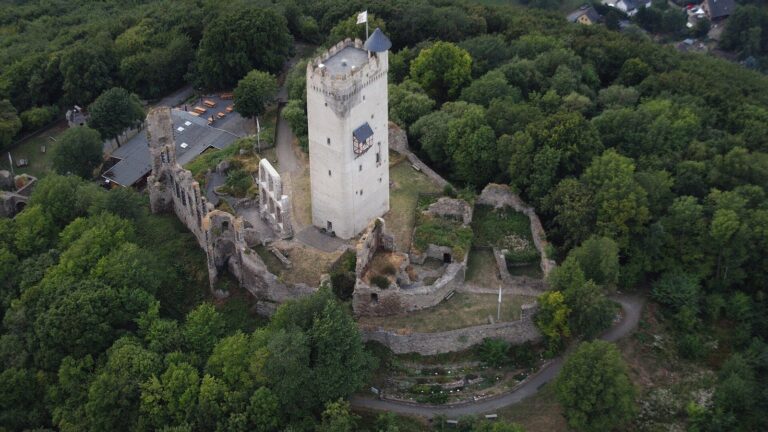
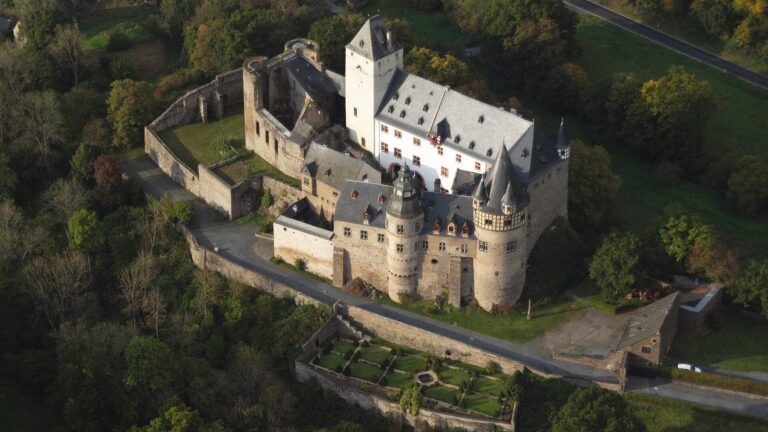
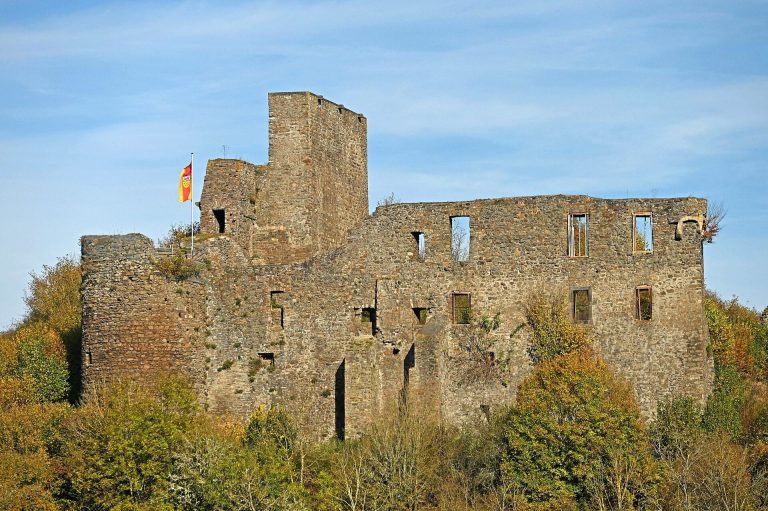
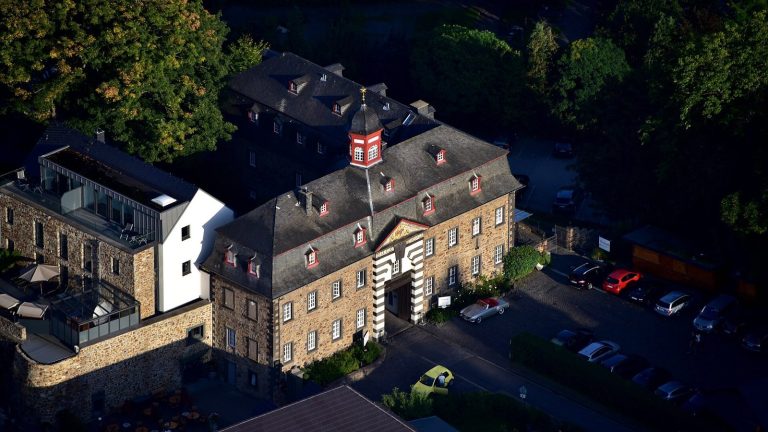
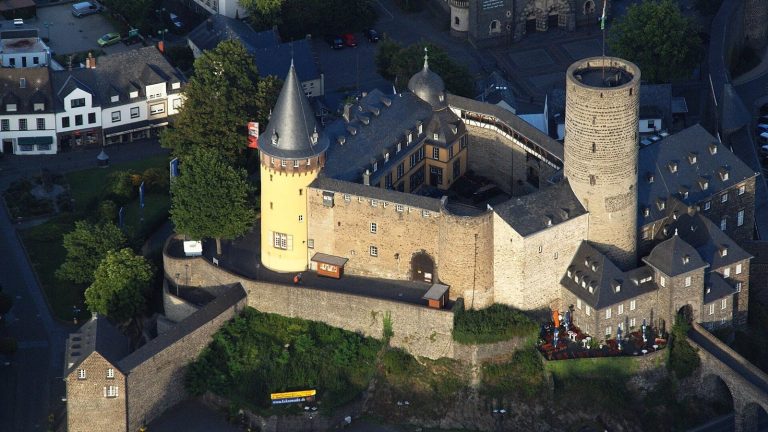
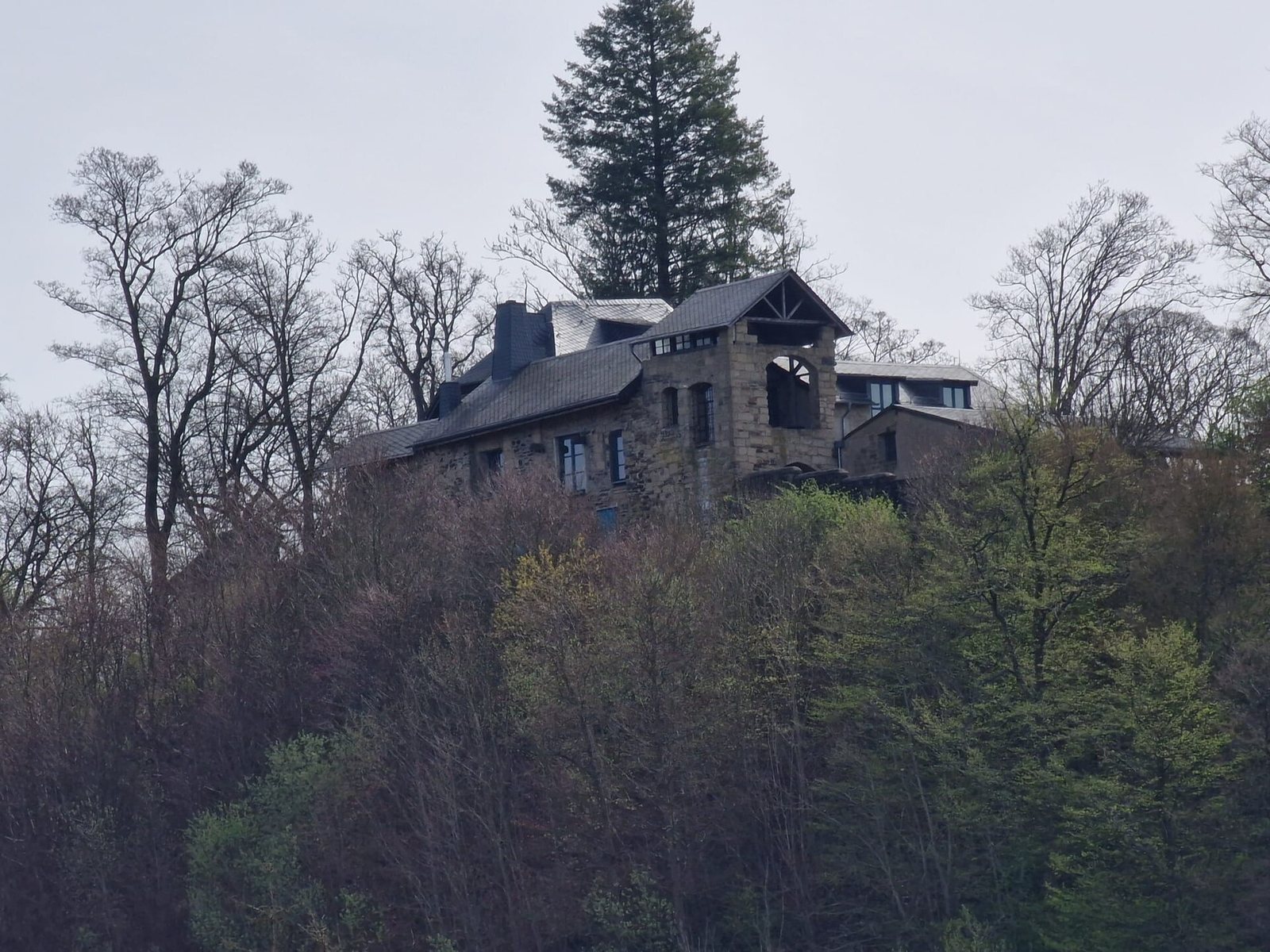
The castle stands on a hilltop in the Eifel. Its surviving buildings bring together later additions and the remaining structure of the older castle.
Two later wings
Two wings were added to the castle in 1769.
Old castle building
In 1822, the remainder of the old castle building was converted into a forester’s house.