Blanerne Castle: A Historic Fortified House
Site at a Glance
- Popularity
- Medium
- Country
- United Kingdom
- Primary era
- Early Modern
- Eras represented
- Early Modern
- Civilizations
- Kingdom of Scotland
- Site type
- Military
- Remains
- Castle
On this page7 sections
History
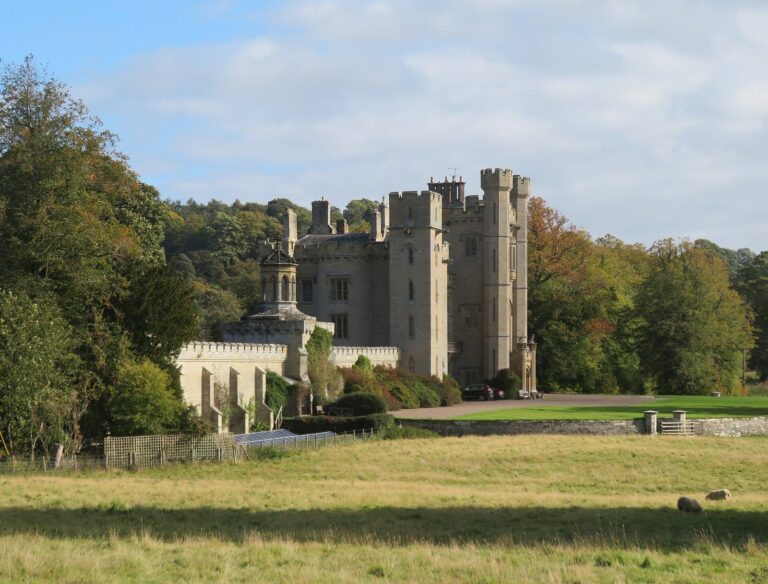
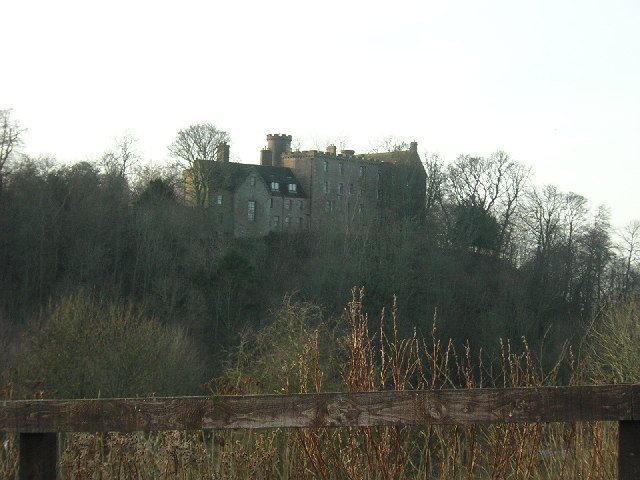
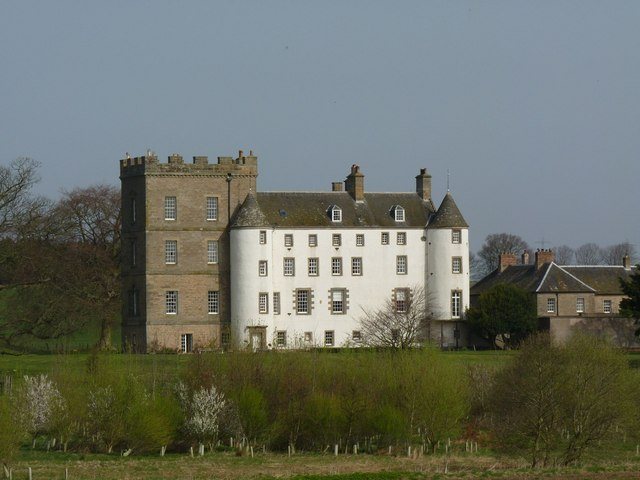
Blanerne Castle is a fortified house in the United Kingdom, on the north bank of the Whiteadder Water between Chirnside and Preston. Its surviving fabric dates to the 16th century, and it served as the historic seat of the Lumsdaine family for more than four centuries.
Early History and the Lumsdaine Family
A building may have occupied the site as early as the 12th century. A popular Berwickshire rhyme links Blanerne with Billie Castle and Bonkyll Castle, portraying all three as strongholds built during the reign of David I, king of Scots from 1124 to 1153, and ruined after the Rough Wooing. That name refers to English military campaigns against Scotland from 1542 to 1551, intended to secure a marriage between Mary, Queen of Scots, and Edward VI. The rhyme is a local tradition, not a reliable date for Blanerne Castle’s construction.
Blanerne Castle is protected as a Scheduled Monument, a legal status that safeguards historic and archaeological sites.
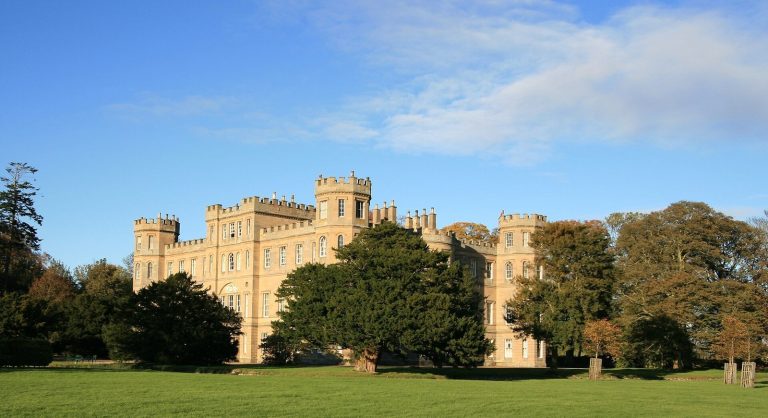
Blanerne House
Blanerne House was built in the 18th century. Around 1830, the Scottish architect William Burn prepared plans for the house, though they may not have been carried out. A major fire in 1895 led to its rebuilding in 1897, giving it the form it has today.
Remains
Castle Remains
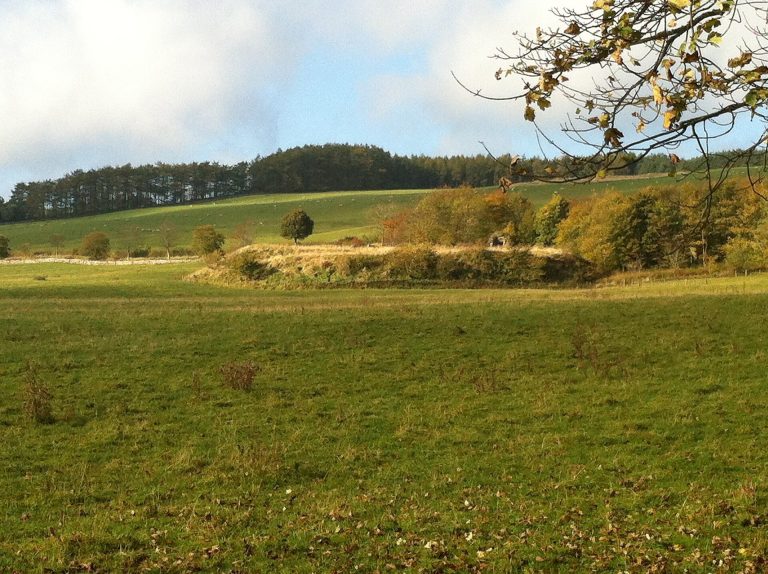
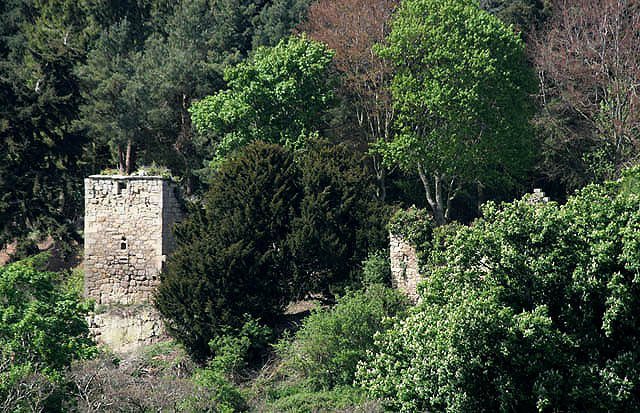
The castle remains stand in the grounds of Blanerne House, about 6 km northeast of Duns. They lie on the north bank of the Whiteadder Water, between Chirnside and Preston, and comprise a main block and a separate guard house to its west.
Main Block
The main surviving structure is identified as either a keep, the principal fortified structure of a castle, or a kitchen block.
Detached Guard House
The guard house is a separate structure positioned west of the main block.