Trockau Palace: A Noble Residence on a Medieval Castle Site
Site at a Glance
- Rating
- 5
- Popularity
- Very Low
- Country
- Germany
- Primary era
- Early Modern
- Eras represented
- Early Modern
- Civilizations
- Holy Roman Empire
- Site type
- Domestic
- Remains
- Elite Residence
On this page5 sections
History
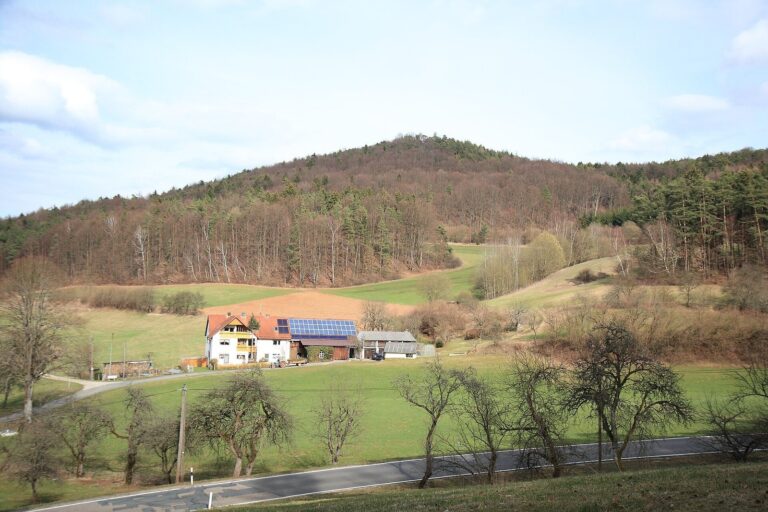
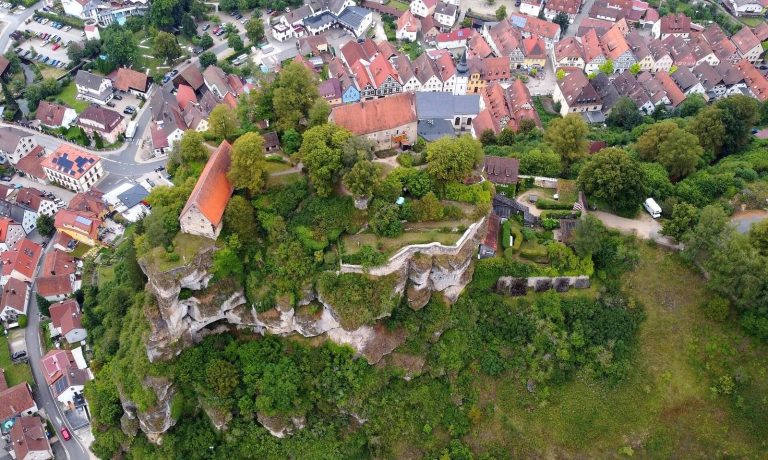
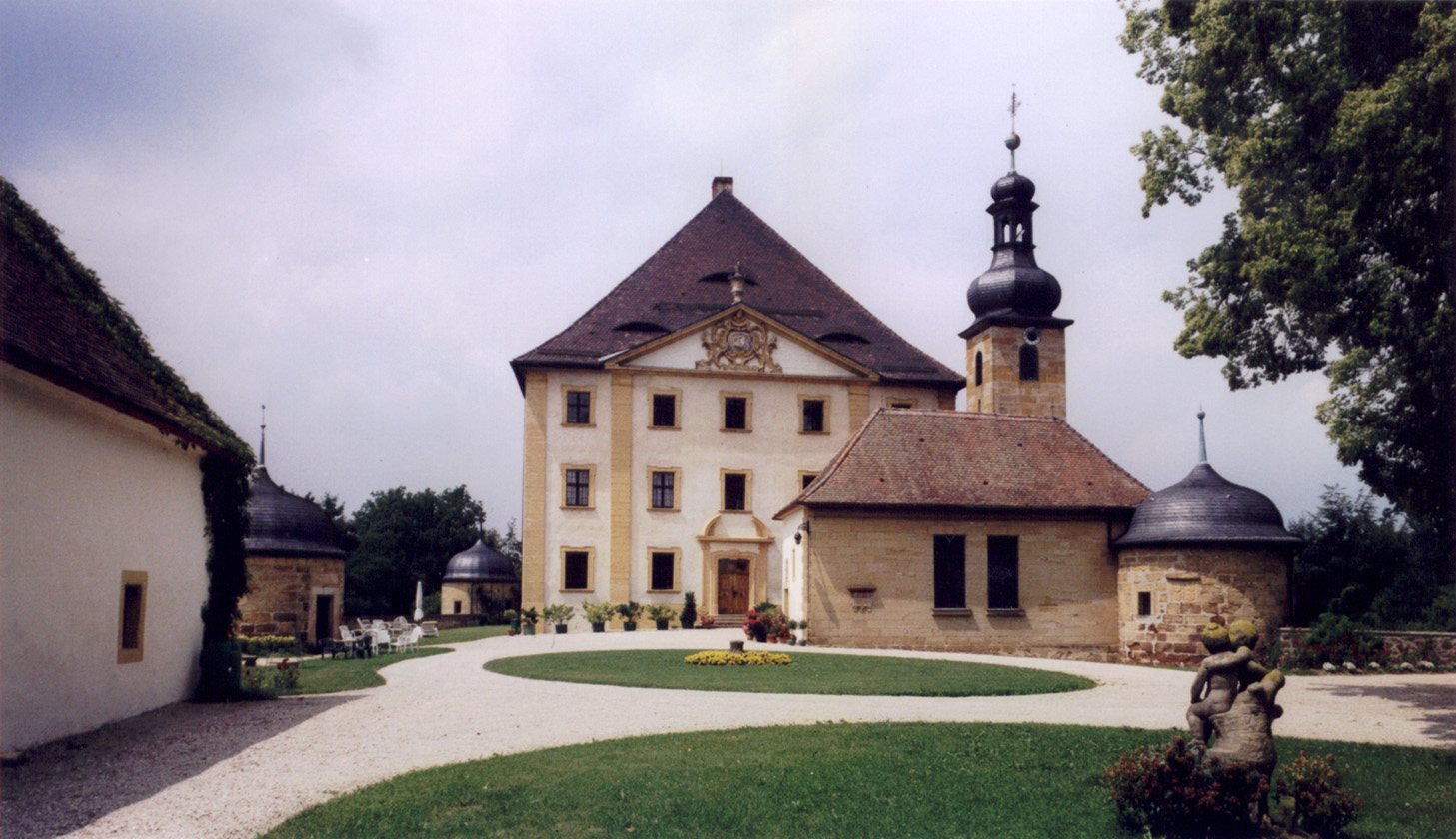
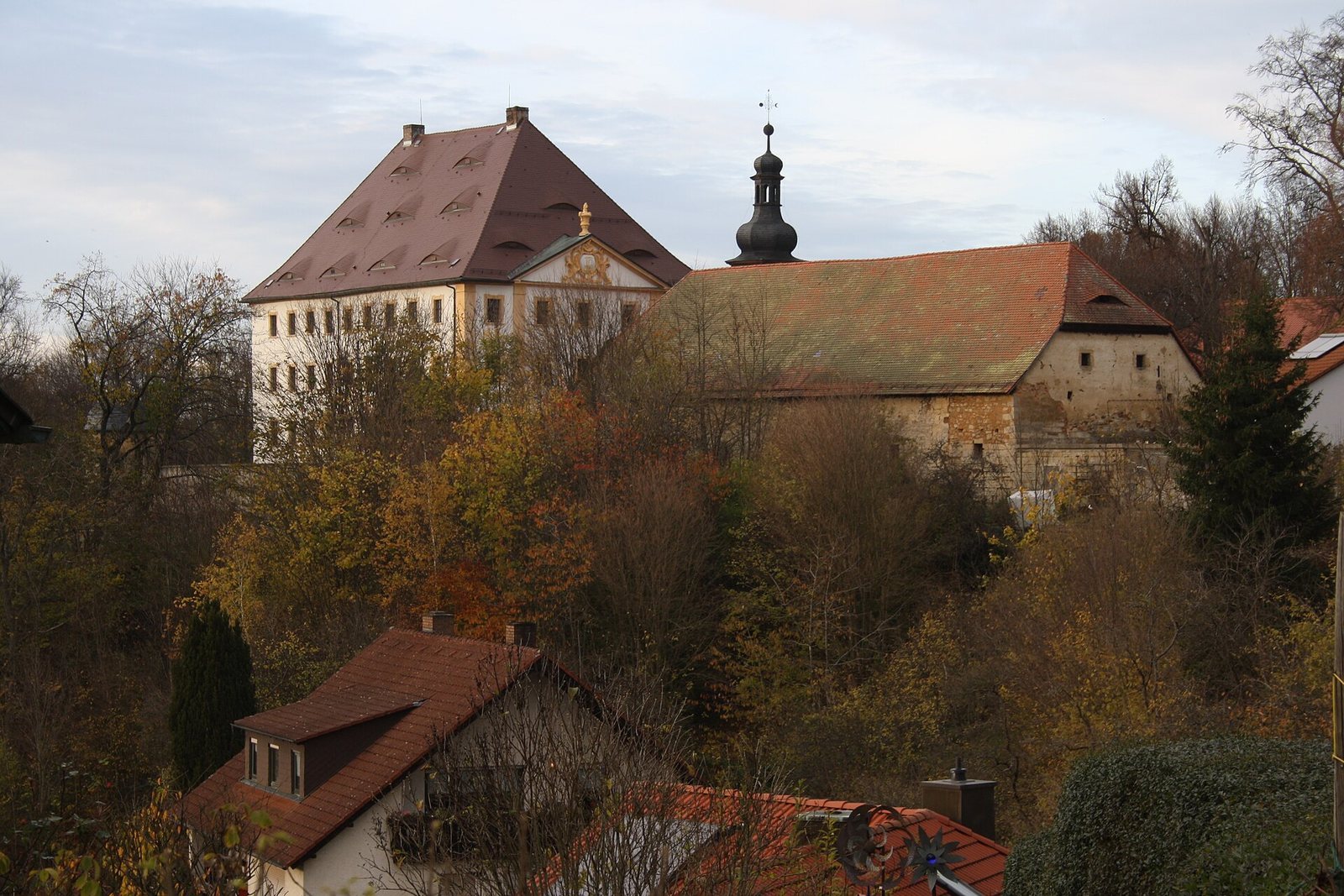
Trockau Palace stands at the western edge of Trockau, now a district of Pegnitz in Germany. Built between 1769 and 1779 on the site of a castle dating to the thirteenth century, it remains in the possession of the Groß von Trockau family.
The Medieval Castle and Its Lords
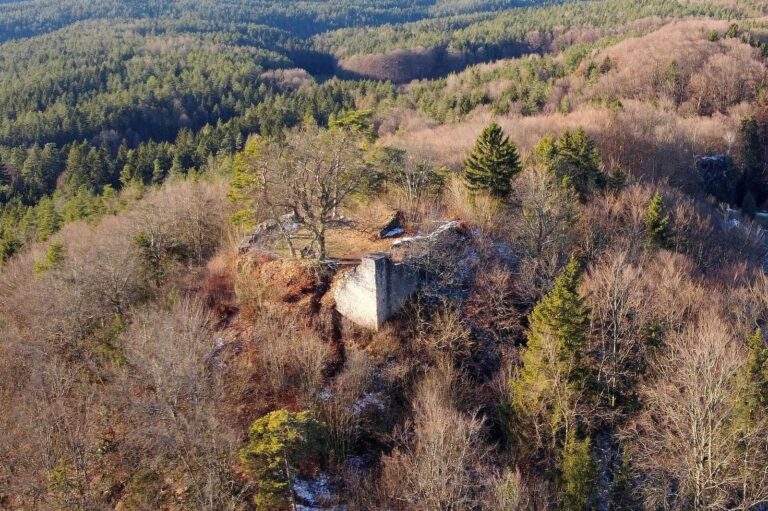
The Lords of Trockau, a Franconian noble family, are first recorded in 1273. The castle is first mentioned in 1316, but it probably already existed when the family entered the historical record. In the late thirteenth or early fourteenth century, it likely passed through marriage to the Lords Groß von Trockau. Members of that family entered the service of the Franconian nobleman Konrad von Schlüsselberg in 1307.
By 1390 at the latest, the castle was a fief of the Landgraves of Leuchtenberg, territorial rulers. During the Princely War, a conflict among regional princes, the landgraves fought alongside Duke Ludwig of Bavaria against the Margrave of Bayreuth, a noble territorial ruler. The castle was destroyed in either 1460 or 1462.
Destruction and Rebuilding
The castle was destroyed again in 1525 during the Peasants’ War, a series of uprisings in 1524 and 1525. It was restored only provisionally, then destroyed once more in 1632 during the Thirty Years’ War, a major European conflict fought from 1618 to 1648.
The Present Palace
Karl Ludwig Kasimir Wilhelm Groß von und zu Trockau, Kohlstein and Tüchersfeld built the present palace between 1769 and 1779.
Remains
The palace is a three-storey building with an irregular quadrilateral ground plan.
A castle chapel is associated with the complex. Members of the family were formerly buried in the chapel, in Würzburg, or elsewhere. The family cemetery on the castle grounds was dedicated on 16 June 2007 during a procession around the fields that concluded the Hagelfeier, a vow-day observance associated with hail.