Llanthony Priory: A Medieval Augustinian House in Wales
Site at a Glance
- Popularity
- High
- Country
- United Kingdom
- Primary era
- Medieval
- Eras represented
- Medieval
- Civilizations
- Unclassified
- Site type
- Religious
- Remains
- Monastery
On this page10 sections
History
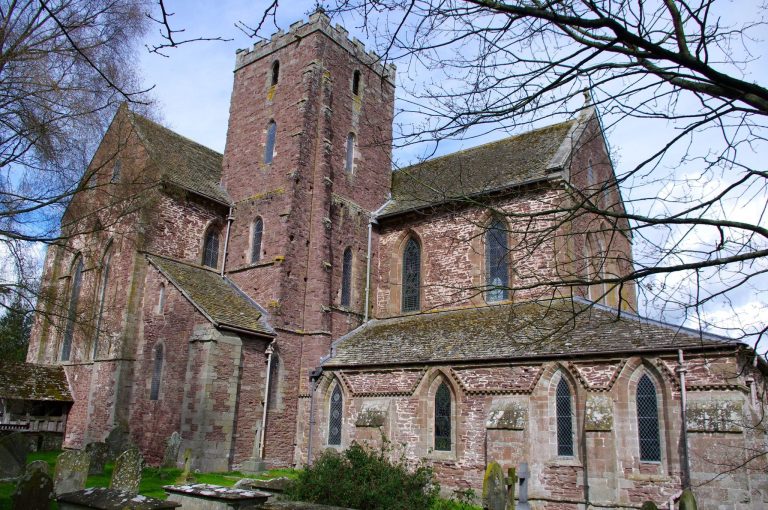
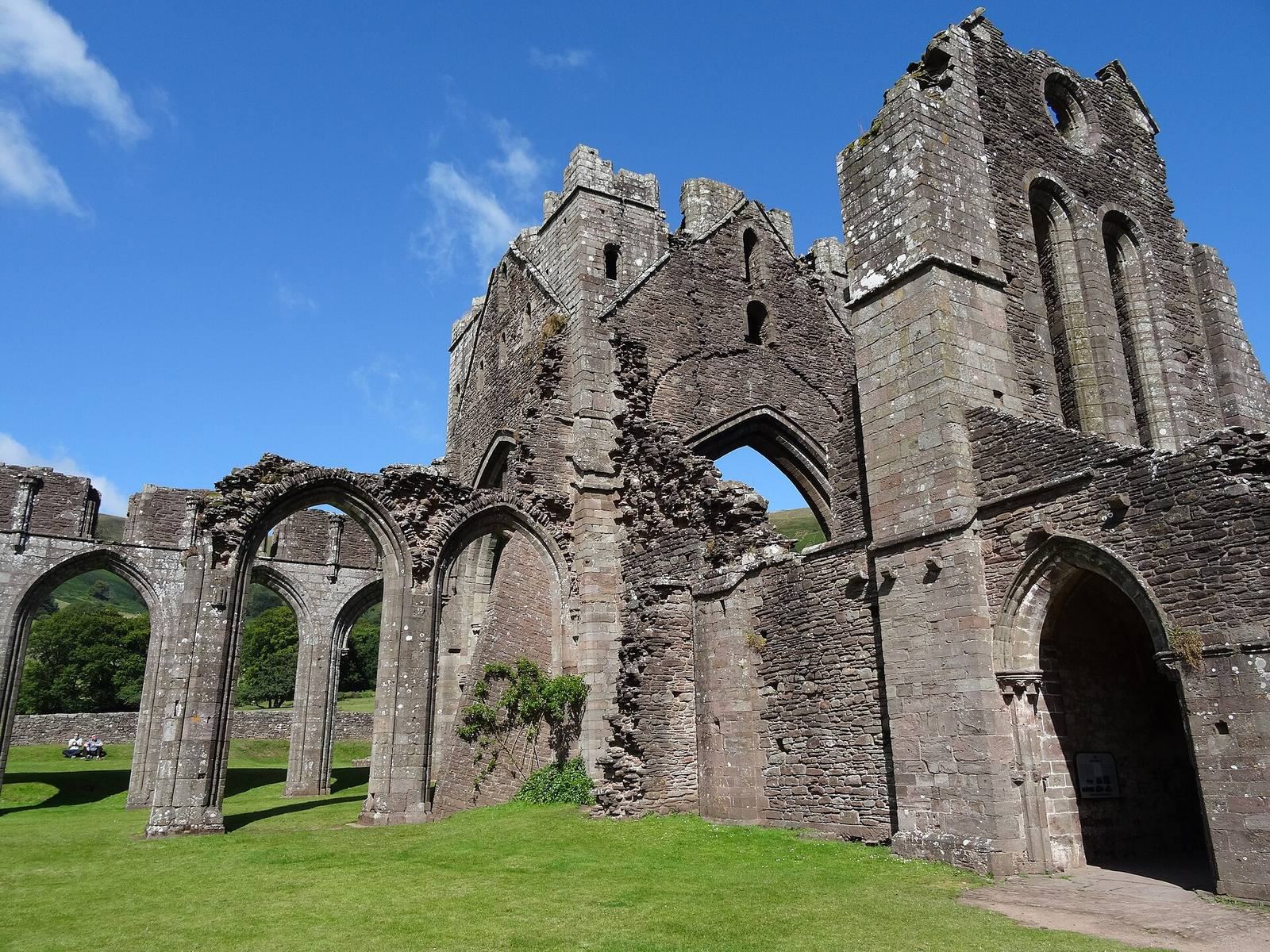
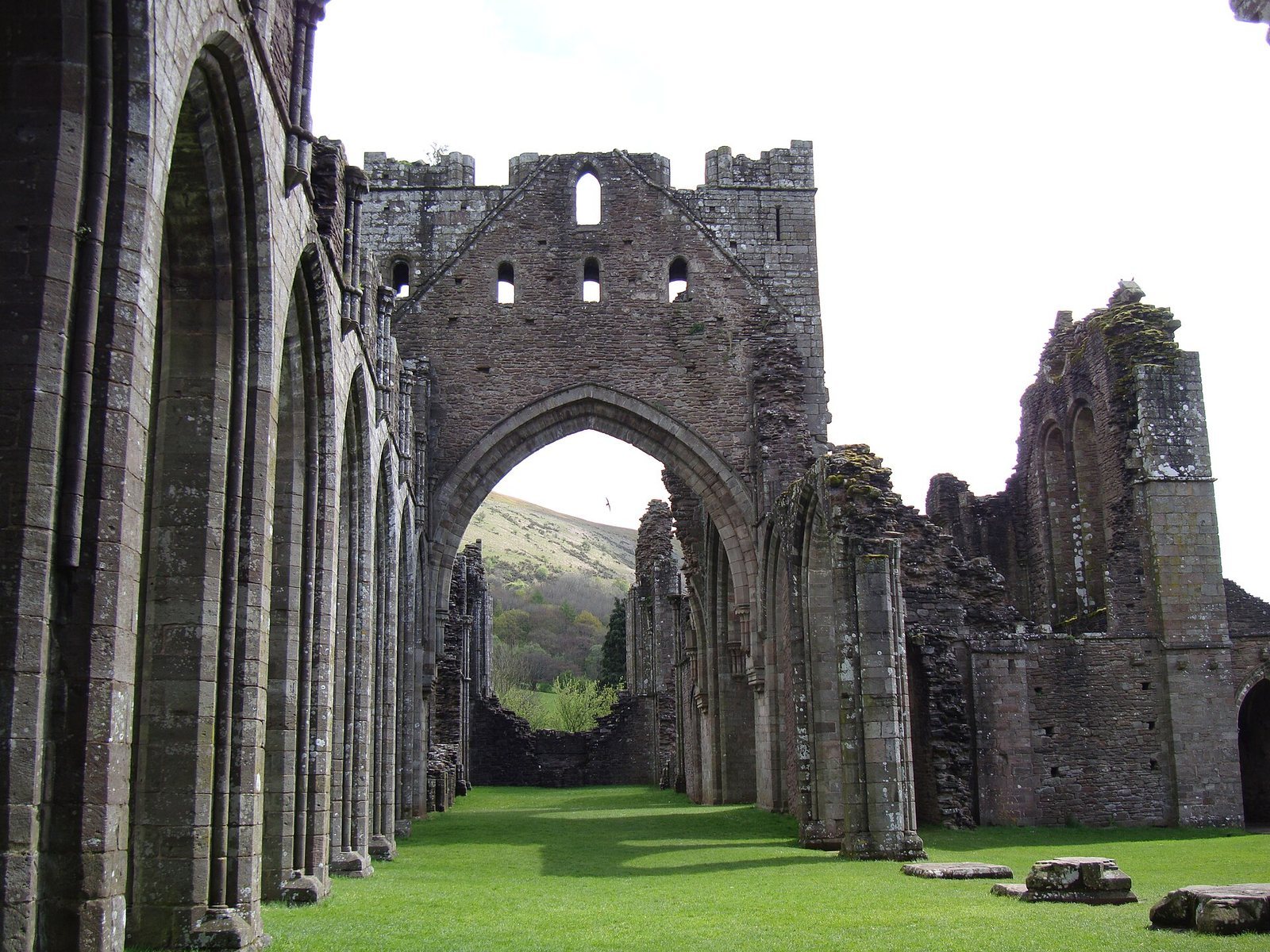
Llanthony Priory is a partly ruined house of Augustinian canons in Monmouthshire, Wales, United Kingdom. Its exact foundation date is uncertain, though tradition places its beginnings around 1100. The medieval complex developed in Norman and Gothic styles. By 1118, about 40 Canons Regular, clergy who lived communally under a religious rule, had formed the priory. They followed the Rule of St Augustine, and Llanthony was the first house of Canons Regular in Wales.
Foundation and early growth
A tradition tells how William, a knight serving Hugh de Lacy, found a ruined chapel dedicated to St David and chose a life of prayer and study there. Ersinius, formerly chaplain to Queen Matilda, wife of Henry I, and other followers later joined him. A church dedicated to St John the Baptist was built and consecrated at the site in 1108.
Retreat and rebuilding
In 1135, repeated attacks by the local Welsh population forced the canons to withdraw to Gloucester, where they established Llanthony Secunda, a dependent house. The original priory continued, however. Around 1186, Hugh de Lacy, Earl of Ulster, provided income from his Irish estates for the rebuilding of its church, a project completed by 1217. Letters from Pope Clement III, dated 1185 to 1188, confirmed further gifts to the priory from Adam de Feypo and Geoffrey de Cusack in Ireland.
In March 1188, Gerald of Wales visited Llanthony while travelling with Baldwin of Forde, Archbishop of Canterbury, to seek money and volunteers for the Third Crusade, a military expedition to the eastern Mediterranean. Gerald later wrote a description of the priory in Latin. An anonymously published work titled The History of Llanthony Priory has also been attributed to him.
Later medieval decline
Further building took place around 1325. On Palm Sunday, 4 April 1327, the deposed Edward II stayed at the priory while travelling from Kenilworth Castle to Berkeley Castle, where he was allegedly murdered. Following Owain Glyndŵr’s revolt against English rule in the early fifteenth century, the priory appears to have been barely functioning. In 1481 it was formally united with its daughter house at Gloucester.
Suppression and later preservation
Both houses were suppressed after 1538 during Henry VIII’s dissolution of the monasteries, the closure of religious houses under his government. Llanthony’s buildings gradually fell into ruin. Colonel Sir Mark Wood acquired the estate in 1799 and sold it to the poet Walter Savage Landor in 1807.
An Act of Parliament in 1809 allowed Landor to demolish some buildings adapted by Wood and construct a house, but the project was never completed. Landor planted trees, brought sheep from Spain and improved roads, but his efforts to improve the estate and local living conditions cost him money. After disputes with neighbours and tenants, including an unsuccessful attempt to recover rent from Charles Betham, he left the country and abandoned the estate to his creditors, chiefly his mother. His mother and cousin managed it in his absence as many buildings continued to deteriorate.
The ruins drew artists, including J. M. W. Turner, who painted them from the opposite hillside. The Knight family acquired the remains in the twentieth century, and most later passed to Cadw, the Welsh government’s historic environment service. Llanthony Priory is Grade I listed, the highest listed-building grade for buildings of exceptional interest. The Abbey Hotel and St David’s Church received Grade I listing on 1 September 1956, and Court Farm Barn on 9 January 1956.
Remains
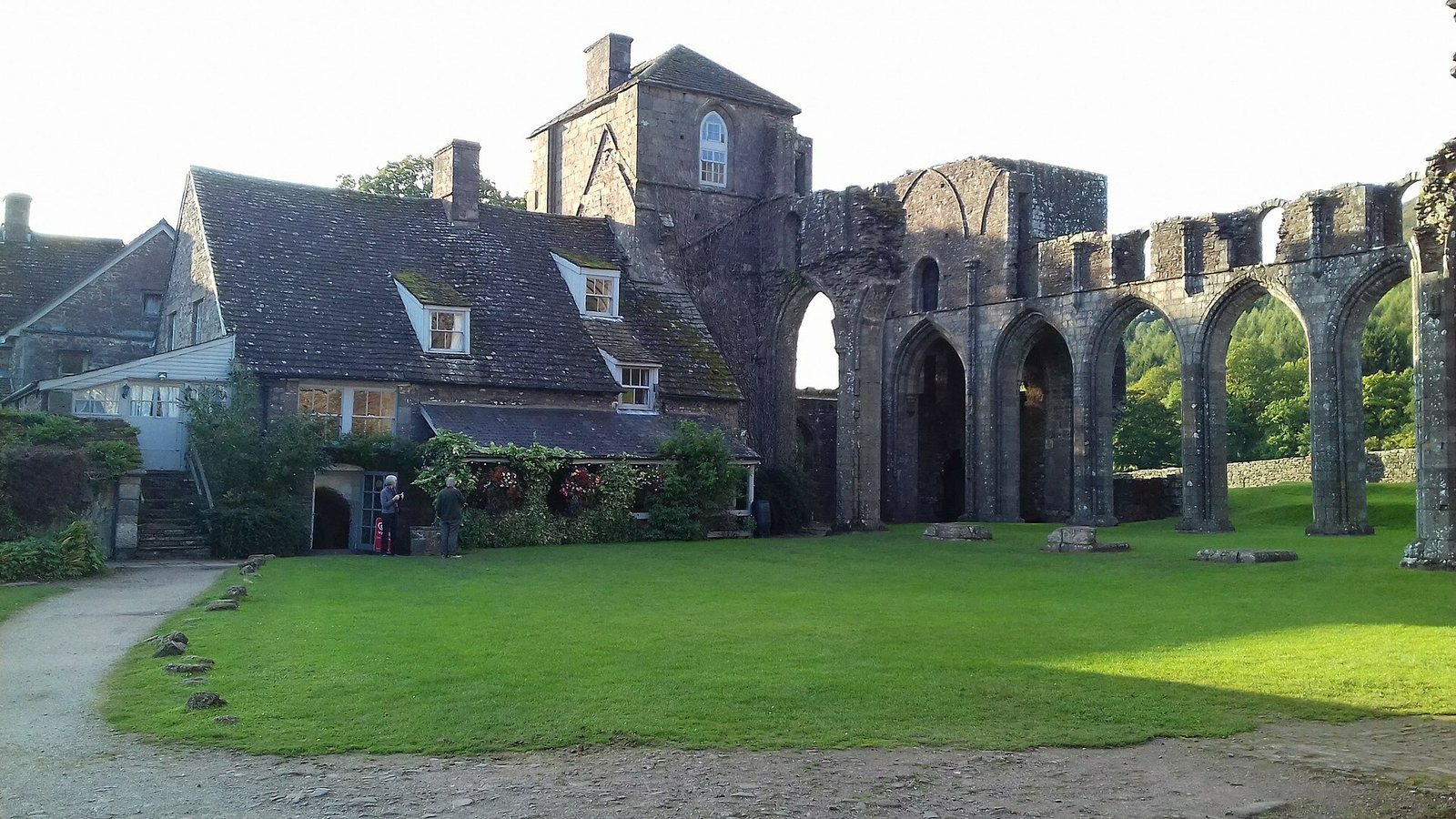
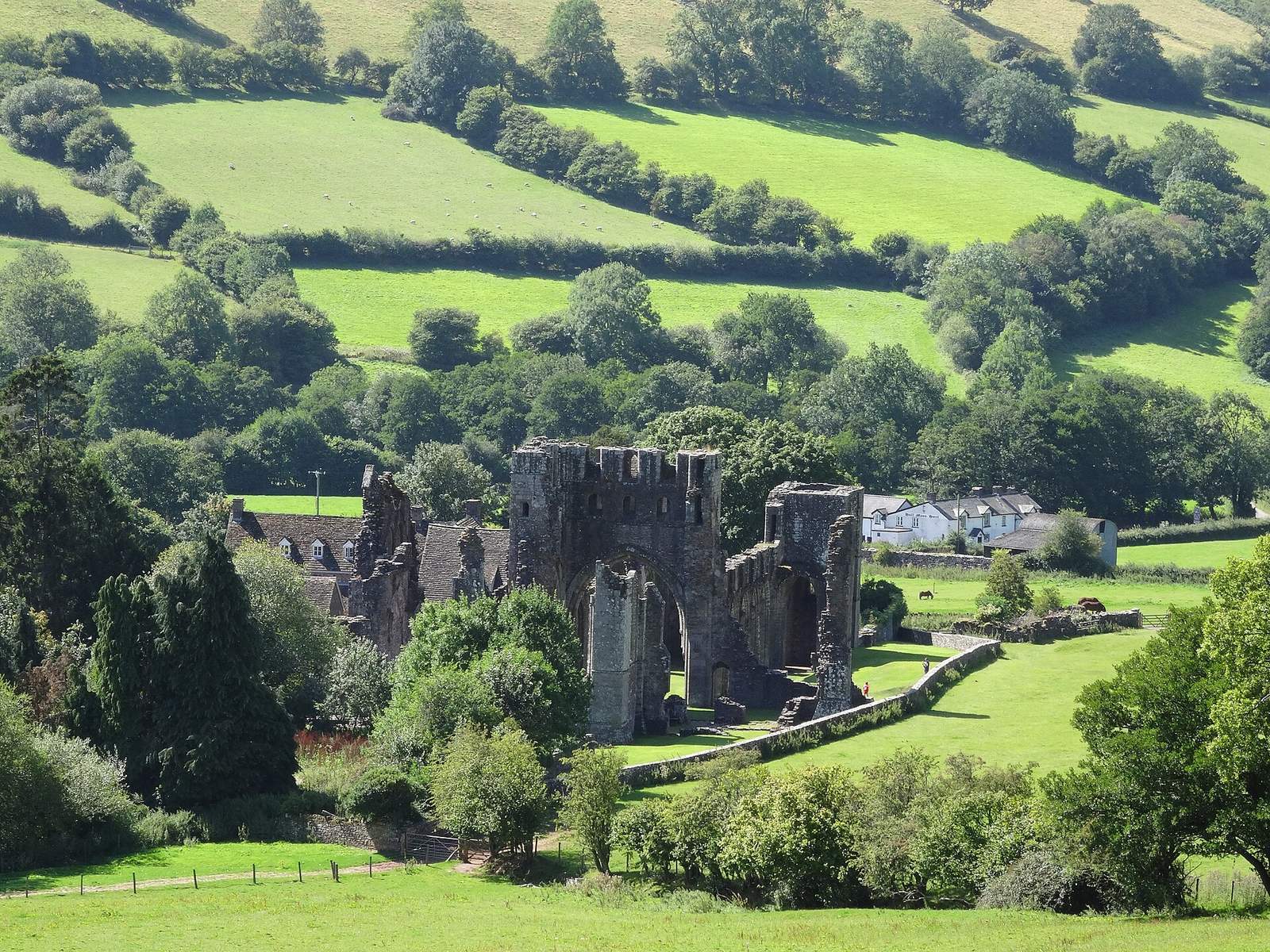
The partly ruined complex occupies a secluded, steep-sided valley and includes the principal priory remains and later buildings within the precinct. Its medieval fabric combines Norman and Gothic styles, with a gatehouse added around 1325.
Buildings within the precinct
St David’s Church
St David’s Church stands within the priory precinct on the site of the medieval infirmary, which was converted for church use in the early eighteenth century.
Abbey Hotel and Court Farm Barn
The Abbey Hotel occupies a house that Mark Wood adapted for domestic use and as a shooting retreat. Court Farm Barn is another building within the precinct.
Landscape setting
The priory lies in the Vale of Ewyas, a formerly glaciated valley in the Black Mountains area of the Brecon Beacons National Park, Monmouthshire. The main ruins stand west of Hatterrall Ridge. An avenue of trees in the area is known as Landor’s Larches, and many of its old chestnut trees have been dated to Landor’s time.