Böheimstein Castle: A Medieval Fortress and Administrative Seat in Pegnitz, Germany
Site at a Glance
- Popularity
- Low
- Country
- Germany
- Primary era
- Medieval
- Eras represented
- Medieval, Modern
- Civilizations
- German, Holy Roman Empire
- Site type
- Military
- Remains
- Castle
On this page4 sections
History
Böheimstein Castle was a hilltop fortress at Pegnitz in Germany, probably founded by the Landgraves of Leuchtenberg between 1347 and 1357 as the town expanded.
Leuchtenberg foundation and Bohemian rule
The Leuchtenbergs acquired Pegnitz in 1347, after the death of Konrad II von Schlüsselberg at Neideck ended his family’s ownership. At the time, Pegnitz consisted only of its old town. The new rulers developed an additional town between 1347 and 1357 as an economic center for their territory, and probably built the castle during this period.
Documents recording the sale of the territory to Charles IV, Holy Roman Emperor and King of Bohemia, in 1357 refer to a fortress. The castle was first recorded as Böheimstein on 25 June 1358. Charles had taken possession on 16 November 1357, leaving only the winter months before that first record. He is therefore unlikely to have built the castle from scratch, though he may have enlarged it.
Under Charles, the fortress was strengthened and renamed, probably in honor of his New Bohemian realm. Together with Hollenberg Castle, it became an administrative center. The first Bohemian official responsible for the district came from the Stiebar von Buttenheim family.
Changing rule and destruction
After Charles IV’s death in 1378, control of the castle changed hands repeatedly. Nuremberg’s burgraves, officials who governed a castle or its territory, took possession in 1402. From 1417, the Hohenzollerns held it as rulers of Brandenburg-Kulmbach. The family maintained the district’s administrative seat at Böheimstein from 1405 to 1553. A separate castle stood within Pegnitz at the foot of Schlossberg. It was first mentioned in 1408 and may have been occupied by Gotescalc von Paichinze, named in 1179.
Pegnitz was repeatedly devastated during conflicts among German political powers, including the War of the Cities, the First Margrave War, and the Princes’ War of 1460–1462. Hussite campaigns by followers of religious reformer Jan Hus and the rural uprisings known as the Peasants’ War also brought destruction to the town, but the castle escaped damage during these earlier conflicts.
In the Second Margrave War, Albrecht II Alcibiades campaigned against Nuremberg and other opponents. Nuremberg troops under Haug von Parsberg besieged Böheimstein on 26 June 1553 and bombarded it the next day. The defenders surrendered on 28 June; the castle was then plundered and burned. The administrative seat moved to Altenstadt Castle in Pegnitz.
Remains
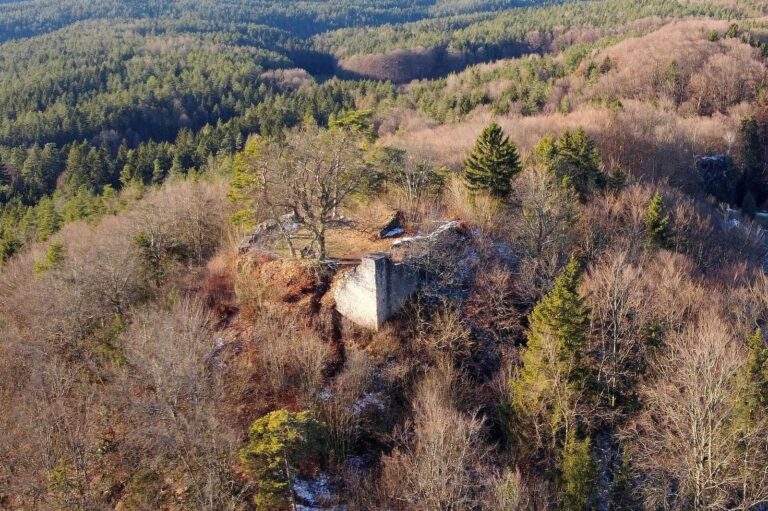
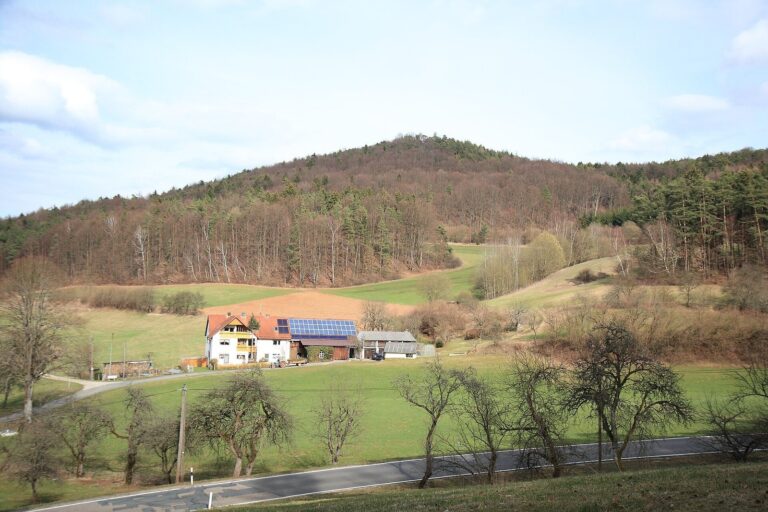
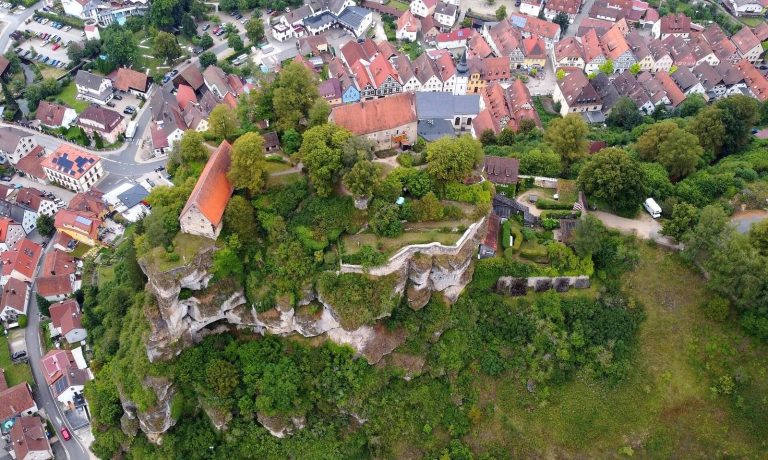
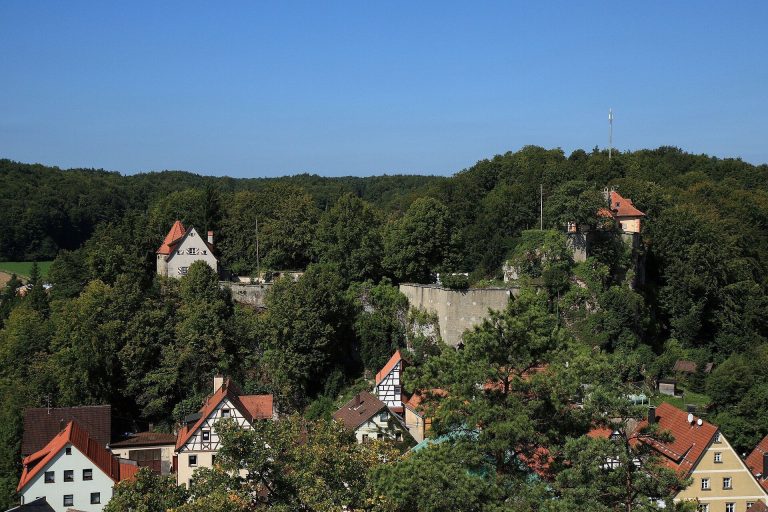
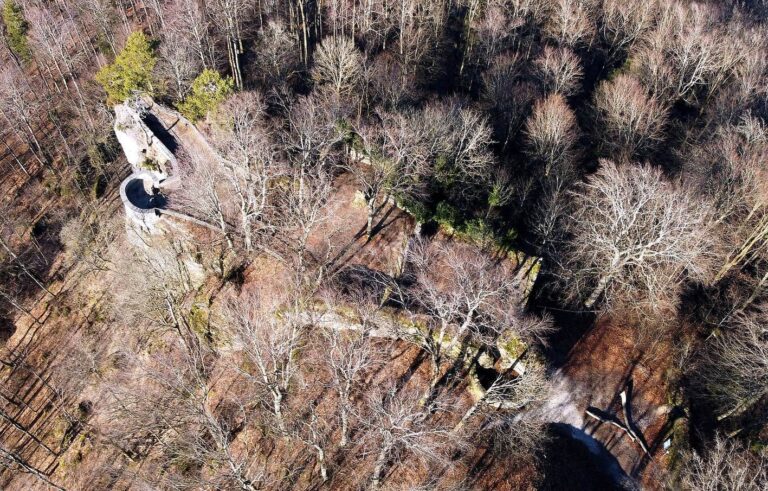
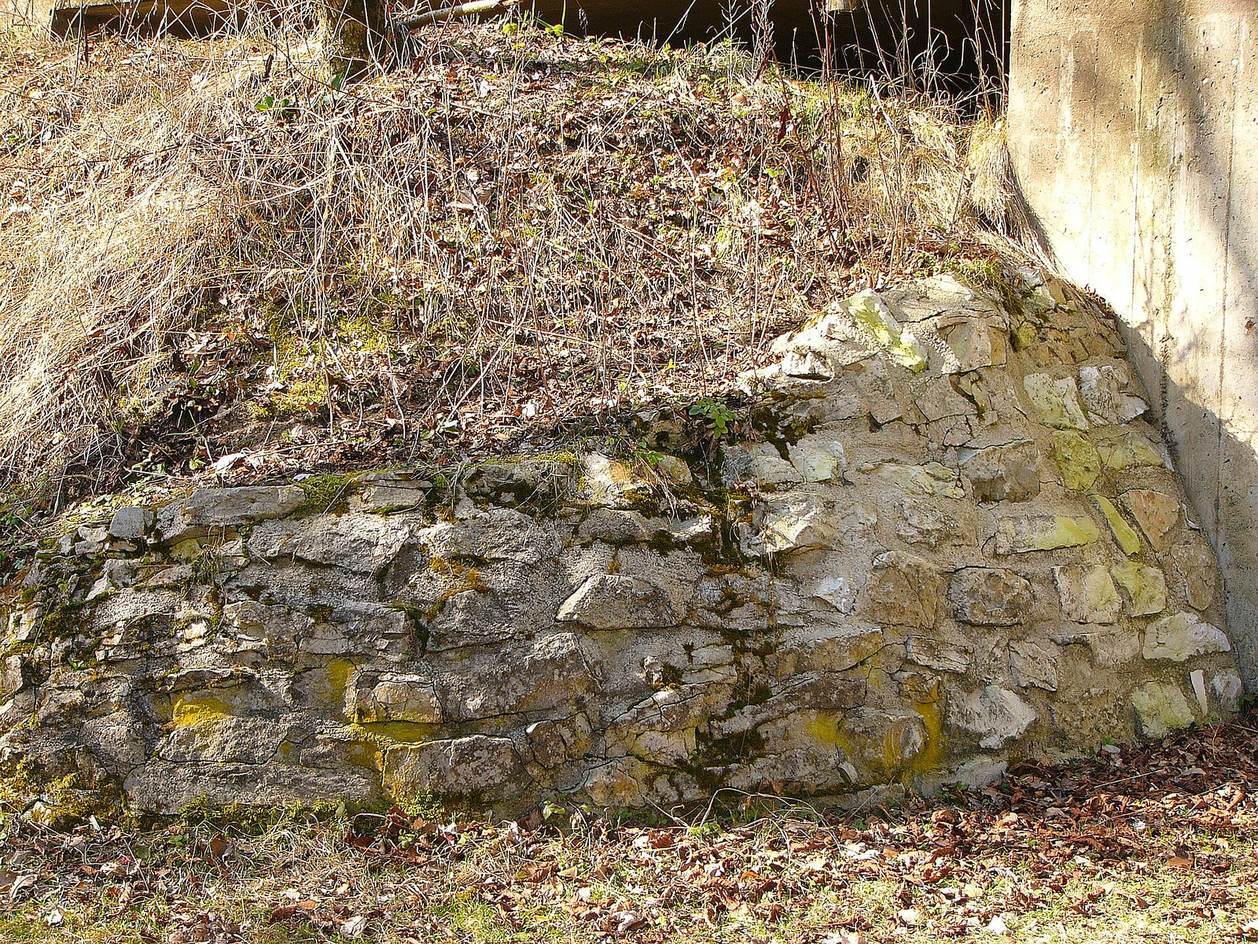
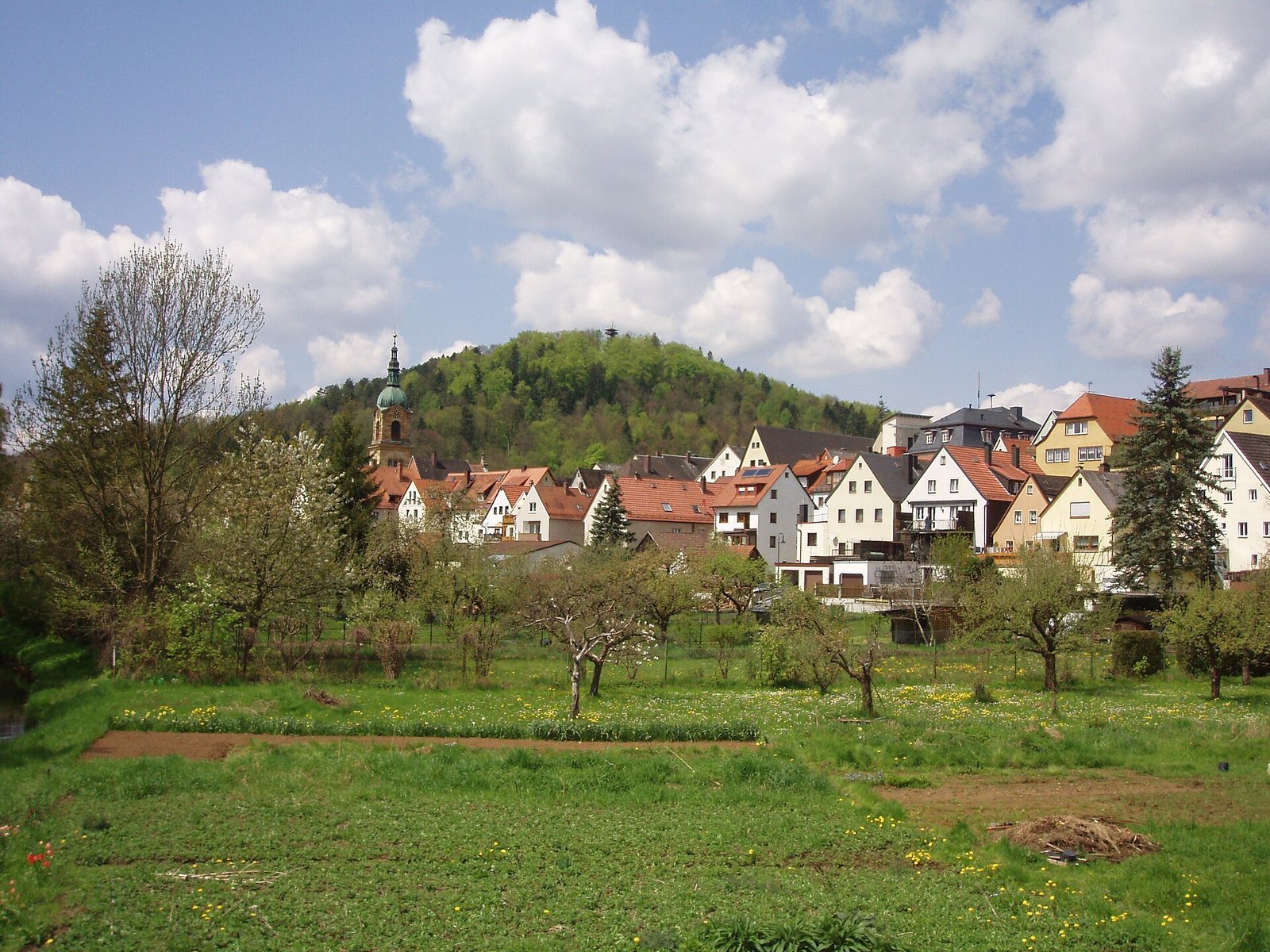
The castle occupied the 543-metre summit of Schlossberg, about 500 metres west of Pegnitz’s market square, within the Franconian Switzerland–Franconian Jura Nature Park. A topographic map made by cartographer Johann Christoph Stierlein in 1792 showed continuous traces of several foundation walls and a ditch. The castle site was exposed in 1873. A principal defensive tower built under Charles IV may have stood where the observation tower now stands. That tower was erected on Schlossberg in 1923 and serves as a viewpoint.