Schloss Reichertshausen: A Moated Castle in Germany
Site at a Glance
- Popularity
- Medium
- Country
- Germany
- Primary era
- Early Modern
- Eras represented
- Medieval, Early Modern
- Civilizations
- Duchy of Bavaria, Electorate of Bavaria, Holy Roman Empire
- Site type
- Domestic
- Remains
- Castle
On this page7 sections
History
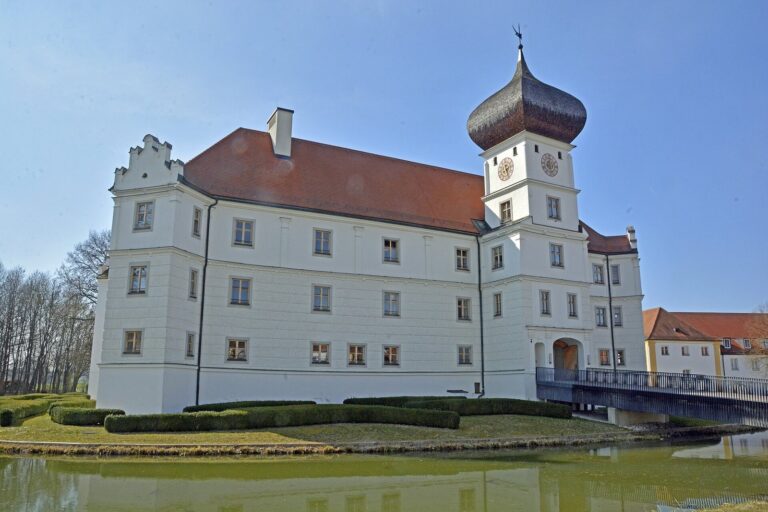
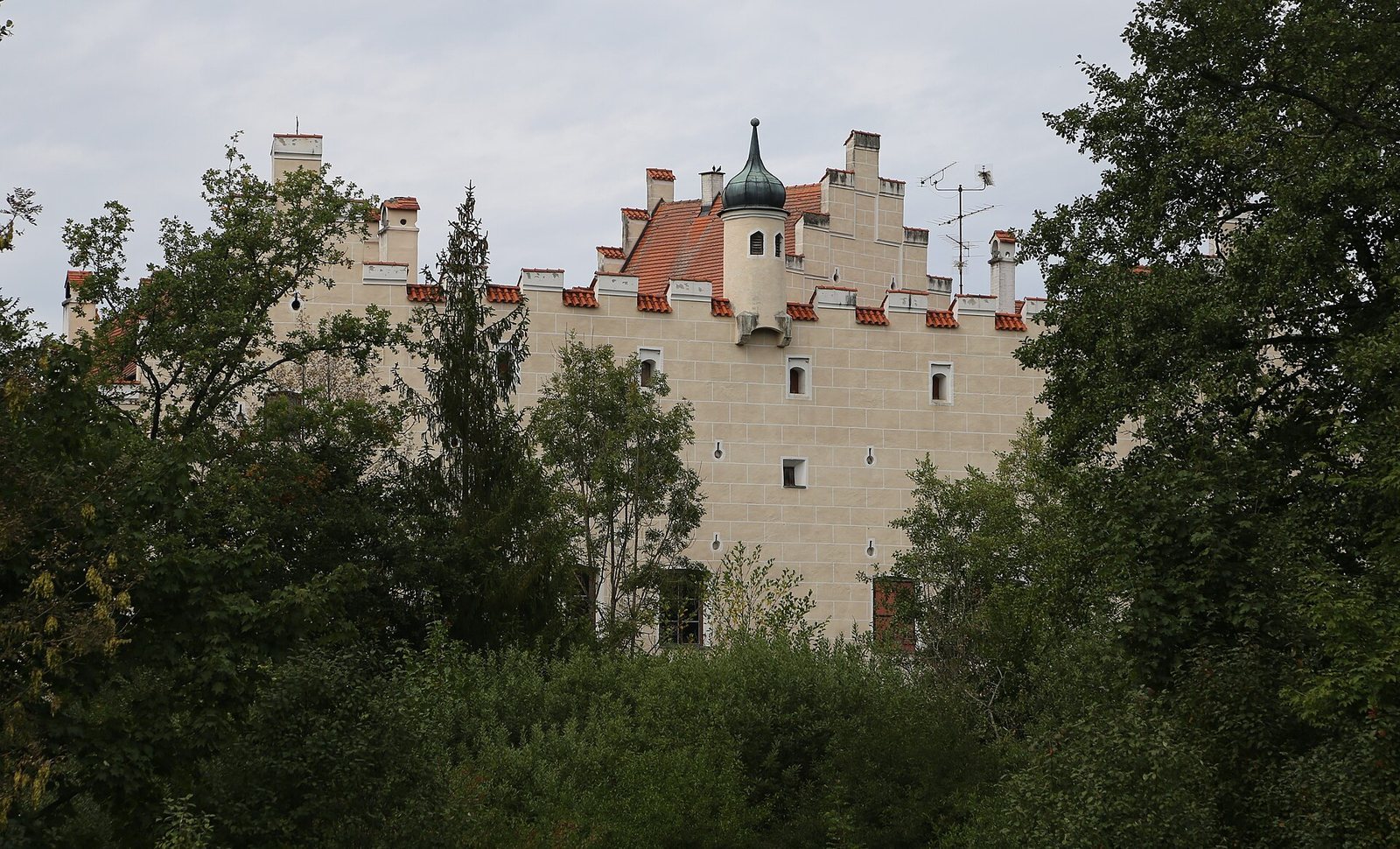
Schloss Reichertshausen is a castle in Germany whose oldest parts date to around 1100. Remodeled in the 16th century in the Late Gothic style, the later phase of Gothic art and architecture before Renaissance forms, it developed as a seat of noble lordship.
Early references and the castle
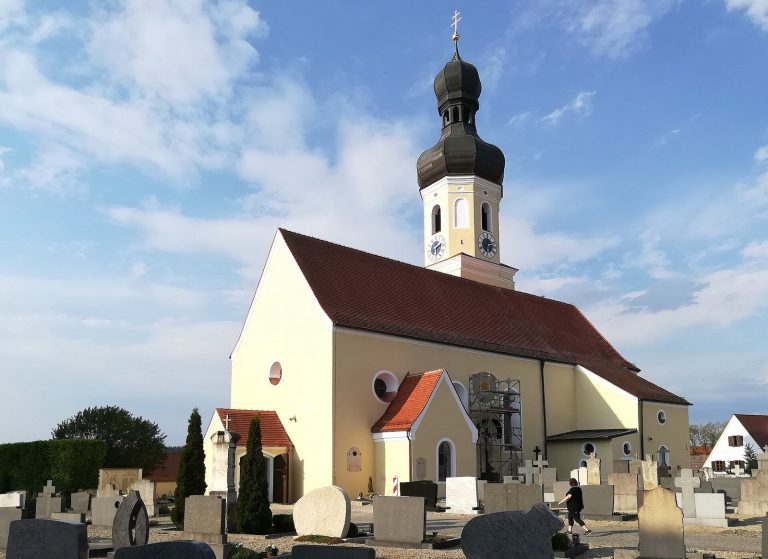
Reichertshausen is first mentioned in 779, when a woman from Toza had a prayer house built there. The Babenberg dynasty, which ruled Austria in the Middle Ages, is recorded as lord of Reichertshausen by 1060. Later castle owners used the name von Richershusen.
Ownership and lordship
In 1334, the castle and its estates were sold to Ludwig Pütrich, a citizen of Munich. In 1347, Emperor Louis the Bavarian, Holy Roman Emperor from 1328 to 1347, granted Pütrich the rights of a closed Hofmark, a territorial manor with jurisdiction over properties within its boundaries. Hans von Pfeffenhausen acquired the estate in two transactions, in 1497 and 1502. The lords of Pfeffenhausen remodeled the castle in the 16th century, and the barons von Weichs became its owners in 1607.
War, rebuilding, and later ownership
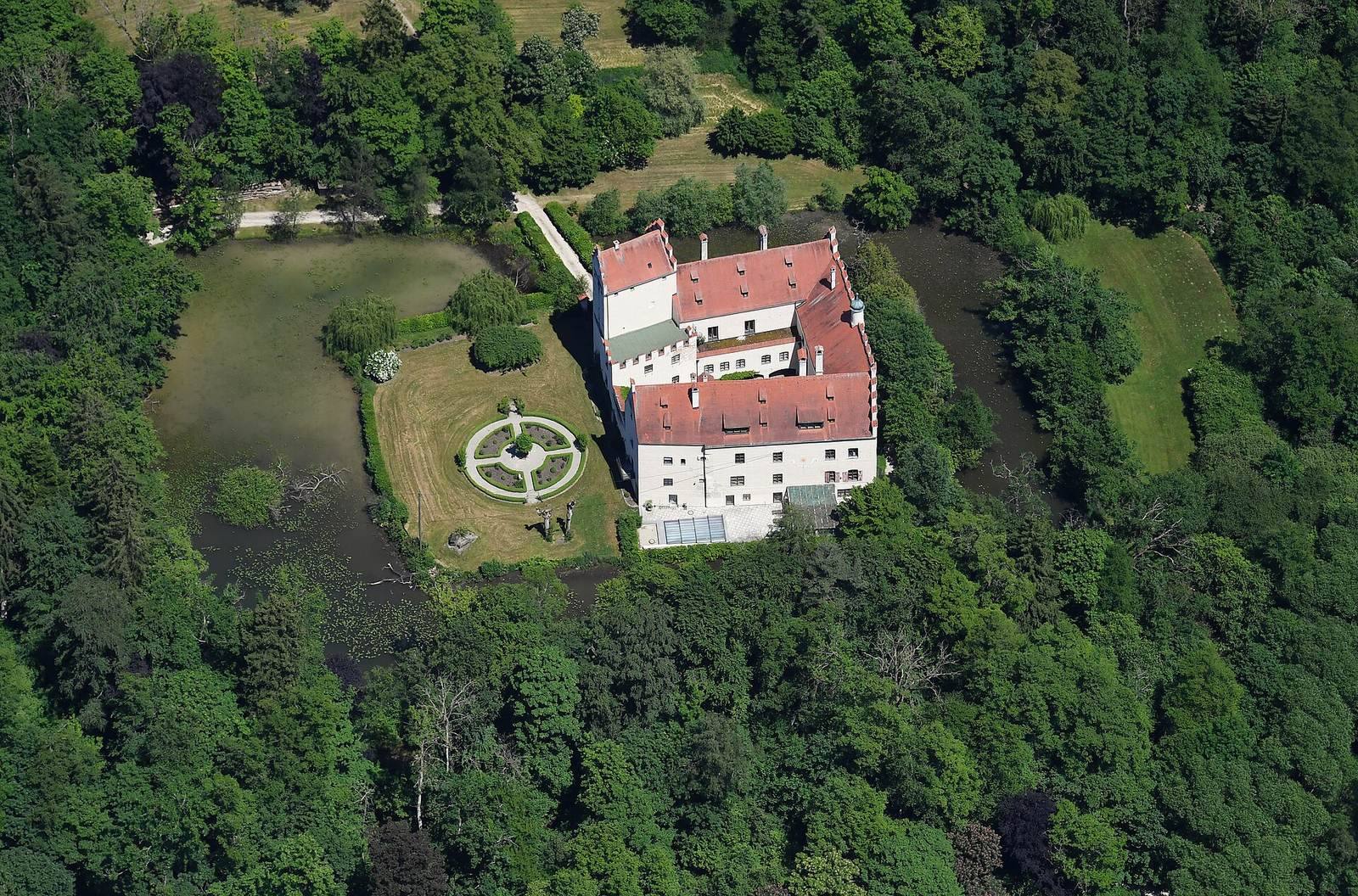
The castle was destroyed during the Thirty Years’ War, the major European conflict fought from 1618 to 1648. It was rebuilt as a moated castle, with a wall and moat. In 1714, Joseph von Weichs commissioned a chapel dedicated to the Fourteen Saints, a group jointly venerated in Catholic devotion, together with a chapel hall. Through marriage, the Hofmark passed to the von Cetto family in 1840, and the family remains the owner. The family occupies most of the castle; other parts are used for concerts and rented for events.
Remains
The castle stands 250 metres west of the parish church of St Stephen. Three wings and a wall enclosing the fourth side form an inner courtyard, while a moat is also part of the complex.
Chapel and interior
The chapel has an associated chapel hall. Gothic frescoes, wall paintings made on plaster, form part of the castle’s interior decoration. They were uncovered during a renovation in the late 1970s.
Park and archaeological evidence
An extensive English-style park adjoins the castle. Archaeological evidence from the medieval and early modern periods is associated with the area of the moated castle.