Palazzo Orsini in Milan: A Neoclassical Palace
Site at a Glance
- Popularity
- High
- Country
- Italy
- Primary era
- Early Modern
- Eras represented
- Early Modern, Modern
- Civilizations
- Austrian Empire, Habsburg, Habsburg Austria, Habsburg Spain, Spanish
- Site type
- Domestic
- Remains
- Elite Residence
On this page7 sections
History
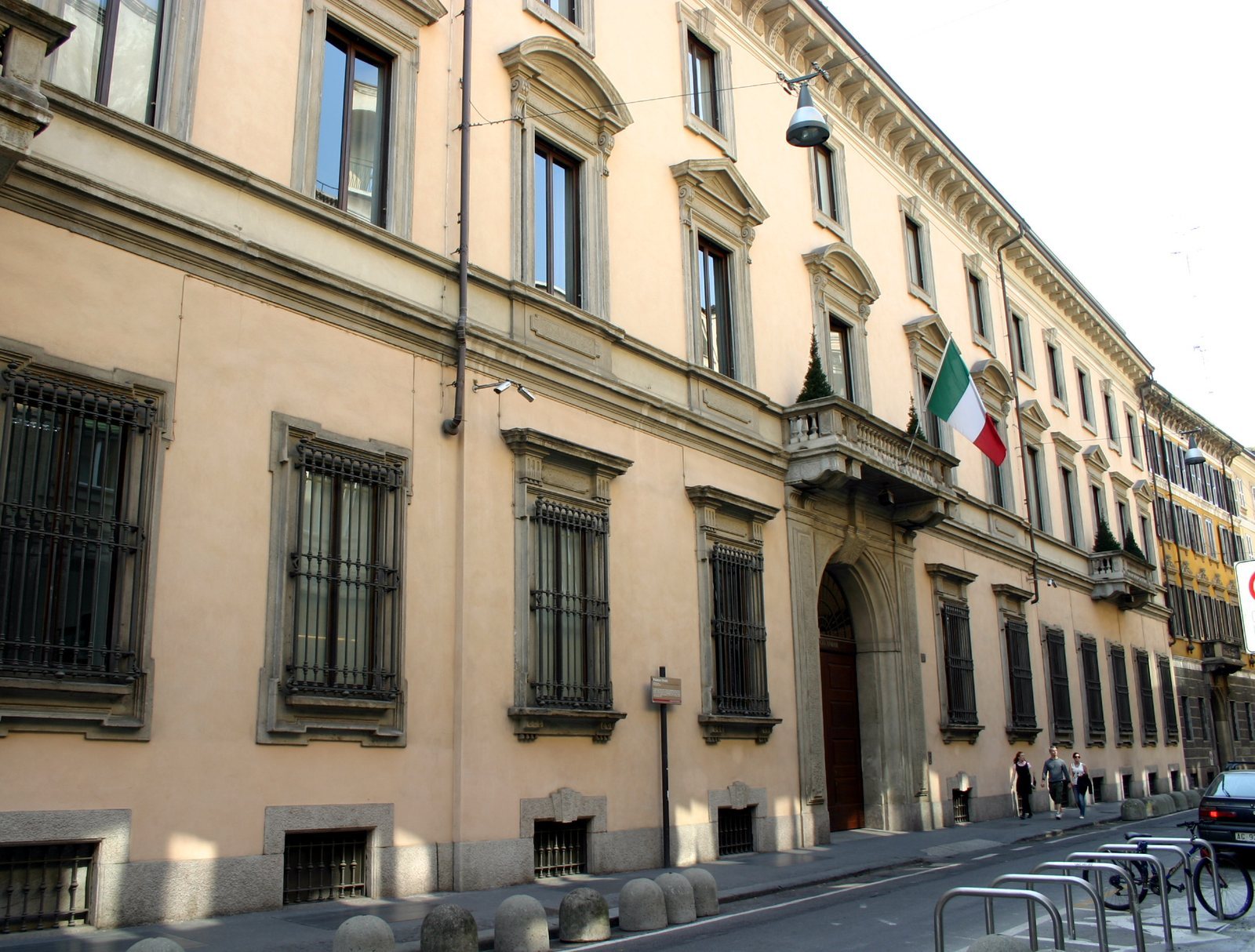
Palazzo Orsini is a Neoclassical palace in Milan, Italy, begun in the second half of the 17th century. The Secco-Borella family started its construction, and the Orsini marquises later acquired and completed it as a residence intended to display their wealth.
The Orsini and the palace
The palace takes its name from the Orsini family. Its ancestry was traced to Alberto da Cedrate, a 12th-century consul, or civic magistrate, in the territory of Seprio, and to Ottone, who died in 1309 and claimed descent from a distinguished Roman family.
The Orsini moved into the unfinished palace in 1662, having previously lived on what is now Via Giuseppe Verdi. The marquises acquired the building and brought its construction to completion.
Later ownership and use
The interiors were completed at the end of the 18th century. After the Orsini family became extinct, the palace passed to their heirs, the Spanish-born princes Pio, later known as Falcó-Pio. They owned it until 1918.
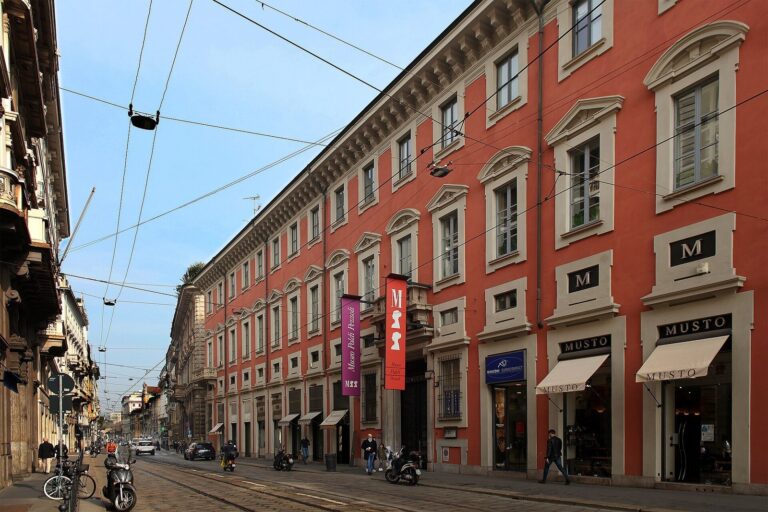
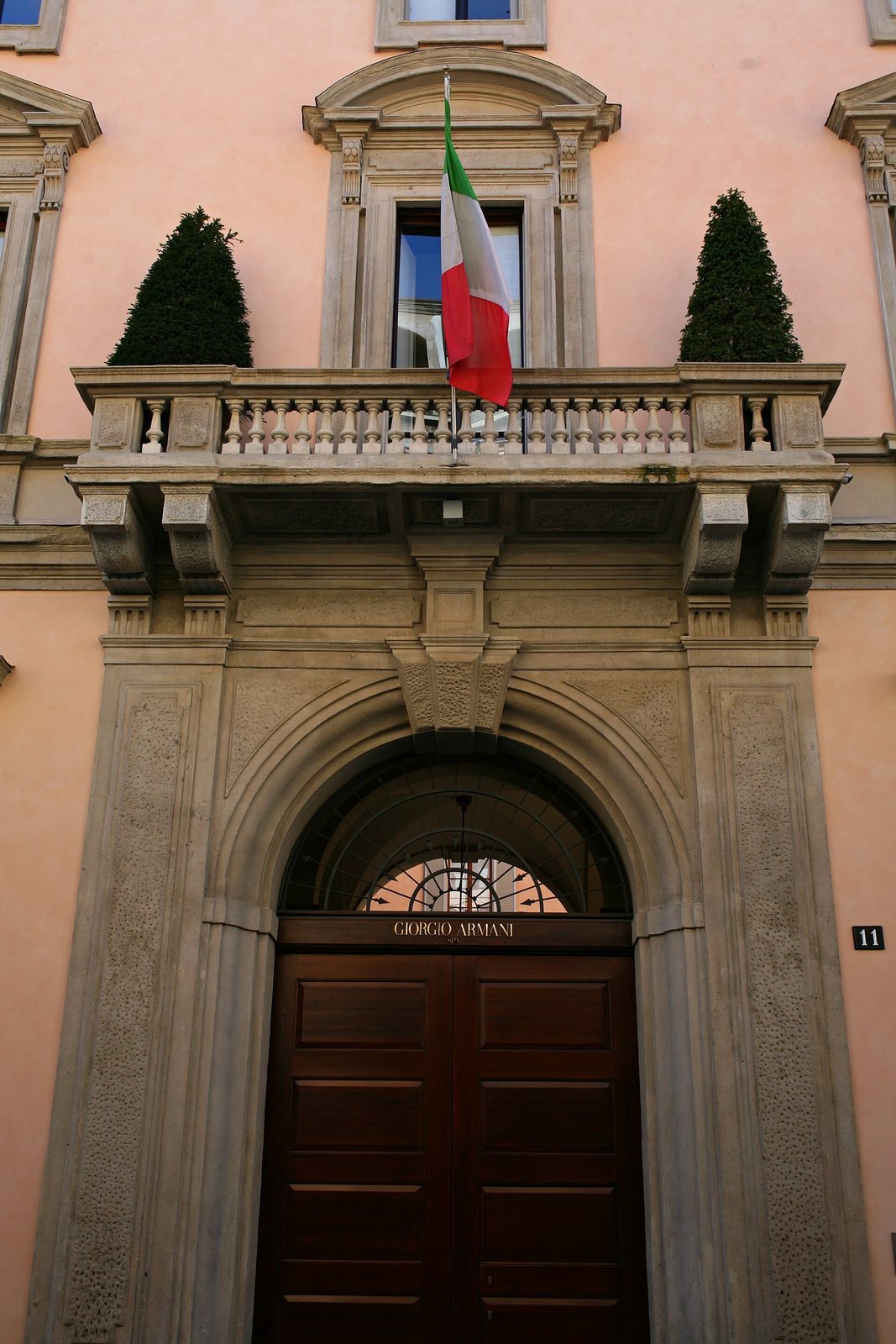
Palazzo Orsini now houses Giorgio Armani S.p.A., which also owns the building.
Remains
The palace’s late-17th-century layout is organized around a principal courtyard, with two service courtyards arranged symmetrically around it. Its present façade and decorated interiors reflect later phases of design and completion.
Courtyards
The courtyard group comprises a principal courtyard and two service courtyards, all dating to the late 17th century. The service courts are positioned symmetrically around the principal one.
Facade
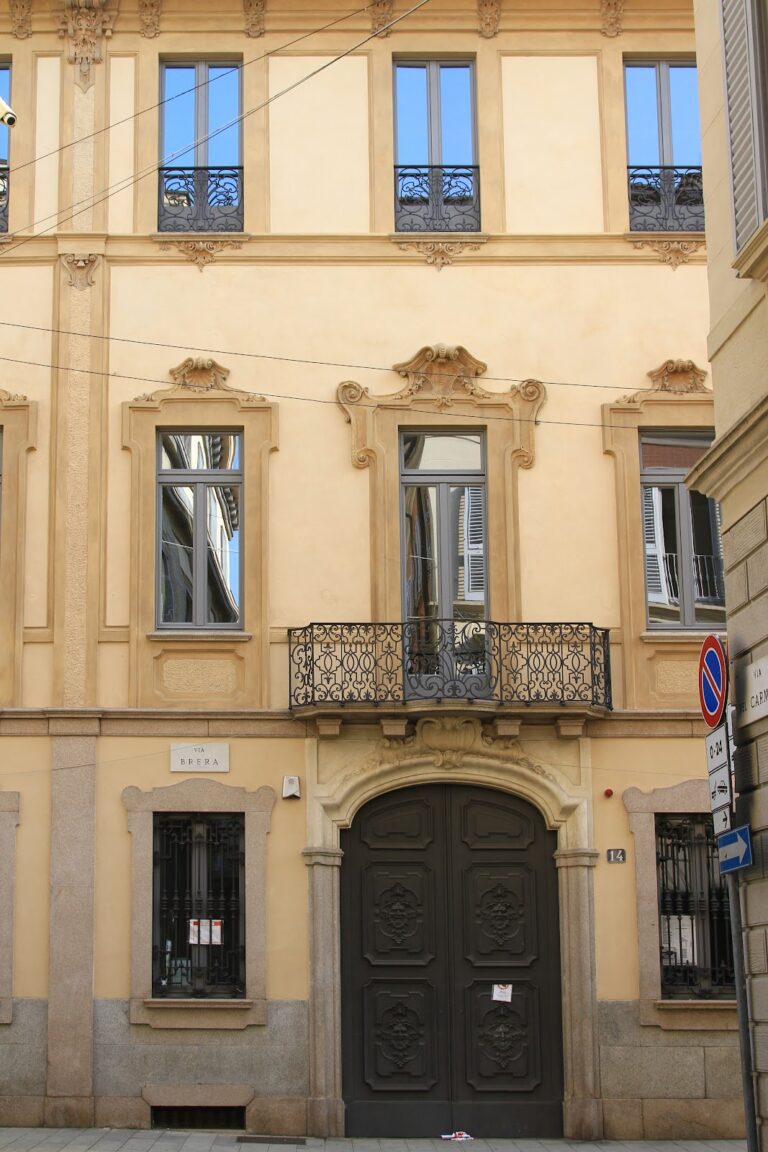
The façade’s present arrangement dates to the mid-19th century and was designed by Luigi Clerichetti.
Interiors and staircase
Luigi Canonica designed and decorated the interiors and grand staircase. The interior decoration includes frescoes by Giovanni Antonio Cucchi, an 18th-century painter, and Andrea Appiani, a Neoclassical painter.