Saheb Qaraniyeh Palace: A Qajar Royal Residence in Tehran
Site at a Glance
- Rating
- 4.5
- Popularity
- Medium
- Country
- Iran
- Primary era
- Modern
- Eras represented
- Modern
- Civilizations
- Qajar
- Site type
- Domestic
- Remains
- Palace
On this page4 sections
History
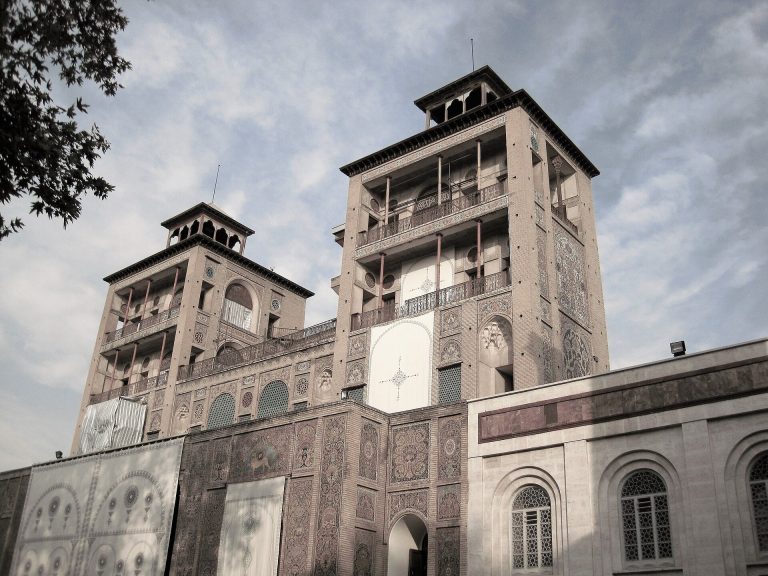
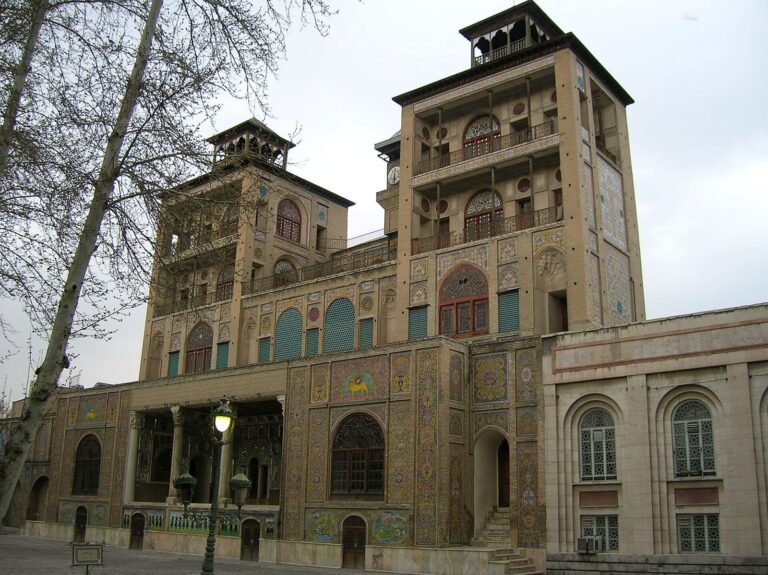
Saheb Qaraniyeh Palace is a Qajar-style royal residence in Tehran, Iran, built in 1850 on the orders of Naser ed-Din Shah Qajar. The Qajar dynasty ruled Iran from 1789 to 1925. Naser ed-Din adopted Sahebgharan, an honorific title, in the 39th year of his reign, and the palace took its name from it. It is also known as Jahan Nama Palace.
Political events at the palace
On 28 May 1901, Mozaffar ad-Din Shah Qajar signed the D’Arcy Concession at the palace. The agreement granted William Knox D’Arcy rights to explore for oil in Iran. On 5 August 1906, Mozaffar ad-Din Shah issued a firman, or ruler’s decree, there proclaiming constitutional monarchy, a system in which a monarch’s authority is limited by constitutional rules.
Pahlavi era and later history
The palace was added to Iran’s National Heritage List in 1956. During the Pahlavi era, a planned wedding for Egyptian princess Fawzia and Mohammad Reza Pahlavi was cancelled because of cold weather. The palace also served as the Shah’s working office for several years before the 1979 Iranian Revolution, which ended Pahlavi rule. Farah Pahlavi later ordered extensive remodeling.
Remains
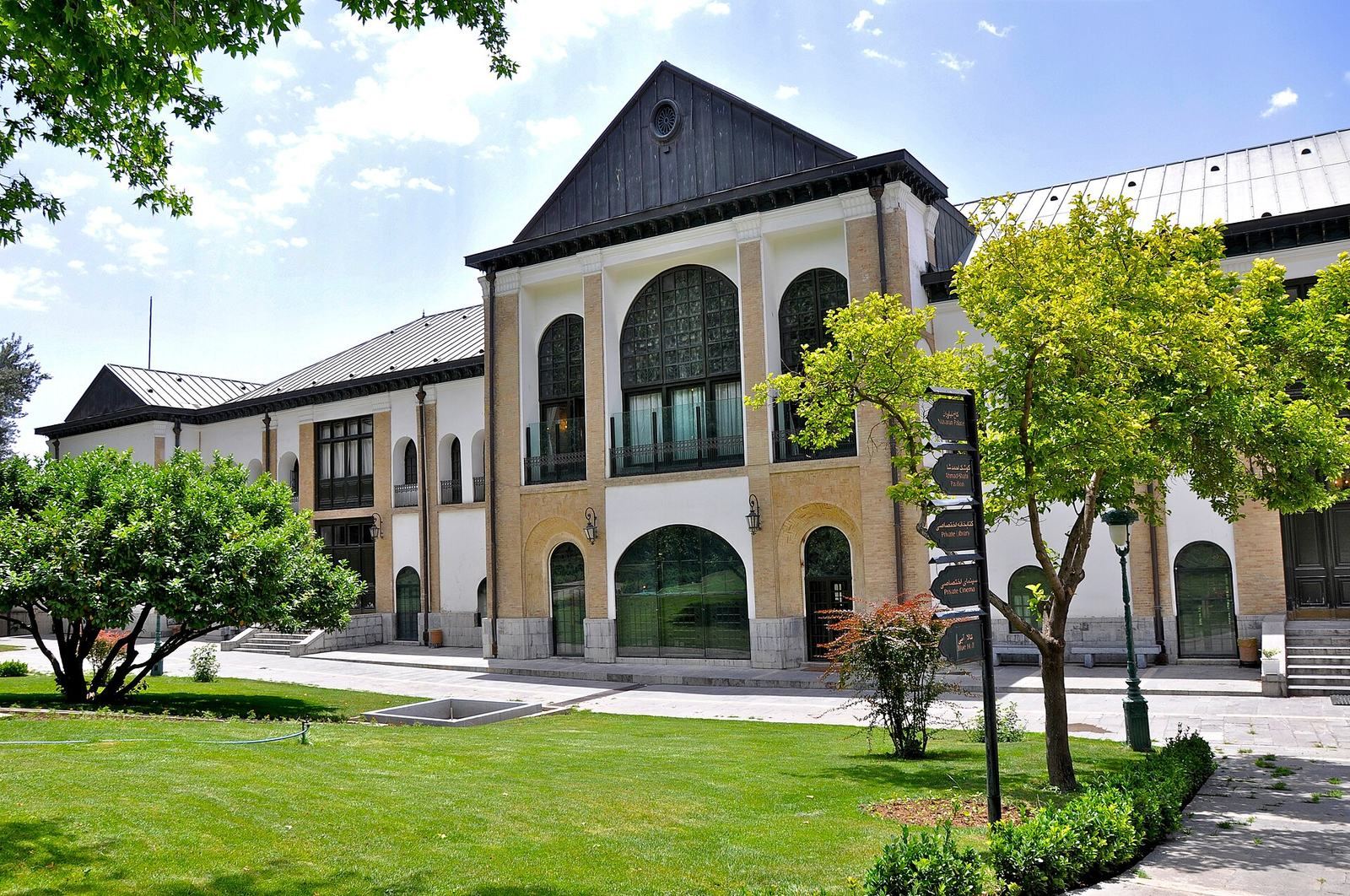
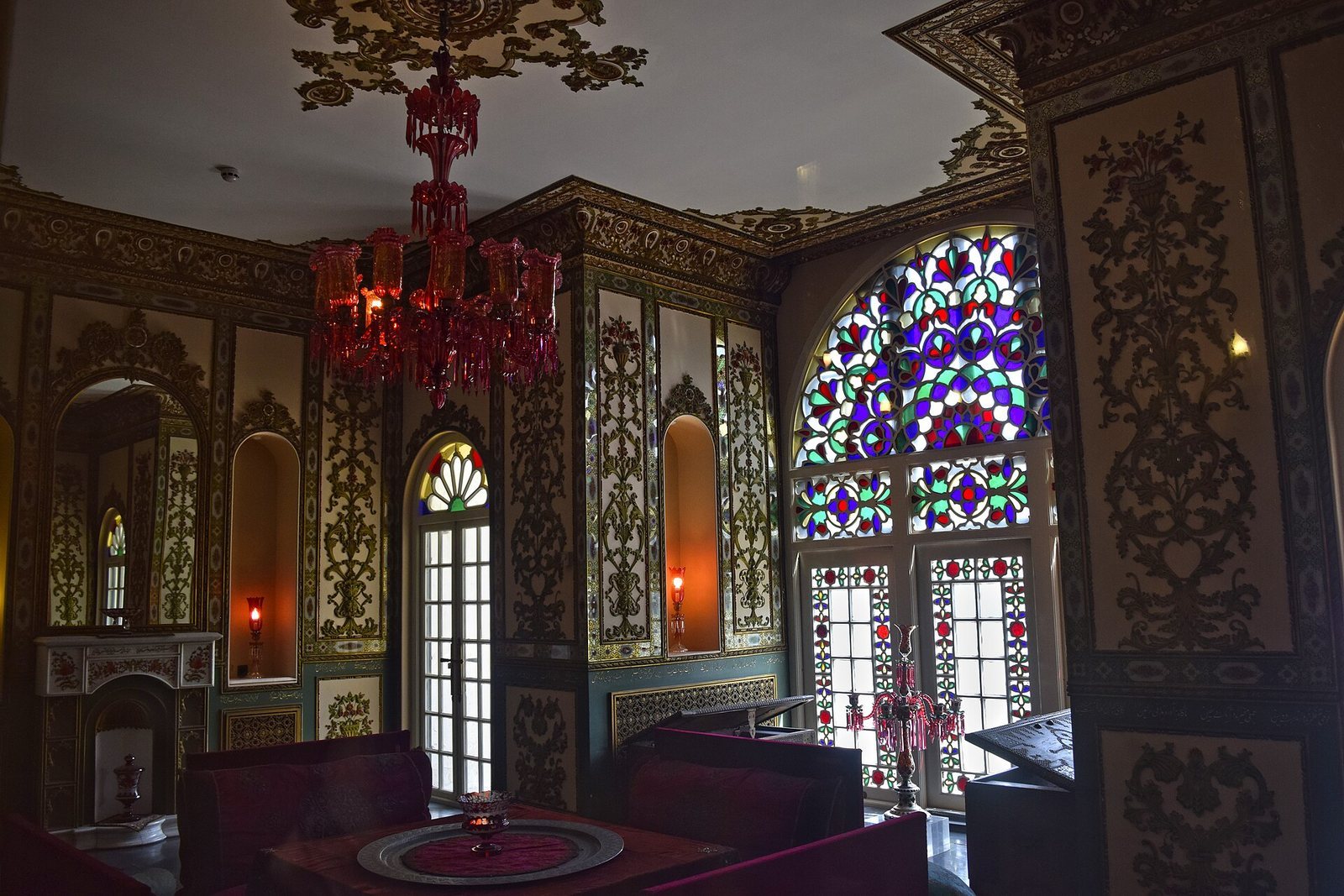
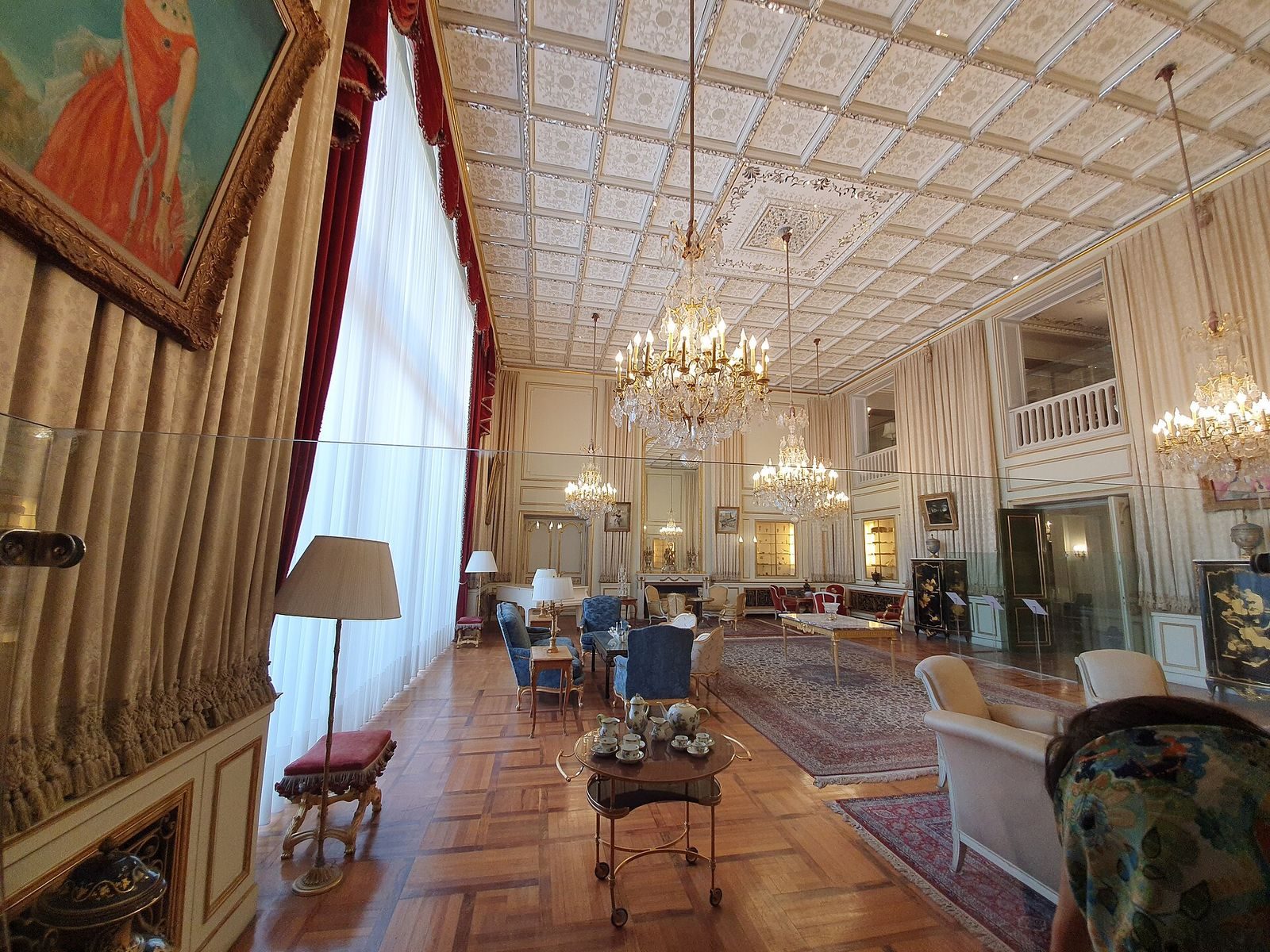
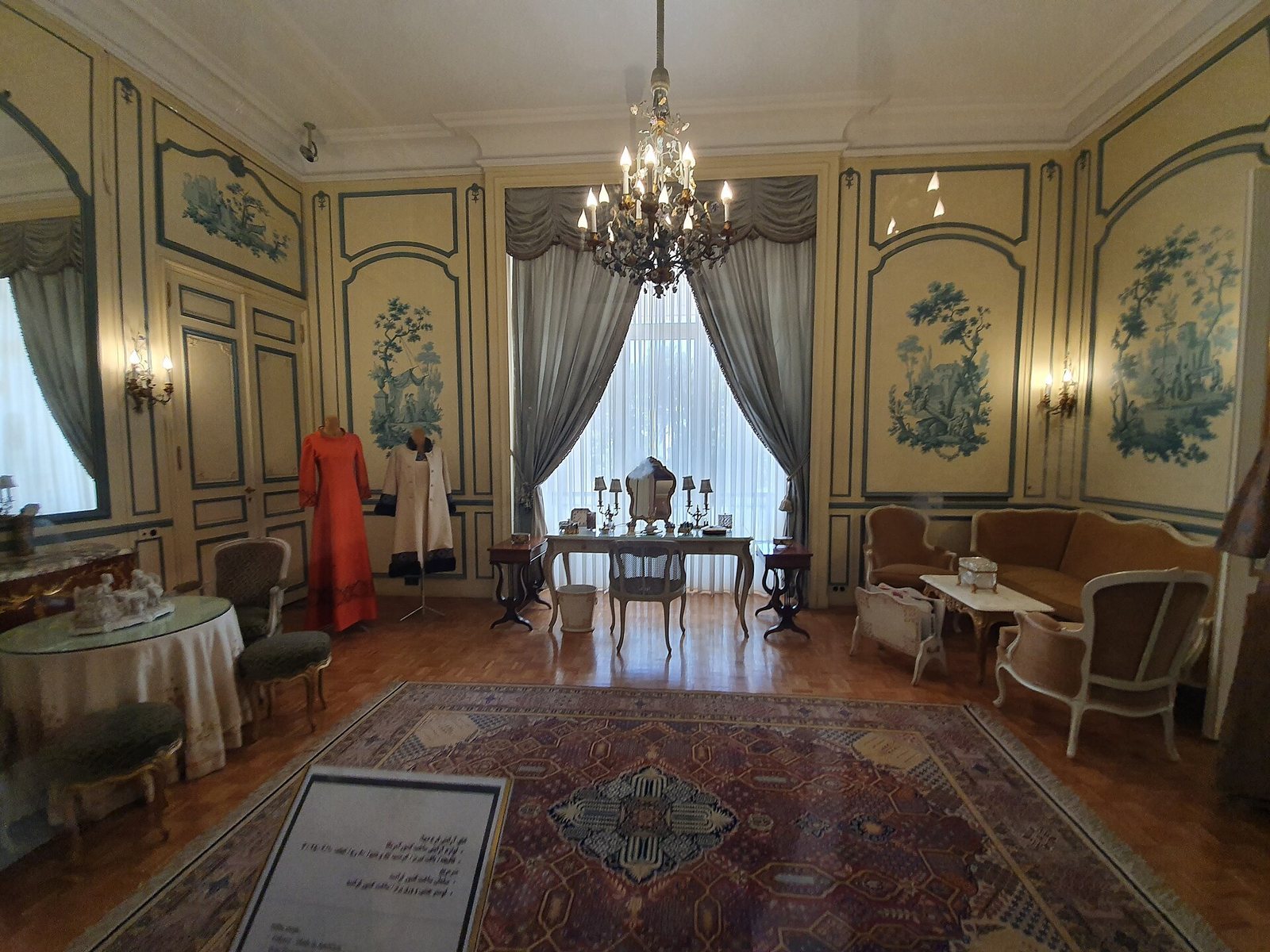
Located within Tehran’s Niavaran complex beside Niavaran Garden, the palace is one of the complex’s few Qajar-era buildings. The two-storey building combines representative and residential functions. Its rooms included a bath and accommodation for 40 of Naser ed-Din Shah’s wives. The palace now functions as a museum, with exhibits about the royal family’s daily life and photographs from the reign of the last Shah.