Palazzo Falier: A Venetian Residential Palace
Site at a Glance
- Popularity
- Medium
- Country
- Italy
- Primary era
- Medieval
- Eras represented
- Medieval
- Civilizations
- Venetian
- Site type
- Domestic
- Remains
- Elite Residence
On this page6 sections
History
Palazzo Falier is a residential palace in the Cannaregio district of Venice, Italy. Its earliest form dates to the 11th century, and it is considered one of the city’s oldest surviving buildings. After a fire destroyed the palace, it was rebuilt in 1105.
The building underwent numerous later alterations that changed parts of its structure. It is particularly associated with Marino Faliero, who lived there and became the 55th doge, the chief magistrate of the Venetian Republic. He was executed in 1355 for attempting a coup. The palace’s first floor is now used by a hotel business.
Remains
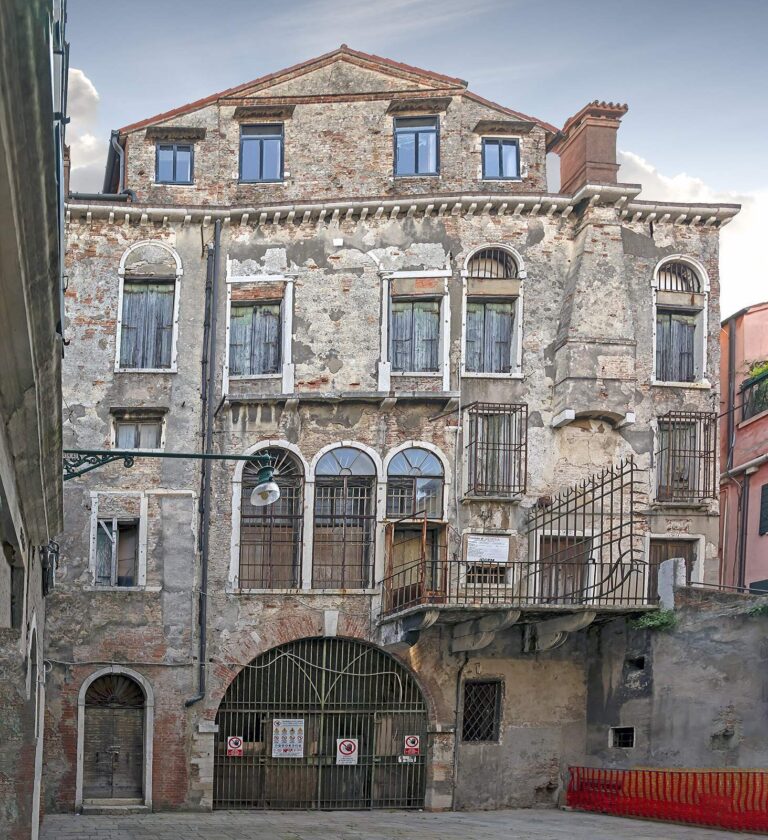
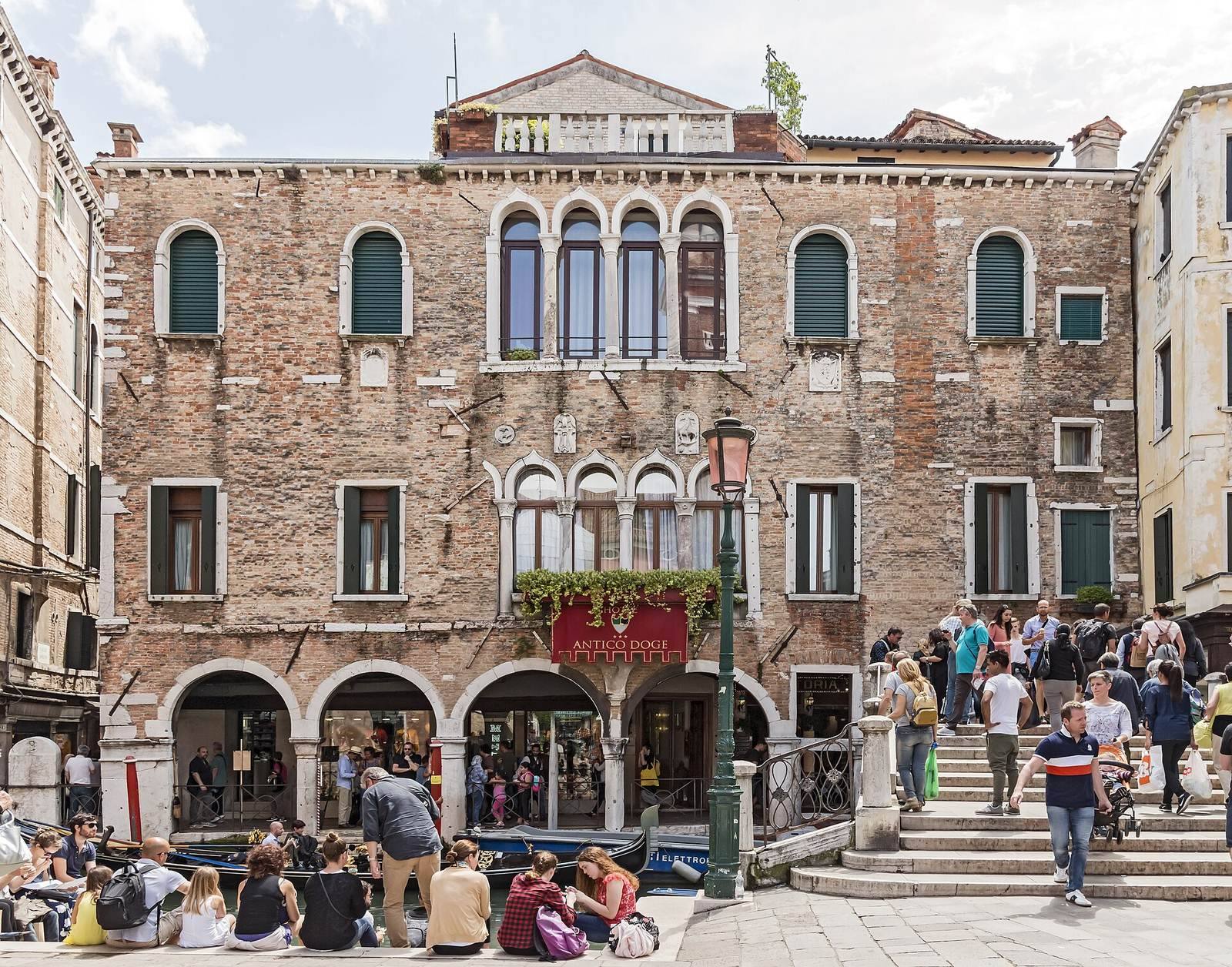
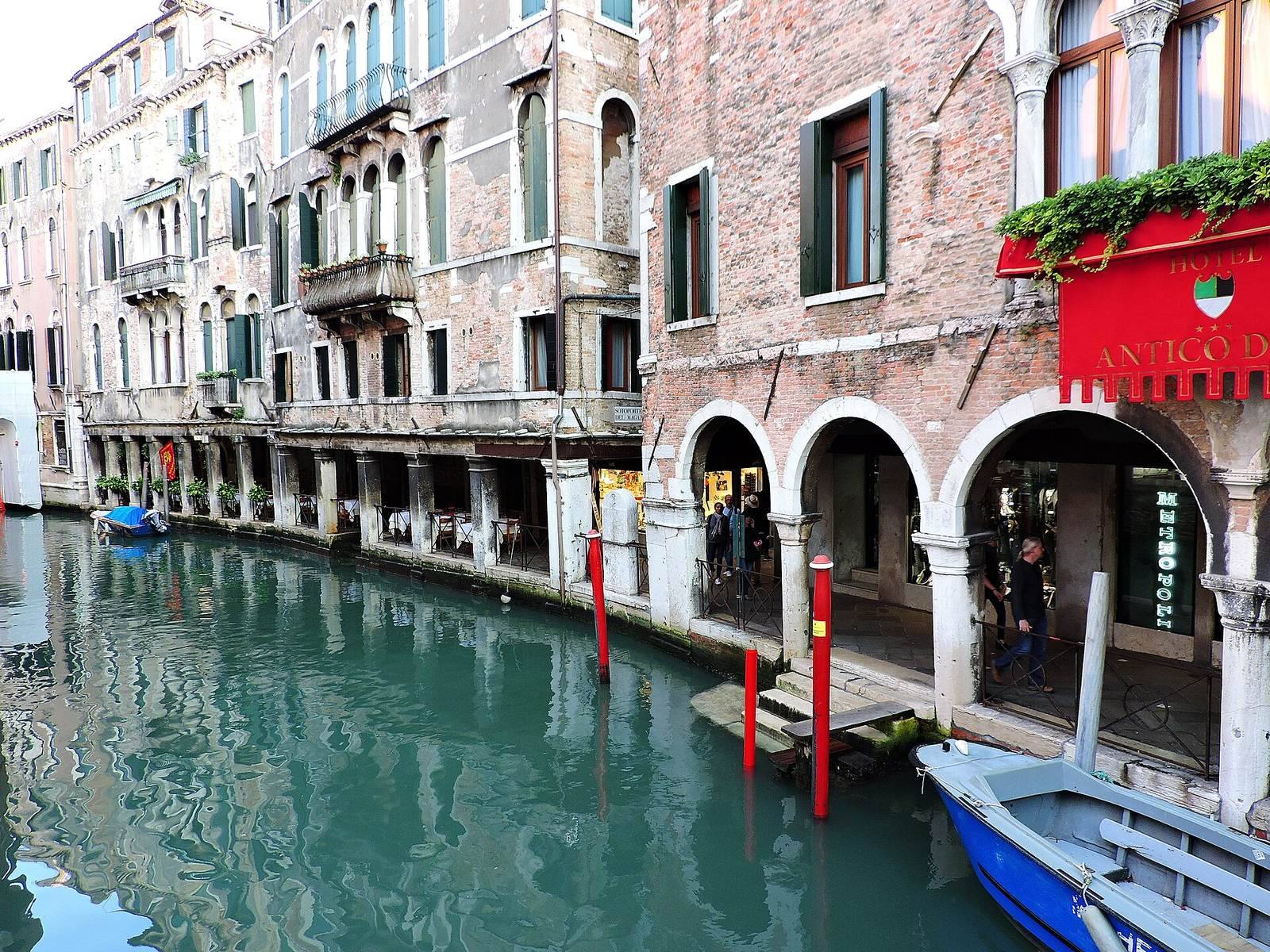
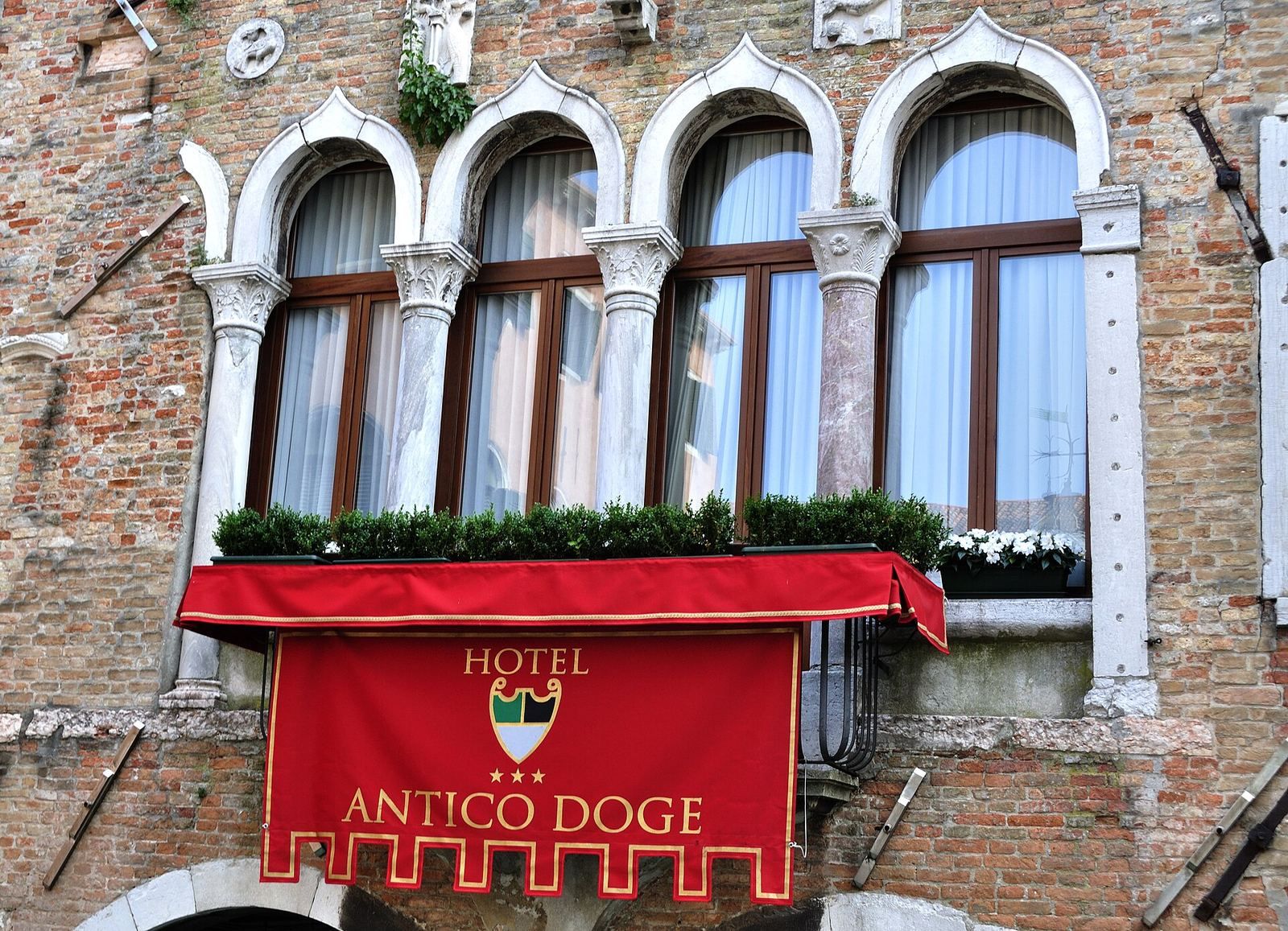
The three-storey palace has Venetian architecture influenced by traditions of the Byzantine Empire. Its façade faces an open square and rises above an arcade of six arches that runs parallel to a canal.
Palace exterior
Arched base
The six arches form the base of the building and extend along the canal-facing side, placing the palace above an open arcade.
Windows
Two multi-opening windows are set on projecting supports and arranged one above the other with some irregularity. On the two upper, or principal, floors, the windows have four openings; they were originally divided into five, with the leftmost arches later bricked up. Paired single-opening windows sit beside the multi-opening windows.
Façade decoration
The largely monochrome façade is ornamented with two panels, two circular decorations, and two Gothic shields dating to the 13th and 15th centuries.