Nieuw-Amelisweerd: A Medieval Fortified House Rebuilt as a Country House
Site at a Glance
- Popularity
- Medium
- Country
- Netherlands
- Primary era
- Early Modern
- Eras represented
- Early Modern
- Civilizations
- Dutch
- Site type
- Domestic
- Remains
- Elite Residence
On this page6 sections
History
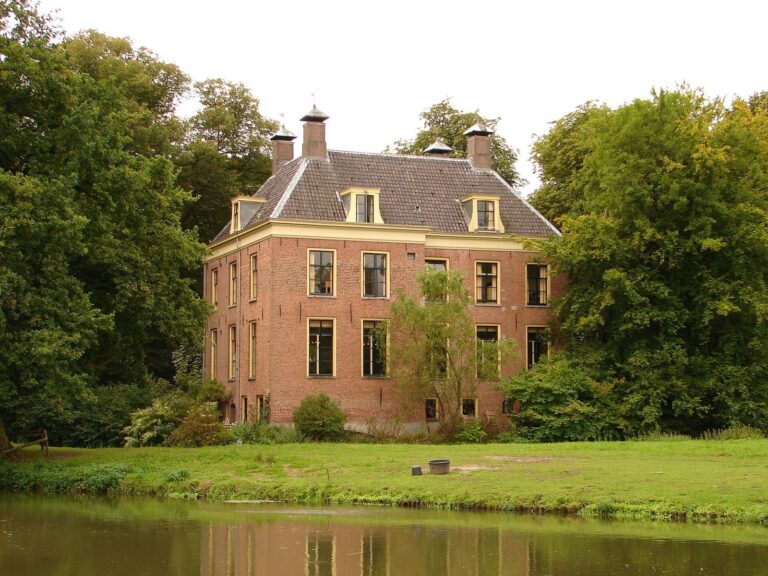
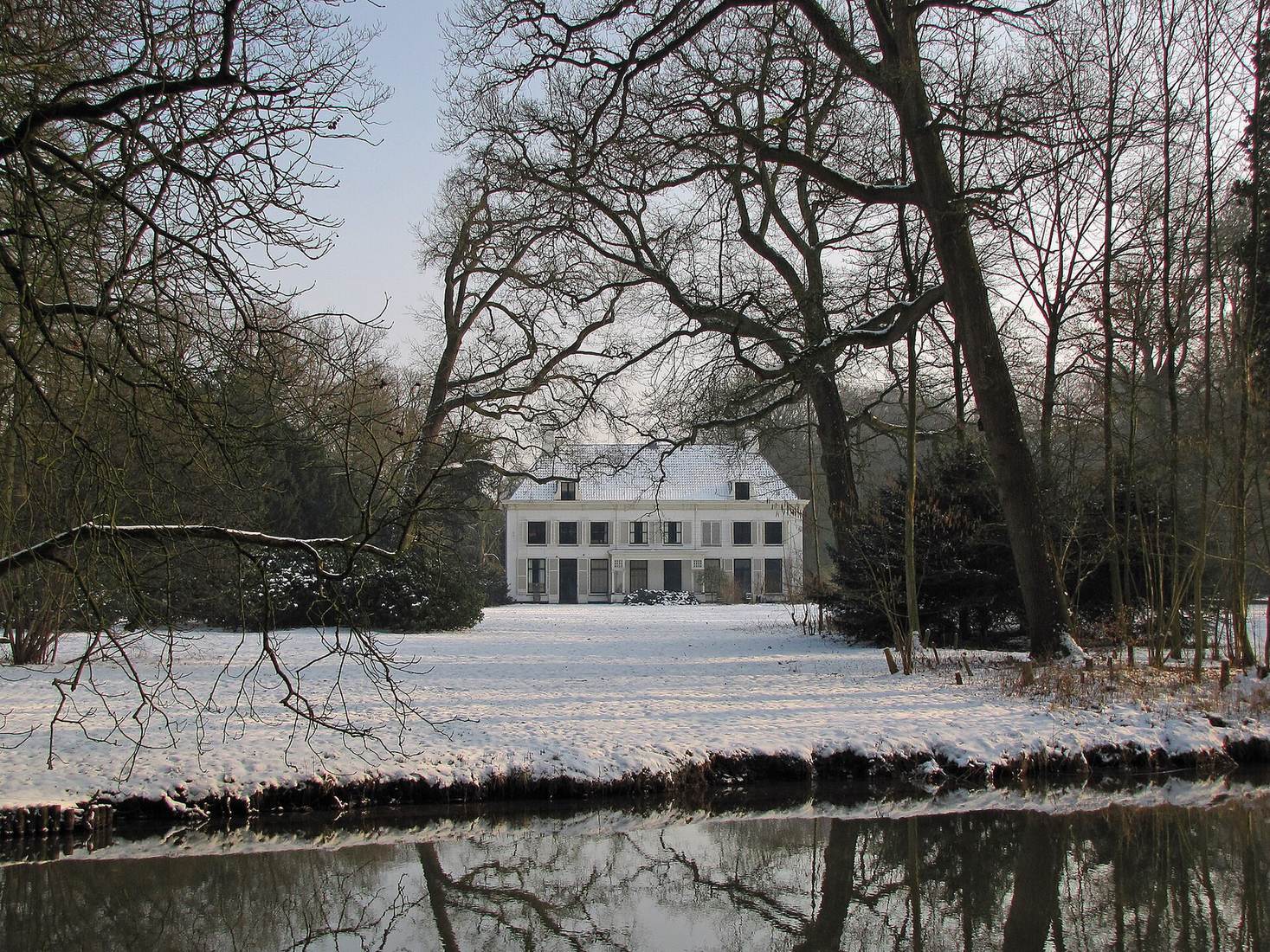
Nieuw-Amelisweerd is a former fortified house, now a country house, near Bunnik in the Netherlands. Its medieval castle dates to the 14th century, but the estate’s origins reach back to 1224, when the knight Amelius uten Werde received river land as a feudal holding and established a ridderhofstad, a fortified manor recognized as a seat of Utrecht’s nobility.
Medieval estate and fortified house
Amelius received the land from the chapter of Oudmunster, a medieval Utrecht clerical institution that held land. The name Amelisweerd developed from a phrase meaning Amelius’s riverine tract. After Amelius died, his sons divided the estate into three parts. Two became Oud-Amelisweerd, while the third became Nieuw-Amelisweerd.
The castle was first recorded in 1350 as Groenewoude. Around 1389, Ernst van Groenewoude was named as the heir to this part of the lordship and its fortified house. The property later passed through inheritance to the van Leeuwenberg family. In 1538, the States of Utrecht, the province’s governing assembly, confirmed its status as a ridderhofstad.
Rebuilding and later ownership
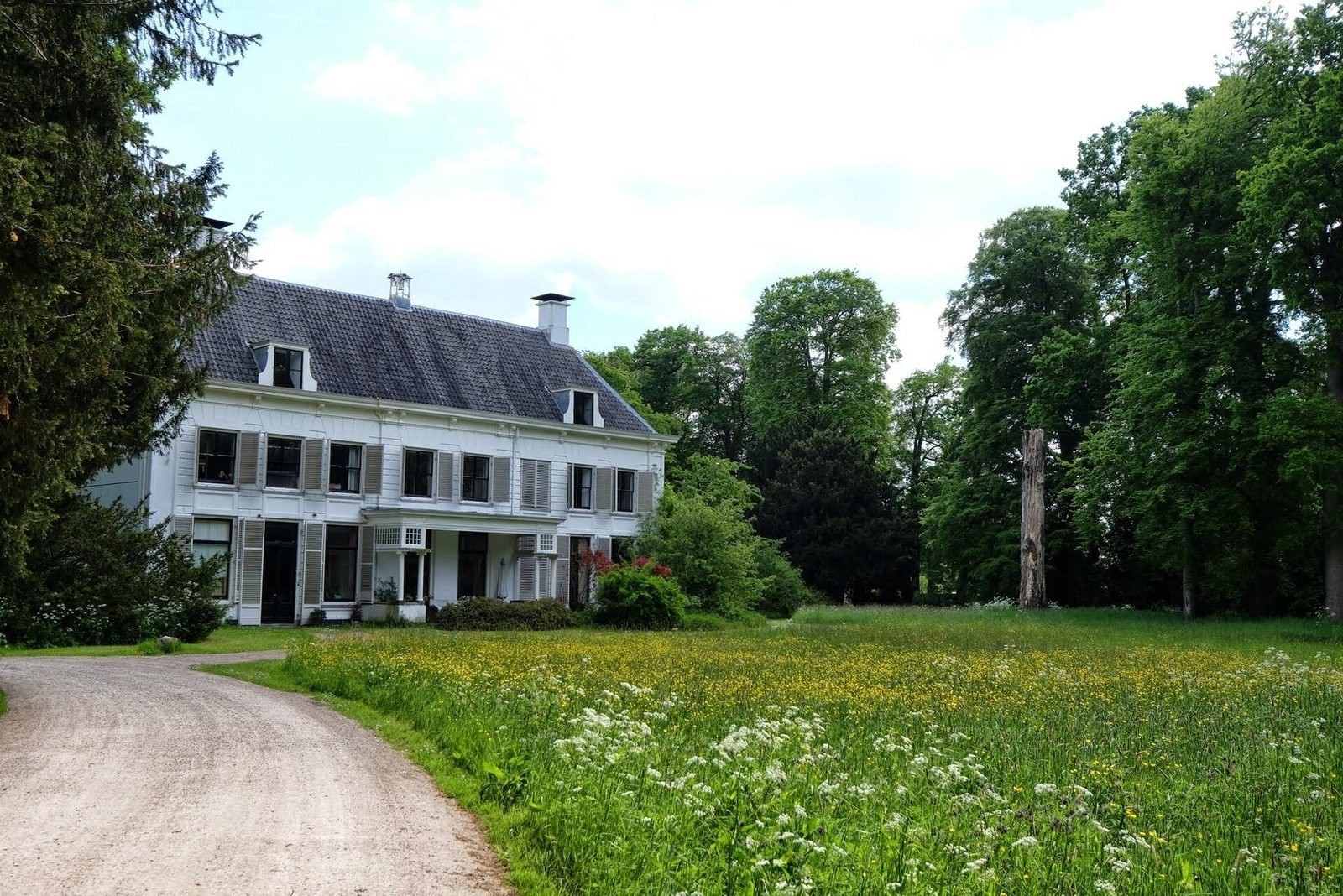
The house suffered heavy damage in 1672, the Dutch Republic’s Disaster Year, when invasions coincided with a major political crisis. Hendrik van Utenhove acquired the estate in 1682, demolished the medieval house, and built the present country house.
Maximiliaan Louis van Utenhove sold the estate to Louis Napoleon in 1808. Napoleon Bonaparte’s younger brother and king of Holland from 1806 to 1810, Louis Napoleon planned to live at Oud-Amelisweerd and accommodate his officers at Nieuw-Amelisweerd. These plans were largely unrealized, and he sold Nieuw-Amelisweerd in 1810 to Jan Pieter van Wickevoort Crommelin, a state councillor and chancellor of the Kingdom of Holland. Crommelin sold it the following year to Paulus Wilhelmus Bosch van Drakesteyn, mayor of Utrecht.
Municipal ownership and restoration
Bosch van Drakesteyn’s heirs sold the property to the municipality of Utrecht in 1964. Squatters occupied the house in 1971. At the initiative of the original occupiers, it was restored in 1984. The house remains inhabited and is divided into 17 apartments. Nieuw-Amelisweerd is designated a national monument.
Remains
House and estate grounds
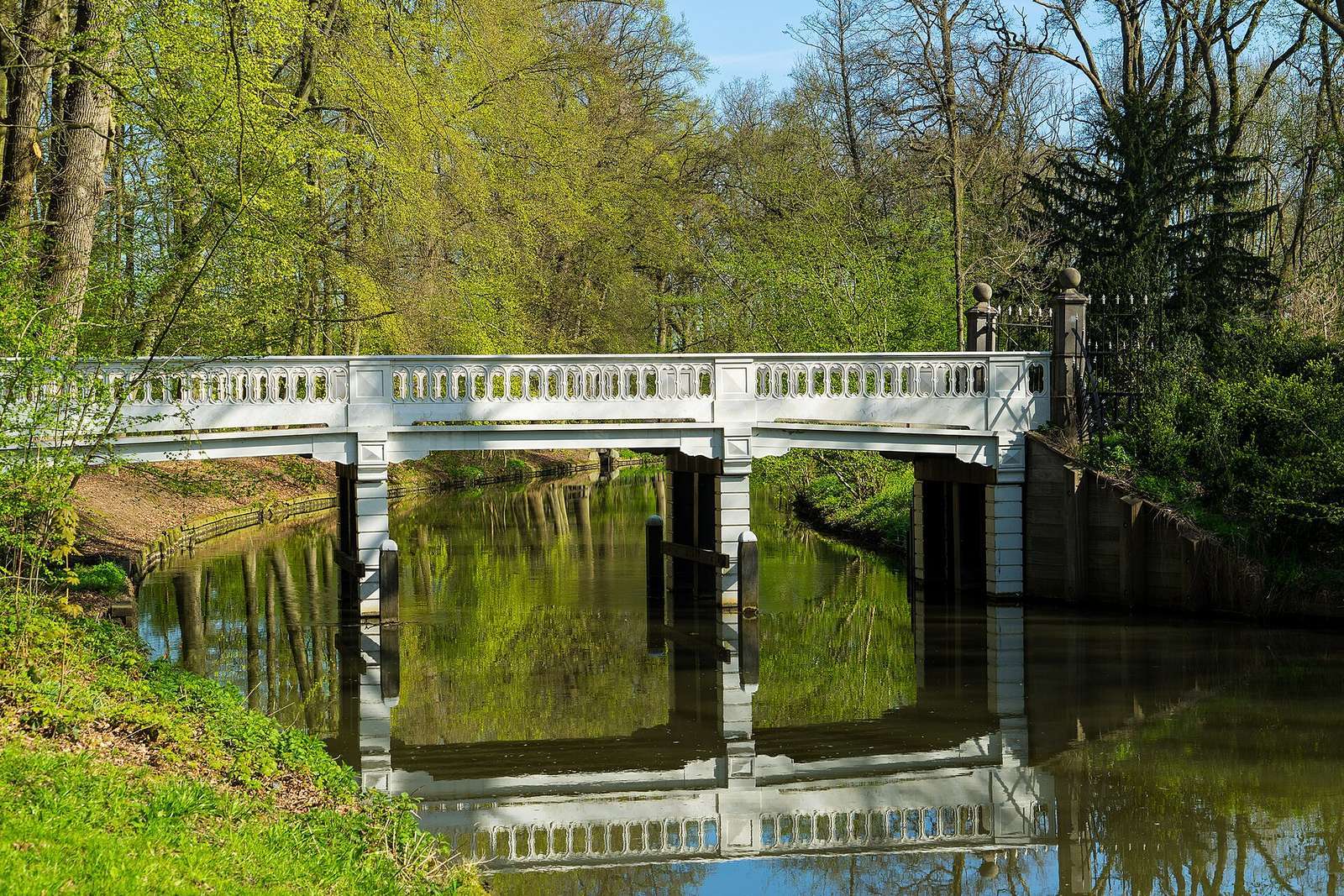
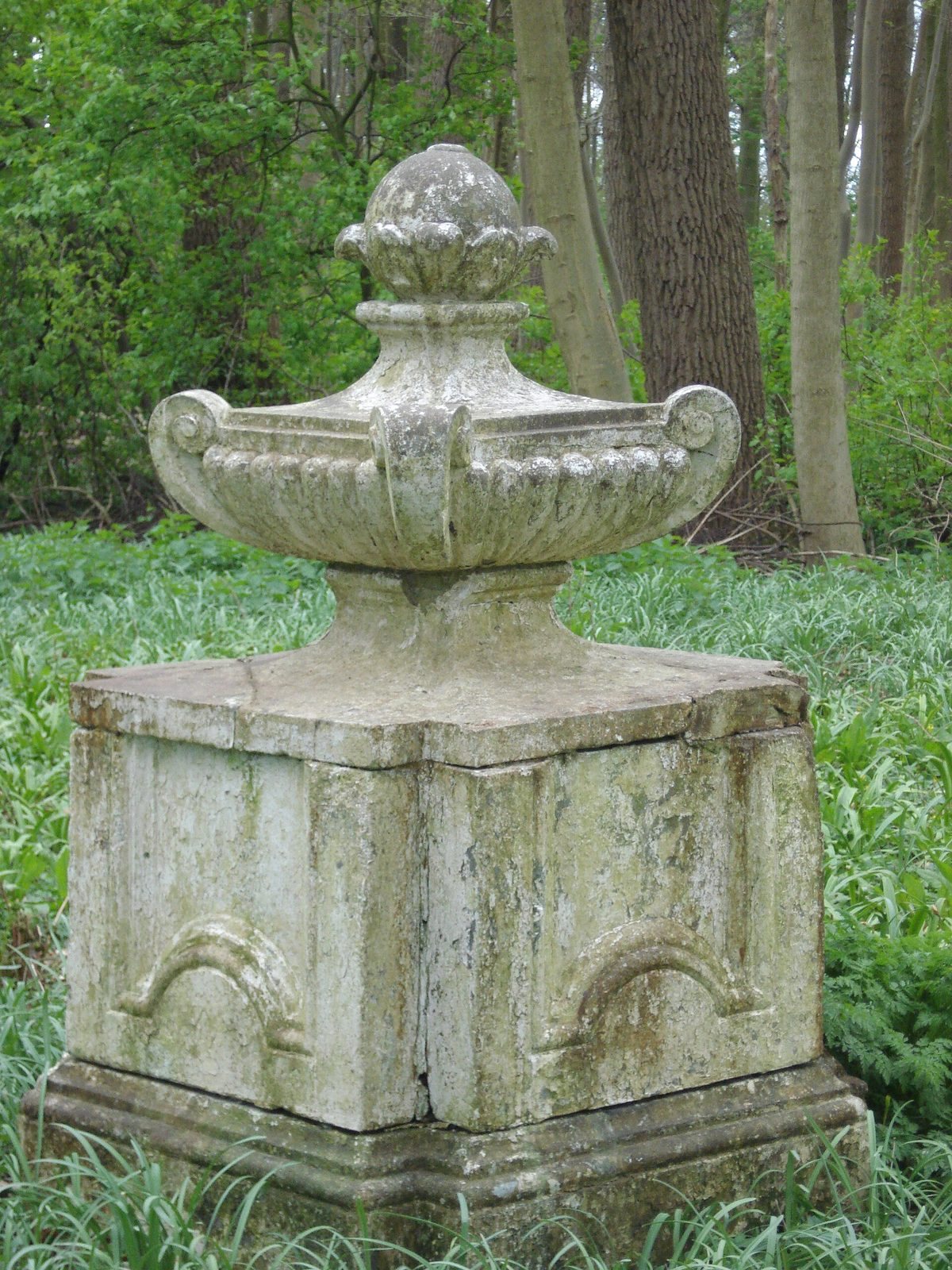
The property includes the country house within the Amelisweerd estate, together with its garden and park layout. Associated features include a coach house that also served as a gardener’s dwelling, a small shed, a garden wall, and a bridge with piers. The grounds also include garden vases and a pedestal, as well as a column on a pedestal.