Haus Wohnung: A Water Castle and Manor in Voerde
Site at a Glance
- Rating
- 4.5
- Popularity
- Medium
- Country
- Germany
- Primary era
- Medieval
- Eras represented
- Medieval, Early Modern
- Civilizations
- Duchy of Cleves, Holy Roman Empire
- Site type
- Domestic
- Remains
- Castle
On this page6 sections
History
Haus Wohnung is a water castle, a residence associated with water defenses such as a moat, in Voerde, Germany. It originated in the early 14th century and later acquired Baroque additions, in a European architectural style prominent in the 17th century.
Early castle and changing ownership
The estate’s name comes from Arnd van der Wonyngen, its earliest known owner. Over time, the family name Wonyngen developed into Wohnung. The castle was first mentioned in 1327, while the watermill appears in a record from 1478.
In the mid-15th century, an heiress from the Wonyngen family married Johann von der Capellen, and the estate passed to him. His family, originally from Wesel, retained it until 1608. That year, another heiress, Sophie von der Capellen, brought the estate through marriage to Johann van Doornick of Amersfoort. In 1765, it passed through a further marriage to Adolf von Nagel zu Vornholz.
Baroque expansion and later history
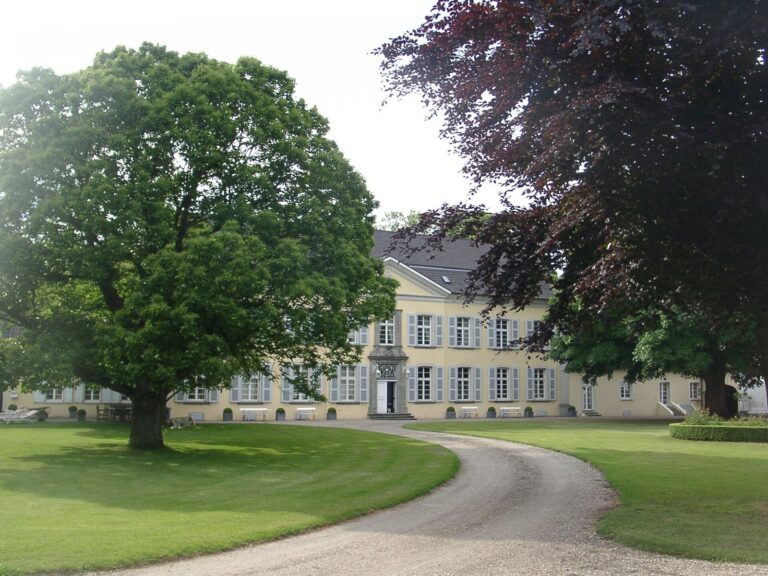
By the 17th century, parts of the manor had been destroyed. The van Doornick family enlarged the property as a Baroque castle, adding two towers on its southern side and laying out a pleasure garden.
The estate was sold to Thyssen Gas and Water Works in 1937. Artillery fire during the Second World War destroyed the western tower. In 2007 the property belonged to STEAG AG, now known as Evonik Steag GmbH.
Remains
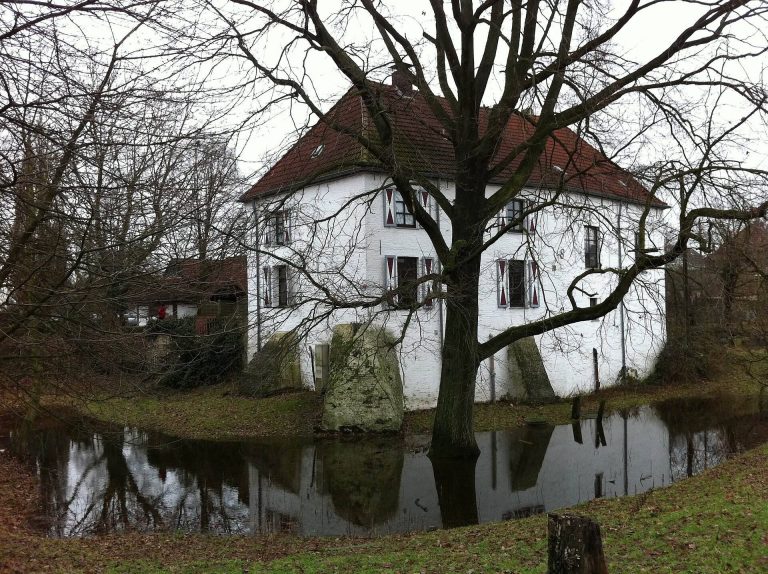
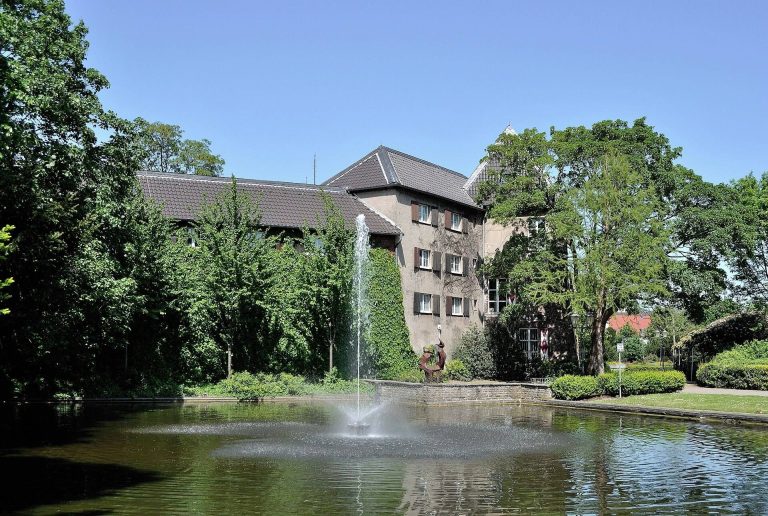
The surviving complex brings together a manor house and a watermill in a park, with visible traces of the moat that once formed part of its water defenses.
Manor house and towers
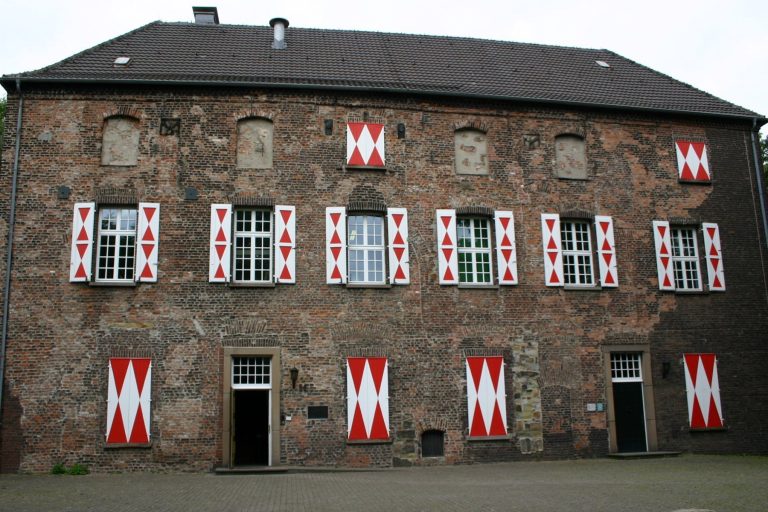
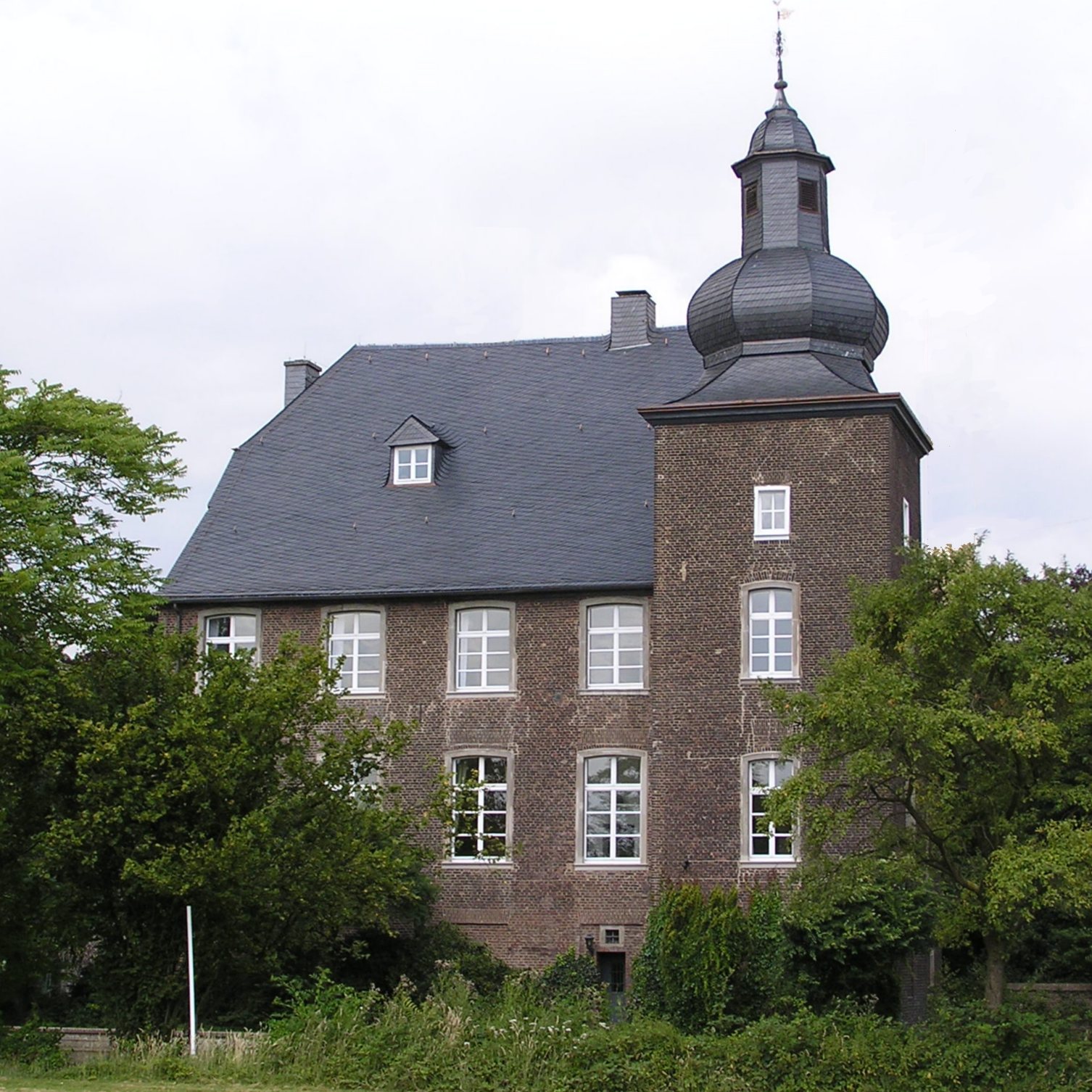
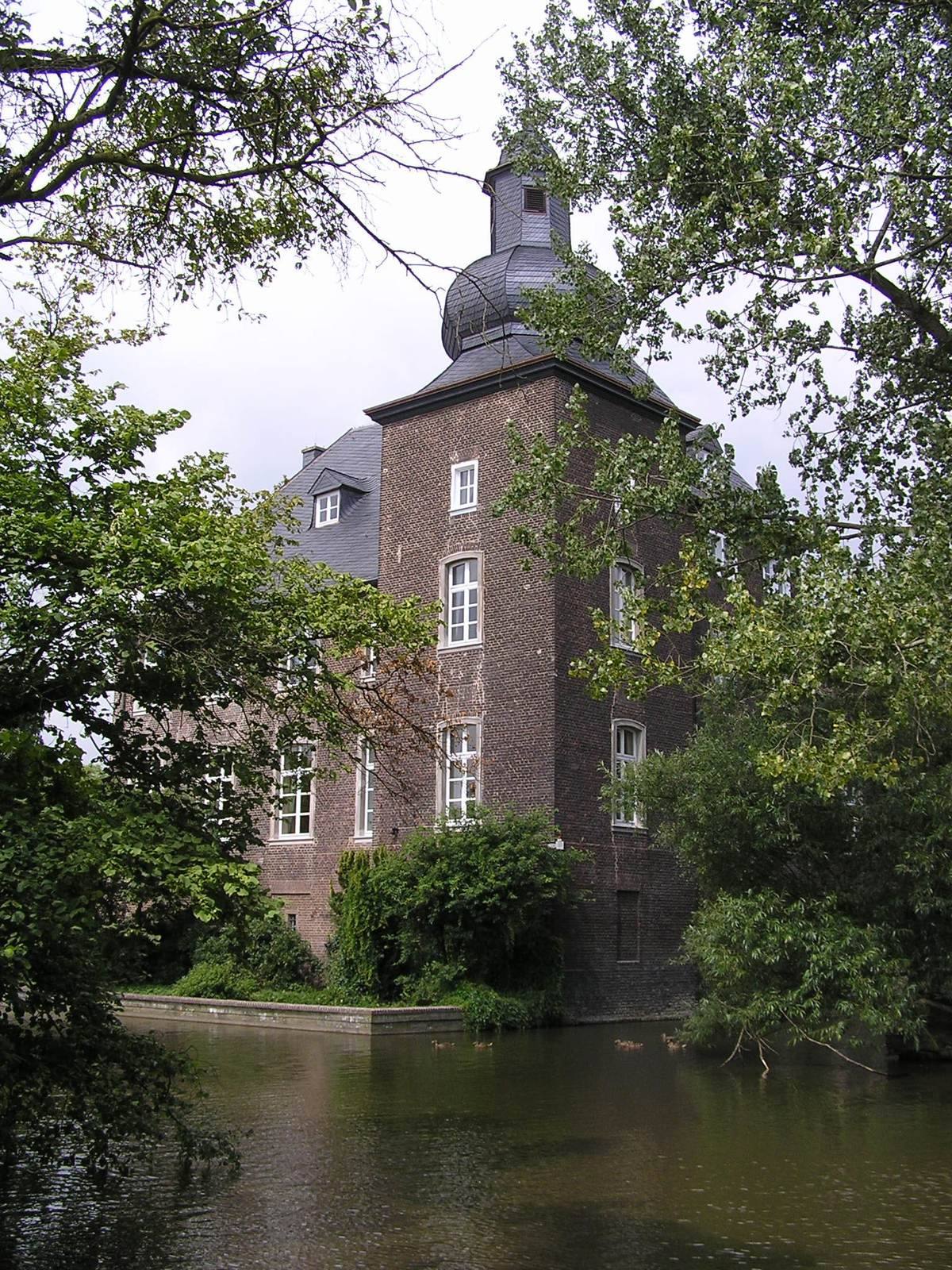
The manor house is three storeys high, with a substantial central block built of brick. One of the two towers on the southern side survives beside the house, capped by a slate roof with a rounded, bulbous shape. The western tower is lost, while the surviving buildings largely retain their historic fabric.
Watermill and park
The watermill remains part of the estate and continues to operate after later alterations. The park surrounds the complex, and remnants of the moat remain visible.