Nogent-le-Roi Castle: A Medieval Fortress and Nineteenth-Century Château
Site at a Glance
- Rating
- 4.3
- Popularity
- Medium
- Country
- France
- Primary era
- Modern
- Eras represented
- Medieval, Modern
- Civilizations
- French
- Site type
- Domestic
- Remains
- Castle
On this page6 sections
History
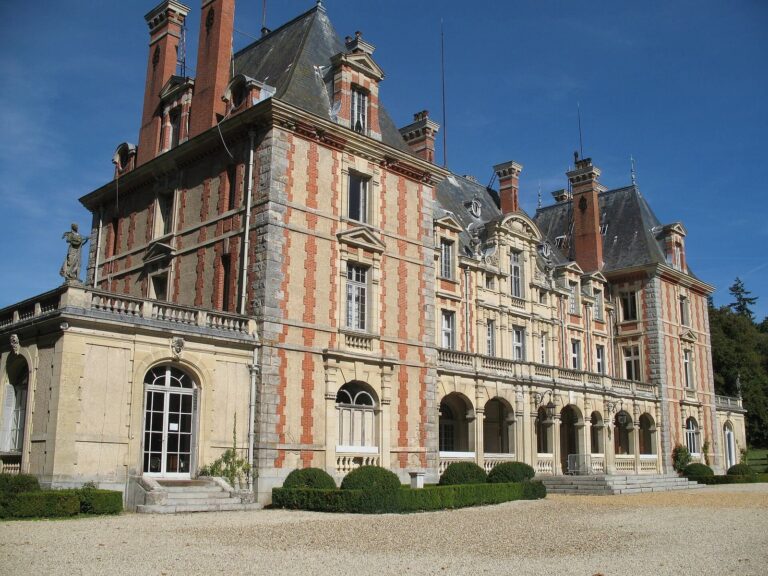
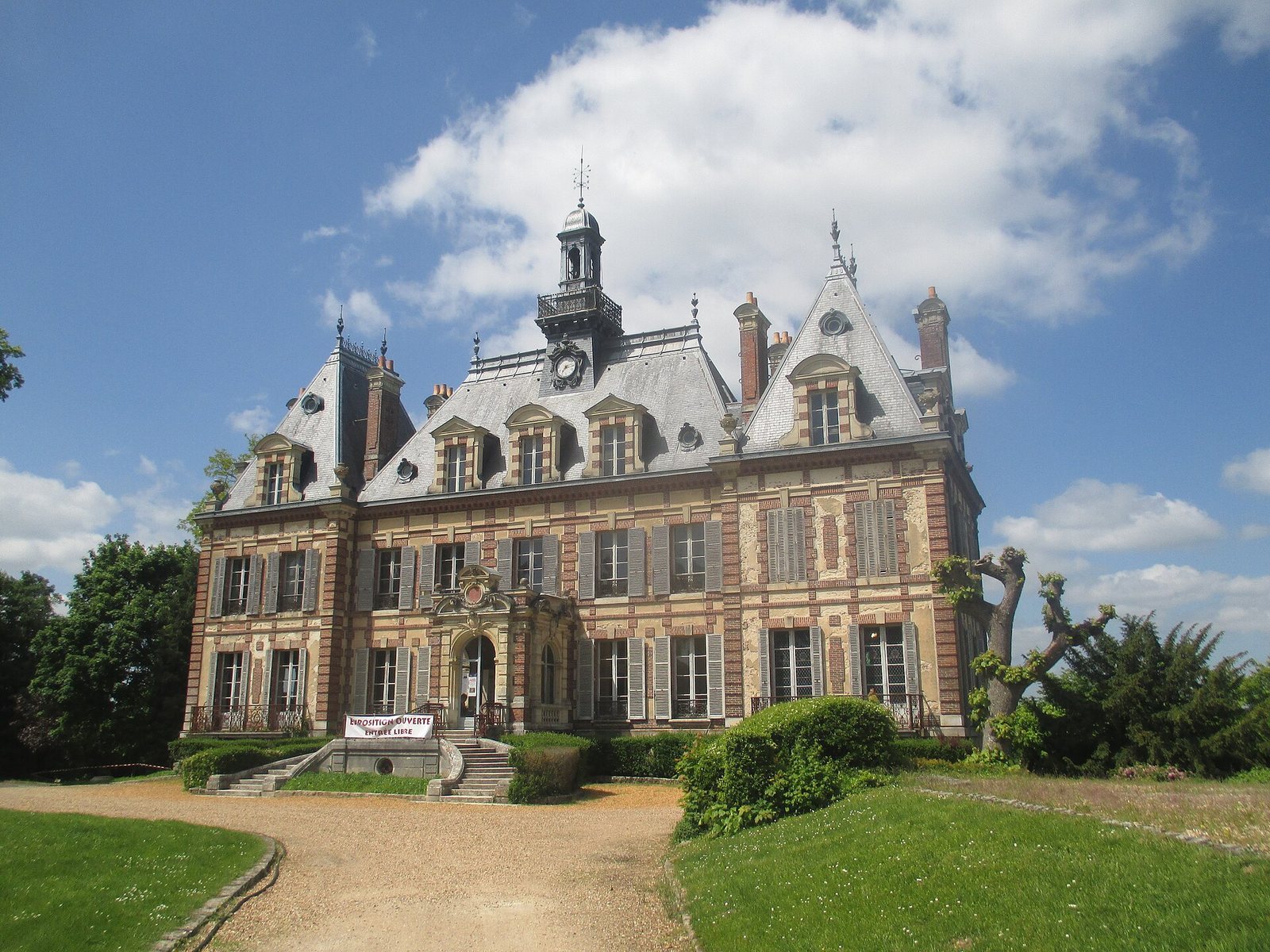
Nogent-le-Roi Castle is a fortified site in France. An earlier castle stood there when Pierre de Brézé built a fortified stronghold in the mid-15th century, after Charles VII granted him the lordship. Alfred Chapelain built the present château in 1863 in the neo-Louis XIII style, a revival drawing on French architecture associated with Louis XIII’s reign (1610–1643).
The medieval fortress and its destruction
The medieval castle was destroyed during the French Revolution, the period of political upheaval in France from 1789 to 1799. On 29 November 1796, Laurent Morin, an architect in Chartres, bought the property from the Eure-et-Loir department. Morin had demolished most of the castle. The sale deed described the former castle of Nogent-le-Roulebois as retaining only the floor above ground level and the cellars below.
On 18 August 1798, Morin sold the property for 12,000 francs to Paris merchant Armand Pierre Claude Emmanuel Testu and Jacques Michel Vallou, who lived at Mérantais in the commune of Magny-les-Hameaux.
The nineteenth-century château and later use
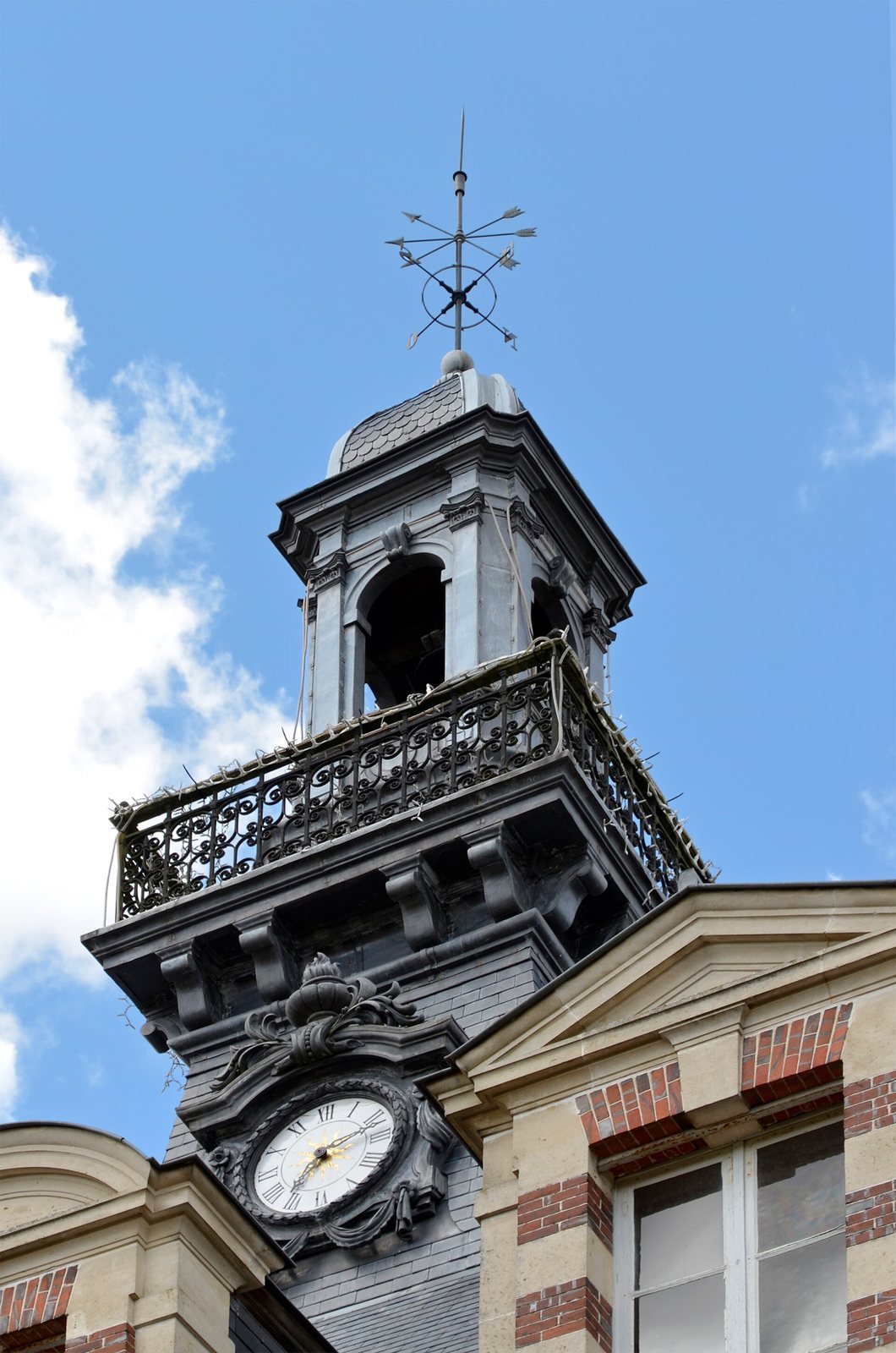
Alfred Chapelain built the present château in 1863. The commune now owns it, and the building is used for exhibitions. Since 1993, the medieval fortress remains and the park’s wind pump have been listed as historic monuments.
Remains
The surviving site includes fragments of the medieval fortress, the nineteenth-century château and a wind pump in the park. These remains represent distinct phases of construction and use.
Medieval fortifications
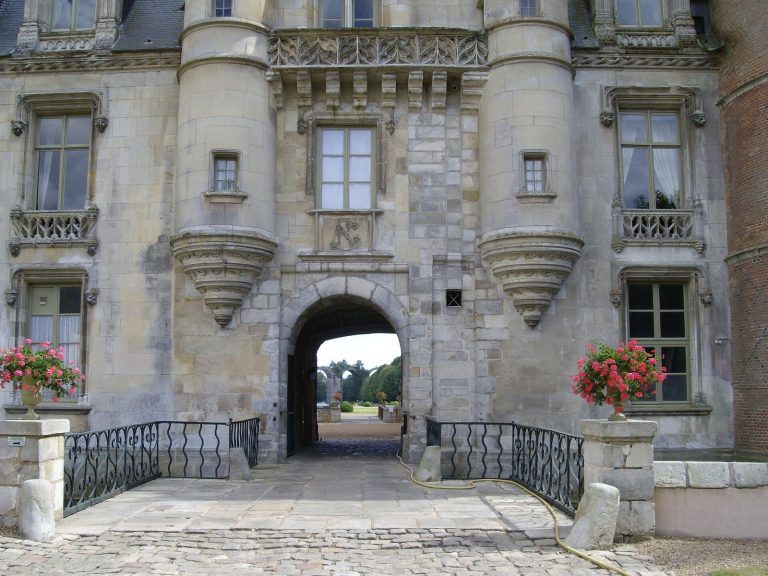
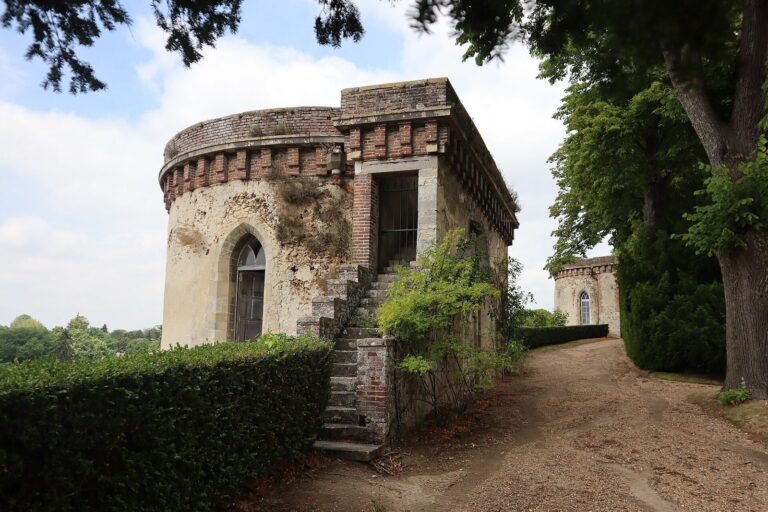
The former fortress survives in a curtain wall and two square towers. These are the remaining parts of the medieval castle, most of which Morin had demolished by the late 18th century.
Château and park
The present château follows the neo-Louis XIII style. In the park, a wind pump dating from the Second Empire, Napoleon III’s regime from 1852 to 1870, was used to supply water.