Gatchina Museum-Reserve: An Imperial Palace and Park Ensemble in Russia
Site at a Glance
- Popularity
- High
- Country
- Russia
- Primary era
- Early Modern
- Eras represented
- Early Modern, Modern
- Civilizations
- Russian
- Site type
- Domestic
- Remains
- Palace
On this page15 sections
History
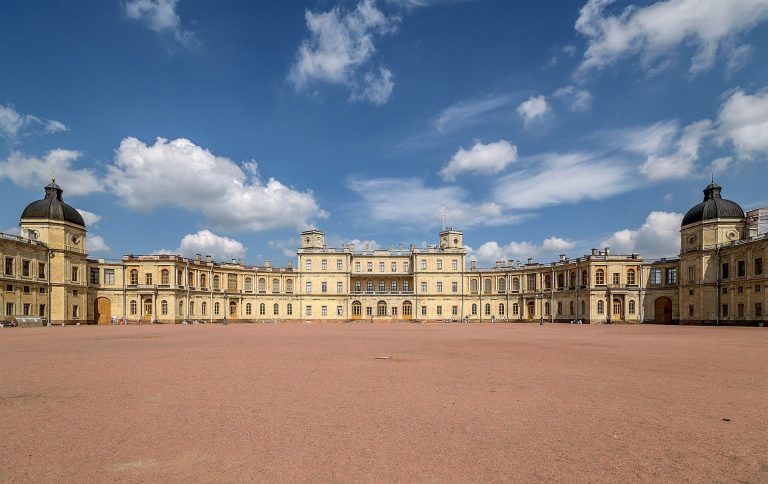
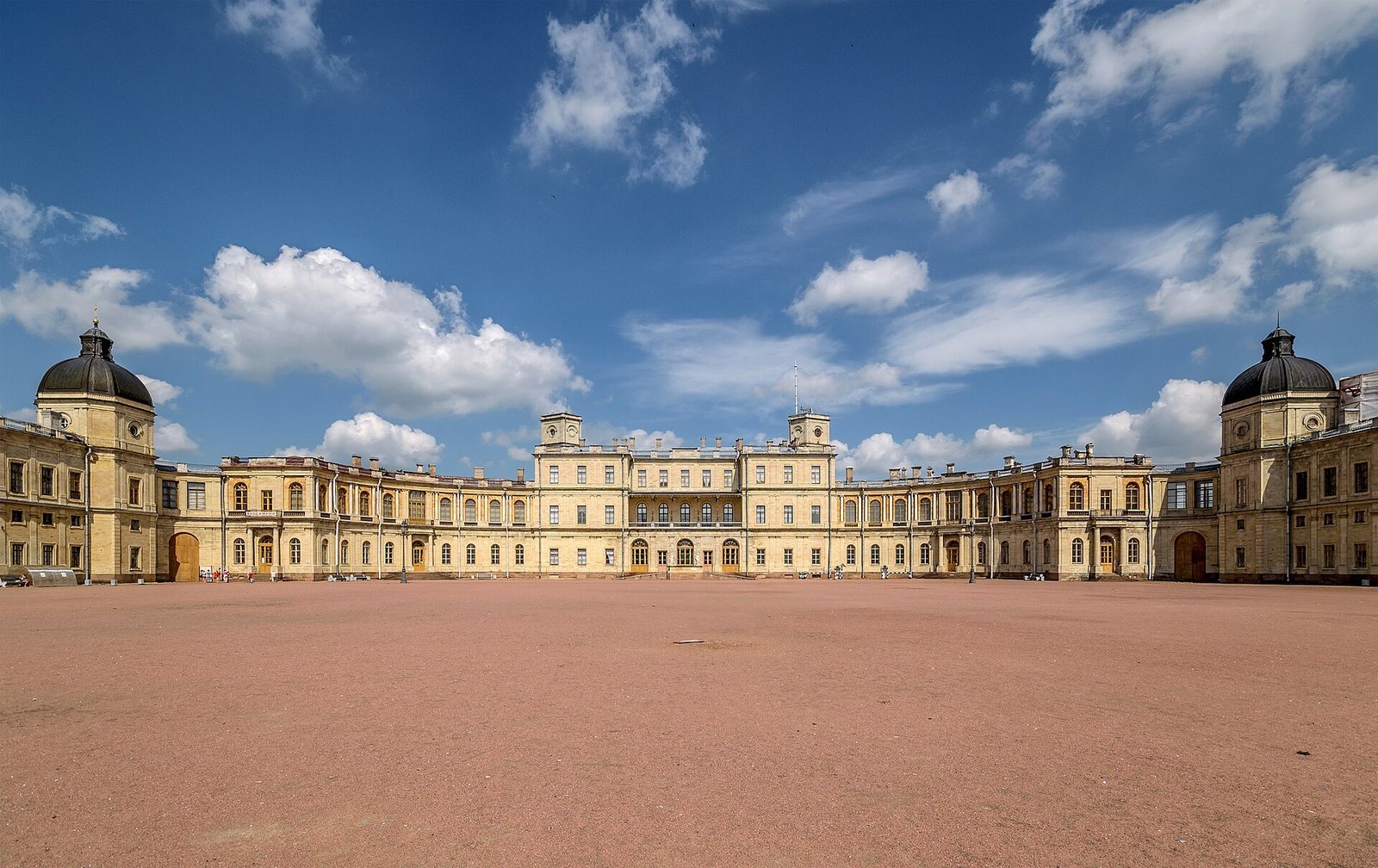
The Gatchina Museum-Reserve is a palace-and-park estate in Russia whose development began in 1765, when Empress Catherine II bought the estate. She granted it to Count Grigory Orlov, a senior artillery commander, in recognition of his part in the coup that brought her to power. The Great Gatchina Palace was designed as the estate’s principal residence, and its grounds were laid out as an English landscape park, a style intended to evoke natural scenery rather than formal geometry. The park was described as the first landscape park in Russian park-making.
Catherine II and Paul I
After Orlov’s death, Catherine bought Gatchina from his heirs in 1783 and gave it to her son, Grand Duke Paul Petrovich, later Emperor Paul I. During Paul’s ownership, the estate acquired regular gardens and Sylvia Park, as well as gates, pavilions and other buildings.
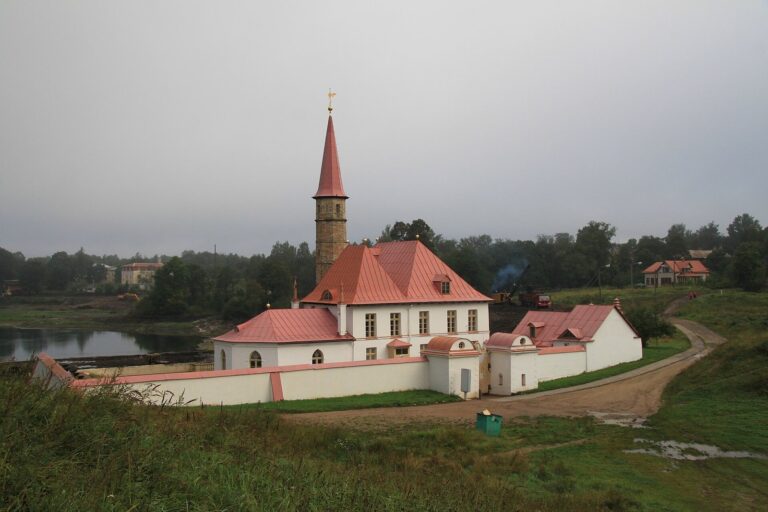
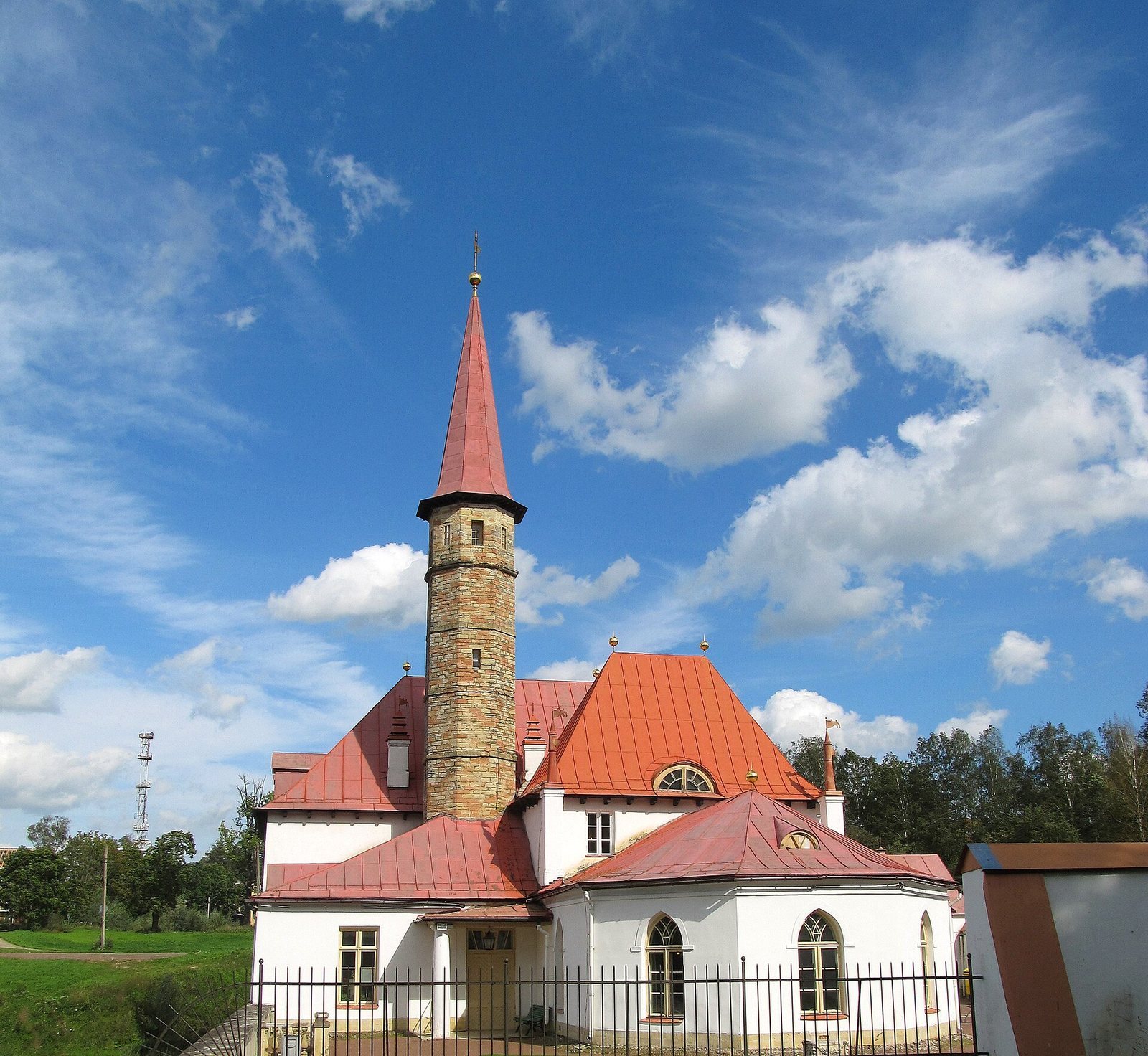
Rebuilding of the Great Gatchina Palace began in 1795. The Priory Palace was constructed in 1798, while other works included the Humpback Bridge, Cold Bath and Aviary Pavilion. These additions expanded the estate’s palaces and park structures during Paul’s rule.
Nineteenth-century imperial use
In 1828, Emperor Nicholas I used Gatchina as his headquarters during spring and autumn military manoeuvres at nearby Krasnoye Selo. Reconstruction of the Great Gatchina Palace began in 1844. After his father was assassinated, Emperor Alexander III made his home in rooms on the third floor of the palace’s Arsenal Quadrangle.
The estate’s waterways were also altered. Kolpanka had originally flowed into the northern end of White Lake, which was then regarded as the source of the Izhora. After work on the Cold Bath water system stopped following Paul I’s death in 1801, Izhora water was diverted around the lake through a bypass canal, also called Paul I’s Canal, to the Gatchinka (Tyoplaya) River. From the 1860s to the 1880s, Kolpanka was redirected past the lake into the Paritsa. Nutrient enrichment of White Lake, which can encourage excessive plant and algal growth, had begun by the middle of the nineteenth century.
Museum, wartime damage and restoration
On 19 May 1918, after the February Revolution of 1917 ended the Russian monarchy, the Great Gatchina Palace opened as a museum. Historian Nikolay Tretyakov became its first director and remained in the post until 1997. During the Second World War, fire destroyed the palace and many park pavilions, while extensive felling damaged the parks. Postwar work restored many park structures; at first, palace repairs focused on making the building usable. A fuller palace restoration began in 1976.
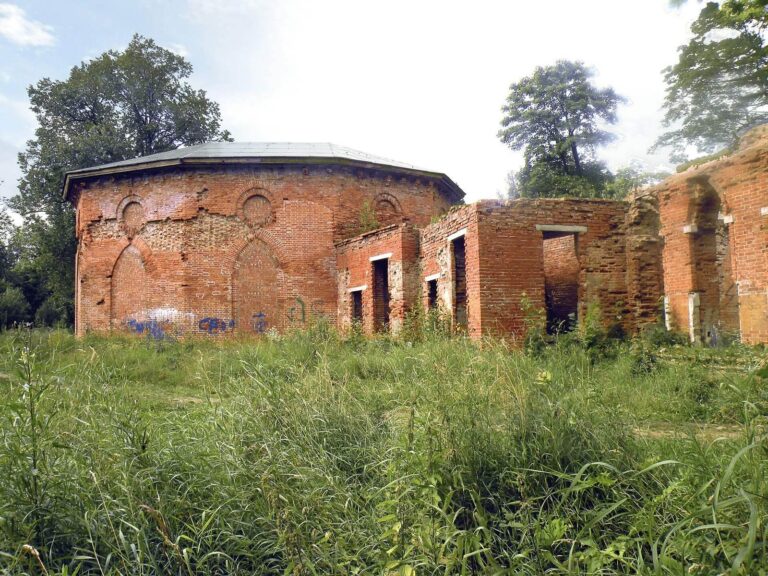
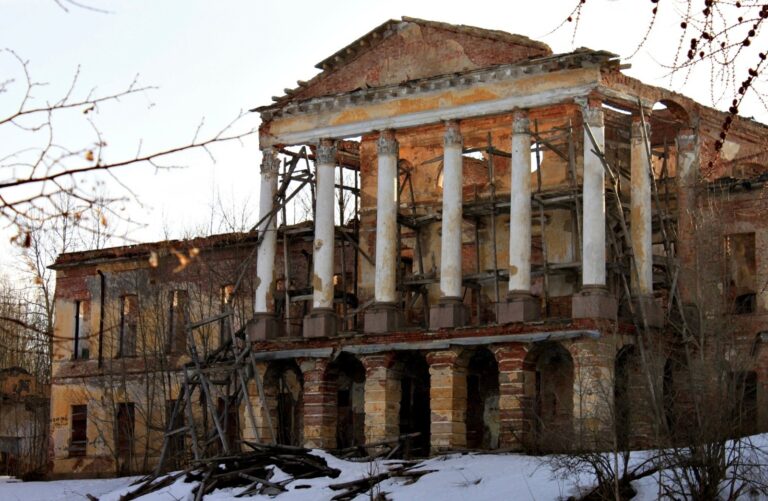
The Aviary Pavilion was badly damaged by fire in the late 1980s, and the Admiralty burned in 1993. Later restoration included central park bridges and the Venus Pavilion in 2009–2010, the Eagle Column in 2015, and further palace interiors. An exhibition about Alexander III’s family life in the late nineteenth and early twentieth centuries opened partly in historic rooms of the Arsenal Quadrangle in 2018. Palace façade restoration began in 2019, the year Menagerie Park entered the museum-reserve and work there began. Rooms associated with Nicholas I were restored in 2020, the Arsenal Hall in 2021 and the Eagle Pavilion in 2024. The ensemble is designated a cultural heritage property of federal significance in Russia.
Remains
The museum-reserve covers more than 550 hectares. It includes the Great Gatchina Palace and Priory Palace, the unified Palace Park formed by Gatchina Park and Sylvia Park, Menagerie Park, and the part of Priory Park beside the Priory Palace. The surviving ensemble brings together palace interiors, landscaped grounds, gardens, water features and park buildings.
Palaces and interiors
Great Gatchina Palace
The Great Gatchina Palace combines qualities of a Russian country estate with those of an English hunting castle. Its complex includes the Arsenal Quadrangle, a group of buildings arranged around a courtyard, as well as interior rooms and galleries.
Palace rooms and galleries
Restored historic interiors include the Greek Gallery, Rotari Room, Light Passage, Rotunda beneath the coat of arms and Marble Staircase. The Arsenal Quadrangle contains the Arsenal Hall, the palace’s largest room, covering about 600 square metres. In the nineteenth century, the imperial family used the hall for recreation.
Imperial family rooms
Rooms associated with Alexander III’s family include a drawing room, dining room and the emperor’s study. Other palace rooms include the bedchamber of Alexander III and Maria Feodorovna, studies used by their sons Nikolay and Georgy, and rooms associated with their daughter Ksenia. Nicholas I’s rooms include an entrance hall opening onto the Private Garden, a Corner Study, a valet’s room, a reception room and a military study.
Priory Palace
The Priory Palace forms a second principal palace within the estate. It stands beside the included portion of Priory Park.
Park landscape and structures
Landscape and water features
Gatchina Park was arranged as a landscape park, with artificial islands among its features. White Lake lies within the park and provides habitat for numerous gulls. An underground passage leads from the palace into the park and ends at the Echo Grotto. The bridges were originally made of wood.
Islands, pavilions and park buildings
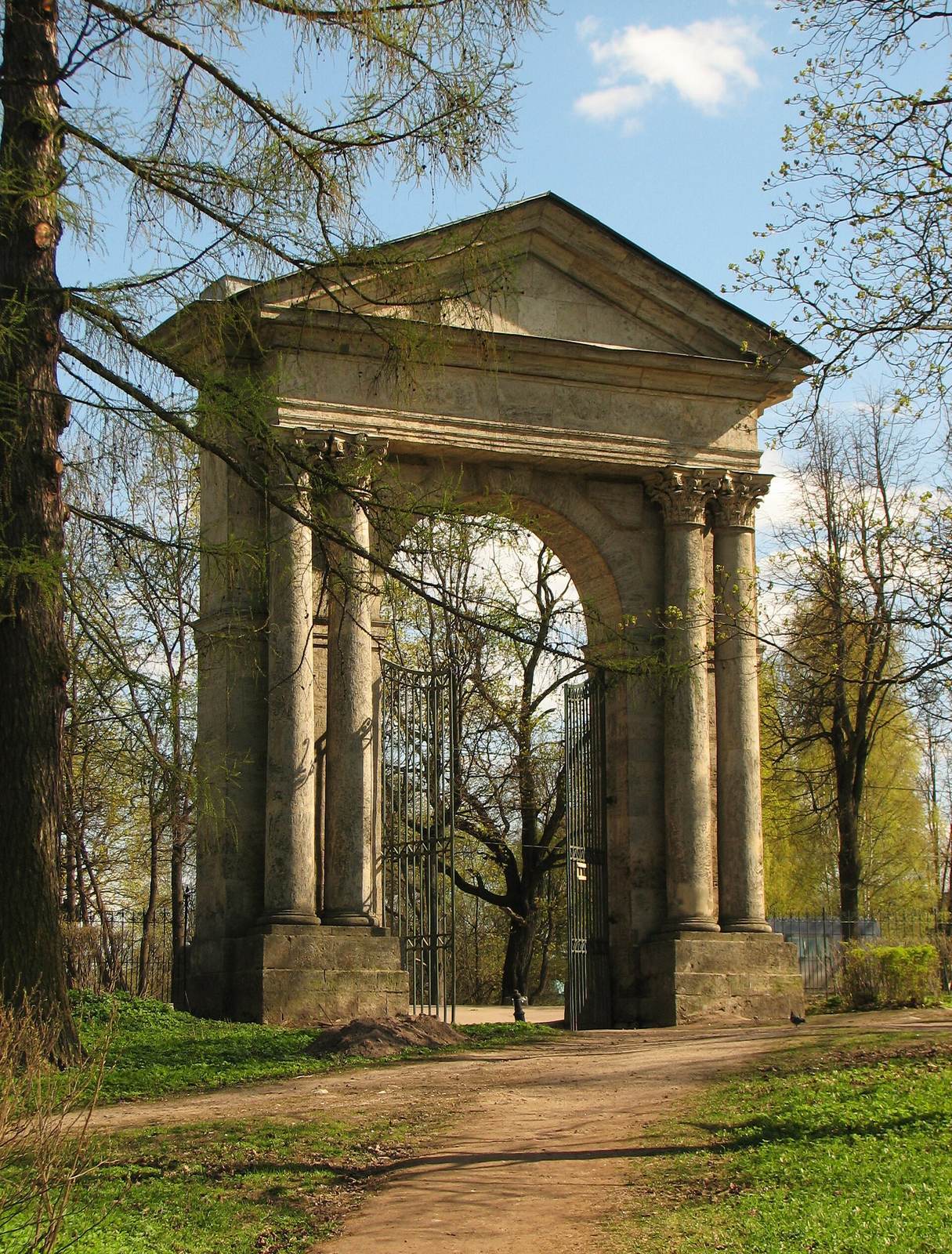
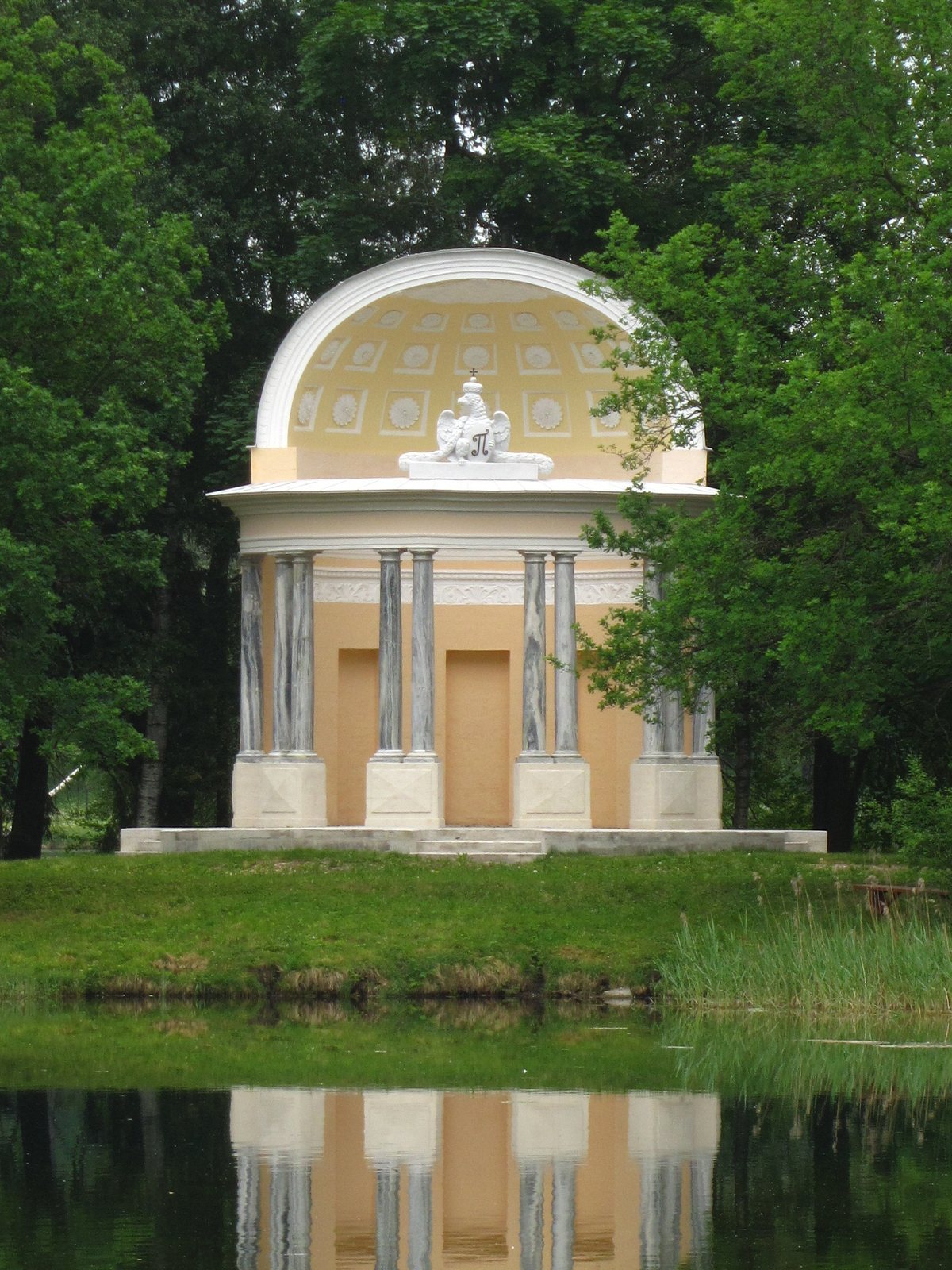
Love Island is associated with the Venus Pavilion. Nearby stand the Birch House and Mask Portal, a monumental entrance structure. Other park features include the Birch, Admiralty, Menagerie and Sylvia Gates, the Forest Orangery, a conservatory for citrus and other tender plants, the Farm, Eagle Pavilion, Humpback Bridge, Cold Bath, Aviary Pavilion and Admiralty. The Eagle Column and Chesme Obelisk are also set within the park; Chesme refers to the site of a Russian naval victory over the Ottoman Empire in 1770.
Sylvia and Menagerie parks
Sylvia Park contains regular gardens, in contrast to the landscape arrangement elsewhere in the estate. Menagerie Park was planned as a large hunting ground.
Palace gardens and monuments
The palace grounds include the Upper Dutch Garden, with a statue of Athena, and the Lower Dutch Garden, with a statue of Mars. The Private Garden is associated with a statue of Flora. A monument to Paul I, dated 1851 and credited to Ivan Vitali, stands in the grounds; a monument to Alexander III occupies the inner courtyard of the Arsenal Quadrangle.