Qvidja: A Medieval Manor Estate in Finland
Site at a Glance
- Rating
- 4.4
- Popularity
- Low
- Country
- Finland
- Primary era
- Modern
- Eras represented
- Medieval, Early Modern, Modern
- Civilizations
- Grand Duchy of Finland, Russian, Swedish
- Site type
- Domestic
- Remains
- Manor House
On this page7 sections
History
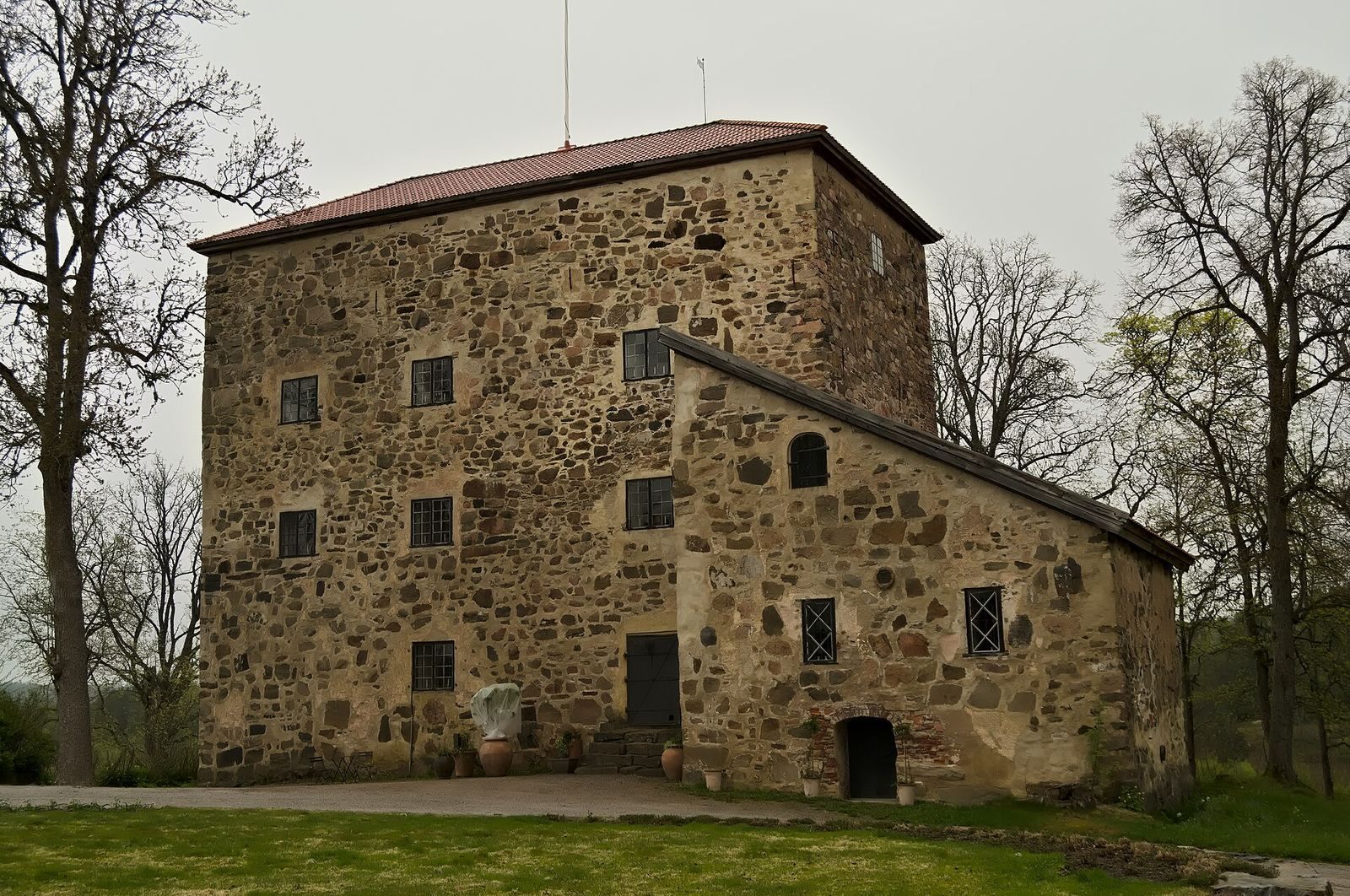
Qvidja is a historic manor estate on Lemlahdensaari (Lemlax), an island in Pargas, southwestern Finland. Regarded as Finland’s oldest surviving manor and one of the country’s few medieval noble castles, it stands on a site where a manor existed before the oldest surviving structures were built in the late 15th century.
Medieval ownership and the Flemings
Qvidja’s first known owner, Magnus II Tavast, a medieval bishop of Turku, transferred the estate in 1439 to his brother Jöns Olofsson and Jöns’s wife, Marta Klauntyttär. Marta was the daughter of Klaus Lydekenpoika Djäkni, commander of Turku Castle.
Joachim Fleming inherited Qvidja in 1477 and made it the family seat of the Flemings, a prominent Swedish noble family of the 15th and 16th centuries. Later residents from the family included Erik Joakimsson Fleming and Clas Eriksson Fleming.
Later ownership
Qvidja may have been besieged and captured by Charles IX, king of Sweden, during his conquest of Finland. In 1608, the estate was granted to Ebba Stenbock, Clas Eriksson Fleming’s widow.
The av Heurl family has owned Qvidja since the 19th century and continues to live there. The Finnish Museums Agency designates the estate a nationally significant built cultural environment.
Remains
The surviving buildings represent distinct defensive and residential phases in the estate’s development.
Surviving buildings
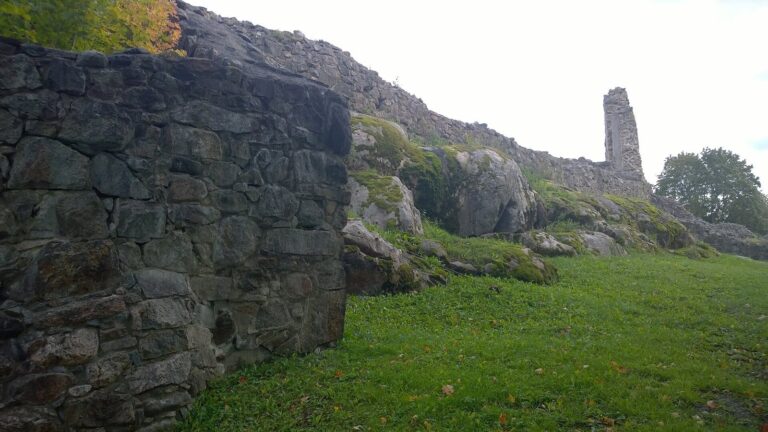
Defensive tower
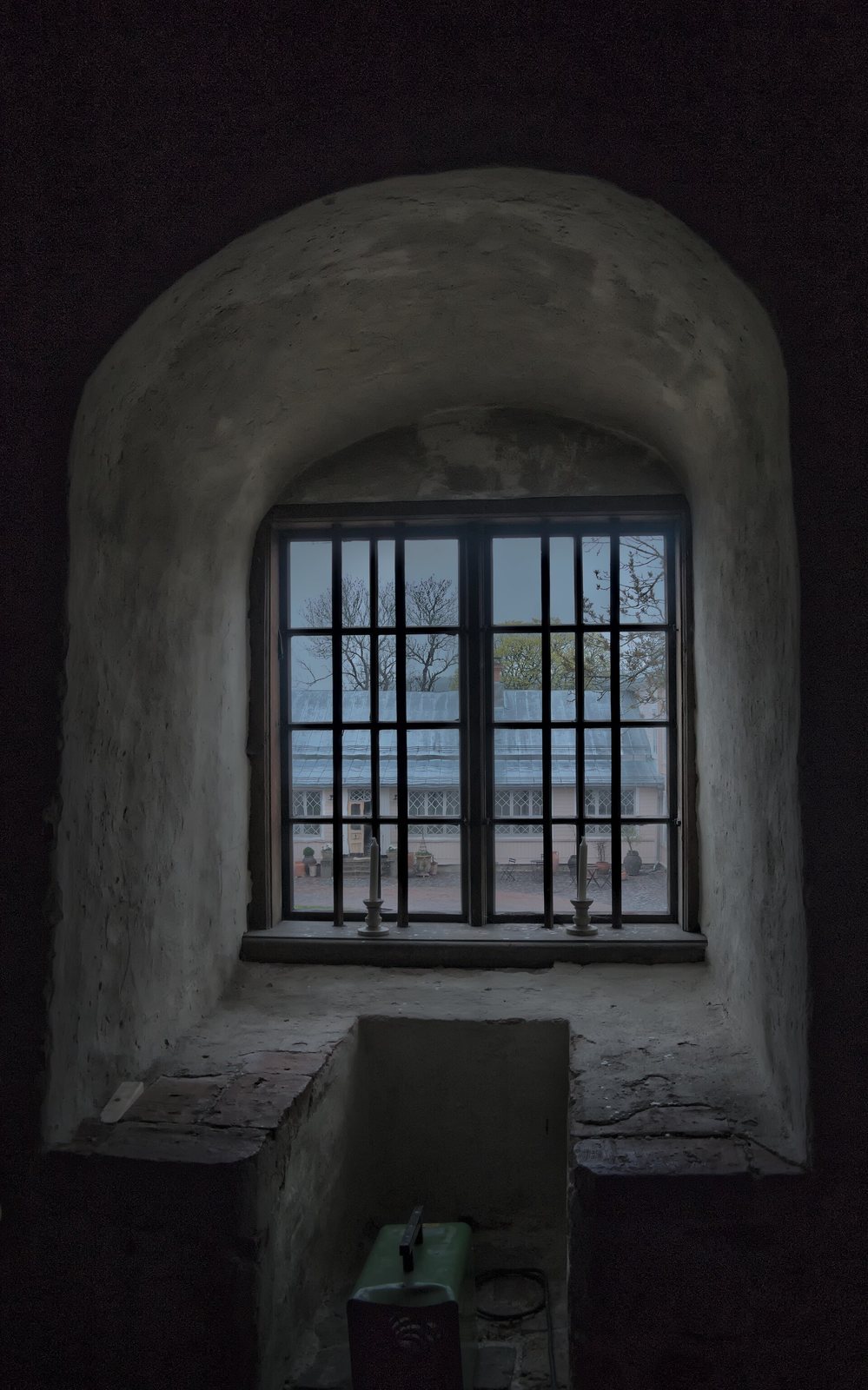
Qvidja’s oldest surviving structure is a fieldstone defensive building constructed around 1480. It was expanded to four storeys in the 16th century. The upper levels were later removed, and the present stone building survives as a remnant of the defensive tower.
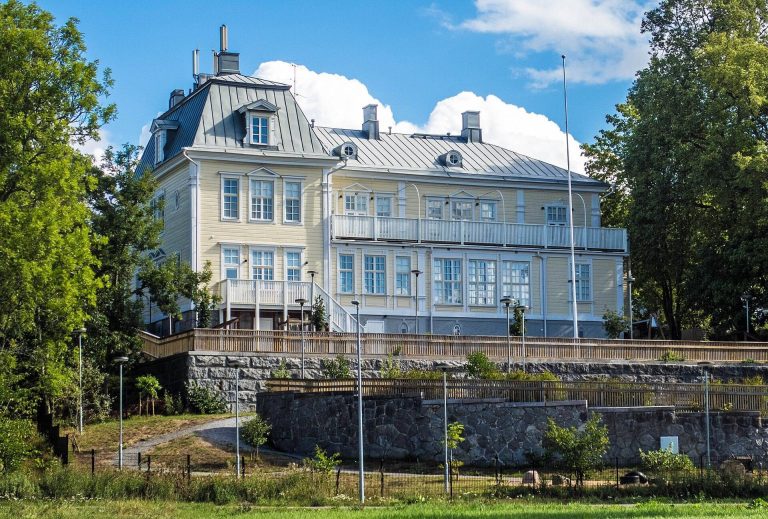
Residential building
The estate’s current residential building was constructed during the 18th and 19th centuries.