Castle of Mora de Rubielos: A Hilltop Castle in Spain
Site at a Glance
- Rating
- 4.4
- Popularity
- Very High
- Country
- Spain
- Primary era
- Medieval
- Eras represented
- Medieval
- Civilizations
- Unclassified
- Site type
- Military
- Remains
- Castle
On this page5 sections
History
Muslim origins and Aragonese conquest
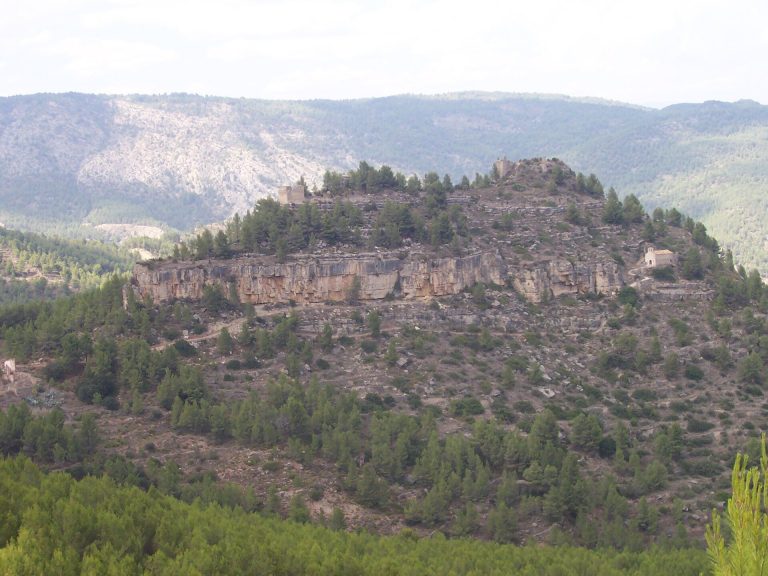
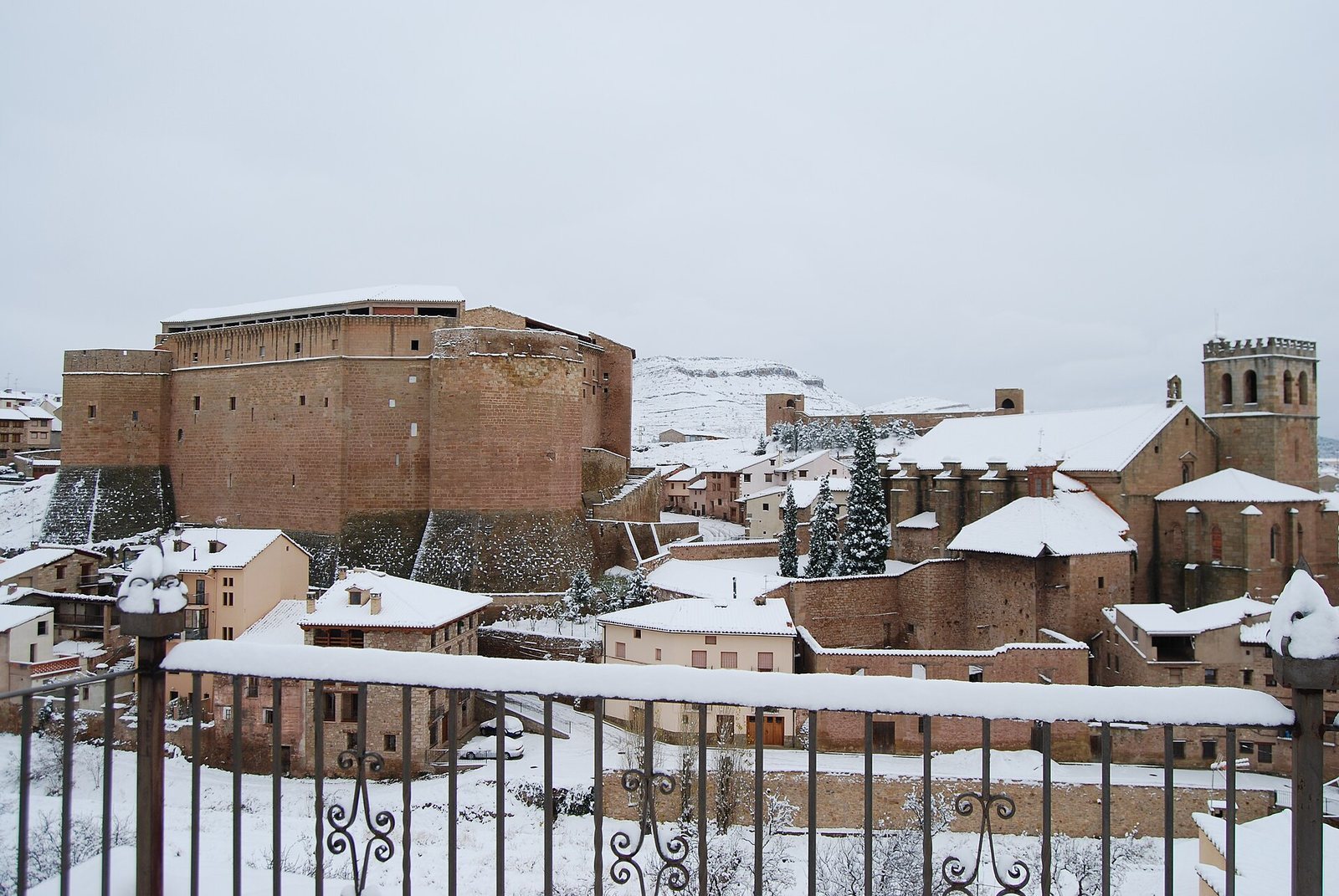
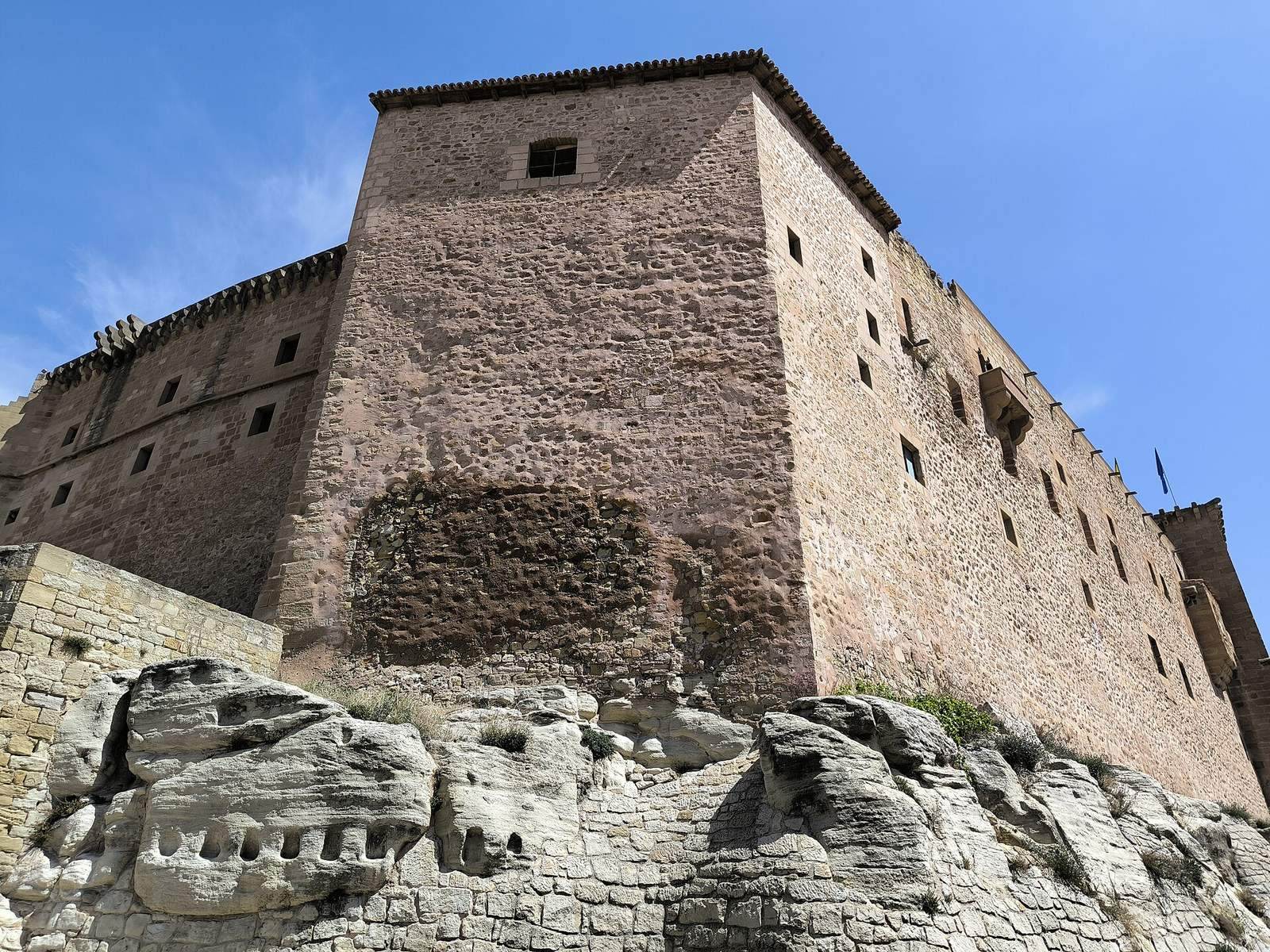
The Castle of Mora de Rubielos is a hilltop castle in Spain. Its original construction was of Muslim origin, and Alfonso II of Aragon conquered it in 1171. The castle has Romanesque and Gothic architectural elements.
Conflicts between Aragon and Castile
After the conquest, the castle witnessed recurring conflicts between the kingdoms of Aragon and Castile. In one episode, the Aragonese nobleman Pedro de Jérica submitted to Peter I of Castile, a fourteenth-century king known as “the Cruel.” Residents opposed to the Castilian king left the gates open to help the Aragonese king retake the castle.
Franciscan occupation and heritage protection
Franciscan friars occupied the castle in the eighteenth century. A decree dated 3 June 1931 declared it a historic-artistic monument belonging to the National Artistic Treasury. It is now classified as a Property of Cultural Interest in the historic-artistic monument category.
Remains
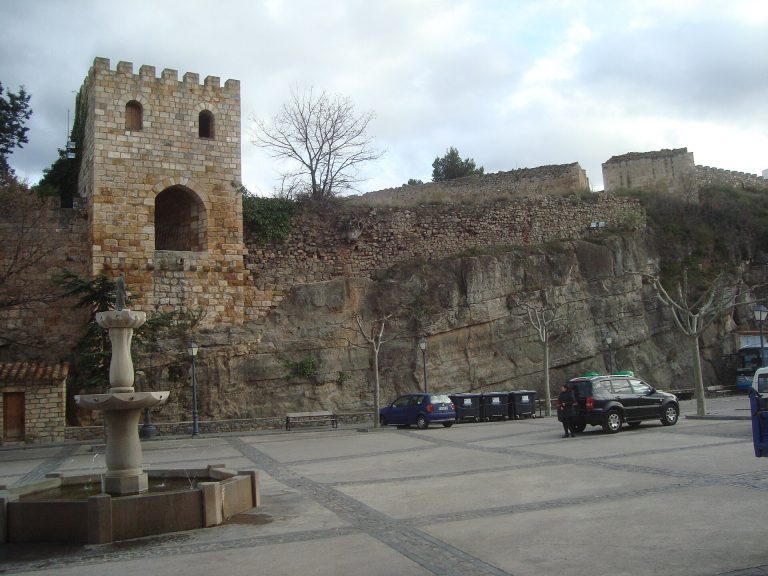
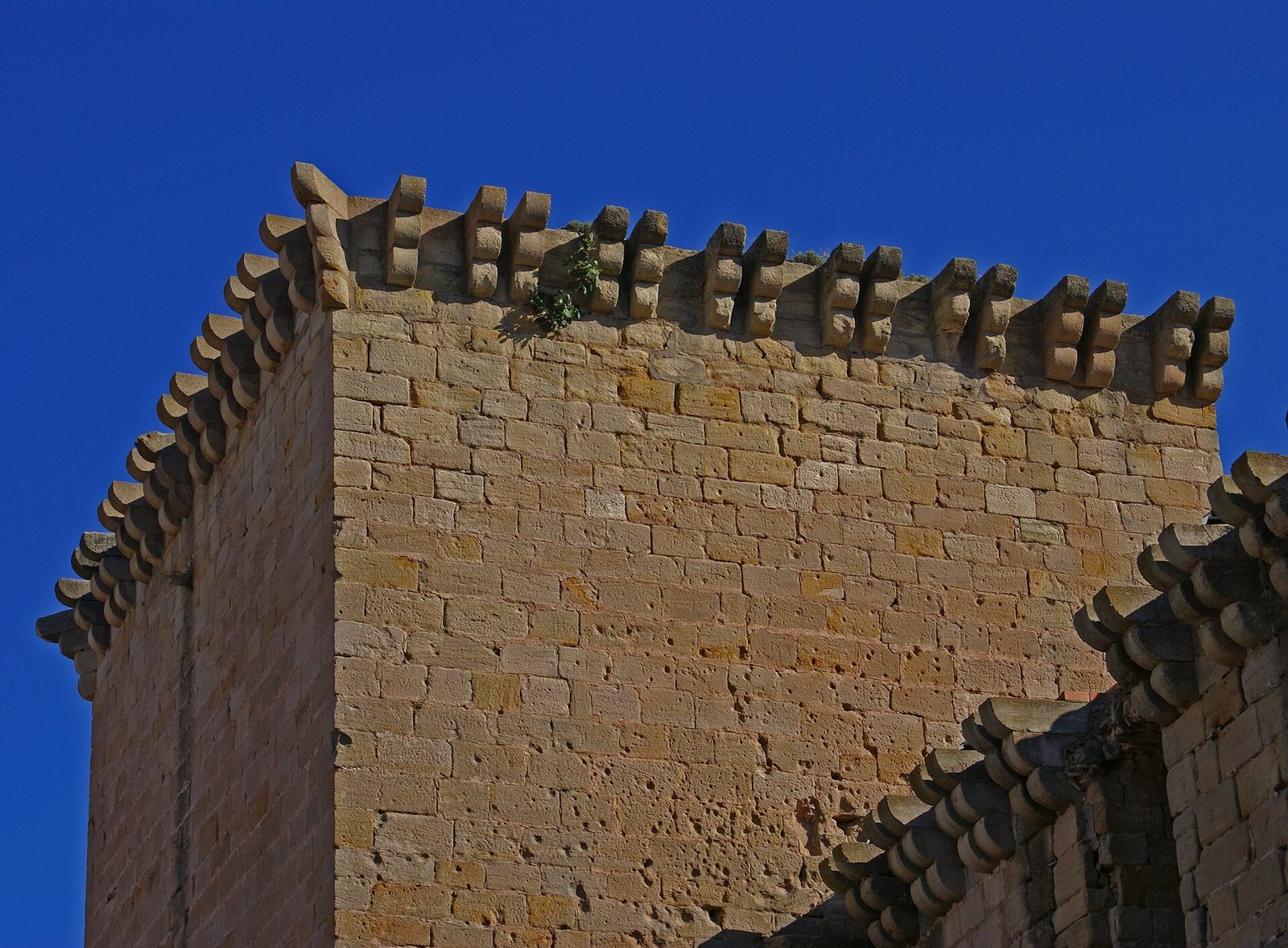
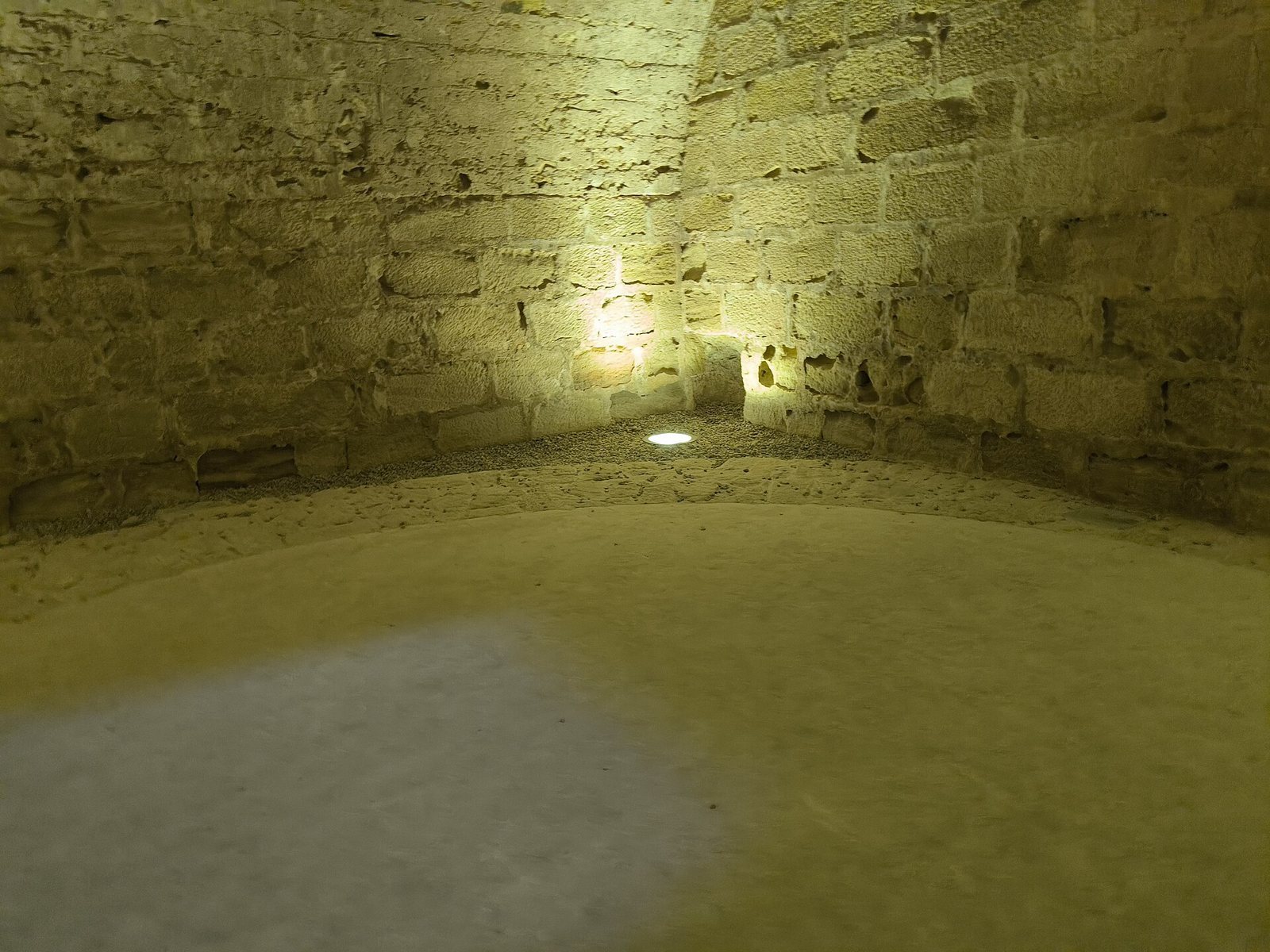
The castle stands on a hill in the Sierra de Gúdar. Its 4,000-square-metre precinct has an irregular polygonal plan, with four distinct façades and four towers. Stone walls and towers are built from shaped blocks laid in horizontal bands. Inside, pointed arches show Muslim influence. Several coats of arms belonging to the Fernández de Heredia family decorate the interior, and the castle is also known as the Castle of the Fernández de Heredia.