Paradies: The Former Poor Clares’ Monastery in Switzerland
Site at a Glance
- Popularity
- Medium
- Country
- Switzerland
- Primary era
- Early Modern
- Eras represented
- Early Modern
- Civilizations
- Swiss
- Site type
- Religious
- Remains
- Monastery
On this page13 sections
History
The former Poor Clares’ monastery at Paradies is a Franciscan convent site at Altparadies in Schlatt, Switzerland, beside the Rhine. Its foundation was secured by a deed in 1257, following a land grant made four years earlier. The community belonged to the Poor Clares, a women’s religious order in the Franciscan tradition founded by Clare of Assisi.
Foundation and medieval jurisdiction
The convent’s predecessor was at Constance. The name Paradies probably travelled with the nuns when they moved to a new home at Schwarzach. On 6 December 1253, Count Hartmann IV of Kyburg granted the abbess and convent all his property in the village. Some of it had been granted to his followers in return for service, so their rights had to be settled before the nuns could relocate. Hartmann’s 1257 deed made the gift legally effective and established the new convent’s foundation.
From 1324, Schaffhausen exercised protective jurisdiction over the monastery. The town of Diessenhofen later acquired legal claims held by its stewards over the convent’s bailiwick, the secular authority exercised by a lay protector.
Reformation and rebuilding
The Reformation disrupted monastic life, and the convent’s operation was either suspended or continued under the new faith. From 1524, Abbess Anastasia von Fulach resisted Schaffhausen’s attempts to secularize the monastery, transferring it to nonreligious control. She was soon forced to accept sales of bailiwick rights. That year, fearing a plunder of the convent, the nuns carried its treasures to Schaffhausen. After the town imposed forced administration, it refused to return the books, claiming they no longer existed. Some later went to the parish library, subsequently the Ministerial Library; others were reportedly sold in Zurich or Basel.
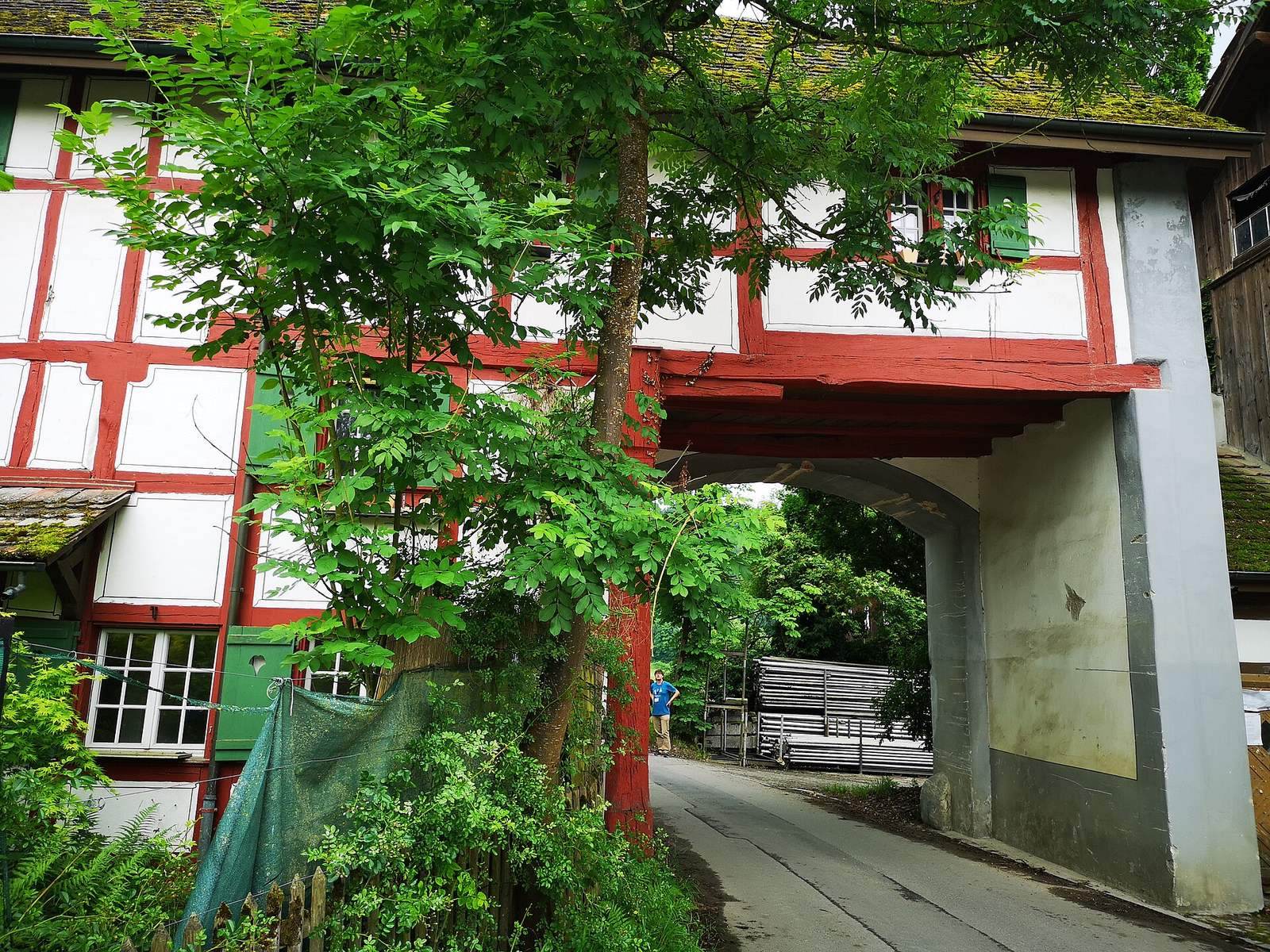
Around 1574, sovereignty passed to the cantons of the Old Swiss Confederacy, the alliance that preceded modern Switzerland, and the convent was re-established in 1578. On 11 November 1587, a fire destroyed the monastery apart from its gatehouse. It began in the morning, and a strong westerly wind helped the flames spread through the day. Rebuilding took almost two decades.
Decline and suppression
In 1640, Abbess Agatha Vonmentlen secured a privilege from Holy Roman Emperor Ferdinand III confirming the monastery’s property and rights. In May 1799, during the Coalition Wars, Habsburg commander Archduke Charles of Austria-Teschen used the monastery as his headquarters.
The Helvetic Republic, a short-lived Swiss state established during the French revolutionary period, barred the convent from accepting novices and claimed its assets. The political Restoration of 1815, which re-established a confederation of cantons after Napoleon’s defeat, did little to reverse its decline. The community contracted and accumulated heavy debts; by 1818, four nuns and four lay sisters remained. Proposals to turn the monastery into a school or hospital failed, as did a plan for an educational institution rejected by the cantonal government. Thurgau suppressed the convent in 1836, and its estate was auctioned. On 1 July 1837, the property passed as a whole to the Diessenhofen business of Melchior Wegelin.
Company ownership
Georg Fischer AG bought the monastery estate and surrounding farms in 1918 to help secure food supplies for its employees during the shortages of the First World War. A comprehensive restoration followed in 1952, the company’s 150th anniversary.
Remains
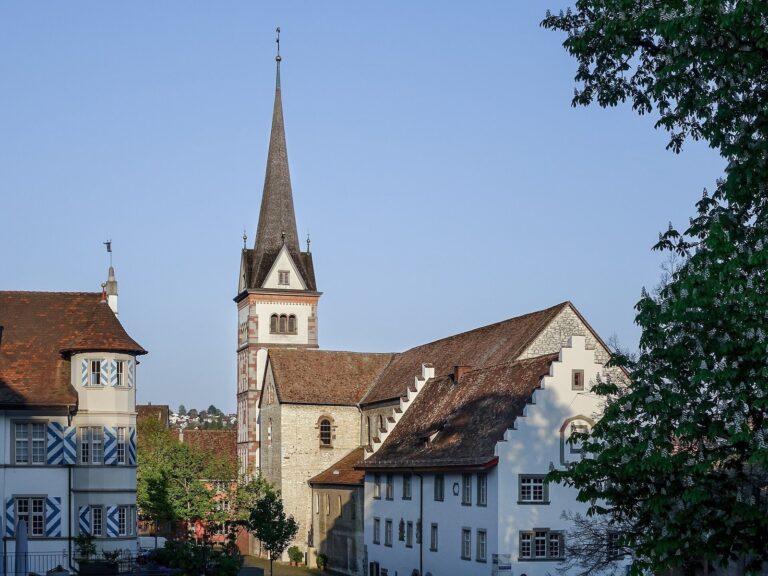
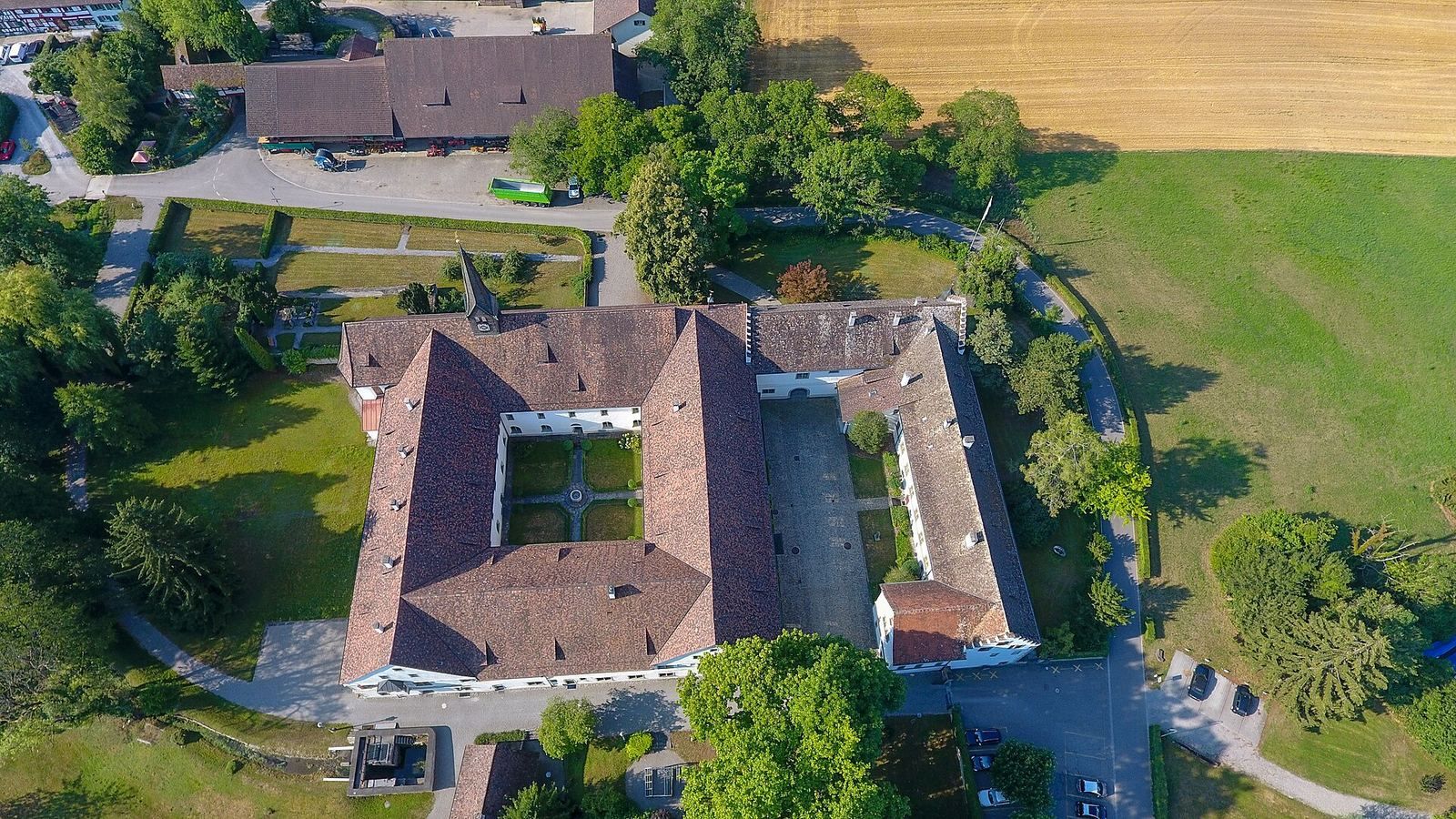
The former monastery buildings and agricultural estate lie beside the Rhine at Altparadies. The church of St Michael follows the simple design prescribed by Franciscan rules for mendicant orders, religious communities that traditionally relied on alms.
Church of St Michael
Main hall and entrance
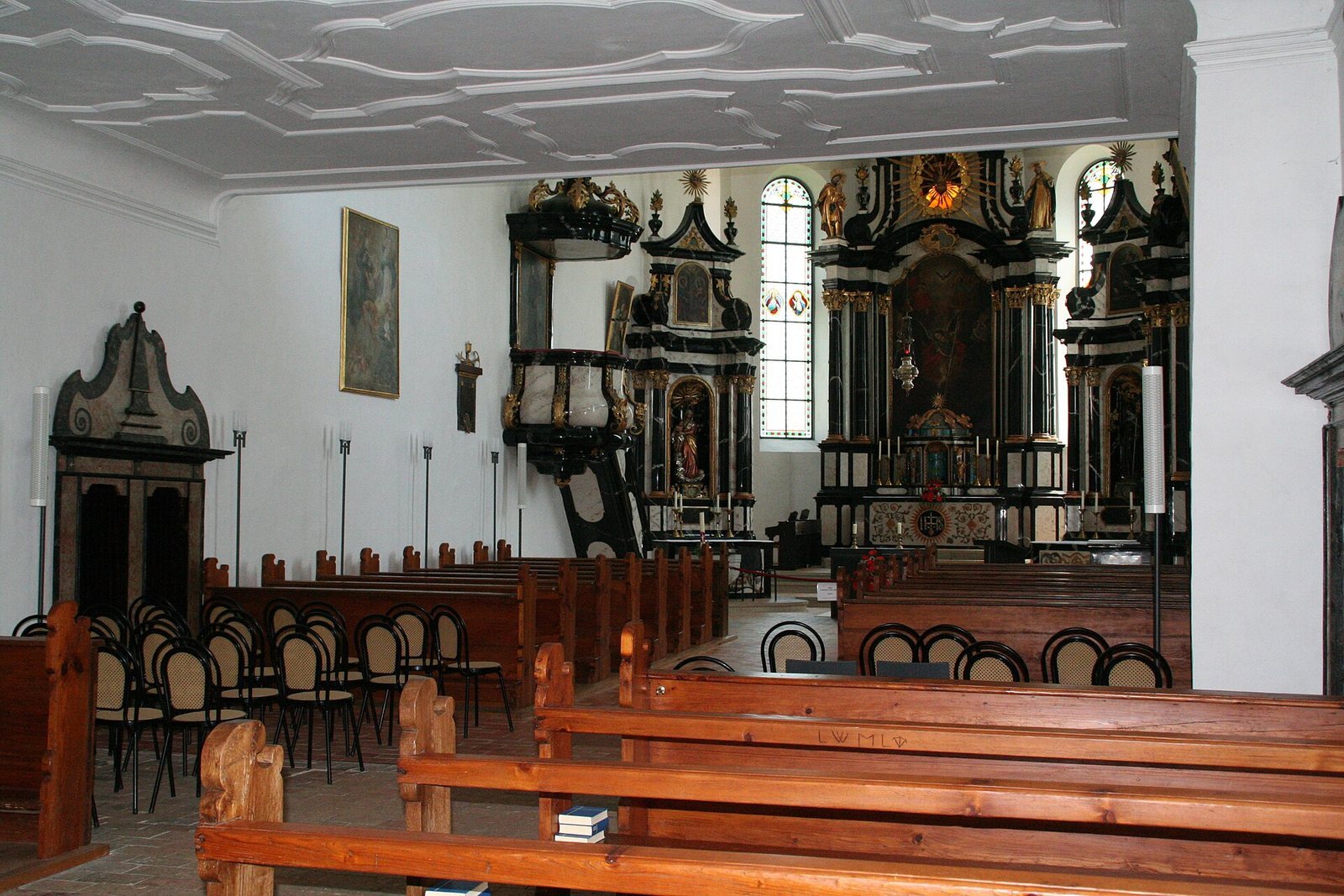
Built in 1587, the church is dedicated to the Archangel Michael. It has no tower, but a small turret rises from the roof. A long main hall is entered through a pointed-arch doorway. Laypeople could attend services there.
Nuns’ gallery
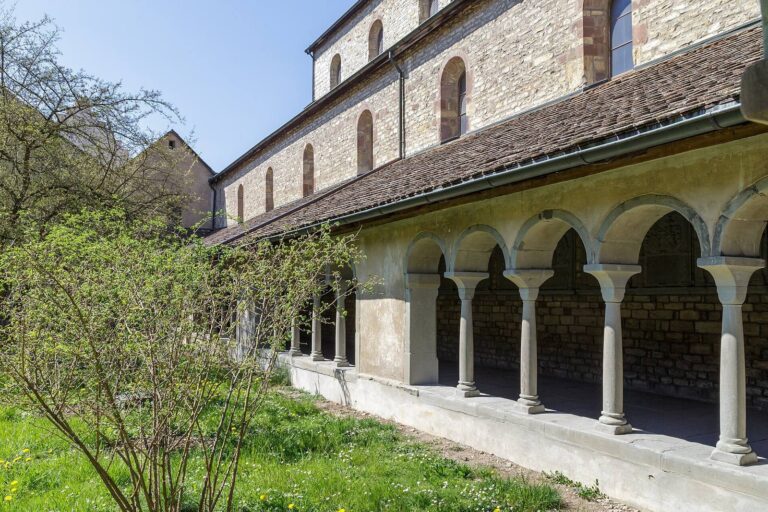
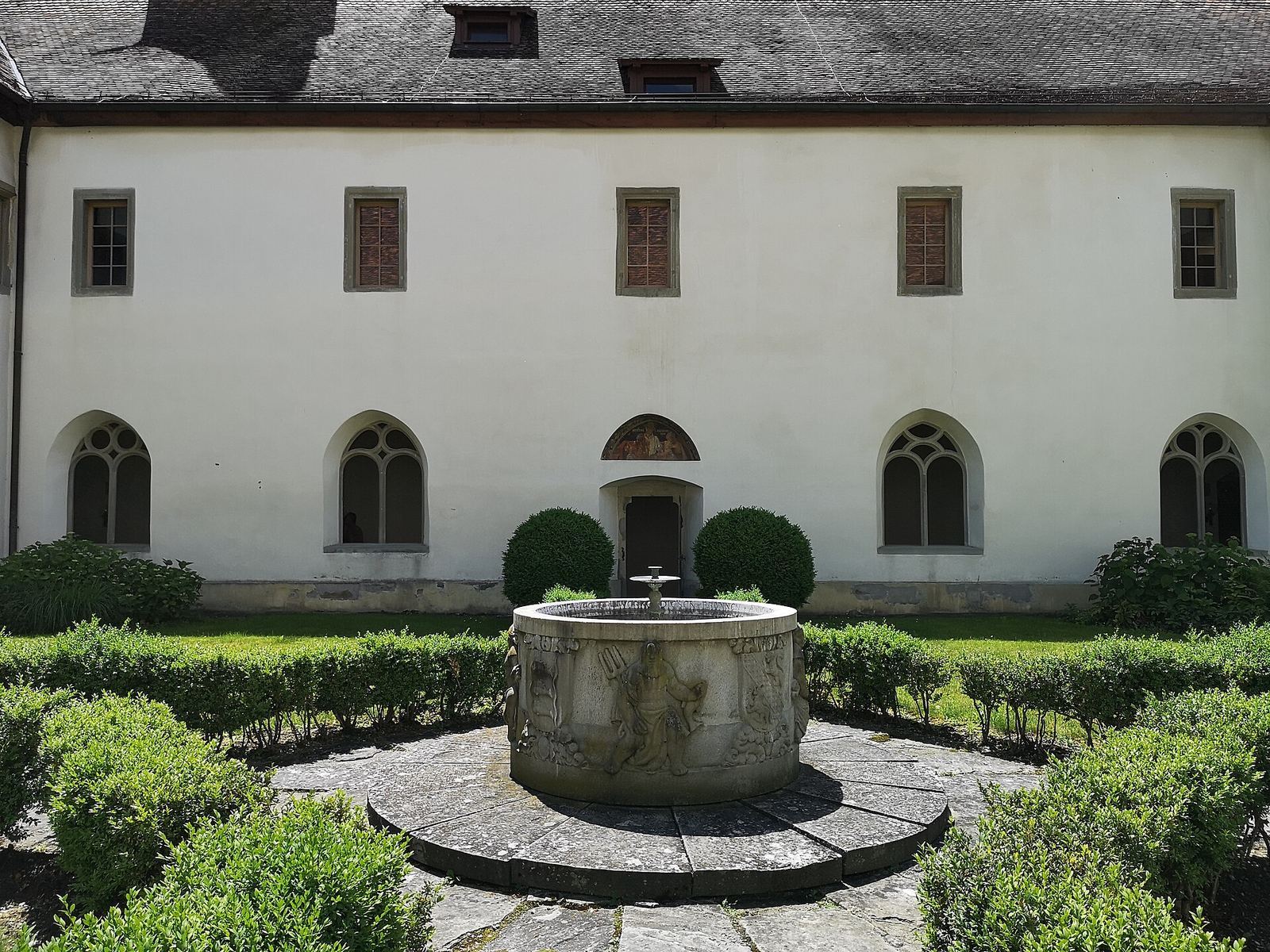
Enclosure rules kept the nuns separate from other worshippers, so they had a gallery with direct access from the cloister, a covered walkway around the monastery courtyard. Installed in 1726, the gallery occupies the church’s entire western half and spans it without supports.
Former convent buildings
Georg Fischer AG owns the former monastery buildings apart from the church. They now house the Iron Library, the company’s training centre and storage for its archive. The Iron Library is a Georg Fischer foundation and Switzerland’s only specialist library devoted to ironworking. The church serves as the parish church for the Catholic community of Schlatt-Paradies. The former farm manager’s apartment in the southwest wing was renovated in 2010 and now contains office space and a residence.
Agricultural estate
Before secularization around 1803, the estate covered about 500 hectares of woodland, fields and meadows. Its buildings included a stable, a mill at Kundelfingen and a sawmill. The present estate has 65 hectares of meadows and fields, about half of which is farmed. The meadows support 50 to 60 Simmental Fleckvieh cattle, and the farm also keeps horses, pigs and chickens.
Manuscripts
Four manuscripts from the monastery’s collection are held at the City Library of Schaffhausen. Two are the winter and summer parts of a Franciscan breviary, a book of prayers for the daily cycle of church services.
Riverside
As part of Rhine restoration, a concrete wall beside the estate was removed and a shallow bank was created.