Old Town Hall in Linz: Seat of the Mayor and Municipal Council
Site at a Glance
- Popularity
- Medium
- Country
- Austria
- Primary era
- Early Modern
- Eras represented
- Early Modern, Modern
- Civilizations
- Habsburg, Habsburg Austria, Holy Roman Empire
- Site type
- Civic
- Remains
- Town Hall
On this page7 sections
History
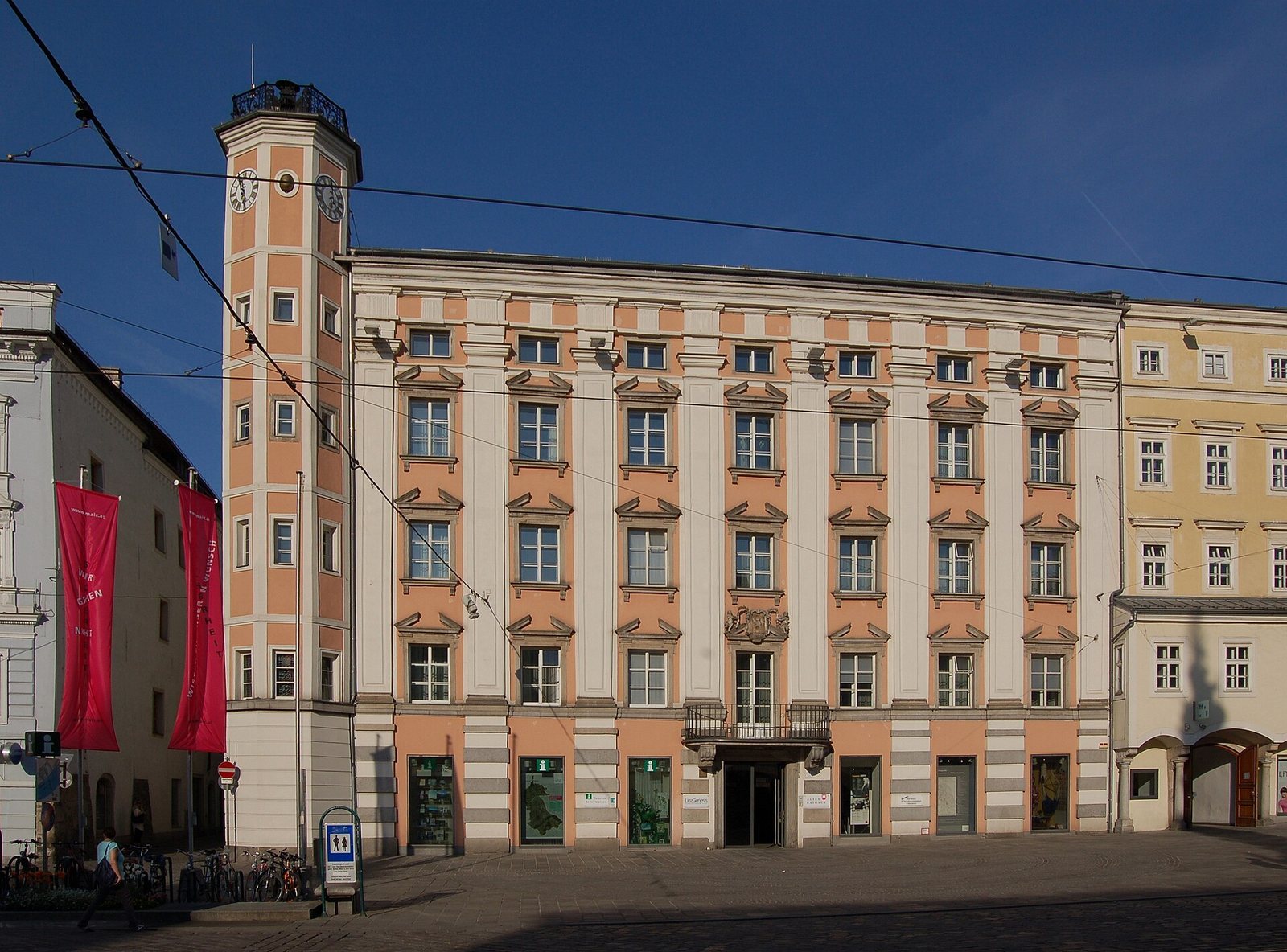
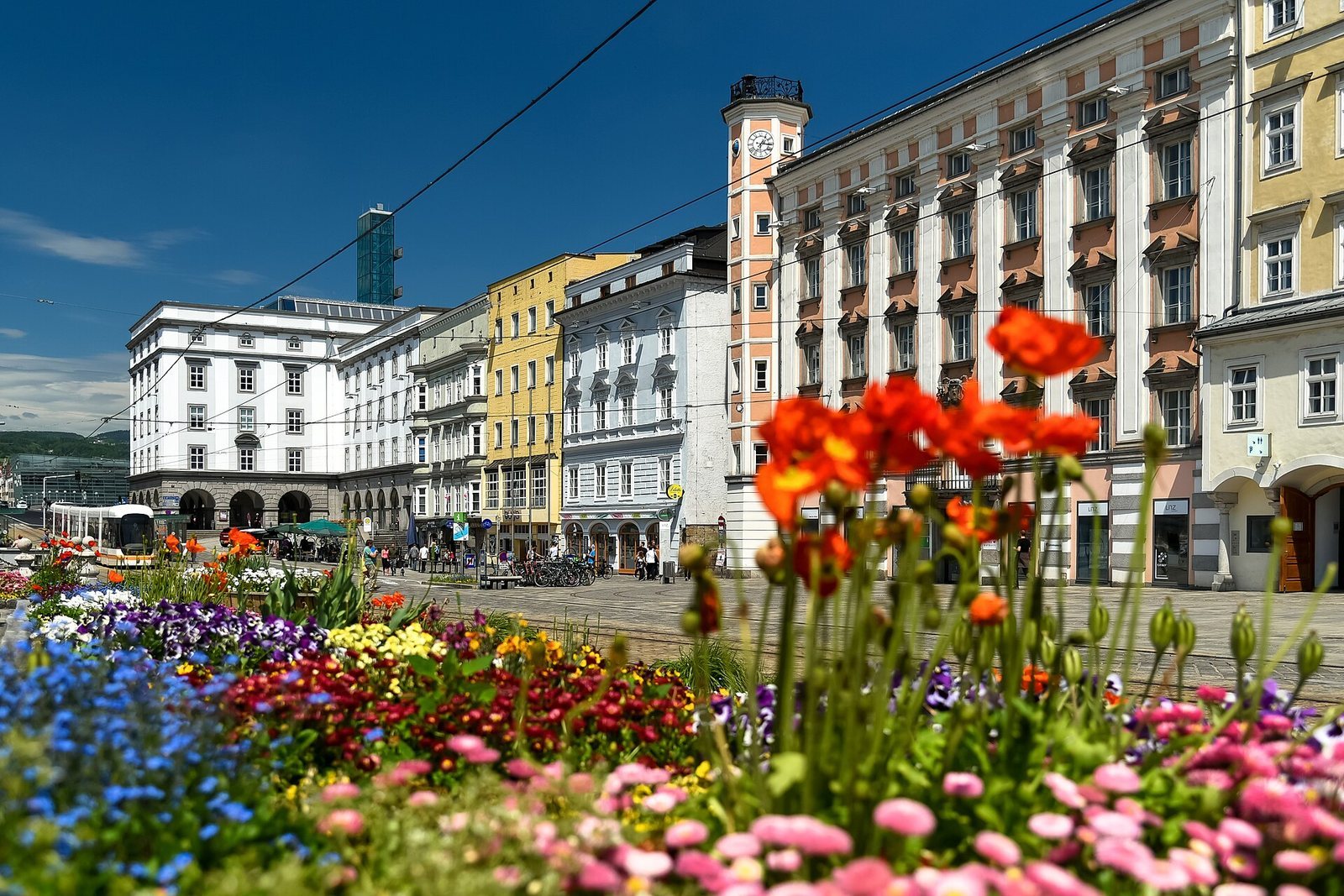
The Old Town Hall in Linz is a municipal building in Austria that has occupied its present site since 1415. Its facade is Baroque, a later architectural style known for ornate, dramatic forms. The building remains the seat of the mayor and municipal council.
Early history and rebuilding
A city fire destroyed the first town hall in 1509. Master Christoph, a master builder who directed construction work, planned the replacement building.
The hall was enlarged in 1658-1659, when it received its present Baroque facade. The town hall also gave its name to the Rathausviertel, or Town Hall Quarter, east of Main Square.
The balcony in public life
The balcony served as a place for public announcements of council decisions, ordinances and court judgments. In 1782, Pope Pius VI blessed a crowd from it during his visit to Austria. On 1 November 1918, representatives of the German Nationalists, Social Democrats and Christian Socials addressed a joint gathering from the balcony.
On 12 March 1938, Adolf Hitler, the leader of Nazi Germany and its chancellor, spoke from the balcony for the first time on Austrian soil in that office. He proclaimed the Anschluss, Nazi Germany’s annexation of Austria, as crowds in Main Square cheered. The square was renamed Adolf Hitler Square that day. Debate over the balcony’s public use followed Hitler’s address. Since 1988, public events have been kept off it; in 2025, a historians’ commission judged this longstanding approach appropriate.
Municipal use and restoration
In 1985, part of Linz’s administration moved to the New Town Hall in Urfahr, while the mayor’s office remained in the Old Town Hall. A major restoration from 1993 to 1997 uncovered Gothic workmanship and a painting dated 1820 in the Biedermeier style, a Central European cultural and artistic movement of the early nineteenth century.
Remains
Facade, tower and courtyard
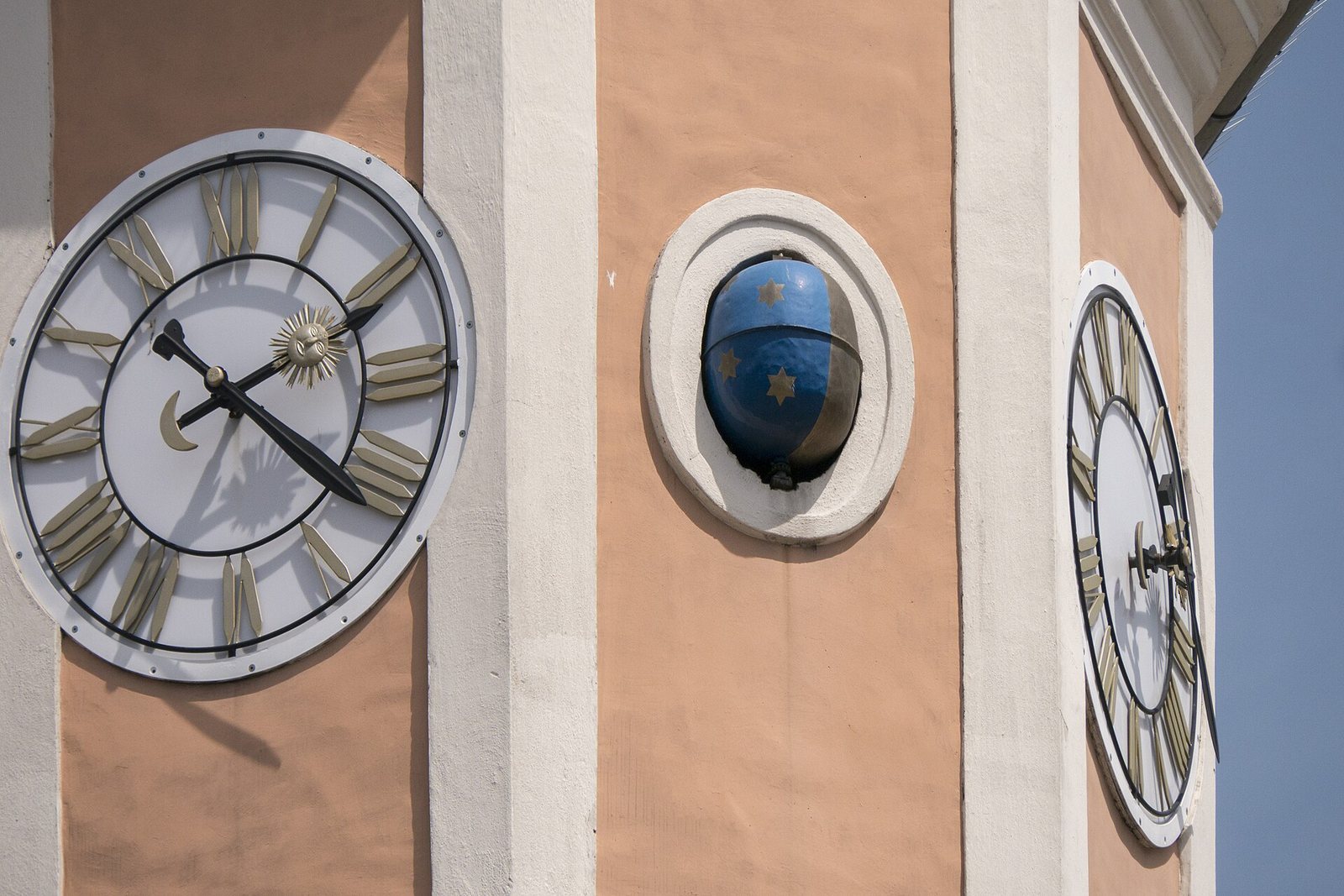
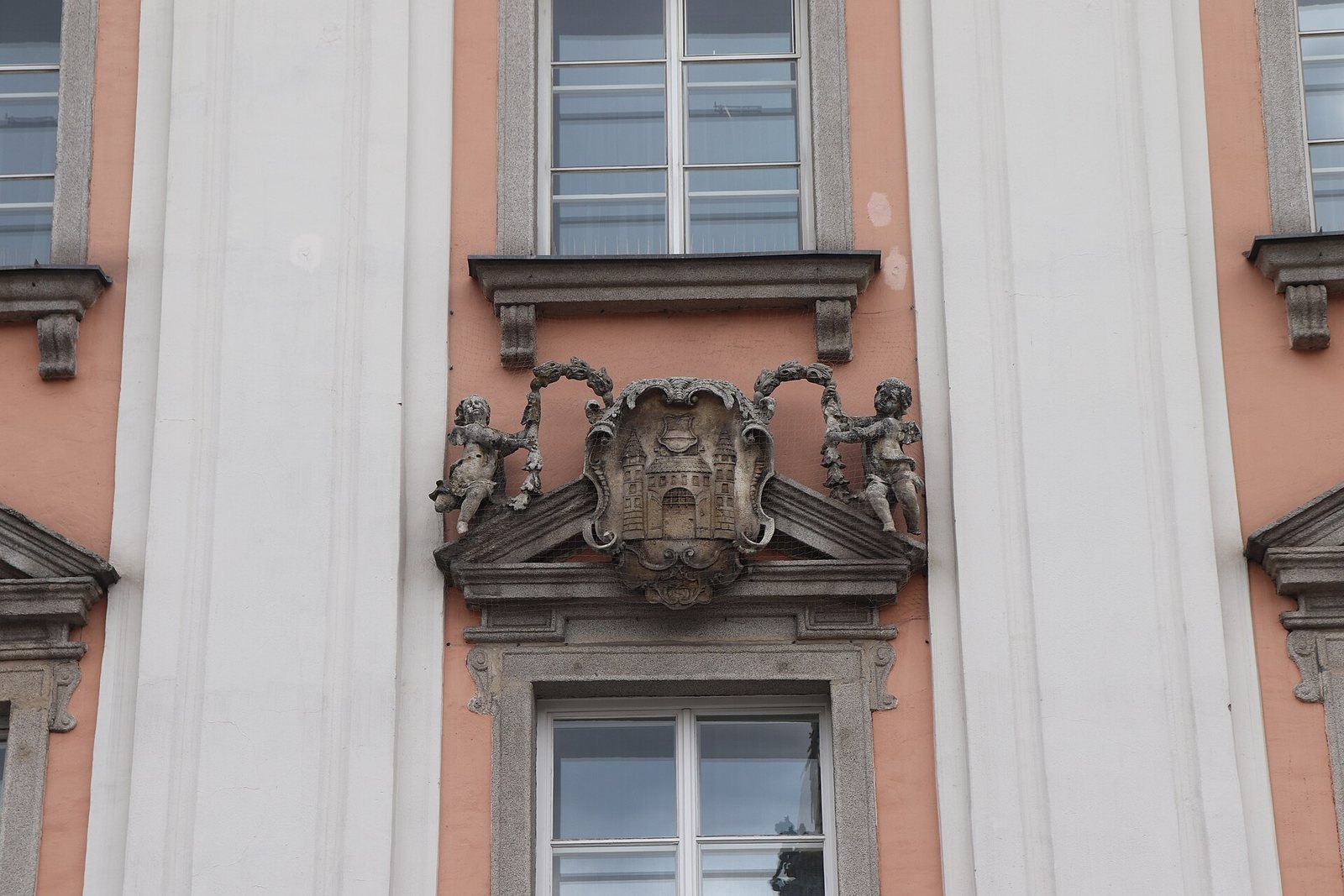
On the east side of Main Square, the building combines a Baroque facade with surviving Gothic features and an arcaded courtyard, a courtyard lined with arches, beside a small garden. An octagonal clock tower rises above the building; its mechanism is open to view, and its bells play melodies three times daily. A small balcony, built above the main entrance in 1778, projects from the facade. The courtyard arcade is characteristic of older Linz.
Interiors and collections
The interior has a modern office appearance, alongside several surviving vaulted rooms. In the vestibule, aerial photographs set into the floor form a visual plan of the city. Four wall panels made in 1956 portray composer Anton Bruckner, eighteenth-century mayor Johann Adam Pruner, astronomer Johannes Kepler and Frederick III, Holy Roman Emperor from 1452 to 1493. The building also houses the Linz history museum and a museum of the history of dentistry. The dental museum includes historical chairs and instruments, with its oldest objects about 300 years old.