Bergschlössl: A Baroque Residence and Botanical Park in Austria
Site at a Glance
- Popularity
- Medium
- Country
- Austria
- Primary era
- Early Modern
- Eras represented
- Early Modern, Modern
- Civilizations
- Austria-Hungary, Habsburg, Habsburg Austria, Holy Roman Empire
- Site type
- Domestic
- Remains
- Elite Residence
On this page7 sections
History
From princely land to Baroque residence
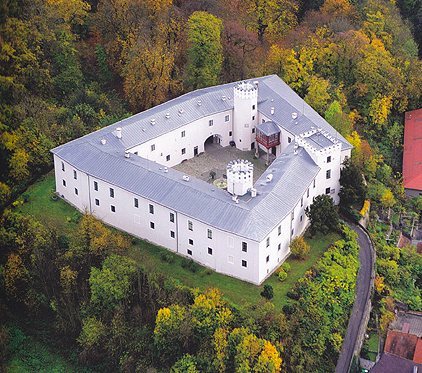
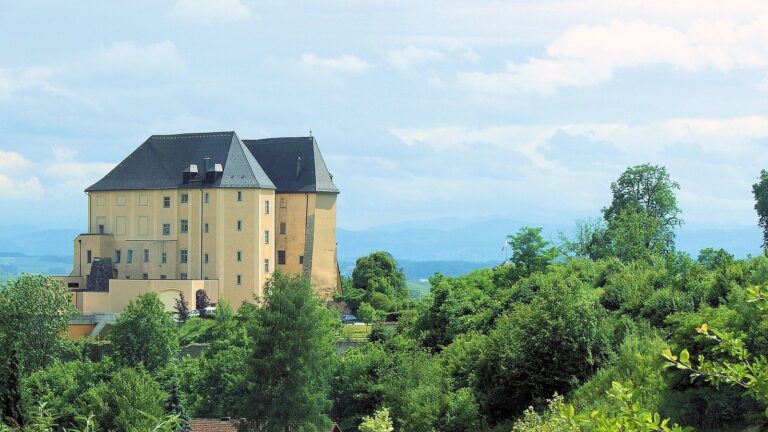
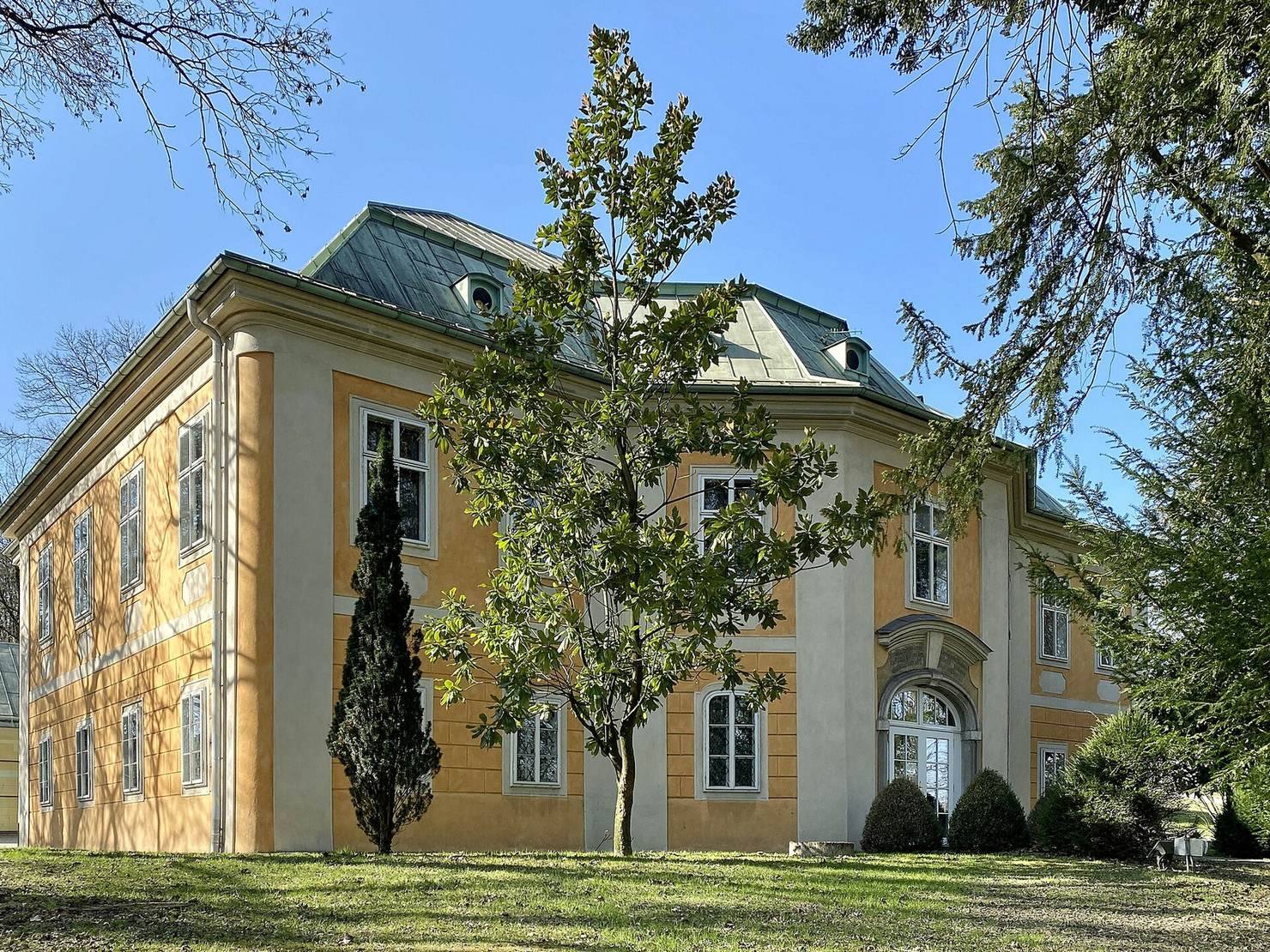
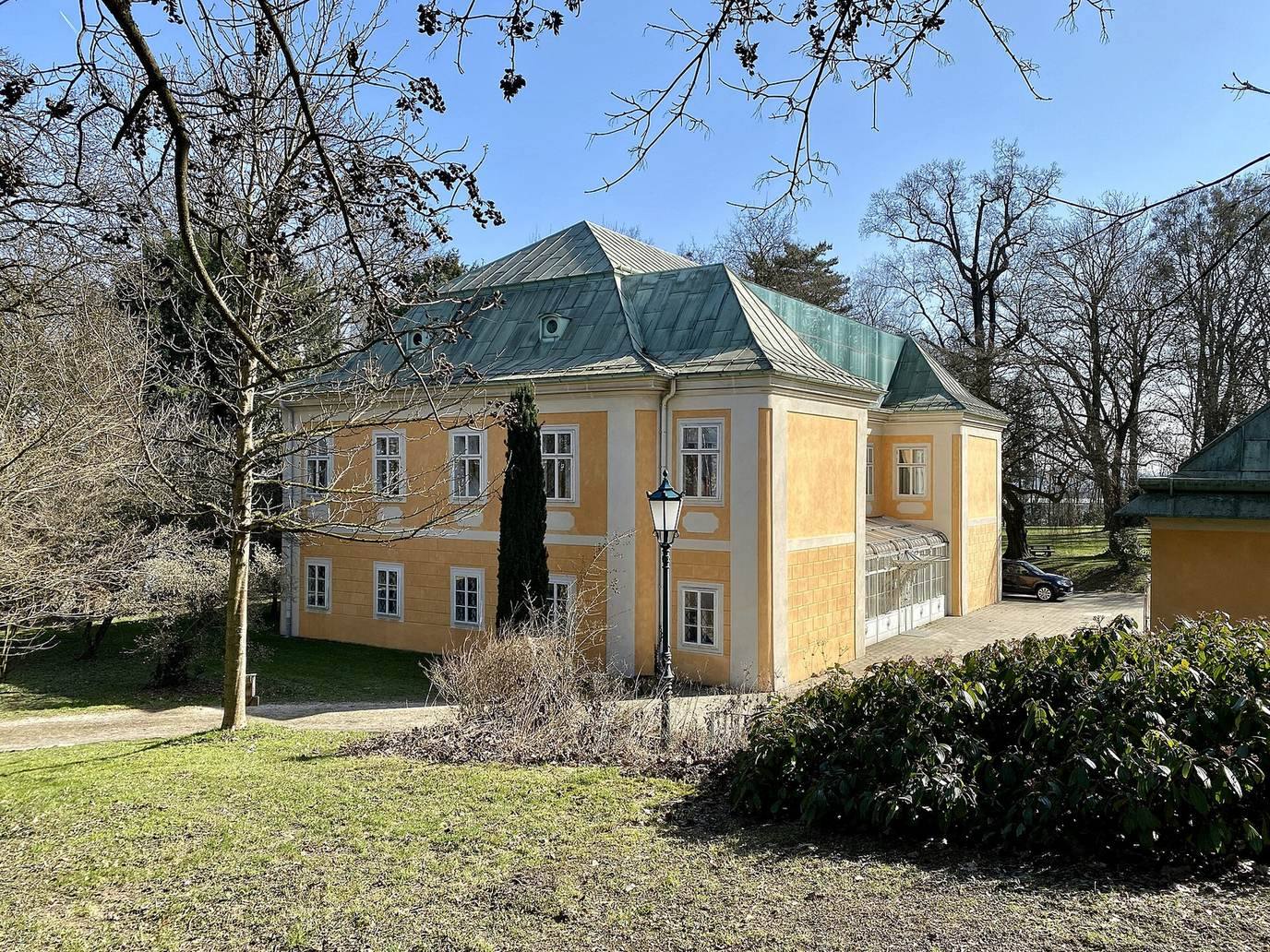
The Bergschlössl is a Baroque building in Austria, erected in 1717–1718 by Linz master builder Johann Michael Prunner for provincial official Johann Jakob Mäderer von Ehrenreichscron. In the fifteenth century, the site belonged to the Stockhof, a princely fief. Linz acquired the land in 1708 to extract clay and construct a brick shed. Mäderer served as a syndic, an official handling legal or administrative matters, and as secretary to the provincial estates, representative bodies of a territory’s social orders.
Jesuit college and botanical garden
In 1777, the building passed to the Jesuit College Nordico. The Jesuits are a Catholic religious order, formally called the Society of Jesus. Around this time, natural historian Johann Ignaz Schiffermüller established a botanical garden for the college as a teaching trail, and its varied plants soon drew attention. On 12 September 1784, physics professor Franz Racher sent two simple, unmanned balloons aloft in the park. Interest in balloon flight had grown after the French pioneers Joseph-Michel and Jacques-Étienne Montgolfier launched a balloon in Paris.
In 1787, Habsburg ruler and Holy Roman Emperor Joseph II closed the Jesuit institution. A farmer bought the property at auction, removed parts of the botanical garden, sold some parcels and turned other land into fields. Later owners included Bishop Sigismund Ernst von Hohenwart, Johann Gottfried Count of Thürheim, Count Johann Anton von Weißenwolff, Count Gottfried Clam and Count Otto von Hohenfeld.
Private ownership and municipal care
Industrialist Robert Weingärtner purchased the Bergschlössl in 1902 and commissioned changes to the building and park. Toward the end of the Second World War, the building stood unoccupied and the garden was no longer cultivated. The City of Linz bought the property in 1986; a fire nearly destroyed the building the following year. From 1992 to 1998, architect Peter Riepl led a comprehensive renovation. The city’s municipal gardens have maintained the park since 1989, which is regarded as one of Upper Austria’s earliest botanical-ecological parks. The Bergschlössl remains city-owned and is used mainly for receptions, banquets and seminars.
Remains
Building and interiors
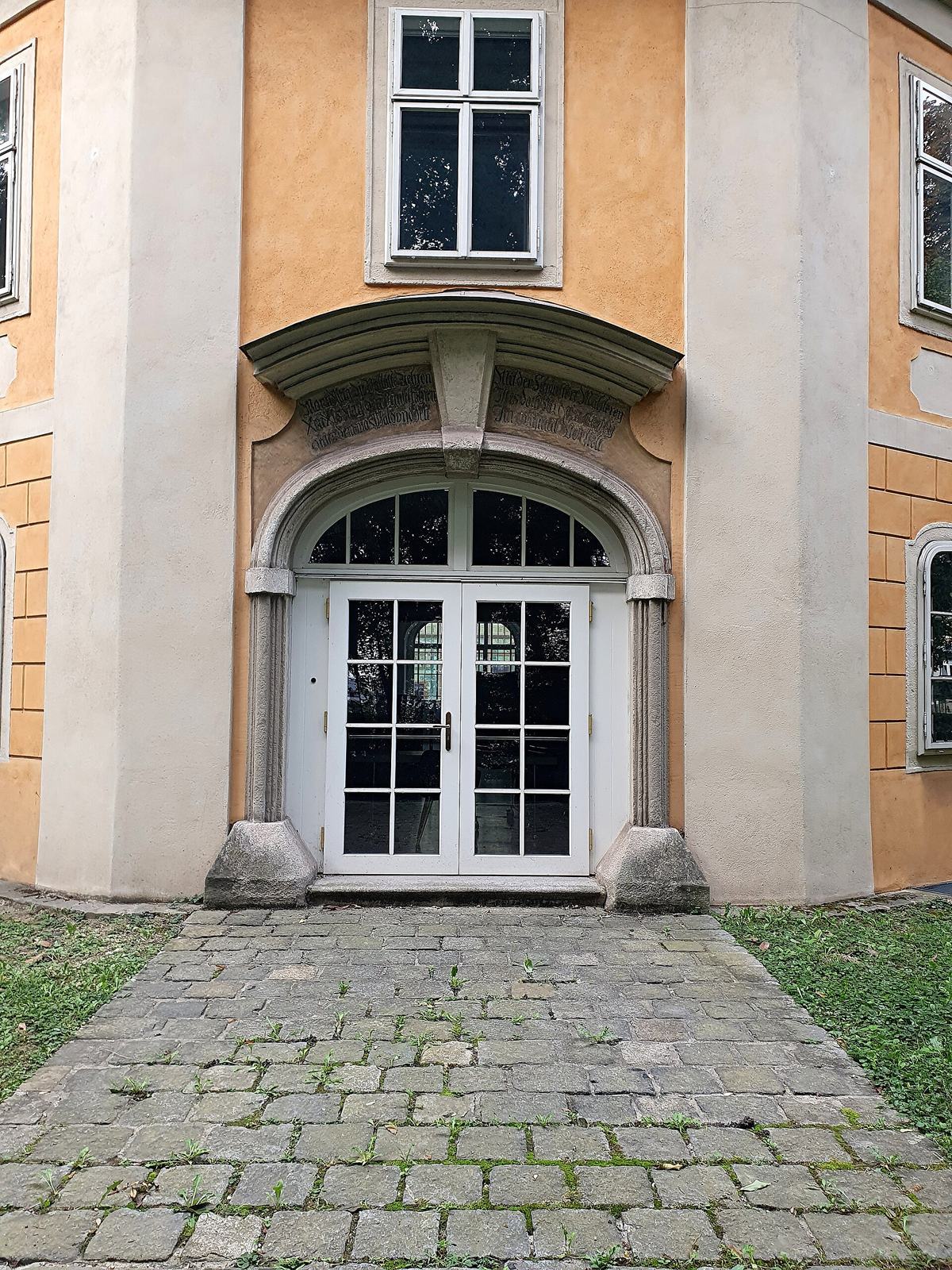
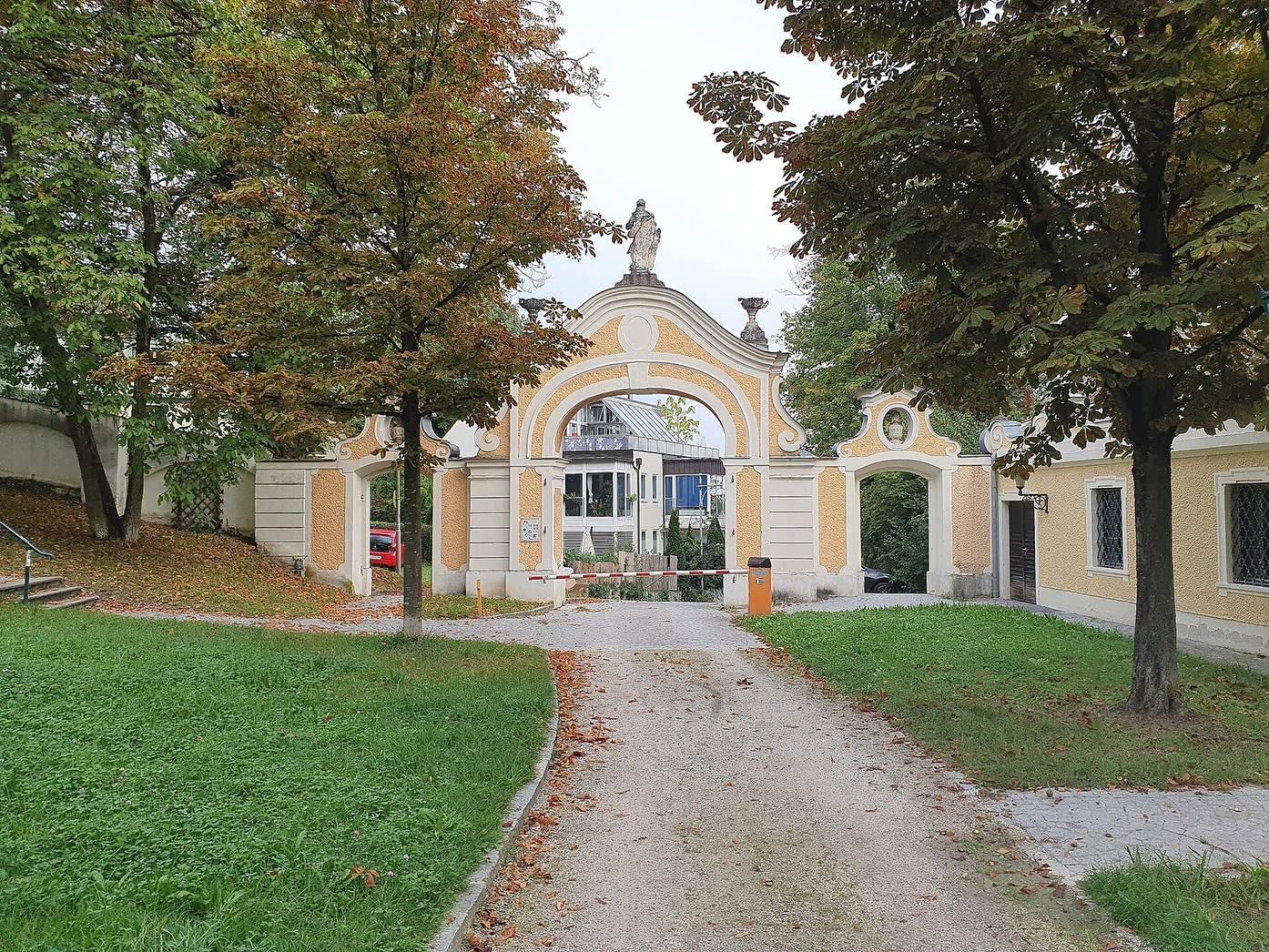
The three-storey Baroque building stands within a large park and contains nine rooms. A wall once enclosed both house and garden, with a three-door portal providing an entrance. On the side facing the city, a short Baroque poem contrasts painted palace interiors with the natural scenes of woods and fields; its reference to the ancient Greek painter Zeuxis of Heraclea is probable. Inside, eighteenth-century wall paintings in the ground-floor Sala Terrena, a garden-associated hall, take the newly laid-out park as their subject. Paintings of the same century decorate the Octagon Room and the Pompeian Bath on the first floor. Near the main entrance, a winter garden in Art Nouveau, a decorative style of the turn of the twentieth century, dates to Weingärtner’s redesign around 1902.
Park and garden features
The park covers about 2.5 hectares and was laid out according to ecological principles. An inventory made in 2007 counted 54 tree species among about 400 individual woody plants, with Norway maples and ash trees the most common. Rarer trees associated with Schiffermüller’s period include an American tulip tree and Asian yews standing on either side of the terrace. Stone garden figures depict Ceres, the Roman goddess of agriculture, Flora, the Roman goddess of flowers, and Pan, a Greek pastoral deity, playing a pan flute.