Goldegg Castle in Lower Austria: A Castle Remodeled as a Renaissance Palace
Site at a Glance
- Popularity
- Medium
- Country
- Austria
- Primary era
- Early Modern
- Eras represented
- Medieval, Early Modern, Modern
- Civilizations
- Austria-Hungary, Duchy of Austria, Habsburg, Habsburg Austria, Holy Roman Empire
- Site type
- Domestic
- Remains
- Castle
On this page10 sections
History
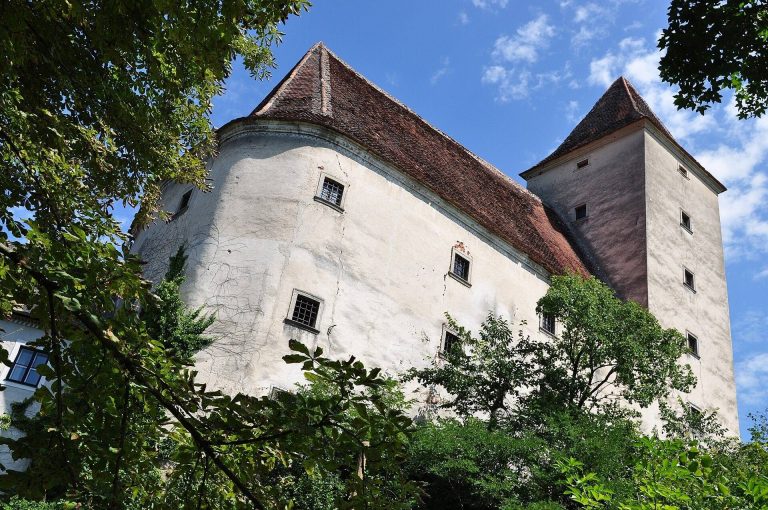
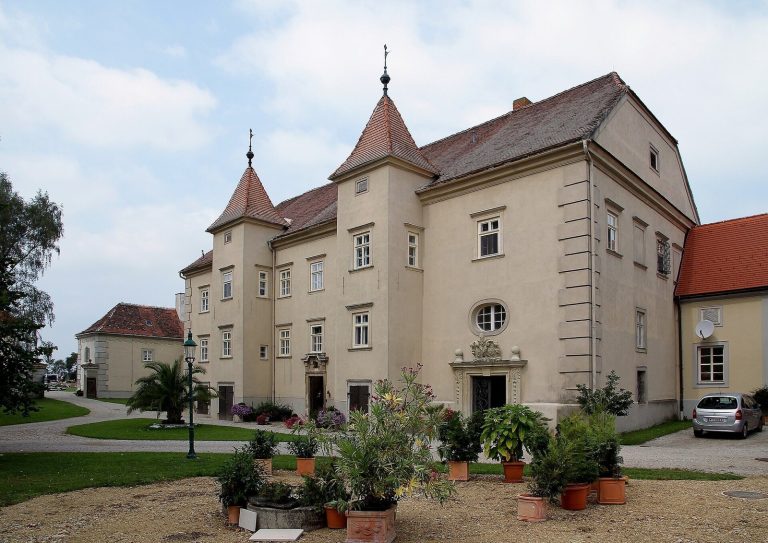
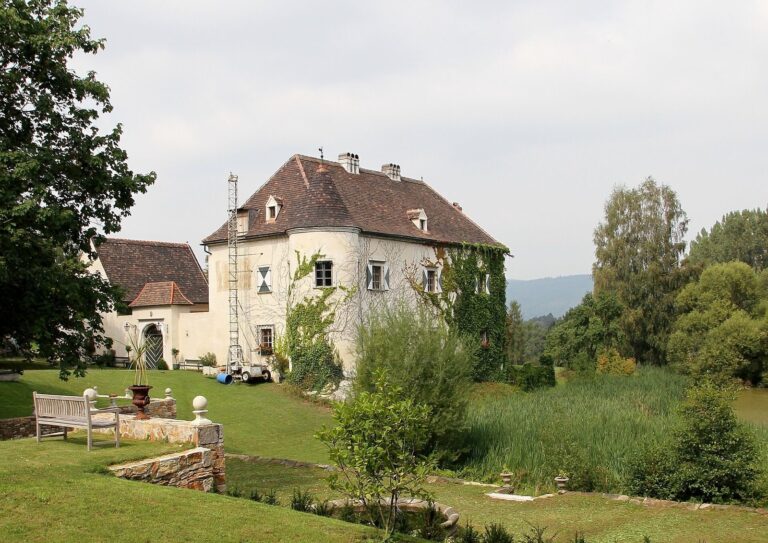
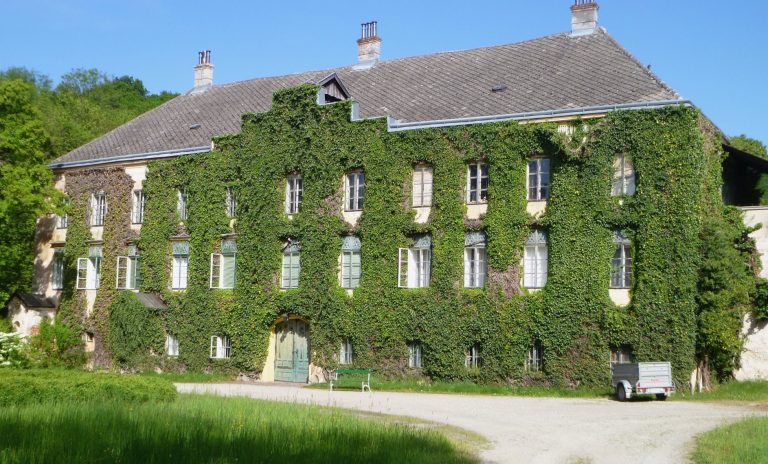
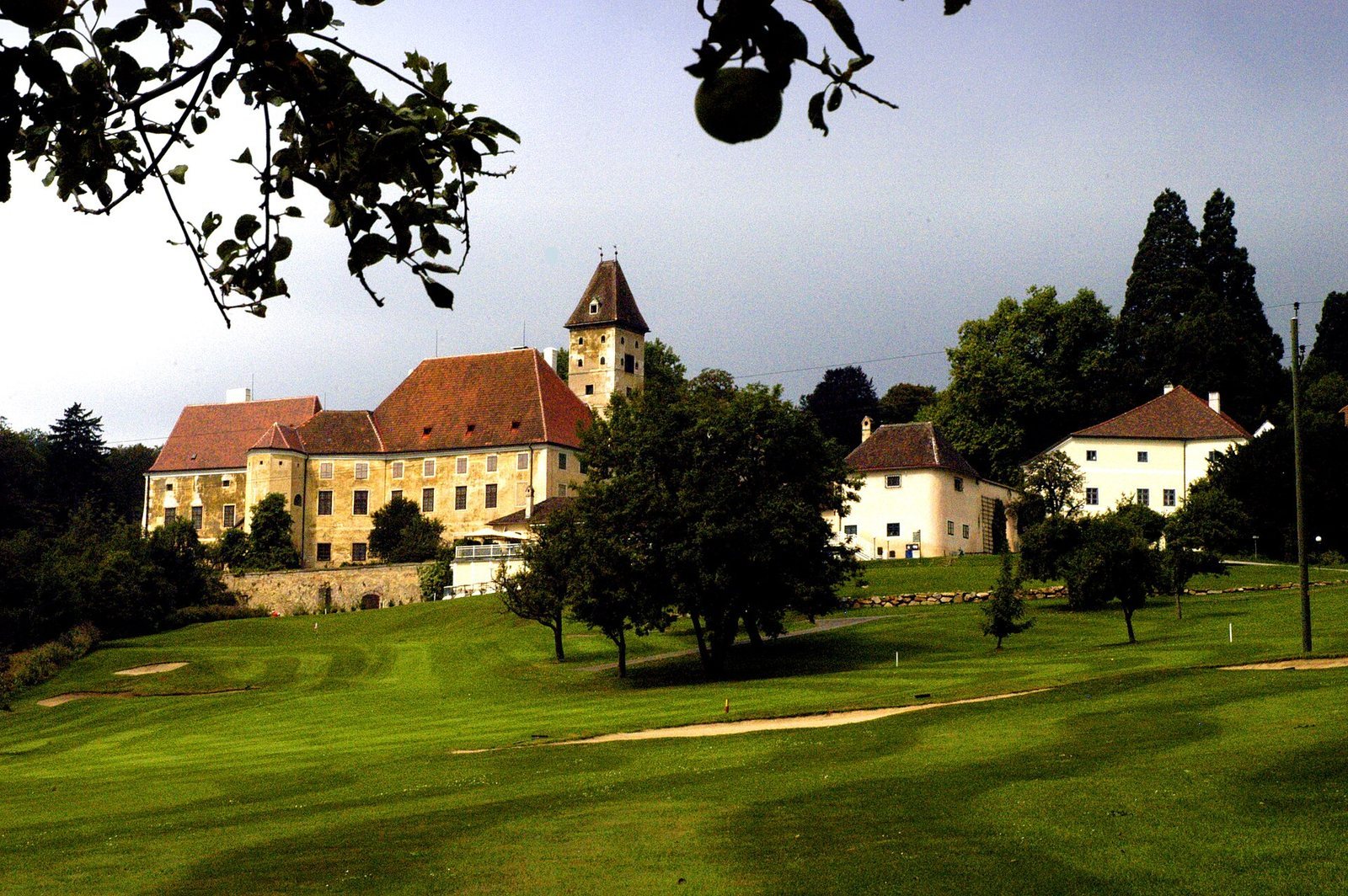
Goldegg Castle in Lower Austria stands in the municipality of Neidling, Austria. Its earlier castle was extensively remodeled between 1589 and 1639, when the Enenkel family transformed it into an irregular, three-winged late-Renaissance palace.
Medieval records and ownership
A person named Wézil von Goldegg appears in documents from 1293. In 1326, the territorial ruler granted property to the Goldegg family, a transfer associated with the names of both the castle and the settlement. The property changed hands and fiefholders over time. By 1495, when Stephan Uttendorfer owned it, the castle’s chapel was also recorded.
Renaissance palace and later owners
After the Enenkels’ remodeling, the castle passed in 1641 to Johann Mathias Prücklmayer, Baron of and at Goldegg. He left it to his daughter, who sold it to the Trautson family in 1669. The Trautsons began another expansion of the complex.
The Auersperg family owned the castle from 1782 until 2015. In 2014, it passed to a daughter of Egmont Auersperg and, through her, to the Auersperg-Zaksek family. War damage from 1945 was repaired later.
Remains
Castle buildings
Plan and surviving castle
The castle occupies elevated ground on a southern spur of the Dunkelsteiner Forest. In the southwest, the roughly square keep, a fortified tower, and the principal residential building of the earlier castle remain discernible. The Chapel of the Crucified Savior adjoins them to the east, with its choir projecting south. Farther east stand the manor house and an attached gate tower. A kitchen wing extends north along the chapel’s axis. The manor house and kitchen wing form a courtyard, with a corner tower at its northeast corner.
Chapel and memorials
The chapel has three bays and a vaulted ceiling formed by the intersection of barrel vaults, with elaborate stucco from the late seventeenth century. Its altar painting, Christ on the Cross, was made by Josef Baldauf in 1839. Two canvases by the Austrian Baroque painter Martin Johann Schmidt show Saint Andrew, traditionally one of Jesus’s twelve apostles, embracing the cross (1745), and Christ in Limbo (1747), depicting Christ among the dead between his crucifixion and resurrection. A grave slab dated 1743 for Charlotte Auersperg, born von Lasberg, lies in the light court beside the chapel entrance.
Garden and grounds
Garden layout and water features
The garden lies north of the castle and is a principal example of Lower Austrian garden art. The Goldegg stream and other watercourses required several bridges. A small pond in the garden has an island.
Garden buildings and sculpture
A wooden pleasure pavilion dating to around 1800 has an elliptical plan and a shingle roof. The garden also contains a two-storey glasshouse from around 1900, supported by an iron structure. At the castle approach, a mid-eighteenth-century statue of Saint John of Nepomuk, a Bohemian priest venerated as a Catholic martyr, stands on a scroll-shaped pedestal. A column dedicated to Mary in the garden dates to 1910.